
Portuguese
Southern Europe Portuguese
The Portuguese culture is rich in history, traditions, and global influence, known for its maritime heritage, vibrant arts, and culinary delights.
Historical Context
Portugal has a rich history as a seafaring nation, leading the Age of Discoveries in the 15th and 16th centuries. It established a global empire with colonies in Africa, Asia, and South America.
Migration Patterns
Portuguese migration has been significant, with large communities in Brazil, the United States, and former colonies. Economic opportunities and historical ties have driven these movements.
Conflict And Resilience History
Portugal has experienced various conflicts, including the Reconquista and colonial wars, but has shown resilience through periods of dictatorship and economic challenges.
Diaspora Perspectives
The Portuguese diaspora maintains strong cultural ties to Portugal, often celebrating traditional festivals and maintaining the Portuguese language.
Regional Variations
There are distinct regional variations within Portugal, such as the cultural differences between the north and south, influenced by historical and geographical factors.
Bridging Notes
Portugal's history of exploration and colonization has created a cultural bridge between Europe and other parts of the world, particularly in language and cuisine.
Spiritual And Religious Practices
Catholicism is the predominant religion, deeply influencing Portuguese culture and traditions, including festivals and daily life.
Beliefs And Worldview
Portuguese people value family, community, and tradition, with a worldview shaped by historical maritime exploration and cultural exchanges.
Cultural Proverbs Sayings
Common proverbs reflect values such as patience, wisdom, and the importance of family, like 'Mais vale tarde do que nunca' (Better late than never).
Naming Conventions And Terms Of Address
Portuguese naming conventions often include multiple given names and family names, with formal terms of address used in professional and social settings.
Health And Mental Health
The Portuguese healthcare system is well-regarded, with a focus on public health and preventive care. Mental health awareness is growing, with increasing resources available.
Mental Health Views
Mental health is becoming more openly discussed, though stigma can still exist, particularly in older generations.
Traditional Healers
While modern medicine is predominant, some traditional remedies and herbal medicine are still used, particularly in rural areas.
Gender Roles In Healthcare
Healthcare roles are traditionally gendered, but there is increasing gender equality in medical professions.
Healthcare Barriers
Barriers can include economic factors and access in rural areas, though the national health service aims to provide comprehensive coverage.
Education And Learning Styles
Education in Portugal emphasizes critical thinking and creativity, with a strong public education system and increasing access to higher education.
Learning Styles
Portuguese students often engage in collaborative and interactive learning, with a focus on both theoretical and practical knowledge.
Parental Engagement
Parents are typically involved in their children's education, emphasizing the importance of academic success and cultural education.
Family And Social Structure
Family is central to Portuguese life, often extending beyond the nuclear family to include close ties with extended relatives.
Discipline And Behavior
Discipline is generally moderate, with an emphasis on respect and good manners, reflecting traditional values.
Authority Attitudes
There is respect for authority figures, though younger generations are increasingly questioning traditional hierarchies.
Etiquette And Customs
Portuguese customs include greeting with a handshake or kiss on both cheeks, and showing hospitality and politeness in social interactions.
Community Strengths Resilience
Strong community bonds and a sense of solidarity contribute to resilience, particularly in times of economic or social challenges.
Art Music And Expression
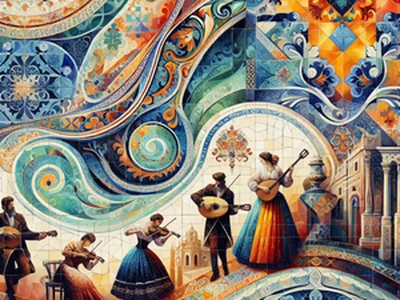
Portugal is known for Fado music, traditional dance, and a rich literary tradition. Art and music are integral to cultural expression.
Cultural Symbols Motifs
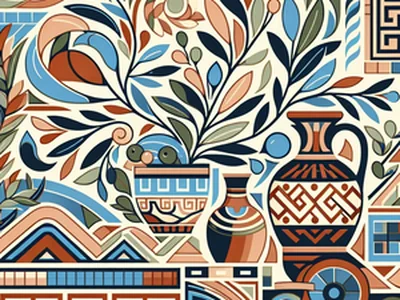
Symbols such as the rooster of Barcelos and azulejos (ceramic tiles) are iconic in Portuguese culture.
What Brings Joy
Family gatherings, festivals, and traditional music and dance bring joy to Portuguese communities.
Celebrations Joyful Traditions
Festivals such as Carnaval and São João are celebrated with music, dance, and community gatherings.
Cultural Calendar And Holidays
Important holidays include Dia de Portugal, Christmas, and Easter, celebrated with traditional foods and family gatherings.
Additional Notes
Portuguese culture places a high value on hospitality and the sharing of food and drink as expressions of friendship and community.
Economic Context And Occupations
Portugal's economy is diverse, with key sectors including tourism, agriculture, and technology. Unemployment has been a challenge, but innovation is driving growth.
Housing And Living Arrangements
Housing varies from urban apartments to rural homes, with a trend towards urbanization. Family living arrangements often include multi-generational households.
Nutrition And Dietary Norms
The Mediterranean diet is prevalent, emphasizing fresh seafood, olive oil, and vegetables. Meals are social events, often shared with family.
Interpretation Needs
Portuguese is the primary language, but there is a need for interpretation services in regions with immigrant populations.
Interpreter Notes
Interpreters should be aware of regional dialects and cultural nuances when providing services.
Documentation Traditions
Documentation is typically formal, with a strong emphasis on official records and legal documentation.
Interactions With Other Cultures
Portugal has a long history of cultural exchange, particularly with former colonies and European neighbors.
Conflict Resolution Mechanisms
Diplomatic and peaceful negotiation are preferred methods for conflict resolution, reflecting a history of diplomacy.
Cultural Exchange Programs
Portugal participates in numerous cultural exchange programs, fostering international collaboration in arts and education.
Trade Relations
Portugal maintains strong trade relations within the EU and with former colonies, focusing on exports like wine and textiles.
Shared Artistic Projects
Collaborations in music, film, and art are common, particularly with Lusophone countries.
Intercultural Marriages
Intercultural marriages are increasingly common, reflecting Portugal's diverse society and historical connections.
Shared Educational Initiatives
Portugal engages in educational initiatives with other countries, promoting language learning and cultural understanding.
Youth Perspectives
Portuguese youth are increasingly global in outlook, valuing education and technology while maintaining cultural traditions.
Education Initiatives
Initiatives focus on STEM education and language skills, preparing youth for a globalized job market.
Future Challenges
Challenges include economic stability, employment opportunities, and adapting to climate change.
Youth Employment Trends
Youth employment is focused on technology, tourism, and creative industries, with entrepreneurship on the rise.
Future Visions
The future vision includes sustainable development, technological innovation, and cultural preservation.
Youth Leadership Roles
Youth are taking on leadership roles in social movements and political organizations, advocating for change.
Innovation And Startups
Portugal has a growing startup scene, particularly in Lisbon, with a focus on technology and innovation.
Festivals And Celebrations
Festivals such as Festa de São João and Carnaval are celebrated with music, dance, and traditional foods.
Traditional Medicine Practices
Herbal remedies and traditional healing practices are still used, particularly in rural areas.
Environmental Practices
Portugal is committed to environmental sustainability, with initiatives in renewable energy and conservation.
Rituals
Rituals often revolve around religious practices, such as processions and pilgrimages.
Rites Of Passage
Rites of passage include religious sacraments like baptism and confirmation, as well as traditional celebrations for milestones.
Culinary Traditions
Portuguese cuisine is known for dishes like bacalhau (salted cod) and pastéis de nata (custard tarts), reflecting a rich culinary heritage.
Climate Adaptation Strategies
Strategies include investment in renewable energy and sustainable agriculture to address climate change.
Biodiversity Conservation
Efforts focus on protecting natural habitats and endangered species, with national parks and reserves.
Sustainable Tourism Practices
Sustainable tourism is promoted, balancing economic benefits with environmental protection.
Renewable Energy Use
Portugal is a leader in renewable energy, particularly wind and solar power, aiming for carbon neutrality.
Community Involvement In Practices
Community involvement is encouraged in environmental initiatives, fostering local engagement and education.
Environmental Education Programs
Programs focus on raising awareness about sustainability and conservation among all age groups.
Notable Figures
Notable figures include explorers like Vasco da Gama, writers like Fernando Pessoa, and footballer Cristiano Ronaldo.
Cultural Innovations
Portugal has contributed to global culture through its maritime discoveries, Fado music, and unique architectural styles.
Literary Works
Portuguese literature includes works by Luís de Camões and José Saramago, reflecting rich storytelling traditions.
Architectural Styles
Portuguese architecture is known for Manueline style and azulejos, with landmarks like the Jerónimos Monastery.
Scientific Contributions
Contributions include advancements in navigation and maritime technology during the Age of Discoveries.
Culinary Innovations
Portuguese cuisine has influenced global culinary practices, particularly in the use of spices and seafood.
Global Influence
Portugal's global influence is seen in its language, culture, and historical ties with former colonies.
Awards And Recognition
Portuguese individuals and cultural products have received international recognition, including Nobel Prizes and UNESCO heritage designations.
Modern Influences
Modern influences include globalization, technology, and European integration, impacting culture and society.
Digital Presence
Portugal has a strong digital presence, with widespread internet access and active participation in social media.
Globalization Effects
Globalization has brought economic opportunities and cultural exchange, while also challenging traditional industries.
Urbanization Effects
Urbanization has led to growth in cities like Lisbon and Porto, with challenges in housing and infrastructure.
Technology Adoption
Portugal is embracing technology, with initiatives in digital innovation and smart cities.
Hybrid Cultural Forms
Hybrid cultural forms are emerging, blending traditional Portuguese elements with global influences.
Social Media Presence
Social media is widely used for communication, cultural expression, and business, with platforms like Instagram and Facebook popular.
Challenges
Challenges include economic disparities, preserving cultural heritage, and addressing environmental issues.
Preservation Efforts
Efforts focus on preserving language, traditions, and historical sites, with support from government and cultural organizations.
Cultural Artwork
Community Discussion
Further Reading
Explore credible external sources to deepen your understanding of Portuguese culture.