During polar night, Inuit communities live in darkness for months. The Winter Solstice marks the sun's return—a profound moment of hope, renewal, and celebration of light conquering darkness.
Thumbnail image shown on culture cards (recommended: 400x400px, square)
Hero Image
Large banner image for the culture detail page (recommended: 1200x600px,
wide)
📝 Core Information
Essential identifying information about the culture
The official name of the culture being enriched
Max 100 characters 6
A unique alphanumeric code representing the culture
Max 20 characters 4
A concise overview highlighting key attributes
Current Live Content
(199 chars)
Max 500 characters 199
Detailed description of defining characteristics, history, and contributions
Current Live Content
(240 chars)
Libyan culture is a rich tapestry woven from the threads of Arab, Berber, and Mediterranean influences, rooted deeply in a history that spans thousands of years. It is characterized by its unique blend of traditions, languages, and customs.
Max 5000 characters 240
Primary geographic area where the culture is located
Languages spoken by the culture
Empty
Cultures with historical, linguistic, or geographic ties
Empty
Alternative names for the culture
Empty
Broader cultural group this culture belongs to
📚 History
Historical context, migration patterns, and regional variations
Long history, roots, and identity development
Current Live Content
(304 chars)
Libya's history is marked by its position as a bridge between the Mediterranean and the African continent. It has been home to ancient civilizations such as the Carthaginians, Greeks, and Romans. The Arab conquest in the 7th century introduced Islam, shaping the region's religious and cultural identity.
Traditional and modern migration movements
Current Live Content
(198 chars)
Historically, Libya has seen waves of migration, including Arab tribes in the medieval period and more recent movements due to conflicts and economic opportunities, both into and out of the country.
Challenges faced and resilience demonstrated
Current Live Content
(236 chars)
Libya has experienced significant conflict, particularly during the Italian colonization and more recently in the aftermath of the 2011 revolution. Despite these challenges, Libyans have shown resilience and a strong sense of community.
Perspectives from diaspora communities
Current Live Content
(184 chars)
The Libyan diaspora is spread across Europe, North America, and the Middle East, often maintaining strong ties to their homeland and contributing to cultural exchanges and remittances.
Variations in dialects and customs across regions
Current Live Content
(158 chars)
Cultural practices vary significantly between coastal cities like Tripoli and Benghazi, and the desert interior regions, which are home to Berber communities.
Efforts to bridge cultural gaps
Current Live Content
(143 chars)
Understanding the interplay between Libya's diverse ethnic groups and historical influences is crucial for comprehending its cultural dynamics.
🙏 Beliefs & Values
Spiritual practices, worldview, and cultural values
Religious practices and their influence on daily life
Current Live Content
(175 chars)
Islam is the predominant religion, with Sunni Islam being the main branch practiced. Religious practices are integral to daily life, with mosques serving as community centers.
Cultural worldview and core beliefs
Current Live Content
(113 chars)
Libyan society is collectivist, valuing family and community ties. Honor and hospitality are key cultural values.
Important proverbs and sayings
Current Live Content
(100 chars)
Proverbs in Libya often reflect wisdom and moral lessons, such as valuing patience and perseverance.
Naming traditions and terms of address
Current Live Content
(137 chars)
Names often have religious significance, with 'Mohammed' being common. Terms of address are formal, often using titles or familial terms.
🏥 Health & Wellness
Health practices, mental health views, and healthcare access
Overall health practices and approaches
Current Live Content
(145 chars)
Healthcare in Libya varies, with access being better in urban areas. Traditional medicine is still practiced alongside modern medical treatments.
Cultural perspectives on mental health
Current Live Content
(106 chars)
Mental health is often stigmatized, though awareness is gradually increasing with educational initiatives.
Role of traditional healers in the community
Current Live Content
(131 chars)
Traditional healing practices, which include herbal remedies and spiritual healing, are still prevalent, especially in rural areas.
How gender influences healthcare access and practices
Current Live Content
(129 chars)
There are gender differences in healthcare access, with women often requiring a male relative to accompany them in some contexts.
Barriers to accessing healthcare
Current Live Content
(119 chars)
Barriers include economic challenges, political instability, and limited infrastructure, affecting healthcare delivery.
🎓 Education
Learning styles, educational approaches, and parental engagement
Educational approaches and learning styles
Current Live Content
(149 chars)
Education is highly valued, with a focus on rote learning and memorization. However, there is a growing emphasis on critical thinking and innovation.
Preferred learning methods and styles
Current Live Content
(117 chars)
Learning styles tend to be teacher-centered, though reforms are promoting student engagement and interactive methods.
How parents engage in children's education
Current Live Content
(112 chars)
Parents are highly involved in their children's education, often emphasizing the importance of academic success.
👥 Community & Family
Social structure, family dynamics, and community values
How families and communities are organized
Current Live Content
(112 chars)
The family is the core social unit, with extended families often living close together or in the same household.
Approaches to discipline and behavioral expectations
Current Live Content
(114 chars)
Respect for elders and adherence to traditional family roles are emphasized, with discipline often being communal.
Cultural attitudes toward authority
Current Live Content
(114 chars)
Authority figures, such as elders and religious leaders, are respected and often consulted on important decisions.
Social etiquette and important customs
Current Live Content
(100 chars)
Hospitality is a cornerstone of Libyan culture, with guests often offered the best food and seating.
Community strengths and resilience factors
Current Live Content
(122 chars)
Community resilience is bolstered by strong social networks and a collective identity rooted in shared history and values.
🎨 Art & Expression
Artistic expression, music, celebrations, and cultural symbols
Artistic and musical traditions
Current Live Content
(121 chars)
Libyan culture is rich in oral traditions, music, and dance, with Tuareg music and poetry being particularly distinctive.
Important cultural symbols and motifs
Current Live Content
(105 chars)
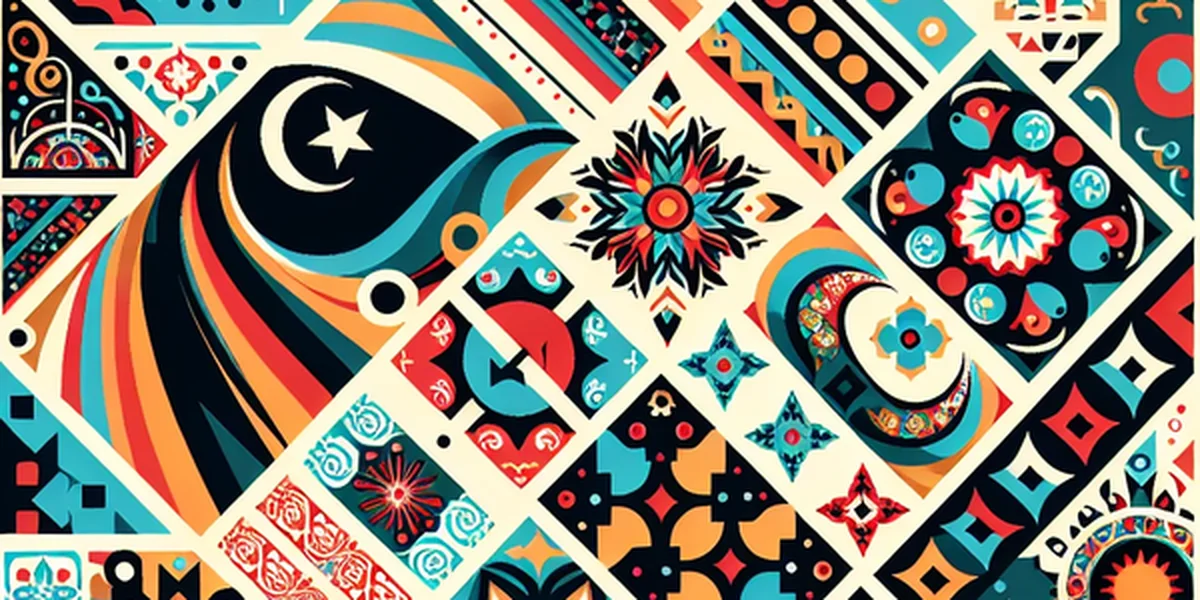
Symbols such as the crescent and star, and motifs from Berber art, are prevalent in cultural expressions.
Sources of joy and happiness in the culture
Current Live Content
(114 chars)
Social gatherings, music, and celebrations of religious and national holidays are sources of joy for many Libyans.
Celebratory traditions and joyful events
Current Live Content
(102 chars)
Eid al-Fitr and Eid al-Adha are major celebrations, marked by communal prayers, feasting, and charity.
Important holidays and cultural calendar
Current Live Content
(98 chars)
Libya's calendar features Islamic holidays, as well as Independence Day celebrated on December 24.
Additional cultural expression notes
Current Live Content
(117 chars)
Cultural expressions in Libya are undergoing a renaissance post-2011, with increased artistic freedom and innovation.
🏘️ Service Access
Economic context, housing, and nutrition
Economic activities and common occupations
Current Live Content
(127 chars)
Libya's economy is largely dependent on oil, with agriculture and services also contributing. Unemployment remains a challenge.
Housing types and living arrangements
Current Live Content
(112 chars)
Urban areas are characterized by apartment living, while rural areas often feature traditional family compounds.
Dietary practices and nutritional norms
Current Live Content
(132 chars)
Libyan cuisine is Mediterranean, with staples like couscous, lamb, and olive oil. Meals are social events, often shared with family.
🗣️ Language Access
Interpretation needs and documentation traditions
Language interpretation requirements
Current Live Content
(107 chars)
Arabic is the primary language, but there is a need for Berber language interpretation in some communities.
Important notes for interpreters
Current Live Content
(103 chars)
Cultural sensitivity is crucial when interpreting, as language is deeply tied to identity and heritage.
How the culture documents its history and knowledge
Current Live Content
(119 chars)
Oral storytelling and poetry are traditional forms of documentation, though written Arabic is used for formal purposes.
🌍 Environmental Practices
Environmental practices, sustainability, and climate adaptation
Cultural festivals and celebrations
Current Live Content
(105 chars)
Festivals often revolve around Islamic traditions, with local variations adding unique cultural elements.
Traditional medicine practices
Current Live Content
(102 chars)
Herbal remedies and spiritual healing are integral to traditional medicine, especially in rural areas.
Environmental stewardship and practices
Current Live Content
(111 chars)
Environmental awareness is growing, with initiatives focused on sustainable agriculture and water conservation.
Important cultural rituals
Current Live Content
(118 chars)
Rituals often accompany life events such as births, marriages, and deaths, reflecting Islamic and traditional beliefs.
Coming-of-age and life transition rituals
Current Live Content
(116 chars)
Rites of passage, such as circumcision and weddings, are significant cultural events marked by elaborate ceremonies.
Food traditions and culinary practices
Current Live Content
(104 chars)
Libyan cuisine features dishes like bazin and shakshuka, reflecting Mediterranean and Berber influences.
Strategies for adapting to climate
Current Live Content
(103 chars)
Efforts are being made to adapt to climate change through sustainable agriculture and water management.
Efforts to conserve biodiversity
Current Live Content
(82 chars)
Conservation projects aim to protect Libya's unique desert and coastal ecosystems.
Sustainable tourism initiatives
Current Live Content
(93 chars)
Tourism is being developed with a focus on sustainability and cultural heritage preservation.
Use of renewable energy sources
Current Live Content
(106 chars)
Libya is exploring renewable energy options, particularly solar and wind, to diversify its energy sources.
Community participation in practices
Current Live Content
(85 chars)
Community involvement is crucial in environmental and cultural preservation projects.
Environmental education initiatives
Current Live Content
(102 chars)
Programs are being introduced to educate the public on environmental issues and sustainable practices.
🏆 Cultural Contributions
Notable figures, innovations, and global influence
Important cultural figures and leaders
Current Live Content
(91 chars)
Omar Mukhtar, a national hero, is renowned for his resistance against Italian colonization.
Cultural innovations and adaptations
Current Live Content
(121 chars)
Libyan artists and musicians are increasingly gaining recognition for their contributions to regional and global culture.
Important literary works and oral traditions
Current Live Content
(105 chars)
Libyan literature, both in Arabic and Berber, reflects themes of identity, resistance, and social change.
Traditional and modern architectural styles
Current Live Content
(105 chars)
Libyan architecture ranges from ancient Roman ruins to modernist designs, reflecting its diverse history.
Scientific and technological contributions
Current Live Content
(96 chars)
Libyans have contributed to fields such as medicine and engineering, often through the diaspora.
Innovative culinary practices
Current Live Content
(117 chars)
Libyan cuisine is gaining international interest, with chefs experimenting with traditional and modern fusion dishes.
Global cultural influence
Current Live Content
(98 chars)
Libyan culture influences the broader Arab world through media, literature, and academic exchange.
Cultural awards and recognition
Current Live Content
(127 chars)
Libyan individuals and cultural projects have been recognized in international forums for their contributions to art and peace.
💻 Modern Adaptations
Modern influences, technology adoption, and globalization
Modern cultural influences and changes
Current Live Content
(94 chars)
Globalization and digitalization are influencing Libyan culture, particularly among the youth.
Digital and online cultural presence
Current Live Content
(87 chars)
Social media platforms are widely used for cultural expression and political discourse.
Impact of globalization on the culture
Current Live Content
(114 chars)
Globalization has brought both opportunities and challenges, impacting cultural practices and economic conditions.
Impact of urbanization
Current Live Content
(118 chars)
Urbanization is transforming social structures and lifestyles, particularly in major cities like Tripoli and Benghazi.
Adoption of modern technology
Current Live Content
(106 chars)
Technology adoption is growing, with increasing access to mobile and internet services across the country.
Hybrid cultural expressions
Current Live Content
(89 chars)
Hybrid cultural forms are emerging as traditional practices blend with modern influences.
Social media and online engagement
Current Live Content
(112 chars)
Social media is a powerful tool for cultural exchange and activism, with a significant presence of Libyan users.
🤝 Intercultural Relations
Interactions with other cultures and exchange programs
How the culture interacts with others
Current Live Content
(134 chars)
Libya's interactions with neighboring countries and the wider Arab world are significant, influencing cultural and economic exchanges.
Cultural approaches to resolving conflicts
Current Live Content
(99 chars)
Traditional conflict resolution involves community elders and religious leaders mediating disputes.
Cultural exchange initiatives
Current Live Content
(110 chars)
There is interest in cultural exchange programs, particularly with Mediterranean and Middle Eastern countries.
Trade relationships with other cultures
Current Live Content
(111 chars)
Trade is primarily with European and Arab countries, focusing on oil exports and imports of goods and services.
Collaborative artistic initiatives
Current Live Content
(98 chars)
Collaborative artistic projects often focus on shared historical themes and cultural preservation.
Cultural perspectives on intercultural marriage
Current Live Content
(100 chars)
Intercultural marriages do occur, often requiring negotiation of cultural and religious differences.
Collaborative educational programs
Current Live Content
(127 chars)
Educational partnerships with international institutions are growing, enhancing cross-cultural understanding and collaboration.
🌟 Youth & Future
Youth perspectives, employment trends, and future visions
Perspectives and values of young people
Current Live Content
(108 chars)
Libyan youth are increasingly engaged in social change, leveraging technology and social media for activism.
Youth-focused education programs
Current Live Content
(122 chars)
New educational initiatives focus on STEM, entrepreneurship, and vocational training to equip youth for future challenges.
Anticipated future challenges
Current Live Content
(99 chars)
Youth face challenges such as unemployment, political instability, and limited access to resources.
Employment patterns among youth
Current Live Content
(91 chars)
There is a shift towards entrepreneurship and digital industries, reflecting global trends.
Cultural visions for the future
Current Live Content
(94 chars)
Libyan youth envision a future with stability, economic opportunity, and cultural renaissance.
Youth in leadership positions
Current Live Content
(85 chars)
Youth are taking on leadership roles in community development and political activism.
Youth entrepreneurship and innovation
Current Live Content
(96 chars)
A burgeoning startup scene is emerging, particularly in technology and renewable energy sectors.
🛡️ Challenges & Preservation
Cultural challenges and preservation efforts
Current cultural challenges
Current Live Content
(127 chars)
Libya faces challenges such as political instability, cultural preservation amid globalization, and economic dependency on oil.
Efforts to preserve cultural heritage
Current Live Content
(113 chars)
Efforts are underway to preserve cultural heritage through educational programs and international collaborations.