
Libyan
North Africa ArabicBerber
The Libyan culture is a rich tapestry of traditions, influenced by its history, geography, and diverse ethnic groups.
Historical Context
Libya has a rich history influenced by various civilizations, including the Phoenicians, Romans, and Ottomans, before becoming an Italian colony and later gaining independence.
Migration Patterns
Historically, Libya has seen migration from neighboring African and Mediterranean regions, with recent patterns influenced by political instability.
Conflict And Resilience History
Libya has experienced significant conflict, particularly during the 2011 revolution and subsequent civil unrest, showcasing the resilience of its people.
Diaspora Perspectives
The Libyan diaspora maintains strong cultural ties, often advocating for peace and development in their homeland.
Regional Variations
Cultural practices vary between coastal cities like Tripoli and Benghazi and the more traditional desert regions inhabited by Berber communities.
Bridging Notes
Efforts to bridge cultural divides focus on promoting unity and understanding among Libya's diverse ethnic groups.
Spiritual And Religious Practices
Islam is the predominant religion, with practices deeply integrated into daily life, including prayer, fasting during Ramadan, and charity.
Beliefs And Worldview
Libyan worldview is shaped by Islamic values, emphasizing community, hospitality, and respect for elders.
Cultural Proverbs Sayings
Common proverbs reflect values of patience, wisdom, and the importance of family and community.
Naming Conventions And Terms Of Address
Names often have Arabic origins, with respectful terms of address used for elders and authority figures.
Health And Mental Health
Healthcare access varies, with traditional medicine still playing a role alongside modern medical practices.
Mental Health Views
Mental health is often stigmatized, though awareness is gradually increasing.
Traditional Healers
Herbalists and traditional healers are consulted, especially in rural areas.
Gender Roles In Healthcare
Gender roles can influence healthcare access, with women sometimes facing barriers to receiving care.
Healthcare Barriers
Barriers include political instability, infrastructure challenges, and economic constraints.
Education And Learning Styles
Education is valued, with a focus on rote learning, though reforms aim to encourage critical thinking.
Learning Styles
Learning often emphasizes memorization and respect for teachers.
Parental Engagement
Parents are highly involved in their children's education, often prioritizing academic success.
Family And Social Structure
Family is central to Libyan society, with extended families often living together or nearby.
Discipline And Behavior
Discipline is typically strict, with an emphasis on respect and obedience.
Authority Attitudes
Respect for authority is ingrained, with elders and community leaders holding significant influence.
Etiquette And Customs
Hospitality is a key custom, with guests treated with great respect and generosity.
Community Strengths Resilience
Communities are tight-knit, providing support and resilience in times of crisis.
Art Music And Expression
Libyan art and music reflect its diverse heritage, with traditional folk music and modern influences.
Cultural Symbols Motifs
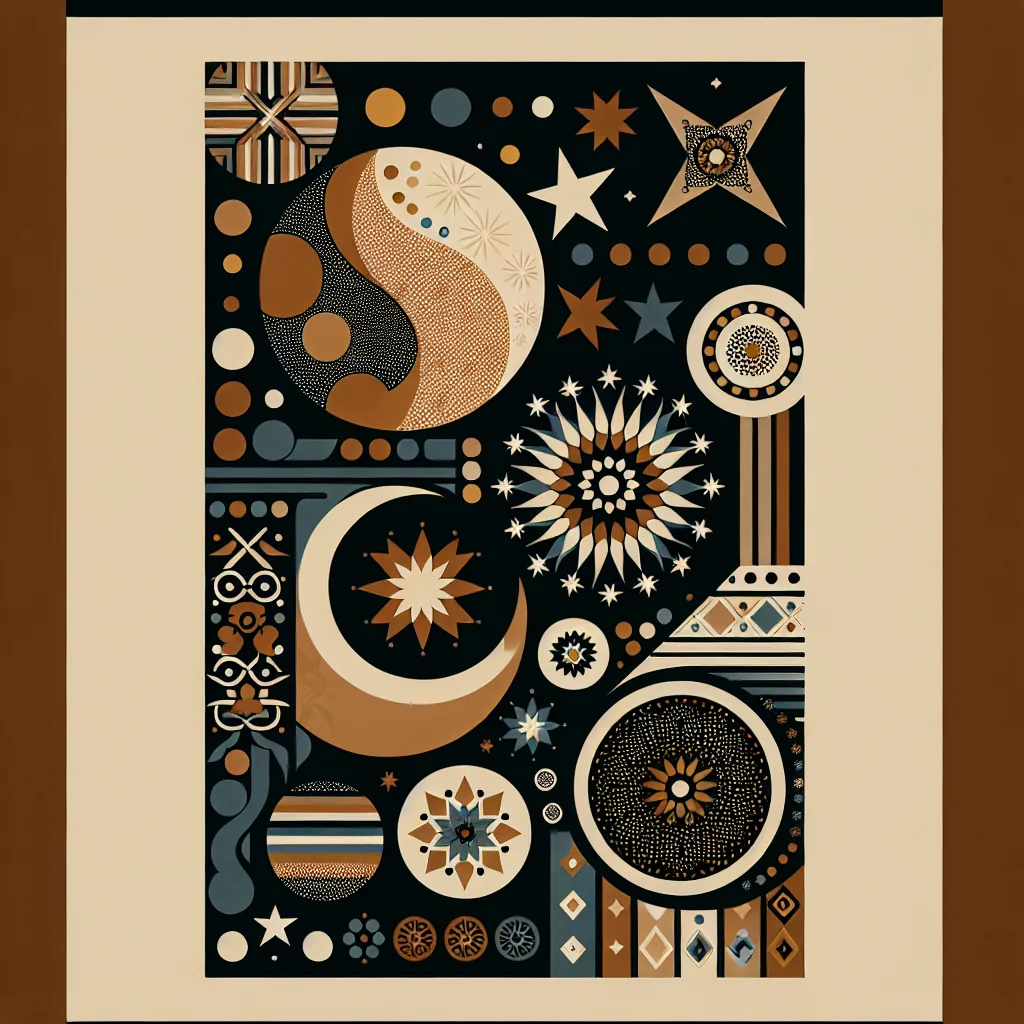
Symbols such as the crescent and star are prevalent, reflecting Islamic heritage.
What Brings Joy
Family gatherings, music, and traditional celebrations bring joy to Libyan communities.
Celebrations Joyful Traditions
Eid al-Fitr and Eid al-Adha are major celebrations, marked by communal prayers and feasting.
Cultural Calendar And Holidays
The Islamic calendar dictates major holidays, with additional national celebrations like Independence Day.
Additional Notes
Libyan culture is vibrant and diverse, with a strong sense of identity and pride.
Economic Context And Occupations
Libya's economy is heavily reliant on oil, with agriculture and trade also playing roles.
Housing And Living Arrangements
Urban areas feature modern housing, while rural regions may have more traditional dwellings.
Nutrition And Dietary Norms
The diet is Mediterranean, with staples like couscous, lamb, and olive oil.
Interpretation Needs
Arabic is the primary language, with Berber languages also spoken; interpretation may be needed for non-Arabic speakers.
Interpreter Notes
Interpreters should be aware of cultural nuances and regional dialects.
Documentation Traditions
Oral traditions are strong, though written documentation is increasing, especially in urban areas.
Interactions With Other Cultures
Libya has historically interacted with Mediterranean and African cultures through trade and migration.
Conflict Resolution Mechanisms
Traditional conflict resolution often involves community elders and religious leaders.
Cultural Exchange Programs
Cultural exchanges are limited but growing, focusing on arts and education.
Trade Relations
Libya's trade is primarily with European and neighboring African countries.
Shared Artistic Projects
Collaborations in music and film are emerging, reflecting shared cultural themes.
Intercultural Marriages
Intercultural marriages occur, though they may face societal challenges.
Shared Educational Initiatives
Educational initiatives with neighboring countries aim to improve regional cooperation.
Youth Perspectives
Libyan youth are increasingly seeking change, with a focus on education and employment opportunities.
Education Initiatives
Initiatives aim to improve educational quality and access, particularly in STEM fields.
Future Challenges
Challenges include political instability, unemployment, and economic diversification.
Youth Employment Trends
Youth unemployment is high, with efforts to promote entrepreneurship and vocational training.
Future Visions
There is a strong desire for stability, development, and integration into the global community.
Youth Leadership Roles
Youth are taking on leadership roles in activism and community development.
Innovation And Startups
Startups are emerging, particularly in technology and renewable energy sectors.
Festivals And Celebrations
Festivals often revolve around Islamic holidays and local traditions, with music and dance.
Traditional Medicine Practices
Herbal remedies and traditional healing practices are common, especially in rural areas.
Environmental Practices
Environmental awareness is growing, with efforts to address desertification and water scarcity.
Rituals
Rituals often involve religious observances and community gatherings.
Rites Of Passage
Rites of passage include circumcision for boys and elaborate wedding ceremonies.
Culinary Traditions
Libyan cuisine features dishes like couscous, bazin, and shorba, reflecting Mediterranean influences.
Climate Adaptation Strategies
Strategies focus on water conservation and sustainable agriculture.
Biodiversity Conservation
Efforts are underway to protect Libya's unique desert and coastal ecosystems.
Sustainable Tourism Practices
Sustainable tourism is being promoted to preserve cultural and natural heritage.
Renewable Energy Use
There is increasing interest in solar and wind energy to diversify energy sources.
Community Involvement In Practices
Community involvement is crucial in environmental and cultural preservation efforts.
Environmental Education Programs
Programs aim to educate youth about environmental challenges and solutions.
Notable Figures
Figures like Omar Mukhtar, a resistance leader, and contemporary artists contribute to Libya's cultural legacy.
Cultural Innovations
Innovations in music and art reflect Libya's diverse cultural heritage.
Literary Works
Libyan literature often explores themes of identity, resistance, and social change.
Architectural Styles
Architecture blends Islamic, Mediterranean, and modern influences, with historic sites like Leptis Magna.
Scientific Contributions
Libyan scientists contribute to fields like medicine and engineering, often working abroad.
Culinary Innovations
Libyan cuisine incorporates diverse influences, with unique dishes like asida and harissa.
Global Influence
Libyan culture influences the broader Arab world through its music, literature, and art.
Awards And Recognition
Libyan artists and writers have received international recognition for their contributions.
Modern Influences
Globalization and technology are influencing Libyan culture, particularly among the youth.
Digital Presence
Social media is widely used, providing a platform for cultural expression and activism.
Globalization Effects
Globalization brings both opportunities and challenges, impacting traditional practices.
Urbanization Effects
Urbanization is changing lifestyles, with increased access to modern amenities.
Technology Adoption
Technology is rapidly adopted, with mobile phones and internet access widespread.
Hybrid Cultural Forms
Hybrid cultural forms emerge as traditional and modern influences blend.
Social Media Presence
Social media is a key tool for communication, cultural exchange, and political activism.
Challenges
Challenges include preserving cultural heritage amid political instability and globalization.
Preservation Efforts
Efforts focus on documenting and promoting traditional practices and languages.
Cultural Artwork
Community Discussion
Further Reading
Explore credible external sources to deepen your understanding of Libyan culture.