During polar night, Inuit communities live in darkness for months. The Winter Solstice marks the sun's return—a profound moment of hope, renewal, and celebration of light conquering darkness.
Thumbnail image shown on culture cards (recommended: 400x400px, square)
Hero Image
Large banner image for the culture detail page (recommended: 1200x600px,
wide)
📝 Core Information
Essential identifying information about the culture
The official name of the culture being enriched
Max 100 characters 7
A unique alphanumeric code representing the culture
Max 20 characters 2
A concise overview highlighting key attributes
Current Live Content
(216 chars)
Max 500 characters 216
Detailed description of defining characteristics, history, and contributions
Current Live Content
(216 chars)
Icelandic culture is deeply rooted in its Norse heritage, with a strong emphasis on literature, music, and the arts. The society values equality, sustainability, and a close relationship with the natural environment.
Max 5000 characters 216
Primary geographic area where the culture is located
Languages spoken by the culture
Empty
Cultures with historical, linguistic, or geographic ties
Empty
Alternative names for the culture
Empty
Broader cultural group this culture belongs to
📚 History
Historical context, migration patterns, and regional variations
Long history, roots, and identity development
Current Live Content
(287 chars)
Iceland was settled by Norsemen in the late 9th century. It became a part of the Norwegian and later the Danish kingdoms before gaining independence in 1944. The country has a rich history of literature, particularly the Icelandic sagas, which are a cornerstone of its cultural heritage.
Traditional and modern migration movements
Current Live Content
(188 chars)
Iceland has experienced limited migration due to its remote location. However, recent years have seen an increase in immigration, particularly from Eastern Europe and the Nordic countries.
Challenges faced and resilience demonstrated
Current Live Content
(227 chars)
Iceland has maintained a peaceful history with no standing army. The nation has focused on resilience through sustainable practices and community solidarity, especially in response to natural challenges like volcanic eruptions.
Perspectives from diaspora communities
Current Live Content
(179 chars)
The Icelandic diaspora is relatively small, with communities primarily in North America. These communities maintain cultural ties through literature, music, and annual gatherings.
Variations in dialects and customs across regions
Current Live Content
(154 chars)
While Iceland is relatively homogeneous, regional variations exist in dialects and local traditions, particularly between urban Reykjavik and rural areas.
Efforts to bridge cultural gaps
Current Live Content
(125 chars)
Icelandic culture bridges traditional Norse elements with modern European influences, creating a unique blend of old and new.
🙏 Beliefs & Values
Spiritual practices, worldview, and cultural values
Religious practices and their influence on daily life
Current Live Content
(185 chars)
Lutheran Christianity is the predominant religion, but there is a growing interest in Ásatrú, a revival of Norse paganism. Spirituality often intertwines with a deep respect for nature.
Cultural worldview and core beliefs
Current Live Content
(159 chars)
Icelanders value equality, community, and sustainability. The belief in elves and hidden people reflects a worldview that respects the unseen and the mystical.
Important proverbs and sayings
Current Live Content
(107 chars)
Common sayings emphasize resilience and community, such as 'þetta reddast,' meaning 'it will all work out.'
Naming traditions and terms of address
Current Live Content
(121 chars)
Icelanders use patronymic or matronymic surnames, and first names are commonly used in both formal and informal settings.
🏥 Health & Wellness
Health practices, mental health views, and healthcare access
Overall health practices and approaches
Current Live Content
(176 chars)
Iceland has a robust healthcare system with a focus on preventive care. Mental health is increasingly prioritized, with efforts to reduce stigma and improve access to services.
Cultural perspectives on mental health
Current Live Content
(142 chars)
Mental health is viewed as an integral part of overall well-being, with increasing public awareness and support for mental health initiatives.
Role of traditional healers in the community
Current Live Content
(131 chars)
While modern medicine is predominant, some Icelanders still consult traditional healers for herbal remedies and holistic practices.
How gender influences healthcare access and practices
Current Live Content
(161 chars)
Gender equality is a core value, reflected in healthcare access and professional roles, with both men and women actively participating in healthcare professions.
Barriers to accessing healthcare
Current Live Content
(123 chars)
Geographical isolation can pose challenges in accessing specialized care, but telemedicine is helping to bridge these gaps.
🎓 Education
Learning styles, educational approaches, and parental engagement
Educational approaches and learning styles
Current Live Content
(188 chars)
Iceland places a strong emphasis on education, with a focus on creativity, critical thinking, and lifelong learning. The education system is inclusive and encourages student participation.
Preferred learning methods and styles
Current Live Content
(106 chars)
Collaborative and student-centered learning is encouraged, with a focus on problem-solving and innovation.
How parents engage in children's education
Current Live Content
(132 chars)
Parents are actively involved in their children's education, often participating in school activities and decision-making processes.
👥 Community & Family
Social structure, family dynamics, and community values
How families and communities are organized
Current Live Content
(179 chars)
Family is central to Icelandic society, with strong kinship ties and a supportive community network. Social structures are egalitarian, emphasizing cooperation and mutual support.
Approaches to discipline and behavioral expectations
Current Live Content
(158 chars)
Discipline is generally gentle and focuses on teaching responsibility and respect. Children are encouraged to express themselves and learn through experience.
Cultural attitudes toward authority
Current Live Content
(127 chars)
Icelanders tend to have a relaxed attitude towards authority, valuing open dialogue and consensus over hierarchical structures.
Social etiquette and important customs
Current Live Content
(136 chars)
Icelandic etiquette is informal but respectful. Punctuality is valued, and personal space is respected. Handshakes are common greetings.
Community strengths and resilience factors
Current Live Content
(141 chars)
Community resilience is built through strong social networks, a cooperative spirit, and a shared commitment to sustainability and innovation.
🎨 Art & Expression
Artistic expression, music, celebrations, and cultural symbols
Artistic and musical traditions
Current Live Content
(216 chars)
Iceland has a vibrant arts scene, known for its unique music, literature, and visual arts. The country hosts numerous festivals celebrating creativity, and its musicians and authors have gained international acclaim.
Important cultural symbols and motifs
Current Live Content
(115 chars)
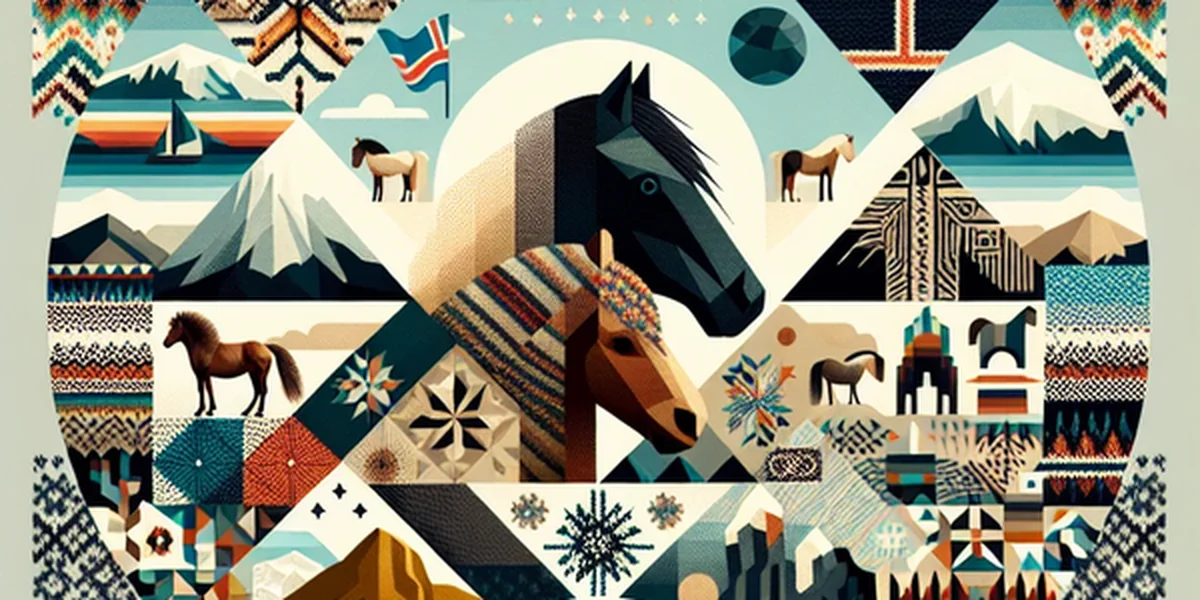
Common symbols include the Icelandic flag, the puffin, and motifs from Norse mythology, such as the Yggdrasil tree.
Sources of joy and happiness in the culture
Current Live Content
(148 chars)
Icelanders find joy in nature, community gatherings, music, and literature. The long summer days and the Northern Lights are particularly cherished.
Celebratory traditions and joyful events
Current Live Content
(192 chars)
Iceland celebrates various festivals, including Þorrablót, a midwinter feast, and Jónsmessa, the midsummer night. These events are marked by traditional foods, music, and community gatherings.
Important holidays and cultural calendar
Current Live Content
(126 chars)
Key holidays include National Day on June 17th, Christmas, and New Year's Eve, celebrated with fireworks and community events.
Additional cultural expression notes
Current Live Content
(156 chars)
Icelandic expression is deeply tied to its natural landscape, inspiring artists and musicians to create works that reflect the country's unique environment.
🏘️ Service Access
Economic context, housing, and nutrition
Economic activities and common occupations
Current Live Content
(166 chars)
Iceland's economy is diverse, with key sectors including tourism, fishing, and renewable energy. The country has a high standard of living and low unemployment rates.
Housing types and living arrangements
Current Live Content
(158 chars)
Most Icelanders live in urban areas, with Reykjavik being the largest city. Housing is generally modern, with a focus on sustainability and energy efficiency.
Dietary practices and nutritional norms
Current Live Content
(168 chars)
The Icelandic diet traditionally includes fish, lamb, and dairy. There is a growing trend towards organic and locally sourced foods, with an emphasis on sustainability.
🗣️ Language Access
Interpretation needs and documentation traditions
Language interpretation requirements
Current Live Content
(177 chars)
While Icelandic is the official language, English is widely spoken, especially in tourism and business sectors. Interpretation services are available for non-Icelandic speakers.
Important notes for interpreters
Current Live Content
(114 chars)
Interpreters should be aware of cultural nuances and the importance of maintaining confidentiality and neutrality.
How the culture documents its history and knowledge
Current Live Content
(185 chars)
Iceland has a strong tradition of documentation, with meticulous record-keeping in both historical and modern contexts. This includes the preservation of sagas and genealogical records.
🌍 Environmental Practices
Environmental practices, sustainability, and climate adaptation
Cultural festivals and celebrations
Current Live Content
(265 chars)
Major Icelandic festivals include Þorrablót, a midwinter festival celebrating traditional foods; National Day on June 17th; and Reykjavík's Culture Night, showcasing local arts and performances. Music festivals like Iceland Airwaves attract international attention.
Traditional medicine practices
Current Live Content
(214 chars)
Traditional Icelandic medicine often included herbal remedies and folklore-based practices. While modern medicine is predominant, there is a renewed interest in exploring and documenting these historical practices.
Environmental stewardship and practices
Current Live Content
(240 chars)
Iceland is a leader in environmental stewardship, utilizing geothermal and hydroelectric power for nearly 100% of its energy needs. Conservation efforts are integral to national policy, focusing on preserving unique landscapes and wildlife.
Important cultural rituals
Current Live Content
(220 chars)
Cultural rituals in Iceland often revolve around nature, such as the celebration of the summer solstice. Traditional Norse ceremonies and modern adaptations coexist, reflecting a blend of history and contemporary values.
Coming-of-age and life transition rituals
Current Live Content
(226 chars)
Common rites of passage include confirmations in the Lutheran Church, which remain popular despite increasing secularization. These ceremonies are often community-focused, reflecting the close-knit nature of Icelandic society.
Food traditions and culinary practices
Current Live Content
(237 chars)
Icelandic cuisine features lamb, dairy, and seafood, with dishes like skyr, hangikjöt (smoked lamb), and fermented shark. Traditional cooking methods often involve smoking, drying, and fermenting, rooted in historical preservation needs.
Strategies for adapting to climate
Current Live Content
(203 chars)
Iceland is actively working on climate adaptation strategies, including sustainable fisheries management, reforestation projects, and research into the effects of climate change on its unique ecosystems.
Efforts to conserve biodiversity
Current Live Content
(215 chars)
Efforts include protecting marine life, restoring native vegetation, and managing land use to preserve Iceland's biodiversity. National parks and protected areas play a crucial role in these conservation strategies.
Sustainable tourism initiatives
Current Live Content
(218 chars)
The tourism industry in Iceland emphasizes sustainability, with initiatives to minimize environmental impact and promote eco-friendly travel options. Community involvement is key to balancing tourism with conservation.
Use of renewable energy sources
Current Live Content
(235 chars)
Iceland's energy policy is a model of renewable energy use, with geothermal and hydropower supplying almost all electricity and heating needs. The country is exploring hydrogen and wind energy to further diversify its energy portfolio.
Community participation in practices
Current Live Content
(184 chars)
Community participation is central to Icelandic cultural and environmental practices, with local groups often leading initiatives in conservation, cultural events, and policy advocacy.
Environmental education initiatives
Current Live Content
(245 chars)
Environmental education is integrated into school curricula, emphasizing the importance of sustainability and conservation. Programs for all ages highlight Iceland's unique natural features and the global importance of environmental stewardship.
🏆 Cultural Contributions
Notable figures, innovations, and global influence
Important cultural figures and leaders
Current Live Content
(254 chars)
Historical figures like Leif Erikson, the explorer credited with reaching North America, and Snorri Sturluson, a medieval historian and poet, are significant. Contemporary figures include musician Björk and author Halldór Laxness, a Nobel Prize laureate.
Cultural innovations and adaptations
Current Live Content
(190 chars)
Iceland has made significant contributions in literature, music, and film. Innovations include the unique Icelandic sagas and a vibrant music scene that blends traditional and modern styles.
Important literary works and oral traditions
Current Live Content
(223 chars)
Icelandic sagas, written during the medieval period, are a cornerstone of the country's literary tradition. Modern literature continues to flourish, with authors exploring themes of nature, isolation, and cultural identity.
Traditional and modern architectural styles
Current Live Content
(251 chars)
Icelandic architecture combines functionalism with natural aesthetics, seen in traditional turf houses and contemporary designs utilizing sustainable materials. The Harpa Concert Hall in Reykjavík is a notable example of modern Icelandic architecture.
Scientific and technological contributions
Current Live Content
(233 chars)
Iceland is a leader in geothermal energy research and volcanic studies, leveraging its unique geological features. The country also contributes to marine biology and environmental science, reflecting its commitment to sustainability.
Innovative culinary practices
Current Live Content
(224 chars)
Icelandic chefs are innovating with local ingredients, creating modern dishes that draw on traditional flavors. The country's culinary scene is gaining international recognition for its emphasis on purity and sustainability.
Global cultural influence
Current Live Content
(190 chars)
Iceland's influence extends globally through its commitment to environmental issues, cultural exports like music and literature, and its role in promoting gender equality and social welfare.
Cultural awards and recognition
Current Live Content
(215 chars)
Iceland has received numerous accolades for its environmental policies and cultural contributions. Notable recognitions include UNESCO World Heritage listings and international awards in literature, music, and film.
💻 Modern Adaptations
Modern influences, technology adoption, and globalization
Modern cultural influences and changes
Current Live Content
(236 chars)
Icelandic culture is influenced by global trends in music, fashion, and technology, while maintaining a strong connection to its roots. International collaborations and digital media play significant roles in these cultural adaptations.
Digital and online cultural presence
Current Live Content
(199 chars)
Iceland is highly connected, with widespread internet access and a strong online presence in creative industries. Digital platforms are used extensively for cultural promotion and social interaction.
Impact of globalization on the culture
Current Live Content
(214 chars)
Globalization has brought both opportunities and challenges, such as increased cultural exchange and economic dependency on tourism. Iceland navigates these effects by balancing openness with cultural preservation.
Impact of urbanization
Current Live Content
(207 chars)
Urbanization, particularly in Reykjavík, has led to economic growth and cultural diversification. This shift poses challenges related to housing, infrastructure, and maintaining traditional community values.
Adoption of modern technology
Current Live Content
(193 chars)
Iceland is a tech-savvy nation, quickly adopting new technologies in various sectors, from renewable energy to digital arts. The tech industry is a key driver of economic growth and innovation.
Hybrid cultural expressions
Current Live Content
(196 chars)
There is a growing trend of blending traditional Icelandic elements with modern influences, seen in music, art, and fashion. This fusion creates unique cultural expressions that resonate globally.
Social media and online engagement
Current Live Content
(208 chars)
Icelanders are active on social media, using platforms to engage with global audiences, promote cultural events, and discuss social issues. Social media is a tool for cultural exchange and community building.
🤝 Intercultural Relations
Interactions with other cultures and exchange programs
How the culture interacts with others
Current Live Content
(457 chars)
Iceland has historically interacted with neighboring Scandinavian countries, sharing cultural and linguistic roots with Norway and Denmark. The country's position in the North Atlantic has also facilitated interactions with the United Kingdom and other European nations. In modern times, Iceland is an active member of international organizations such as the Nordic Council and the European Free Trade Association, promoting cultural and economic exchanges.
Cultural approaches to resolving conflicts
Current Live Content
(262 chars)
Historically, Icelanders utilized the Althing, one of the world's oldest parliaments, as a forum for resolving disputes and passing laws. Traditional practices include mediation and consensus-building, influenced by Norse customs and community-driven approaches.
Cultural exchange initiatives
Current Live Content
(278 chars)
Iceland participates in various cultural exchange programs, including Erasmus+ for students and educators. The Icelandic government supports initiatives that promote cultural understanding through arts and language programs, often collaborating with Nordic countries and the EU.
Trade relationships with other cultures
Current Live Content
(258 chars)
Iceland's trade relations are robust with the European Union, the United States, and China. The country exports fish, aluminum, and renewable energy technology, while importing a wide range of goods. Trade agreements emphasize sustainable and fair practices.
Collaborative artistic initiatives
Current Live Content
(266 chars)
Collaborative efforts in music, art, and film are common between Iceland and other countries, particularly within the Nordic region. Notable projects include music festivals and art exhibitions that feature international artists, fostering cross-cultural creativity.
Cultural perspectives on intercultural marriage
Current Live Content
(228 chars)
Intercultural marriages in Iceland are generally accepted, with an increasing number of Icelanders marrying partners from different cultural backgrounds, reflecting the country's openness and integration with a globalized world.
Collaborative educational programs
Current Live Content
(251 chars)
Icelandic educational institutions collaborate with international universities on research and student exchange programs, focusing on areas such as marine biology, renewable energy, and climate studies, leveraging Iceland's unique natural environment.
🌟 Youth & Future
Youth perspectives, employment trends, and future visions
Perspectives and values of young people
Current Live Content
(232 chars)
Icelandic youth are forward-thinking, valuing sustainability, equality, and innovation. They are highly educated and culturally aware, with aspirations to maintain their country's environmental leadership and social welfare systems.
Youth-focused education programs
Current Live Content
(207 chars)
Education in Iceland emphasizes creativity, critical thinking, and environmental awareness. Recent initiatives focus on digital literacy and STEM fields, preparing students for a rapidly evolving job market.
Anticipated future challenges
Current Live Content
(236 chars)
Iceland faces challenges related to climate change, economic diversification, and maintaining cultural identity amid globalization. Youth are particularly concerned with environmental issues and the sustainability of economic practices.
Employment patterns among youth
Current Live Content
(230 chars)
Employment among Icelandic youth is shifting towards technology, creative industries, and sustainability sectors. There is a strong emphasis on innovation and entrepreneurship, with many young people starting their own businesses.
Cultural visions for the future
Current Live Content
(209 chars)
Icelandic communities envision a future where renewable energy, technological advancement, and cultural preservation coexist. There is a focus on sustainable development and maintaining a high quality of life.
Youth in leadership positions
Current Live Content
(239 chars)
Youth in Iceland are increasingly taking on leadership roles in politics, business, and social movements. There is a strong youth presence in environmental advocacy and digital innovation, influencing national policies and cultural trends.
Youth entrepreneurship and innovation
Current Live Content
(224 chars)
Iceland is known for its vibrant startup scene, particularly in green tech, gaming, and biotech. Young entrepreneurs are driving innovation, supported by government incentives and a strong community of investors and mentors.
🛡️ Challenges & Preservation
Cultural challenges and preservation efforts
Current cultural challenges
Current Live Content
(216 chars)
Current challenges include managing the impacts of climate change, balancing tourism with environmental preservation, and addressing economic vulnerabilities. Cultural identity is also at risk amid global influences.
Efforts to preserve cultural heritage
Current Live Content
(242 chars)
Efforts to preserve Icelandic culture focus on language preservation, supporting traditional arts, and promoting historical education. Government policies and community initiatives aim to safeguard cultural heritage while embracing modernity.