

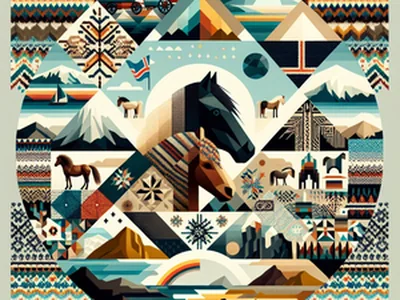
Iceland
Nordic Icelandic
Icelandic culture is characterized by its rich literary tradition, strong sense of community, and deep connection to nature.
Historical Context
Iceland was settled by Norsemen in the 9th century. It has a history of independence, having been under Norwegian and then Danish rule before becoming a republic in 1944.
Migration Patterns
Initial settlement by Norse and Celtic peoples, with limited immigration due to geographic isolation.
Conflict And Resilience History
Iceland has faced natural disasters like volcanic eruptions and harsh climates, fostering a resilient and self-reliant population.
Diaspora Perspectives
The Icelandic diaspora is small but maintains strong cultural ties through literature and festivals.
Regional Variations
Cultural variations are minimal due to the small population, but there are differences in dialects and traditions between urban and rural areas.
Bridging Notes
Icelandic culture bridges traditional Norse elements with modern European influences, maintaining a unique identity.
Spiritual And Religious Practices
Predominantly Lutheran, with a growing interest in Ásatrú, a revival of Norse paganism.
Beliefs And Worldview
Icelanders value egalitarianism, community, and a close relationship with nature. They have a pragmatic and progressive worldview.
Cultural Proverbs Sayings
Common sayings emphasize resilience and the importance of community, such as 'Þetta reddast' (It will all work out).
Naming Conventions And Terms Of Address
Icelanders use patronymics or matronymics instead of surnames, and address each other by first names, even in formal settings.
Health And Mental Health
Iceland has a robust healthcare system with a focus on preventive care. Mental health is increasingly prioritized, with efforts to reduce stigma.
Mental Health Views
Mental health is seen as an important aspect of overall well-being, with increasing openness to discussing mental health issues.
Traditional Healers
While modern medicine is predominant, some traditional practices like herbal remedies are still used.
Gender Roles In Healthcare
Healthcare is gender-inclusive, with equal access for all genders.
Healthcare Barriers
Geographic isolation can limit access to specialized care, but telemedicine is helping to bridge this gap.
Education And Learning Styles
Education is highly valued, with a focus on creativity and critical thinking. The system is egalitarian and inclusive.
Learning Styles
Icelandic education emphasizes hands-on learning and encourages independent thinking.
Parental Engagement
Parents are actively involved in their children's education, often participating in school activities and decision-making.
Family And Social Structure
Family is central to Icelandic life, with strong kinship ties and a supportive community network.
Discipline And Behavior
Discipline is generally gentle and focuses on teaching responsibility and respect.
Authority Attitudes
Icelanders have a relaxed attitude towards authority, valuing equality and open dialogue.
Etiquette And Customs
Icelanders are informal and value punctuality. It is customary to remove shoes indoors and greet with a firm handshake.
Community Strengths Resilience
Community resilience is strong, with a tradition of cooperation and mutual support, especially in rural areas.
Art Music And Expression
Iceland is known for its vibrant music scene, including genres like indie and electronic. Visual arts and literature are also prominent.
Cultural Symbols Motifs
Common symbols include the Icelandic flag, the raven (associated with Norse mythology), and volcanic landscapes.
What Brings Joy
Icelanders find joy in nature, music, literature, and community gatherings.
Celebrations Joyful Traditions
Joyful traditions include Þorrablót (a midwinter festival) and the annual Reykjavík Arts Festival.
Cultural Calendar And Holidays
Key holidays include National Day (June 17), Christmas, and New Year's Eve, celebrated with fireworks and community events.
Additional Notes
Icelandic culture is deeply intertwined with its natural environment, influencing artistic expression and daily life.
Economic Context And Occupations
Iceland's economy is diverse, with key sectors including tourism, fishing, and renewable energy.
Housing And Living Arrangements
Housing is generally of high quality, with a mix of urban apartments and rural homes.
Nutrition And Dietary Norms
The diet is traditionally heavy in fish and lamb, with a growing emphasis on organic and locally sourced foods.
Interpretation Needs
While most Icelanders speak English, interpretation services are available for non-Icelandic speakers.
Interpreter Notes
Interpreters are often used in healthcare and legal settings to ensure clear communication.
Documentation Traditions
Iceland has a strong tradition of written documentation, with a high literacy rate and emphasis on preserving historical records.
Interactions With Other Cultures
Iceland maintains strong cultural ties with other Nordic countries and has a growing interest in global cultural exchanges.
Conflict Resolution Mechanisms
Icelanders prefer dialogue and consensus-building in resolving conflicts.
Cultural Exchange Programs
There are numerous exchange programs with Nordic and European countries, focusing on education and the arts.
Trade Relations
Iceland has robust trade relations, particularly in fish and renewable energy, with Europe and North America.
Shared Artistic Projects
Collaborations in music and film are common with other Nordic countries.
Intercultural Marriages
Intercultural marriages are increasingly common, reflecting Iceland's openness to diversity.
Shared Educational Initiatives
Iceland participates in educational initiatives with other Nordic countries, emphasizing innovation and sustainability.
Youth Perspectives
Icelandic youth are progressive, valuing sustainability and innovation. They are active in social and environmental causes.
Education Initiatives
Initiatives focus on STEM education and creative industries, preparing youth for a globalized economy.
Future Challenges
Challenges include maintaining cultural identity in a globalized world and addressing climate change impacts.
Youth Employment Trends
Youth employment is high in sectors like technology, tourism, and creative industries.
Future Visions
Iceland envisions a future of sustainable development, cultural preservation, and technological innovation.
Youth Leadership Roles
Youth are increasingly taking on leadership roles in politics and social movements.
Innovation And Startups
Iceland has a vibrant startup scene, particularly in tech and renewable energy sectors.
Festivals And Celebrations
Festivals like Þorrablót and the Reykjavík Arts Festival celebrate Icelandic culture and heritage.
Traditional Medicine Practices
Herbal remedies and natural treatments are part of traditional practices, though modern medicine is predominant.
Environmental Practices
Iceland is a leader in renewable energy use, with a strong commitment to environmental conservation.
Rituals
Rituals often involve nature, such as solstice celebrations and sea-related ceremonies.
Rites Of Passage
Common rites include confirmations and graduations, marking transitions in life stages.
Culinary Traditions
Traditional foods include skyr, lamb, and seafood, with a focus on fresh, local ingredients.
Climate Adaptation Strategies
Iceland is adapting to climate change through sustainable practices and renewable energy initiatives.
Biodiversity Conservation
Efforts focus on preserving unique ecosystems and protecting native species.
Sustainable Tourism Practices
Tourism is managed sustainably to protect natural landscapes and cultural heritage.
Renewable Energy Use
Iceland utilizes geothermal and hydroelectric power extensively, leading in renewable energy use.
Community Involvement In Practices
Communities actively participate in environmental conservation and cultural preservation efforts.
Environmental Education Programs
Programs emphasize the importance of sustainability and environmental stewardship.
Notable Figures
Notable figures include Halldór Laxness, a Nobel Prize-winning author, and Björk, an internationally acclaimed musician.
Cultural Innovations
Iceland is known for its innovative music scene and contributions to literature and art.
Literary Works
The Icelandic sagas are a cornerstone of world literature, reflecting the country's rich storytelling tradition.
Architectural Styles
Architecture blends traditional turf houses with modern, minimalist designs.
Scientific Contributions
Iceland contributes to geothermal research and environmental science, leveraging its unique natural resources.
Culinary Innovations
Icelandic cuisine is evolving with a focus on sustainability and local ingredients, gaining international recognition.
Global Influence
Iceland's cultural influence extends globally through its music, literature, and commitment to sustainability.
Awards And Recognition
Iceland has received numerous awards for its environmental efforts and cultural contributions.
Modern Influences
Globalization has brought diverse influences, enriching Icelandic culture while challenging traditional norms.
Digital Presence
Iceland has a strong digital presence, with high internet penetration and active participation in social media.
Globalization Effects
Globalization has increased cultural exchange but also poses challenges to cultural preservation.
Urbanization Effects
Urbanization is concentrated in Reykjavík, leading to a vibrant cultural scene but also housing challenges.
Technology Adoption
Iceland is quick to adopt new technologies, particularly in renewable energy and digital communication.
Hybrid Cultural Forms
Hybrid forms in music and art reflect a blend of traditional and modern influences.
Social Media Presence
Social media is widely used for cultural expression and community engagement.
Challenges
Challenges include balancing modernization with cultural preservation and addressing environmental impacts.
Preservation Efforts
Efforts focus on preserving the Icelandic language and traditional practices amidst globalization.
Cultural Artwork
Community Discussion
Further Reading
Explore credible external sources to deepen your understanding of Iceland culture.