During polar night, Inuit communities live in darkness for months. The Winter Solstice marks the sun's return—a profound moment of hope, renewal, and celebration of light conquering darkness.
Thumbnail image shown on culture cards (recommended: 400x400px, square)
Hero Image
Large banner image for the culture detail page (recommended: 1200x600px,
wide)
📝 Core Information
Essential identifying information about the culture
The official name of the culture being enriched
Max 100 characters 9
A unique alphanumeric code representing the culture
Max 20 characters 2
A concise overview highlighting key attributes
Current Live Content
(253 chars)
Max 500 characters 253
Detailed description of defining characteristics, history, and contributions
Current Live Content
(253 chars)
Hungarian culture is characterized by a unique blend of Eastern and Western influences, with a strong emphasis on family, music, and culinary traditions. It is known for its vibrant folk art, classical music, and contributions to literature and science.
Max 5000 characters 253
Primary geographic area where the culture is located
Languages spoken by the culture
Empty
Cultures with historical, linguistic, or geographic ties
Empty
Alternative names for the culture
Empty
Broader cultural group this culture belongs to
📚 History
Historical context, migration patterns, and regional variations
Long history, roots, and identity development
Current Live Content
(307 chars)
Hungarian history is marked by the establishment of the Kingdom of Hungary in the year 1000, its role in the Austro-Hungarian Empire, and its resilience through various occupations and political changes. The culture has been shaped by influences from the Ottoman Empire, Habsburg Monarchy, and Soviet Union.
Traditional and modern migration movements
Current Live Content
(202 chars)
Hungarians have historically migrated due to political upheavals, economic opportunities, and during the 1956 revolution, leading to significant diaspora communities in North America and Western Europe.
Challenges faced and resilience demonstrated
Current Live Content
(220 chars)
Hungary has faced numerous conflicts, including invasions and occupations, but has shown resilience through cultural preservation and adaptation. The 1956 revolution is a notable example of its struggle for independence.
Perspectives from diaspora communities
Current Live Content
(170 chars)
The Hungarian diaspora maintains strong cultural ties through language, cuisine, and festivals, often forming tight-knit communities that celebrate their heritage abroad.
Variations in dialects and customs across regions
Current Live Content
(149 chars)
Cultural variations exist between regions, such as the distinct dialects and traditions in Transdanubia, the Great Plain, and the Northern Mountains.
Efforts to bridge cultural gaps
Current Live Content
(139 chars)
Hungarian culture acts as a bridge between Eastern and Western Europe, fostering connections through shared history and cultural exchanges.
🙏 Beliefs & Values
Spiritual practices, worldview, and cultural values
Religious practices and their influence on daily life
Current Live Content
(178 chars)
Hungarian culture is predominantly Christian, with Roman Catholicism being the largest denomination. Religious festivals and traditions play a significant role in community life.
Cultural worldview and core beliefs
Current Live Content
(216 chars)
Hungarians value family, community, and tradition, with a strong sense of national identity. There is a deep appreciation for art, music, and literature, reflecting a worldview that balances tradition with modernity.
Important proverbs and sayings
Current Live Content
(158 chars)
Common proverbs include 'Aki mer, az nyer' (He who dares, wins) and 'Türelem rózsát terem' (Patience yields roses), reflecting values of courage and patience.
Naming traditions and terms of address
Current Live Content
(143 chars)
Hungarians typically use the family name first, followed by the given name. Formal titles are important in addressing elders and professionals.
🏥 Health & Wellness
Health practices, mental health views, and healthcare access
Overall health practices and approaches
Current Live Content
(190 chars)
Hungarian healthcare is a mix of public and private services, with a strong emphasis on preventive care. Mental health awareness is growing, with increasing access to psychological services.
Cultural perspectives on mental health
Current Live Content
(122 chars)
Mental health is gradually becoming less stigmatized, with more open discussions and acceptance of therapy and counseling.
Role of traditional healers in the community
Current Live Content
(141 chars)
Traditional herbal remedies and folk medicine practices are still used, particularly in rural areas, complementing modern medical treatments.
How gender influences healthcare access and practices
Current Live Content
(162 chars)
Healthcare roles are traditionally gendered, with women often serving as primary caregivers, though this is changing with more women entering medical professions.
Barriers to accessing healthcare
Current Live Content
(123 chars)
Barriers include regional disparities in healthcare access, long waiting times, and underfunding of public health services.
🎓 Education
Learning styles, educational approaches, and parental engagement
Educational approaches and learning styles
Current Live Content
(148 chars)
Hungarian education emphasizes academic excellence, with a strong focus on sciences and humanities. Critical thinking and creativity are encouraged.
Preferred learning methods and styles
Current Live Content
(131 chars)
Students are encouraged to engage in analytical thinking and problem-solving, with a balance of theoretical and practical learning.
How parents engage in children's education
Current Live Content
(133 chars)
Parents are highly involved in their children's education, often participating in school activities and supporting academic pursuits.
👥 Community & Family
Social structure, family dynamics, and community values
How families and communities are organized
Current Live Content
(151 chars)
Family is the cornerstone of Hungarian society, with strong ties between extended family members. Social gatherings and communal activities are common.
Approaches to discipline and behavioral expectations
Current Live Content
(139 chars)
Discipline is generally strict, with an emphasis on respect for elders and authority. Children are taught to value education and hard work.
Cultural attitudes toward authority
Current Live Content
(125 chars)
Respect for authority is ingrained, though there is a growing trend towards questioning and reforming traditional structures.
Social etiquette and important customs
Current Live Content
(124 chars)
Etiquette is important, with customs such as greeting with a firm handshake and bringing gifts when visiting someone's home.
Community strengths and resilience factors
Current Live Content
(149 chars)
Communities are resilient, often coming together to support each other in times of need, with a strong sense of national pride and cultural identity.
🎨 Art & Expression
Artistic expression, music, celebrations, and cultural symbols
Artistic and musical traditions
Current Live Content
(306 chars)
Hungarian culture is renowned for its contributions to classical music, with composers like Franz Liszt and Béla Bartók. Folk music and dance are vibrant, reflecting the country's diverse heritage. Visual arts, including painting and sculpture, are also significant, with a rich tradition of craftsmanship.
Important cultural symbols and motifs
Current Live Content
(133 chars)
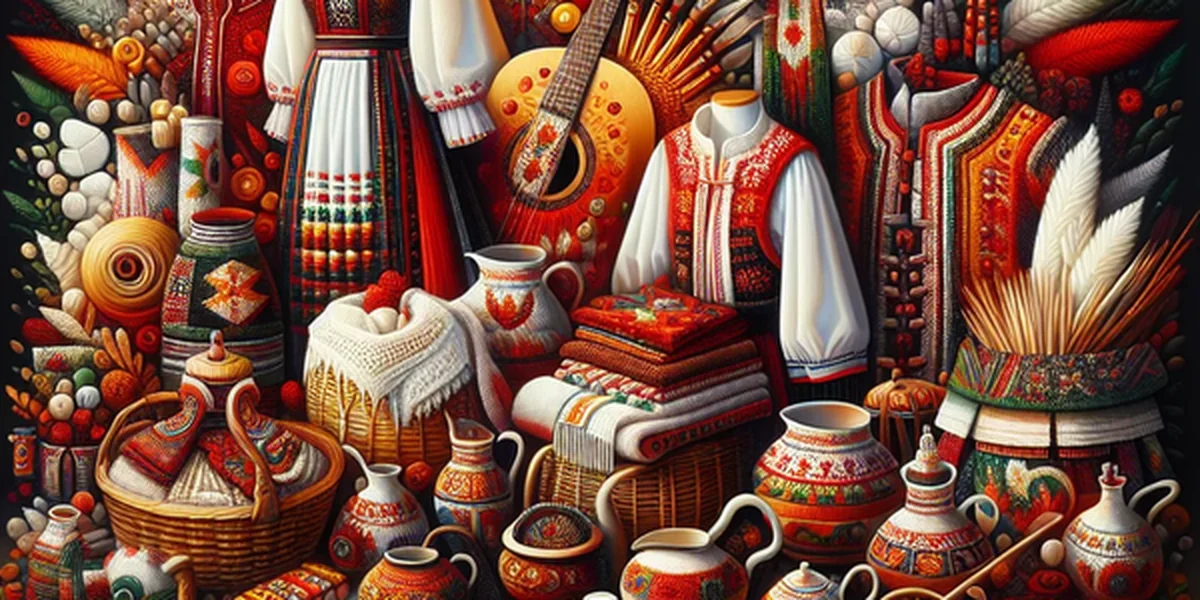
Common symbols include the Hungarian flag, the Turul bird, and motifs from folk art such as intricate embroidery and pottery designs.
Sources of joy and happiness in the culture
Current Live Content
(138 chars)
Hungarians find joy in music, dance, and communal gatherings, as well as in traditional foods and festivals that celebrate their heritage.
Celebratory traditions and joyful events
Current Live Content
(155 chars)
Major celebrations include Easter, Christmas, and national holidays like St. Stephen's Day, which are marked by parades, feasts, and cultural performances.
Important holidays and cultural calendar
Current Live Content
(170 chars)
The cultural calendar includes significant holidays such as March 15th (Revolution Day), August 20th (St. Stephen's Day), and October 23rd (1956 Revolution Memorial Day).
Additional cultural expression notes
Current Live Content
(120 chars)
Hungarian culture is deeply intertwined with its history and geography, influencing its artistic and social expressions.
🏘️ Service Access
Economic context, housing, and nutrition
Economic activities and common occupations
Current Live Content
(156 chars)
Hungary's economy is diverse, with key sectors including manufacturing, agriculture, and services. There is a growing emphasis on technology and innovation.
Housing types and living arrangements
Current Live Content
(129 chars)
Housing varies from urban apartments to rural homes, with a trend towards modern living spaces. Family-oriented living is common.
Dietary practices and nutritional norms
Current Live Content
(143 chars)
Hungarian cuisine is hearty, featuring dishes like goulash and paprika chicken. Meals are often communal, emphasizing fresh, local ingredients.
🗣️ Language Access
Interpretation needs and documentation traditions
Language interpretation requirements
Current Live Content
(109 chars)
Interpretation services are needed for non-Hungarian speakers, particularly in healthcare and legal settings.
Important notes for interpreters
Current Live Content
(106 chars)
Interpreters should be aware of cultural nuances and formal language use, especially in official contexts.
How the culture documents its history and knowledge
Current Live Content
(129 chars)
Documentation is typically formal, with a preference for written records and official stamps in legal and bureaucratic processes.
🌍 Environmental Practices
Environmental practices, sustainability, and climate adaptation
Cultural festivals and celebrations
Current Live Content
(144 chars)
Major festivals include the Budapest Spring Festival, Sziget Festival, and Busójárás in Mohács, showcasing music, arts, and traditional customs.
Traditional medicine practices
Current Live Content
(136 chars)
Traditional medicine practices include herbal remedies and thermal baths, with roots in folk traditions and natural wellness approaches.
Environmental stewardship and practices
Current Live Content
(133 chars)
Hungary emphasizes environmental stewardship through conservation programs and EU-aligned policies on pollution and waste management.
Important cultural rituals
Current Live Content
(139 chars)
Important cultural rituals include the celebration of name days, wedding ceremonies, and Easter traditions like 'sprinkling' (locsolkodás).
Coming-of-age and life transition rituals
Current Live Content
(141 chars)
Coming-of-age ceremonies are less formalized but often celebrated through family gatherings and religious confirmations for some communities.
Food traditions and culinary practices
Current Live Content
(133 chars)
Traditional foods include goulash, paprika chicken, and chimney cake (kürtőskalács), often prepared with locally sourced ingredients.
Strategies for adapting to climate
Current Live Content
(127 chars)
Adaptation strategies focus on improving water management and agricultural practices to mitigate the effects of climate change.
Efforts to conserve biodiversity
Current Live Content
(126 chars)
Biodiversity protection efforts include national parks like Hortobágy and Kiskunság, preserving native species and ecosystems.
Sustainable tourism initiatives
Current Live Content
(121 chars)
Sustainable tourism is promoted through eco-friendly accommodations and tours, emphasizing cultural and natural heritage.
Use of renewable energy sources
Current Live Content
(120 chars)
Renewable energy use is growing, with investments in solar, wind, and biomass energy to reduce reliance on fossil fuels.
Community participation in practices
Current Live Content
(125 chars)
Communities actively participate in preserving cultural traditions through local festivals, crafts, and educational programs.
Environmental education initiatives
Current Live Content
(149 chars)
Environmental education is integrated into school curricula, with programs like 'Green Kindergarten' promoting ecological awareness from a young age.
🏆 Cultural Contributions
Notable figures, innovations, and global influence
Important cultural figures and leaders
Current Live Content
(206 chars)
Important figures include composer Franz Liszt, physicist Albert Szent-Györgyi, and inventor László Bíró. Contemporary figures like writer Péter Esterházy and film director László Nemes are also celebrated.
Cultural innovations and adaptations
Current Live Content
(127 chars)
Significant cultural innovations include the development of the Rubik's Cube by Ernő Rubik and contributions to music and arts.
Important literary works and oral traditions
Current Live Content
(131 chars)
Important literature includes works by Sándor Petőfi and Imre Kertész, with rich oral traditions preserved in folk tales and songs.
Traditional and modern architectural styles
Current Live Content
(150 chars)
Distinctive architectural features include the Gothic and Baroque styles seen in Budapest, and traditional Hungarian folk architecture in rural areas.
Scientific and technological contributions
Current Live Content
(135 chars)
Scientific achievements include the discovery of Vitamin C by Albert Szent-Györgyi and advancements in mathematics by John von Neumann.
Innovative culinary practices
Current Live Content
(123 chars)
Notable culinary contributions include the popularization of paprika and innovations in pastry making, such as Dobos torte.
Global cultural influence
Current Live Content
(141 chars)
Hungary's influence on global culture is evident through its contributions to music, science, and cuisine, as well as its vibrant arts scene.
Cultural awards and recognition
Current Live Content
(113 chars)
Hungarians have received international recognition, including Nobel Prizes in Physics, Chemistry, and Literature.
💻 Modern Adaptations
Modern influences, technology adoption, and globalization
Modern cultural influences and changes
Current Live Content
(131 chars)
Contemporary influences include Western pop culture, digital media, and international cuisine, blending with traditional practices.
Digital and online cultural presence
Current Live Content
(112 chars)
Hungary has a strong digital presence with active participation in social media and a growing e-commerce sector.
Impact of globalization on the culture
Current Live Content
(123 chars)
Globalization has led to increased cultural exchange, economic integration, and challenges in preserving cultural identity.
Impact of urbanization
Current Live Content
(116 chars)
Urbanization has transformed cities like Budapest, leading to infrastructure development and socio-economic changes.
Adoption of modern technology
Current Live Content
(115 chars)
Integration of technology is widespread in education, industry, and daily life, with a focus on digital innovation.
Hybrid cultural expressions
Current Live Content
(118 chars)
Fusion of traditional and modern elements is seen in music, fashion, and art, reflecting a dynamic cultural evolution.
Social media and online engagement
Current Live Content
(129 chars)
Social media engagement is significant, with platforms like Facebook and Instagram used for cultural expression and connectivity.
🤝 Intercultural Relations
Interactions with other cultures and exchange programs
How the culture interacts with others
Current Live Content
(429 chars)
Hungary, located at the heart of Europe, has a rich history of interaction with neighboring cultures, particularly due to its strategic location. Historically, the Ottoman Empire, the Austro-Hungarian Empire, and the Soviet Union have influenced its cultural landscape. In recent years, Hungary has fostered closer ties with the Visegrád Group, which includes Slovakia, Czech Republic, and Poland, promoting regional cooperation.
Cultural approaches to resolving conflicts
Current Live Content
(324 chars)
Traditional Hungarian conflict resolution methods often involve community elders or respected figures mediating disputes. Historically, decisions were made through local assemblies, known as 'megyei közgyűlés,' where community input was valued. In modern times, legal frameworks and EU regulations guide conflict resolution.
Cultural exchange initiatives
Current Live Content
(254 chars)
Hungary participates in several cultural exchange initiatives, such as the Erasmus+ program, facilitating student and staff exchanges across Europe. The Balassi Institute promotes Hungarian culture abroad, organizing cultural events and language courses.
Trade relationships with other cultures
Current Live Content
(240 chars)
Hungary has strong trade relations with EU countries, especially Germany, Austria, and Italy. It also maintains significant trade partnerships with countries like China and Russia, focusing on machinery, electronics, and automotive exports.
Collaborative artistic initiatives
Current Live Content
(223 chars)
Collaborative artistic endeavors include partnerships with neighboring countries in film and theater. The Budapest International Documentary Festival often features joint projects, fostering regional artistic collaboration.
Cultural perspectives on intercultural marriage
Current Live Content
(212 chars)
Intercultural marriages in Hungary are increasingly common, reflecting a growing acceptance of diverse cultural backgrounds. Legal frameworks support such unions, though cultural integration challenges may arise.
Collaborative educational programs
Current Live Content
(184 chars)
Shared educational initiatives include the Central European University in Budapest, which attracts students and faculty from around the world, promoting a diverse academic environment.
🌟 Youth & Future
Youth perspectives, employment trends, and future visions
Perspectives and values of young people
Current Live Content
(209 chars)
Hungarian youth are increasingly global-minded, valuing education, technology, and sustainable practices. They aspire to balance tradition with modernity, seeking opportunities for international collaboration.
Youth-focused education programs
Current Live Content
(183 chars)
Education priorities focus on STEM fields, digital literacy, and language learning. Programs like 'Útravaló' support disadvantaged students, promoting equal educational opportunities.
Anticipated future challenges
Current Live Content
(188 chars)
Anticipated challenges include economic disparities, brain drain, and adapting to technological advancements. Addressing climate change and environmental sustainability remains a priority.
Employment patterns among youth
Current Live Content
(192 chars)
Youth employment trends show a shift towards technology and service sectors. Startups and entrepreneurship are increasingly popular, supported by government initiatives like 'Startup Hungary.'
Cultural visions for the future
Current Live Content
(158 chars)
Future visions emphasize sustainable development, innovation, and cultural preservation. Youth-driven movements advocate for environmental and social justice.
Youth in leadership positions
Current Live Content
(126 chars)
Youth are taking on leadership roles in NGOs, startups, and political movements, influencing policy and community development.
Youth entrepreneurship and innovation
Current Live Content
(195 chars)
Hungary's startup scene is vibrant, with Budapest emerging as a tech hub. Initiatives like 'Design Terminal' support young entrepreneurs, fostering innovation in sectors like fintech and biotech.
🛡️ Challenges & Preservation
Cultural challenges and preservation efforts
Current cultural challenges
Current Live Content
(141 chars)
Current challenges include balancing modernization with cultural preservation, addressing socio-economic disparities, and managing migration.
Efforts to preserve cultural heritage
Current Live Content
(141 chars)
Efforts to preserve cultural heritage involve government initiatives, UNESCO World Heritage site designations, and community-driven projects.