During polar night, Inuit communities live in darkness for months. The Winter Solstice marks the sun's return—a profound moment of hope, renewal, and celebration of light conquering darkness.
Thumbnail image shown on culture cards (recommended: 400x400px, square)
Hero Image
Large banner image for the culture detail page (recommended: 1200x600px,
wide)
📝 Core Information
Essential identifying information about the culture
The official name of the culture being enriched
Max 100 characters 8
A unique alphanumeric code representing the culture
Max 20 characters 3
A concise overview highlighting key attributes
Current Live Content
(224 chars)
Max 500 characters 224
Detailed description of defining characteristics, history, and contributions
Current Live Content
(224 chars)
Filipino culture is a tapestry of diverse influences, shaped by centuries of colonization and trade. It is known for its warmth, resilience, and adaptability, with a strong emphasis on family, community, and religious faith.
Max 5000 characters 224
Primary geographic area where the culture is located
Languages spoken by the culture
Empty
Cultures with historical, linguistic, or geographic ties
Empty
Alternative names for the culture
Empty
Broader cultural group this culture belongs to
📚 History
Historical context, migration patterns, and regional variations
Long history, roots, and identity development
Current Live Content
(289 chars)
The Philippines has a rich history marked by the influence of various cultures, including indigenous tribes, Spanish colonization, American rule, and Japanese occupation. Each period has left a distinct mark on the nation's cultural and social fabric, contributing to its diverse heritage.
Traditional and modern migration movements
Current Live Content
(249 chars)
Filipinos have a long history of migration, both within the archipelago and internationally. Overseas Filipino Workers (OFWs) are a significant part of the diaspora, contributing to the global economy and maintaining strong ties with their homeland.
Challenges faced and resilience demonstrated
Current Live Content
(220 chars)
The Philippines has faced numerous conflicts, from colonial wars to internal strife. Despite these challenges, Filipinos have shown remarkable resilience, often using humor and community solidarity to overcome adversity.
Perspectives from diaspora communities
Current Live Content
(226 chars)
The Filipino diaspora is known for its strong sense of community and cultural pride. Filipinos abroad maintain cultural traditions and support their families through remittances, playing a crucial role in the nation's economy.
Variations in dialects and customs across regions
Current Live Content
(208 chars)
The Philippines is home to diverse ethnic groups, each with unique traditions and languages. Regional variations are evident in festivals, cuisine, and dialects, reflecting the country's rich cultural mosaic.
Efforts to bridge cultural gaps
Current Live Content
(237 chars)
Understanding the historical context of the Philippines is essential for appreciating its cultural diversity and the resilience of its people. Bridging cultural gaps involves recognizing the shared values of family, faith, and community.
🙏 Beliefs & Values
Spiritual practices, worldview, and cultural values
Religious practices and their influence on daily life
Current Live Content
(194 chars)
Catholicism is the predominant religion, deeply influencing Filipino values and traditions. Other religions, such as Islam and indigenous beliefs, also play significant roles in various regions.
Cultural worldview and core beliefs
Current Live Content
(227 chars)
Filipinos value family, respect for elders, and community. The concept of 'bayanihan' reflects a spirit of communal unity and cooperation. Filipinos often view life with optimism and resilience, finding joy in simple pleasures.
Important proverbs and sayings
Current Live Content
(194 chars)
Common proverbs include 'Bahala na' (Leave it to fate) and 'Nasa Diyos ang awa, nasa tao ang gawa' (God helps those who help themselves), reflecting a blend of faith and personal responsibility.
Naming traditions and terms of address
Current Live Content
(205 chars)
Filipinos often use titles like 'Kuya' (older brother) and 'Ate' (older sister) as terms of respect. Naming conventions may include Spanish influences, with many having both a given name and a family name.
🏥 Health & Wellness
Health practices, mental health views, and healthcare access
Overall health practices and approaches
Current Live Content
(217 chars)
Health practices in the Philippines blend modern medicine with traditional healing. Mental health awareness is growing, though stigma remains a challenge. Community support plays a vital role in health and well-being.
Cultural perspectives on mental health
Current Live Content
(206 chars)
Mental health is often viewed through a lens of resilience and community support. While traditional beliefs may stigmatize mental illness, there is increasing acceptance and advocacy for mental health care.
Role of traditional healers in the community
Current Live Content
(179 chars)
Albularyos (herbalists) and hilots (traditional healers) are still consulted, especially in rural areas. They use herbal remedies and massage techniques to treat various ailments.
How gender influences healthcare access and practices
Current Live Content
(169 chars)
Women often serve as primary caregivers in families, influencing health decisions. Gender roles in healthcare are evolving, with more women entering medical professions.
Barriers to accessing healthcare
Current Live Content
(182 chars)
Barriers include economic constraints, geographic access in rural areas, and cultural beliefs. Efforts are underway to improve healthcare access and education across the archipelago.
🎓 Education
Learning styles, educational approaches, and parental engagement
Educational approaches and learning styles
Current Live Content
(184 chars)
Education is highly valued, with a strong emphasis on academic achievement. Learning often involves rote memorization, but there is a growing focus on critical thinking and creativity.
Preferred learning methods and styles
Current Live Content
(173 chars)
Filipino students tend to be collaborative and respectful of authority. Visual and auditory learning styles are common, with an emphasis on group activities and discussions.
How parents engage in children's education
Current Live Content
(180 chars)
Parents are actively involved in their children's education, often attending school events and supporting academic pursuits. Education is seen as a pathway to better opportunities.
👥 Community & Family
Social structure, family dynamics, and community values
How families and communities are organized
Current Live Content
(179 chars)
The family is the cornerstone of Filipino society, often extending to include distant relatives. Social structures are hierarchical, with respect for elders and authority figures.
Approaches to discipline and behavioral expectations
Current Live Content
(173 chars)
Discipline is often enforced through verbal reprimands and guidance, with an emphasis on respect and obedience. Corporal punishment is less common and generally discouraged.
Cultural attitudes toward authority
Current Live Content
(164 chars)
Filipinos generally respect authority figures, including elders, teachers, and government officials. This respect is rooted in cultural values and social hierarchy.
Social etiquette and important customs
Current Live Content
(161 chars)
Filipinos are known for their hospitality and politeness. Common customs include using 'po' and 'opo' to show respect, and removing shoes before entering a home.
Community strengths and resilience factors
Current Live Content
(191 chars)
Community resilience is evident in the spirit of 'bayanihan,' where neighbors help each other in times of need. This collective support system strengthens social bonds and fosters resilience.
🎨 Art & Expression
Artistic expression, music, celebrations, and cultural symbols
Artistic and musical traditions
Current Live Content
(225 chars)
Filipino art and music are vibrant and diverse, reflecting indigenous, Spanish, and American influences. Traditional dances like the Tinikling and music genres such as Kundiman are celebrated alongside modern pop and hip-hop.
Important cultural symbols and motifs
Current Live Content
(174 chars)
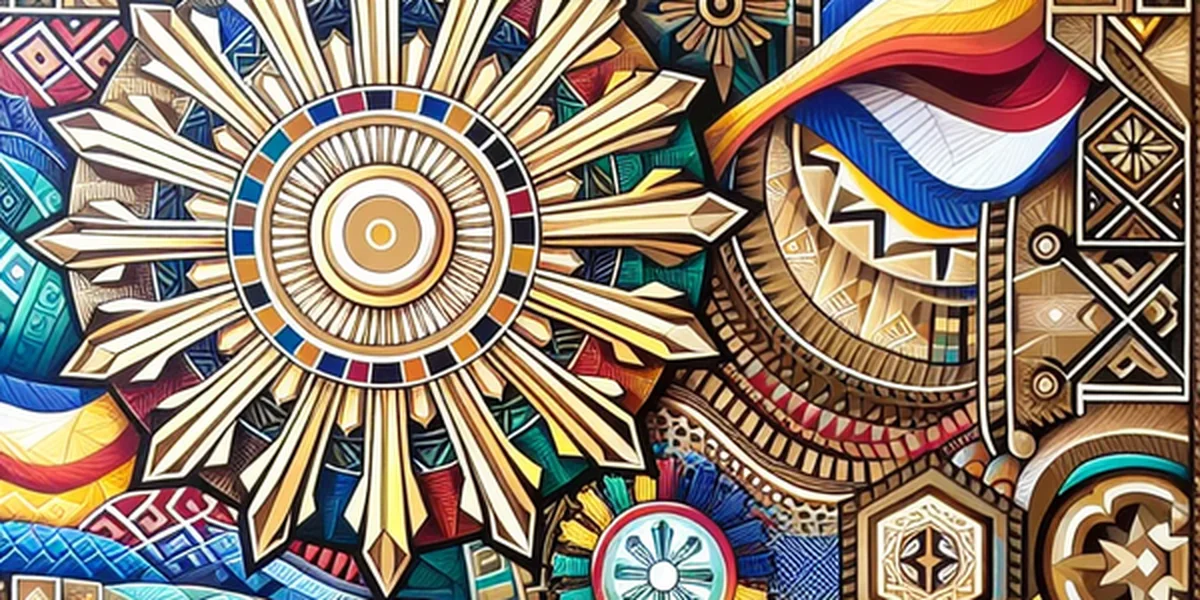
Common symbols include the jeepney, a colorful mode of transport, and the bahay kubo, a traditional house. The sun and stars on the national flag represent freedom and unity.
Sources of joy and happiness in the culture
Current Live Content
(158 chars)
Filipinos find joy in family gatherings, music, and food. Celebrations and festivals, such as fiestas, are occasions for communal joy and cultural expression.
Celebratory traditions and joyful events
Current Live Content
(162 chars)
Fiestas, Christmas, and New Year are celebrated with enthusiasm, featuring parades, music, and feasts. These events highlight the community's joy and hospitality.
Important holidays and cultural calendar
Current Live Content
(155 chars)
Major holidays include Christmas, Easter, and Independence Day. Each region also celebrates local fiestas, honoring patron saints with vibrant festivities.
Additional cultural expression notes
Current Live Content
(145 chars)
Filipino culture is characterized by its adaptability and openness to new influences, while maintaining a strong sense of identity and tradition.
🏘️ Service Access
Economic context, housing, and nutrition
Economic activities and common occupations
Current Live Content
(176 chars)
The economy is diverse, with agriculture, manufacturing, and services as key sectors. Many Filipinos work abroad, contributing significantly to the economy through remittances.
Housing types and living arrangements
Current Live Content
(137 chars)
Housing varies from urban high-rises to rural nipa huts. Extended families often live together, reflecting the importance of family ties.
Dietary practices and nutritional norms
Current Live Content
(170 chars)
Rice is a staple food, often accompanied by fish, meat, and vegetables. Filipino cuisine is known for its bold flavors, with dishes like adobo and sinigang being popular.
🗣️ Language Access
Interpretation needs and documentation traditions
Language interpretation requirements
Current Live Content
(138 chars)
While Filipino and English are widely spoken, interpretation may be needed for regional languages and dialects, especially in rural areas.
Important notes for interpreters
Current Live Content
(122 chars)
Interpreters should be aware of cultural nuances and respect the hierarchical nature of communication in Filipino culture.
How the culture documents its history and knowledge
Current Live Content
(168 chars)
Oral traditions are strong, with stories and history often passed down verbally. Written documentation is becoming more prevalent with increased literacy and education.
🌍 Environmental Practices
Environmental practices, sustainability, and climate adaptation
Cultural festivals and celebrations
Current Live Content
(163 chars)
Major festivals include the Sinulog, Ati-Atihan, and Pahiyas, which showcase vibrant parades, traditional dances, and the Filipino spirit of community celebration.
Traditional medicine practices
Current Live Content
(153 chars)
Traditional healing practices such as 'hilot' (massage therapy) and the use of herbal medicine remain prevalent, often integrated with modern healthcare.
Environmental stewardship and practices
Current Live Content
(170 chars)
Environmental stewardship is emphasized through community clean-up drives, tree planting, and initiatives like 'Bayanihan sa Daan' to promote road safety and cleanliness.
Important cultural rituals
Current Live Content
(167 chars)
Important cultural rituals include the 'Simbang Gabi' (dawn mass) during Christmas and the 'Flores de Mayo' (flowers of May), highlighting the deep Catholic influence.
Coming-of-age and life transition rituals
Current Live Content
(141 chars)
Rites of passage such as 'baptism', 'debuts' for young women, and 'fiestas' marking significant life events are integral to Filipino society.
Food traditions and culinary practices
Current Live Content
(155 chars)
Traditional foods include 'adobo', 'sinigang', and 'lechon', with cooking methods often involving slow cooking and the use of local spices and ingredients.
Strategies for adapting to climate
Current Live Content
(149 chars)
Adaptation strategies to climate change include disaster preparedness programs, sustainable agriculture practices, and community resilience building.
Efforts to conserve biodiversity
Current Live Content
(149 chars)
Efforts to protect biodiversity are supported by initiatives like the 'Tubbataha Reefs Natural Park' and 'Apo Reef', focusing on marine conservation.
Sustainable tourism initiatives
Current Live Content
(130 chars)
Sustainable tourism is promoted through eco-tourism initiatives that protect natural resources while supporting local communities.
Use of renewable energy sources
Current Live Content
(126 chars)
The Philippines is investing in renewable energy, particularly geothermal and solar power, to reduce reliance on fossil fuels.
Community participation in practices
Current Live Content
(145 chars)
Community participation is crucial in cultural practices, with 'bayanihan' (community spirit) being a guiding principle in collective activities.
Environmental education initiatives
Current Live Content
(128 chars)
Environmental education is integrated into school curricula and community programs, emphasizing sustainability and conservation.
🏆 Cultural Contributions
Notable figures, innovations, and global influence
Important cultural figures and leaders
Current Live Content
(164 chars)
Important figures include José Rizal, a national hero; Fernando Amorsolo, a renowned visual artist; and contemporary figures like Pia Wurtzbach, Miss Universe 2015.
Cultural innovations and adaptations
Current Live Content
(132 chars)
Significant innovations include the 'bamboo organ', unique to Las Piñas, and the 'jeepney', an iconic mode of public transportation.
Important literary works and oral traditions
Current Live Content
(148 chars)
Important literature includes José Rizal's 'Noli Me Tangere' and 'El Filibusterismo', as well as the rich oral traditions of the indigenous peoples.
Traditional and modern architectural styles
Current Live Content
(171 chars)
Distinctive architectural features include the 'bahay kubo' (nipa hut) and the Spanish colonial 'bahay na bato', reflecting a fusion of indigenous and colonial influences.
Scientific and technological contributions
Current Live Content
(132 chars)
Scientific achievements include the development of rice varieties by Filipino scientists and contributions to biodiversity research.
Innovative culinary practices
Current Live Content
(158 chars)
Notable contributions include the popular 'fusion cuisine' that combines Filipino flavors with international influences, like 'sushi bake' and 'ube pandesal'.
Global cultural influence
Current Live Content
(182 chars)
The Philippines has a global cultural influence, particularly through its diaspora, Filipino cuisine, and music such as the global success of artists like Bruno Mars and Lea Salonga.
Cultural awards and recognition
Current Live Content
(152 chars)
Notable awards include the Ramon Magsaysay Award, considered Asia's Nobel Prize, recognizing outstanding contributions to public service and leadership.
💻 Modern Adaptations
Modern influences, technology adoption, and globalization
Modern cultural influences and changes
Current Live Content
(135 chars)
Contemporary influences include Western pop culture, Korean entertainment, and digital technology, which shape modern Filipino culture.
Digital and online cultural presence
Current Live Content
(116 chars)
The Philippines has a significant digital presence, with high social media engagement and a growing digital economy.
Impact of globalization on the culture
Current Live Content
(156 chars)
Globalization has led to cultural exchanges, increased consumerism, and a blending of traditions, challenging traditional values while fostering innovation.
Impact of urbanization
Current Live Content
(162 chars)
Urbanization has transformed cities, leading to infrastructure development and increased opportunities, but also challenges like congestion and social inequality.
Adoption of modern technology
Current Live Content
(139 chars)
Technology is widely adopted, with the Philippines being one of the fastest adopters of mobile and internet technologies in Southeast Asia.
Hybrid cultural expressions
Current Live Content
(123 chars)
Fusion of traditional and modern elements is evident in music, fashion, and art, blending indigenous and global influences.
Social media and online engagement
Current Live Content
(155 chars)
Social media engagement is high, with platforms like Facebook and Instagram playing a significant role in communication, activism, and cultural expression.
🤝 Intercultural Relations
Interactions with other cultures and exchange programs
How the culture interacts with others
Current Live Content
(447 chars)
The Philippines has a long history of intercultural interactions due to its strategic location in Southeast Asia. Influences from Chinese, Indian, Arab, and Japanese traders are evident in Filipino culture, alongside the significant impact of Spanish colonization and American occupation. Today, the Philippines maintains robust cultural ties with ASEAN countries, as well as strong connections with the United States and several European nations.
Cultural approaches to resolving conflicts
Current Live Content
(289 chars)
Traditional methods of resolving conflicts in Filipino culture include 'ub-uf', which involves community elders mediating disputes, and the use of 'pulong-pulong', a community assembly to discuss and settle conflicts. These practices emphasize consensus-building and community involvement.
Cultural exchange initiatives
Current Live Content
(288 chars)
Cultural exchange programs such as the Filipino-American cultural exchange facilitate understanding and collaboration between Filipino communities and other global cultures. Initiatives like the Philippine International Arts Festival promote artistic exchanges with international artists.
Trade relationships with other cultures
Current Live Content
(236 chars)
The Philippines engages in trade with a variety of nations, with strong economic ties to China, Japan, the United States, and neighboring ASEAN countries. These relationships are not only economic but also facilitate cultural exchanges.
Collaborative artistic initiatives
Current Live Content
(237 chars)
Collaborative artistic endeavors include international film co-productions, joint musical performances between Filipino and foreign artists, and participation in global art exhibitions, showcasing the Philippines' rich cultural heritage.
Cultural perspectives on intercultural marriage
Current Live Content
(214 chars)
Intercultural marriages are common in the Philippines due to its history of foreign interactions. These marriages are generally accepted, and Filipinos often celebrate the blending of different cultural traditions.
Collaborative educational programs
Current Live Content
(208 chars)
Joint educational programs such as those involving ASEAN and various university partnerships provide opportunities for cultural exchange and academic collaboration between Filipino and international students.
🌟 Youth & Future
Youth perspectives, employment trends, and future visions
Perspectives and values of young people
Current Live Content
(206 chars)
Filipino youth are increasingly focused on technology, entrepreneurship, and education. They value global connections and aspire to contribute positively to society while preserving their cultural identity.
Youth-focused education programs
Current Live Content
(185 chars)
Education programs prioritize STEM fields, digital literacy, and technical-vocational education. Initiatives like K-12 reform aim to enhance the quality of education in the Philippines.
Anticipated future challenges
Current Live Content
(188 chars)
Anticipated challenges include addressing climate change impacts, improving economic opportunities, and combating social inequality. The youth play a crucial role in tackling these issues.
Employment patterns among youth
Current Live Content
(192 chars)
There is a growing demand for jobs in tech, BPO, and creative industries. However, underemployment remains a challenge, prompting government efforts to align education with labor market needs.
Cultural visions for the future
Current Live Content
(160 chars)
Community visions for the future include sustainable development, enhanced global participation, and the preservation of cultural heritage amidst modernization.
Youth in leadership positions
Current Live Content
(150 chars)
Youth are increasingly taking on leadership roles through student government, civic organizations, and startups, driving social change and innovation.
Youth entrepreneurship and innovation
Current Live Content
(173 chars)
Youth-driven innovation is evident in the rise of tech startups and social enterprises. Programs like 'Go Negosyo' support entrepreneurial initiatives among young Filipinos.
🛡️ Challenges & Preservation
Cultural challenges and preservation efforts
Current cultural challenges
Current Live Content
(149 chars)
Current challenges include preserving cultural identity amidst globalization, addressing economic inequality, and managing environmental degradation.
Efforts to preserve cultural heritage
Current Live Content
(188 chars)
Efforts to preserve cultural heritage include initiatives by the National Commission for Culture and the Arts (NCCA) and UNESCO recognition of sites and practices of cultural significance.