
Western Sahara
North Africa Hassaniya ArabicSpanish
The culture of Western Sahara is deeply influenced by its Sahrawi Arab heritage, with a strong emphasis on nomadic traditions, oral storytelling, and a rich tapestry of music and poetry.
Historical Context
Western Sahara has a complex history marked by Spanish colonization, a struggle for independence, and ongoing territorial disputes primarily involving Morocco and the Polisario Front.
Migration Patterns
Historically, the Sahrawi people have been nomadic, moving across the desert regions of Western Sahara, Mauritania, and Algeria.
Conflict And Resilience History
The region has experienced prolonged conflict, particularly since the mid-20th century, leading to a strong sense of resilience and community solidarity among the Sahrawi people.
Diaspora Perspectives
The Sahrawi diaspora is significant, with many living in refugee camps in Algeria, maintaining cultural ties through traditional practices and advocacy for their homeland.
Regional Variations
Cultural practices can vary slightly between the coastal and inland regions, influenced by trade routes and historical interactions.
Bridging Notes
Efforts to bridge cultural gaps focus on dialogue and cultural exchanges between Sahrawis and neighboring communities.
Spiritual And Religious Practices
Islam is the predominant religion, with practices deeply integrated into daily life, including prayer, fasting during Ramadan, and community gatherings.
Beliefs And Worldview
The Sahrawi worldview is shaped by a strong sense of identity, community, and a connection to the land, with an emphasis on hospitality and honor.
Cultural Proverbs Sayings
Proverbs often reflect themes of resilience, patience, and the importance of community, such as 'Patience is the key to paradise.'
Naming Conventions And Terms Of Address
Names often reflect Islamic heritage, with respectful terms of address used for elders and community leaders.
Health And Mental Health
Access to healthcare can be limited, particularly in refugee camps, with traditional medicine playing a role in health practices.
Mental Health Views
Mental health is often approached through community support and traditional practices, with a growing awareness of modern mental health concepts.
Traditional Healers
Traditional healers, known as 'marabouts,' are respected for their knowledge of herbal remedies and spiritual healing.
Gender Roles In Healthcare
Women often play a central role in family health, though access to healthcare professionals can be limited.
Healthcare Barriers
Barriers include limited infrastructure, economic constraints, and political instability affecting access to services.
Education And Learning Styles
Education is valued, with a focus on oral traditions and storytelling as key learning methods, alongside formal education in schools.
Learning Styles
Learning often involves communal activities, storytelling, and practical experiences, reflecting the oral traditions of the culture.
Parental Engagement
Parents are actively involved in their children's education, emphasizing the importance of cultural and religious teachings.
Family And Social Structure
The family is the cornerstone of Sahrawi society, with extended families living together and supporting each other.
Discipline And Behavior
Discipline is often community-based, with elders playing a significant role in guiding behavior and resolving conflicts.
Authority Attitudes
Respect for elders and community leaders is paramount, with decisions often made collectively.
Etiquette And Customs
Hospitality is a key custom, with guests treated with great respect and generosity.
Community Strengths Resilience
The community's resilience is evident in their ability to maintain cultural practices and solidarity despite political and economic challenges.
Art Music And Expression
Music and poetry are central to cultural expression, with traditional instruments like the 'tidinit' and 'tbal' used in performances.
Cultural Symbols Motifs
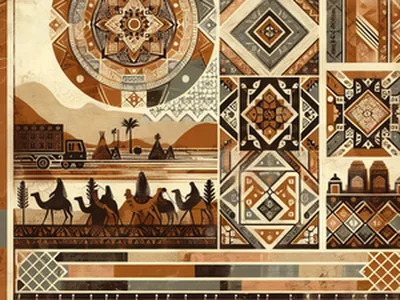
Symbols such as the camel and desert landscapes are common motifs, representing endurance and the nomadic lifestyle.
What Brings Joy
Community gatherings, music, and storytelling bring joy, fostering a sense of belonging and cultural pride.
Celebrations Joyful Traditions
Celebrations often revolve around Islamic festivals, weddings, and community events, marked by music, dance, and feasting.
Cultural Calendar And Holidays
Key holidays include Eid al-Fitr and Eid al-Adha, celebrated with communal prayers and feasts.
Additional Notes
Cultural expression is a vital part of identity, with efforts to preserve traditional arts and crafts.
Economic Context And Occupations
The economy is largely based on pastoralism, with some involvement in trade and crafts, though economic opportunities are limited by political factors.
Housing And Living Arrangements
Many Sahrawis live in traditional tents or simple structures, particularly in refugee camps, reflecting their nomadic heritage.
Nutrition And Dietary Norms
The diet is influenced by available resources, with staples like couscous, dates, and camel milk being common.
Interpretation Needs
Interpretation services are often needed for Hassaniya Arabic speakers in international contexts.
Interpreter Notes
Interpreters should be aware of cultural nuances and the importance of respectful communication.
Documentation Traditions
Oral traditions are strong, with storytelling and poetry being key methods of cultural documentation.
Interactions With Other Cultures
Interactions are shaped by historical trade routes and modern political dynamics, with efforts to foster understanding and cooperation.
Conflict Resolution Mechanisms
Traditional conflict resolution involves community elders and dialogue, emphasizing reconciliation and collective decision-making.
Cultural Exchange Programs
Programs focus on sharing Sahrawi culture with the world, often through arts and educational initiatives.
Trade Relations
Trade is limited due to political constraints, but historically involved exchanges with neighboring regions.
Shared Artistic Projects
Collaborations often focus on music and visual arts, highlighting shared cultural themes.
Intercultural Marriages
Intercultural marriages occur, often involving neighboring cultures, with a focus on mutual respect and understanding.
Shared Educational Initiatives
Educational initiatives aim to promote cultural understanding and support Sahrawi youth in accessing broader educational opportunities.
Youth Perspectives
Sahrawi youth are increasingly engaged in cultural preservation and advocacy for their rights and future.
Education Initiatives
Initiatives focus on improving access to education, particularly in refugee camps, and integrating cultural teachings.
Future Challenges
Challenges include political instability, limited economic opportunities, and the need for sustainable development.
Youth Employment Trends
Employment opportunities are limited, with many youth seeking work in education, advocacy, and traditional crafts.
Future Visions
The vision for the future includes achieving political resolution, economic development, and cultural preservation.
Youth Leadership Roles
Youth are taking on leadership roles in advocacy and cultural preservation, often through community organizations.
Innovation And Startups
There is a growing interest in entrepreneurship, particularly in areas like sustainable crafts and digital media.
Festivals And Celebrations
Festivals often celebrate cultural heritage and Islamic traditions, with music, dance, and communal meals.
Traditional Medicine Practices
Herbal remedies and spiritual healing are common, with knowledge passed down through generations.
Environmental Practices
Sustainable practices are emphasized, particularly in water conservation and pastoralism.
Rituals
Rituals often involve community gatherings, prayers, and traditional music, marking important life events.
Rites Of Passage
Rites of passage include ceremonies for birth, marriage, and coming of age, often involving community participation.
Culinary Traditions
Culinary traditions reflect the desert environment, with dishes like 'mechoui' (roasted lamb) and 'zrig' (camel milk drink).
Climate Adaptation Strategies
Adaptation strategies include nomadic practices and water conservation techniques to cope with harsh desert conditions.
Biodiversity Conservation
Efforts focus on preserving native species and traditional knowledge of the desert ecosystem.
Sustainable Tourism Practices
Tourism initiatives aim to showcase cultural heritage while promoting environmental sustainability.
Renewable Energy Use
There is a growing interest in solar energy, particularly in refugee camps, to provide sustainable power solutions.
Community Involvement In Practices
Community involvement is key in environmental and cultural practices, emphasizing collective responsibility.
Environmental Education Programs
Programs aim to educate youth about sustainable practices and the importance of environmental stewardship.
Notable Figures
Figures like Mohamed Abdelaziz, former leader of the Polisario Front, are significant in Sahrawi history.
Cultural Innovations
Innovations include the adaptation of traditional crafts for modern markets and the use of digital media for cultural preservation.
Literary Works
Oral poetry and storytelling are central, with modern Sahrawi writers gaining recognition for their work.
Architectural Styles
Traditional architecture includes tents and simple structures adapted to the desert environment.
Scientific Contributions
Contributions are primarily in traditional knowledge, particularly in areas like herbal medicine and environmental adaptation.
Culinary Innovations
Innovations often involve the fusion of traditional ingredients with modern culinary techniques.
Global Influence
The Sahrawi culture influences global discussions on indigenous rights and cultural preservation.
Awards And Recognition
Sahrawi cultural figures and activists have received international recognition for their work in advocacy and cultural preservation.
Modern Influences
Modern influences include digital media, global advocacy networks, and the integration of new technologies in daily life.
Digital Presence
There is an increasing digital presence, with Sahrawi culture being shared through social media and online platforms.
Globalization Effects
Globalization brings both opportunities and challenges, influencing cultural practices and economic opportunities.
Urbanization Effects
Urbanization is limited, with most Sahrawis living in rural or camp settings, though urban influences are growing.
Technology Adoption
Technology adoption is increasing, particularly in communication and education, aiding cultural preservation efforts.
Hybrid Cultural Forms
Hybrid forms often blend traditional music and art with modern styles, creating new cultural expressions.
Social Media Presence
Social media is used for cultural advocacy and community building, connecting Sahrawis globally.
Challenges
Challenges include political instability, cultural preservation in the face of globalization, and economic constraints.
Preservation Efforts
Efforts focus on documenting oral traditions, promoting cultural education, and advocating for political resolution.
Community Discussion
Further Reading
Explore credible external sources to deepen your understanding of Western Sahara culture.