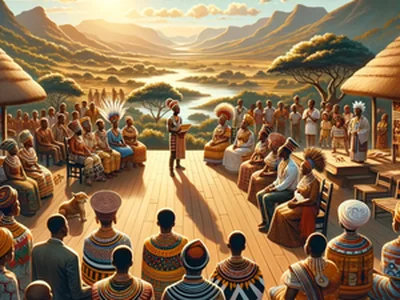


Uyghur Diaspora
Global, with significant populations in Central Asia, Europe, and North America UyghurMandarin ChineseEnglish
The Uyghur Diaspora refers to the global community of Uyghurs who have been displaced from their ancestral homeland in East Turkestan (Xinjiang, China) due to historical and ongoing persecution.
Historical Context
The Uyghur Diaspora has its roots in the historical migration of Uyghurs from East Turkestan to Central Asia, Europe, and other parts of the world.
Migration Patterns
Historically, Uyghurs migrated due to persecution, economic opportunities, and cultural exchange. Today, they continue to migrate for similar reasons.
Conflict And Resilience History
The Uyghur Diaspora has faced significant challenges, including forced assimilation, cultural suppression, and human rights abuses. Despite these obstacles, the community has maintained its resilience and identity.
Diaspora Perspectives
Uyghurs in the diaspora have developed unique perspectives on their culture, history, and identity, shaped by their experiences in different countries and contexts.
Regional Variations
Regional variations within the Uyghur Diaspora reflect local cultural influences, economic conditions, and historical events.
Bridging Notes
The Uyghur Diaspora has bridged geographical and cultural divides through its shared language, customs, and traditions.
Spiritual And Religious Practices
Uyghurs practice a unique blend of Islam, Sufism, and traditional Uyghur spirituality.
Beliefs And Worldview
The Uyghur worldview emphasizes the importance of family, community, and cultural heritage. They believe in living in harmony with nature and respecting their ancestors.
Cultural Proverbs Sayings
Uyghurs value proverbs such as "Kunligh" (goodness) and "Yurt" (homeland).
Naming Conventions And Terms Of Address
Uyghur names often reflect family ties, occupation, or geographical origin. Terms of address include "Akim" (elder) and "Khan" (leader).
Health And Mental Health
The Uyghur Diaspora faces unique health challenges due to cultural, economic, and environmental factors.
Mental Health Views
Uyghurs prioritize mental well-being and seek help from traditional healers or community leaders when needed.
Traditional Healers
Uyghur traditional healers use a combination of herbal remedies, spiritual practices, and physical therapies to address health issues.
Gender Roles In Healthcare
In Uyghur culture, men often take on caregiving roles for family members, while women may prioritize household responsibilities.
Healthcare Barriers
Access to healthcare is limited in some regions due to economic constraints, cultural barriers, or lack of linguistic support.
Education And Learning Styles
Uyghurs value education and emphasize hands-on learning, storytelling, and community involvement.
Learning Styles
Individuals learn through observation, imitation, and practice. Formal education is valued but not always accessible.
Parental Engagement
Parents actively participate in their children's education, often using traditional methods to teach cultural values and skills.
Family And Social Structure
Uyghur families are close-knit and extended, with a strong emphasis on intergenerational relationships.
Discipline And Behavior
Children are taught discipline through storytelling, example-setting, and community involvement.
Authority Attitudes
Respect for authority figures is deeply ingrained in Uyghur culture, particularly towards elders and community leaders.
Etiquette And Customs
Uyghurs observe strict etiquette rules around food, hospitality, and social interactions.
Community Strengths Resilience
The Uyghur Diaspora has demonstrated remarkable resilience through its ability to maintain cultural identity despite adversity.
Art Music And Expression
Uyghur art forms include traditional music (e.g., "Muqam"), dance, and handicrafts.
Cultural Symbols Motifs
Common motifs in Uyghur art include the "Khan Tengri" mountain range, the "Yurt" symbolizing homeland, and geometric patterns inspired by nature.
What Brings Joy
Uyghurs find joy in storytelling, music, dance, and sharing meals with family and friends.
Celebrations Joyful Traditions
The Uyghur Diaspora celebrates the "Eid al-Fitr" (end of Ramadan) and traditional festivals like the "Nauryz" new year.
Cultural Calendar And Holidays
Uyghurs observe a lunar calendar, with significant dates including the spring equinox and harvest festivals.
Additional Notes
The Uyghur Diaspora has developed unique cultural expressions influenced by their global experiences.
Economic Context And Occupations
Many Uyghurs engage in small-scale entrepreneurship, agriculture, or service-oriented work due to limited access to education and job opportunities.
Housing And Living Arrangements
Uyghur communities often live in close-knit neighborhoods with shared housing arrangements.
Nutrition And Dietary Norms
Traditional Uyghur cuisine emphasizes meat-based dishes, bread, and dairy products. Food is often served communally.
Interpretation Needs
Uyghurs may require interpretation services when interacting with authorities or accessing healthcare due to language barriers.
Interpreter Notes
Trained interpreters can facilitate communication between Uyghur speakers and non-Uyghur service providers.
Documentation Traditions
Uyghurs value written records, often using traditional scripts like the "Uyghur Yëziq" alphabet.
Interactions With Other Cultures
Uyghurs engage in cultural exchange programs, trade relations, and interfaith dialogue with other communities.
Conflict Resolution Mechanisms
Disputes are often resolved through community mediation or traditional arbitration.
Cultural Exchange Programs
The Uyghur Diaspora participates in international cultural festivals, language exchange programs, and educational initiatives.
Trade Relations
Uyghurs engage in trade with other communities, exchanging goods like textiles, carpets, and handicrafts.
Shared Artistic Projects
Uyghur artists collaborate on joint projects with artists from other cultures, promoting cross-cultural understanding.
Intercultural Marriages
Marriage between Uyghurs and individuals from other cultures is common, fostering cultural exchange and understanding.
Shared Educational Initiatives
The Uyghur Diaspora collaborates with educational institutions to develop curricula and programs promoting intercultural understanding.
Youth Perspectives
Uyghur youth value education, cultural preservation, and community involvement.
Education Initiatives
The Uyghur Diaspora supports education initiatives focused on language preservation, cultural exchange, and vocational training.
Future Challenges
The Uyghur Diaspora faces challenges related to cultural preservation, economic development, and social integration in host countries.
Youth Employment Trends
Uyghur youth often pursue careers in entrepreneurship, education, or the arts.
Future Visions
Uyghurs envision a future where their culture is respected, preserved, and celebrated globally.
Youth Leadership Roles
Young Uyghurs take on leadership roles within their communities, promoting cultural exchange and social change.
Innovation And Startups
The Uyghur Diaspora has seen an increase in innovation and entrepreneurship, particularly in the fields of technology and sustainable development.
Festivals And Celebrations
Uyghurs celebrate traditional festivals like the "Nauryz" new year and the "Eid al-Fitr".
Traditional Medicine Practices
Uyghur traditional healers use herbal remedies, spiritual practices, and physical therapies to address health issues.
Environmental Practices
The Uyghur Diaspora prioritizes environmental sustainability through practices like recycling, composting, and reducing waste.
Rituals
Uyghurs observe rituals like the "Kurban" (sacrifice) during Eid al-Adha.
Rites Of Passage
The Uyghur Diaspora has unique rites of passage for life events like birth, marriage, and death.
Culinary Traditions
Traditional Uyghur cuisine emphasizes meat-based dishes, bread, and dairy products. Food is often served communally.
Climate Adaptation Strategies
Uyghurs have developed strategies to adapt to climate change, such as using solar power and implementing sustainable agriculture practices.
Biodiversity Conservation
The Uyghur Diaspora prioritizes biodiversity conservation through initiatives like reforestation, wildlife protection, and eco-tourism.
Sustainable Tourism Practices
Uyghurs promote sustainable tourism by developing eco-friendly accommodations, tour operators, and cultural experiences.
Renewable Energy Use
The Uyghur Diaspora has increased its use of renewable energy sources like solar power, wind power, and hydroelectricity.
Community Involvement In Practices
Uyghurs actively participate in environmental conservation efforts through community-led initiatives and volunteer work.
Environmental Education Programs
The Uyghur Diaspora supports environmental education programs promoting sustainability, climate change awareness, and eco-friendly practices.
Notable Figures
Notable Uyghurs include poets like Muhammad Amin Bughra and musicians like Abdurehim Heyit.
Cultural Innovations
The Uyghur Diaspora has contributed to cultural innovations in fields like music, dance, and handicrafts.
Literary Works
Uyghur literature includes works by authors like Muhammad Amin Bughra and Abduqadir Jalal.
Architectural Styles
Traditional Uyghur architecture features unique designs influenced by Islamic and Central Asian styles.
Scientific Contributions
The Uyghur Diaspora has made contributions to scientific fields like astronomy, mathematics, and medicine.
Culinary Innovations
Uyghurs have developed innovative culinary traditions blending local ingredients with international flavors.
Global Influence
The Uyghur Diaspora has influenced global culture through its unique art forms, music, and literature.
Awards And Recognition
Uyghur artists, writers, and musicians have received awards for their contributions to cultural preservation and innovation.
Modern Influences
The Uyghur Diaspora has been influenced by modern technologies like social media, smartphones, and the internet.
Digital Presence
Uyghurs maintain a strong digital presence through online platforms, blogs, and social media groups.
Globalization Effects
Globalization has impacted the Uyghur Diaspora through increased cultural exchange, economic opportunities, and challenges to traditional ways of life.
Urbanization Effects
Urbanization has led to changes in lifestyle, culture, and identity among Uyghurs living in cities.
Technology Adoption
The Uyghur Diaspora has adopted modern technologies like solar power, wind turbines, and hydroelectricity for energy generation.
Hybrid Cultural Forms
Uyghurs have developed hybrid cultural forms blending traditional practices with modern influences.
Social Media Presence
Uyghurs maintain a strong social media presence through platforms like Instagram, Facebook, and Twitter.
Challenges
The Uyghur Diaspora faces challenges related to cultural preservation, economic development, and social integration in host countries.
Preservation Efforts
Efforts to preserve the Uyghur language, culture, and traditions include language classes, cultural festivals, and community-led initiatives.
Cultural Artwork
Community Discussion
Further Reading
Explore credible external sources to deepen your understanding of Uyghur Diaspora culture.