
Uyghurs
Xinjiang Uyghur Autonomous Region, China UyghurChinese
The Uyghurs are a Turkic ethnic group primarily living in the Xinjiang Uyghur Autonomous Region in China, known for their rich cultural heritage, language, and traditions.
Historical Context
The Uyghurs have a long history dating back to the Uyghur Khaganate in the 8th century. They have historically been traders along the Silk Road.
Migration Patterns
Historically, Uyghurs have migrated across Central Asia, with significant populations now in Kazakhstan, Kyrgyzstan, and Uzbekistan.
Conflict And Resilience History
Uyghurs have faced various conflicts, especially in the 20th and 21st centuries, related to cultural and political autonomy.
Diaspora Perspectives
The Uyghur diaspora is active in advocating for human rights and cultural preservation, particularly in countries like Turkey and the United States.
Regional Variations
Within Xinjiang, there are regional differences in dialects and customs among Uyghurs.
Bridging Notes
Efforts are ongoing to bridge cultural understanding between Uyghurs and other ethnic groups in China.
Spiritual And Religious Practices
Predominantly Sunni Islam, with practices including daily prayers, fasting during Ramadan, and pilgrimage.
Beliefs And Worldview
Uyghurs value community, family, and religious faith, with a worldview shaped by Islamic teachings and Turkic traditions.
Cultural Proverbs Sayings
Proverbs often emphasize wisdom, patience, and the importance of family and community.
Naming Conventions And Terms Of Address
Names often have Islamic origins, and respectful terms of address are used for elders and authority figures.
Health And Mental Health
Traditional medicine and modern healthcare coexist, with some reliance on herbal remedies.
Mental Health Views
Mental health is often approached with caution, with stigma still present in some communities.
Traditional Healers
Traditional healers, known as 'Baksis', play a role in rural health practices.
Gender Roles In Healthcare
Women often manage family health, but men typically make major healthcare decisions.
Healthcare Barriers
Language barriers and access to culturally sensitive healthcare are significant issues.
Education And Learning Styles
Education is valued, with a focus on both religious and secular studies.
Learning Styles
Learning often involves memorization and oral traditions, alongside formal education.
Parental Engagement
Parents are highly involved in their children's education, emphasizing moral and religious teachings.
Family And Social Structure
Family is central, with extended families often living together or nearby.
Discipline And Behavior
Discipline is typically strict, with a strong emphasis on respect for elders.
Authority Attitudes
Respect for authority figures, such as religious leaders and elders, is deeply ingrained.
Etiquette And Customs
Hospitality is a key custom, with guests often offered tea and food.
Community Strengths Resilience
Strong community networks provide support and resilience in times of need.
Art Music And Expression
Uyghur music and dance are vibrant, with instruments like the Dutar and traditions like the Muqam.
Cultural Symbols Motifs
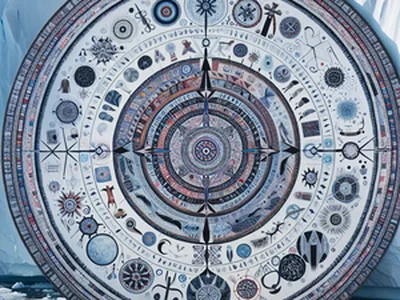
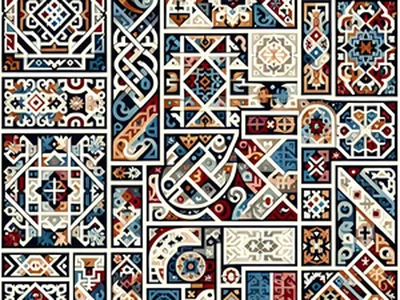
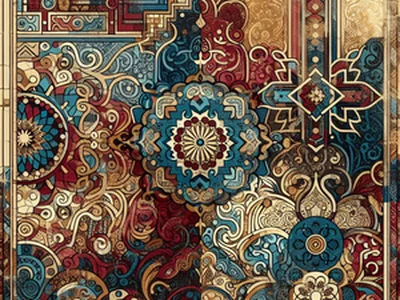
Common motifs include geometric patterns and symbols from nature, often seen in textiles and architecture.
What Brings Joy
Music, dance, and communal gatherings are sources of joy and cultural pride.
Celebrations Joyful Traditions
Festivals like Nowruz and Eid are celebrated with communal feasts and traditional performances.
Cultural Calendar And Holidays
The Uyghur calendar includes Islamic holidays and traditional Turkic celebrations.
Additional Notes
Uyghur literature and poetry are also significant cultural expressions.
Economic Context And Occupations
Historically traders and farmers, with modern shifts towards various professions in urban areas.
Housing And Living Arrangements
Traditional homes are often courtyard-style, with modern apartments in urban areas.
Nutrition And Dietary Norms
Diet includes lamb, bread, and pilaf, with halal dietary laws observed.
Interpretation Needs
Uyghur speakers may require interpretation services in Mandarin-dominant areas.
Interpreter Notes
Interpreters should be aware of cultural nuances and religious sensitivities.
Documentation Traditions
Oral traditions are strong, with storytelling and poetry being key cultural elements.
Interactions With Other Cultures
Uyghurs have historically interacted with various Central Asian cultures through trade and migration.
Conflict Resolution Mechanisms
Community elders often mediate disputes, with an emphasis on reconciliation.
Cultural Exchange Programs
Limited due to political restrictions, but some exchanges occur with Turkic-speaking countries.
Trade Relations
Historically significant along the Silk Road, with modern trade often limited by political factors.
Shared Artistic Projects
Collaborations with other Turkic cultures in music and art are common.
Intercultural Marriages
Intermarriage with other Central Asian ethnic groups occurs, though less common with non-Turkic groups.
Shared Educational Initiatives
Some educational exchanges with countries like Turkey and Kazakhstan.
Youth Perspectives
Youth are increasingly engaged in digital platforms to express cultural identity and advocate for rights.
Education Initiatives
Efforts to preserve Uyghur language and culture through educational programs are ongoing.
Future Challenges
Cultural preservation and political autonomy are significant challenges for the future.
Youth Employment Trends
Youth face high unemployment rates, with many seeking opportunities abroad.
Future Visions
A desire for cultural preservation and greater autonomy within China.
Youth Leadership Roles
Youth are taking on leadership roles in cultural preservation and advocacy.
Innovation And Startups
Emerging interest in technology and entrepreneurship among Uyghur youth.
Festivals And Celebrations
Nowruz and Eid are major festivals, celebrated with traditional music, dance, and food.
Traditional Medicine Practices
Herbal remedies and traditional healing practices are still used, especially in rural areas.
Environmental Practices
Traditional practices emphasize harmony with nature, though modern challenges exist.
Rituals
Rituals often revolve around Islamic practices and life events like weddings and funerals.
Rites Of Passage
Rites of passage include circumcision for boys and traditional wedding ceremonies.
Culinary Traditions
Uyghur cuisine is rich and diverse, with dishes like laghman and kebabs being popular.
Climate Adaptation Strategies
Traditional knowledge is used to adapt to harsh climates, especially in rural areas.
Biodiversity Conservation
Some traditional practices contribute to biodiversity conservation, though modern pressures exist.
Sustainable Tourism Practices
Emerging interest in promoting sustainable tourism to showcase Uyghur culture.
Renewable Energy Use
Limited use, but interest in solar and wind energy is growing in rural areas.
Community Involvement In Practices
Community plays a key role in maintaining cultural and environmental practices.
Environmental Education Programs
Programs are limited but growing, often focusing on traditional knowledge.
Notable Figures
Notable Uyghurs include Mahmud al-Kashgari, a medieval scholar, and Abdurehim Heyit, a contemporary musician.
Cultural Innovations
Innovations in music and dance, particularly the development of the Muqam musical tradition.
Literary Works
Rich tradition of poetry and literature, with works often reflecting Islamic and Turkic themes.
Architectural Styles
Traditional Uyghur architecture features intricate woodwork and courtyard designs.
Scientific Contributions
Historical contributions in astronomy and mathematics during the Islamic Golden Age.
Culinary Innovations
Uyghur cuisine is known for its unique blend of Central Asian flavors and techniques.
Global Influence
Uyghur culture has influenced Central Asian music, dance, and cuisine.
Awards And Recognition
Limited due to political constraints, but cultural achievements are recognized within the diaspora.
Modern Influences
Globalization has brought modern influences in fashion, music, and technology.
Digital Presence
Uyghurs are active on social media, using it to share cultural content and advocate for rights.
Globalization Effects
Globalization has led to both cultural exchange and challenges in cultural preservation.
Urbanization Effects
Urbanization has led to shifts in traditional lifestyles, with more Uyghurs living in cities.
Technology Adoption
Technology is increasingly adopted, with youth leading in digital innovation.
Hybrid Cultural Forms
Hybrid forms of music and art are emerging, blending traditional and modern elements.
Social Media Presence
Strong presence on platforms like WeChat and international social media, despite restrictions.
Challenges
Cultural preservation and political autonomy are major challenges, with significant restrictions on cultural expression.
Preservation Efforts
Efforts include cultural festivals, educational programs, and advocacy by the diaspora.
Cultural Artwork
Community Discussion
Further Reading
Explore credible external sources to deepen your understanding of Uyghurs culture.