

Nagamese Creole
Northeast India, primarily Nagaland NagameseAssameseHindiNaga languages
Nagamese Creole is a contact language spoken in Nagaland, India, primarily serving as a lingua franca among diverse ethnic groups.
Historical Context
Nagamese Creole emerged during the colonial period as a means of communication between the Naga tribes and Assamese traders, later evolving into a creole.
Migration Patterns
The language spread with the movement of people within Nagaland and neighboring regions, facilitating trade and social interaction.
Conflict And Resilience History
Despite ethnic conflicts in the region, Nagamese Creole has persisted as a unifying language, promoting peace and understanding.
Diaspora Perspectives
Nagamese speakers in urban areas outside Nagaland maintain the language as a cultural identity marker.
Regional Variations
Variations exist based on the influence of local Naga languages and the degree of exposure to Assamese and Hindi.
Bridging Notes
Nagamese Creole serves as a bridge language, fostering communication and cultural exchange among diverse ethnic groups.
Spiritual And Religious Practices
Nagamese Creole speakers often follow Christianity, with traditional animistic beliefs still present among some communities.
Beliefs And Worldview
The worldview is shaped by a blend of traditional Naga customs and Christian values, emphasizing community and harmony.
Cultural Proverbs Sayings
Proverbs often reflect the importance of community, cooperation, and respect for nature.
Naming Conventions And Terms Of Address
Names may reflect Christian influences, with terms of address varying based on age and social status.
Health And Mental Health
Traditional healing practices coexist with modern healthcare, with an emphasis on community-based care.
Mental Health Views
Mental health is often viewed through a communal lens, with support from family and community being crucial.
Traditional Healers
Traditional healers, known as 'ojhas', play a significant role in addressing health issues, especially in rural areas.
Gender Roles In Healthcare
Women often serve as primary caregivers, with gender roles influencing access to healthcare.
Healthcare Barriers
Barriers include geographical isolation, limited healthcare infrastructure, and language differences.
Education And Learning Styles
Education is valued, with a focus on bilingual instruction in Nagamese and English to enhance communication skills.
Learning Styles
Learning is often collaborative, with an emphasis on oral traditions and storytelling.
Parental Engagement
Parents are actively involved in their children's education, often prioritizing practical skills alongside formal education.
Family And Social Structure
The community is organized around extended family systems, with strong kinship ties and communal living.
Discipline And Behavior
Discipline is community-oriented, with elders playing a key role in guiding behavior and resolving conflicts.
Authority Attitudes
Respect for elders and community leaders is paramount, with decisions often made collectively.
Etiquette And Customs
Customs emphasize hospitality, respect, and the sharing of resources within the community.
Community Strengths Resilience
Resilience is built through strong social networks, cultural traditions, and adaptability to change.
Art Music And Expression
Art and music are integral, with traditional dances and songs reflecting cultural narratives and history.
Cultural Symbols Motifs
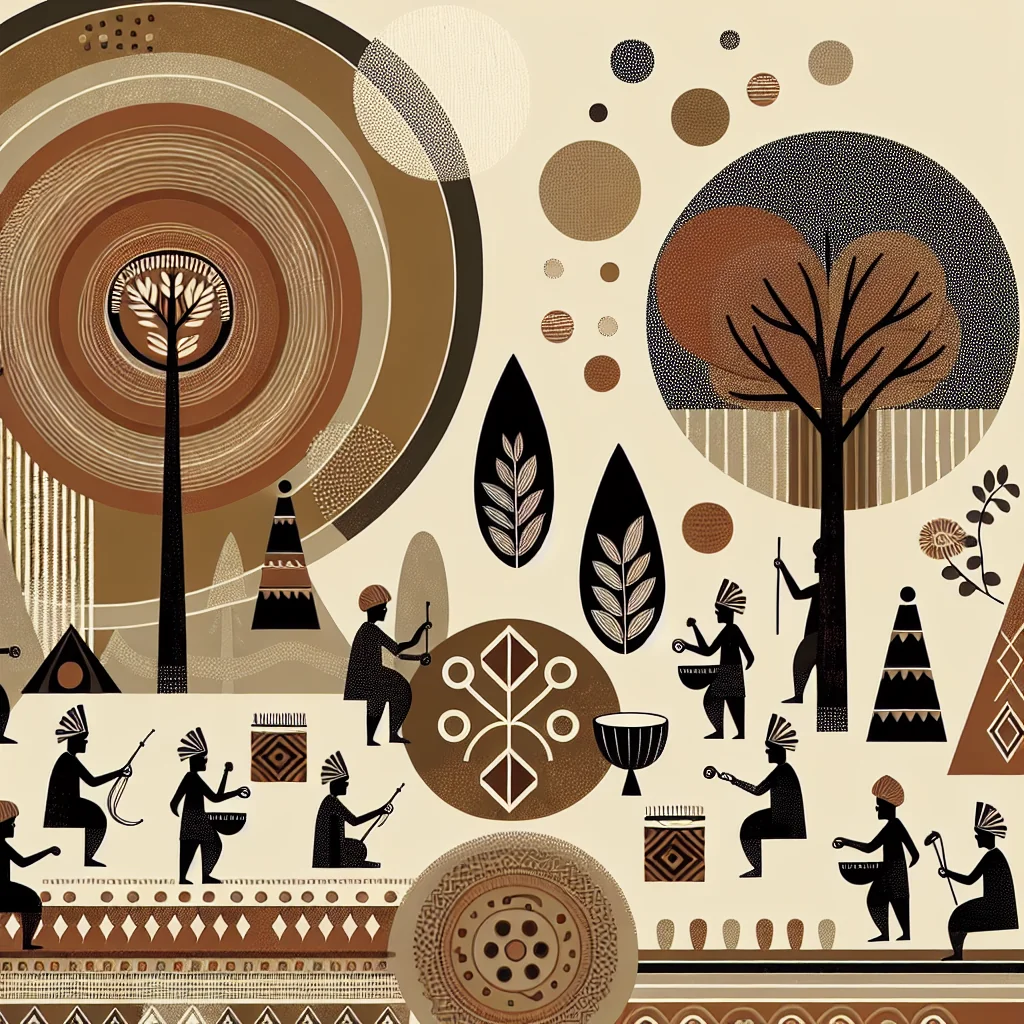
Symbols often include elements from nature, such as animals and plants, representing cultural heritage.
What Brings Joy
Community gatherings, festivals, and storytelling bring joy and reinforce cultural identity.
Celebrations Joyful Traditions
Festivals like Hornbill Festival celebrate cultural diversity and unity among Naga tribes.
Cultural Calendar And Holidays
The cultural calendar includes both traditional festivals and Christian holidays, reflecting the syncretic nature of the culture.
Additional Notes
Expression through crafts, such as weaving and beadwork, is also significant.
Economic Context And Occupations
Economy is primarily agrarian, with occupations in farming, weaving, and small-scale trade.
Housing And Living Arrangements
Housing is often communal, with traditional Naga houses made from bamboo and wood.
Nutrition And Dietary Norms
Diet is based on locally available produce, with rice as a staple and a variety of meats and vegetables.
Interpretation Needs
Interpretation may be needed for non-Nagamese speakers, especially in healthcare and legal settings.
Interpreter Notes
Interpreters should be familiar with cultural nuances and the linguistic diversity of Nagaland.
Documentation Traditions
Oral traditions are strong, with documentation often occurring through storytelling and communal memory.
Interactions With Other Cultures
Interactions are frequent with Assamese and other Northeast Indian cultures, fostering cultural exchange.
Conflict Resolution Mechanisms
Traditional councils and community leaders play a key role in mediating conflicts.
Cultural Exchange Programs
Programs often focus on promoting understanding and preserving cultural heritage.
Trade Relations
Trade is primarily local, with exchanges of agricultural products and crafts.
Shared Artistic Projects
Collaborative art projects often highlight the shared history and cultural diversity of the region.
Intercultural Marriages
Intercultural marriages are common, reflecting the diverse ethnic landscape of Nagaland.
Shared Educational Initiatives
Educational initiatives often aim to promote bilingualism and cultural awareness.
Youth Perspectives
Youth are increasingly engaged in cultural preservation and modernization efforts.
Education Initiatives
Initiatives focus on improving access to education and integrating traditional knowledge with modern curricula.
Future Challenges
Challenges include balancing cultural preservation with modernization and addressing economic disparities.
Youth Employment Trends
Employment trends show a shift towards service industries and entrepreneurship.
Future Visions
The future vision includes sustainable development and enhanced cultural exchange.
Youth Leadership Roles
Youth are taking on leadership roles in community development and cultural preservation.
Innovation And Startups
Innovation is encouraged, with startups focusing on technology and sustainable practices.
Festivals And Celebrations
Festivals are vibrant, celebrating cultural heritage and community bonds.
Traditional Medicine Practices
Traditional medicine is practiced alongside modern healthcare, with a focus on herbal remedies.
Environmental Practices
Environmental stewardship is emphasized, with practices aimed at conserving biodiversity.
Rituals
Rituals often mark important life events and seasonal changes, reinforcing community ties.
Rites Of Passage
Rites of passage, such as coming-of-age ceremonies, are significant cultural events.
Culinary Traditions
Culinary traditions reflect the use of local ingredients and communal dining practices.
Climate Adaptation Strategies
Strategies include sustainable agriculture and resource management to adapt to climate change.
Biodiversity Conservation
Conservation efforts focus on protecting the rich biodiversity of the region.
Sustainable Tourism Practices
Tourism practices aim to promote cultural heritage while minimizing environmental impact.
Renewable Energy Use
Renewable energy initiatives are being explored to support sustainable development.
Community Involvement In Practices
Community involvement is crucial in implementing environmental and cultural practices.
Environmental Education Programs
Programs aim to educate the community about environmental conservation and sustainability.
Notable Figures
Notable figures include cultural leaders and artists who have contributed to the preservation and promotion of Nagamese culture.
Cultural Innovations
Innovations include the development of unique art forms and the adaptation of traditional practices to modern contexts.
Literary Works
Literary works often explore themes of identity, tradition, and change within the Nagamese community.
Architectural Styles
Traditional Naga architecture is characterized by the use of natural materials and communal designs.
Scientific Contributions
Contributions include traditional ecological knowledge and sustainable agricultural practices.
Culinary Innovations
Culinary innovations involve the fusion of traditional and modern cooking techniques.
Global Influence
Nagamese culture influences global perceptions of Northeast Indian diversity and resilience.
Awards And Recognition
Recognition is often given to cultural preservation efforts and contributions to regional peace and unity.
Modern Influences
Modern influences include technology, education, and global cultural trends.
Digital Presence
Digital platforms are used to promote cultural heritage and connect with the diaspora.
Globalization Effects
Globalization has led to increased cultural exchange and economic opportunities.
Urbanization Effects
Urbanization has brought challenges and opportunities for cultural preservation and economic development.
Technology Adoption
Technology is increasingly adopted in education, communication, and cultural preservation.
Hybrid Cultural Forms
Hybrid forms blend traditional and modern elements, reflecting the dynamic nature of Nagamese culture.
Social Media Presence
Social media is used to share cultural stories, promote events, and engage with broader audiences.
Challenges
Challenges include cultural preservation amid modernization, economic disparities, and environmental threats.
Preservation Efforts
Efforts focus on documenting oral traditions, promoting cultural education, and supporting traditional arts.
Cultural Artwork
Community Discussion
Further Reading
Explore credible external sources to deepen your understanding of Nagamese Creole culture.