
Friulian
Friuli, northeastern Italy FriulianItalian
The Friulian culture is rich in history and tradition, originating from the Friuli region in northeastern Italy. It is known for its unique language, vibrant festivals, and strong sense of community.
Historical Context
The Friulian culture has its roots in the Roman era, with significant influences from the Lombards and the Republic of Venice. The region has a history of resilience, having been a frontier area during various European conflicts.
Migration Patterns
Historically, Friulians have migrated to other parts of Italy and abroad, particularly to South America and the United States, in search of better economic opportunities.
Conflict And Resilience History
The region has faced numerous conflicts, including invasions and wars, but has maintained its cultural identity through resilience and adaptation.
Diaspora Perspectives
The Friulian diaspora maintains strong ties to their homeland, often participating in cultural associations and events that celebrate their heritage.
Regional Variations
Within Friuli, there are variations in dialects and customs, particularly between the mountainous areas and the plains.
Bridging Notes
Efforts have been made to bridge cultural differences within the region through festivals and educational programs that promote Friulian language and traditions.
Spiritual And Religious Practices
Predominantly Roman Catholic, with local saints and religious festivals playing a significant role in community life.
Beliefs And Worldview
Friulians value family, community, and tradition. There is a strong emphasis on hospitality and maintaining cultural heritage.
Cultural Proverbs Sayings
Proverbs often reflect the importance of hard work, family, and the land, such as 'La fame fa trotar il lupo' (Hunger makes the wolf trot).
Naming Conventions And Terms Of Address
Traditional naming conventions often include the use of family names that reflect local history and geography. Respectful terms of address are important in social interactions.
Health And Mental Health
Health practices are influenced by both modern medicine and traditional remedies. Mental health is often approached with discretion.
Mental Health Views
There is a growing awareness and acceptance of mental health issues, though stigma can still be a barrier to seeking help.
Traditional Healers
Herbal remedies and traditional healers are sometimes consulted, especially in rural areas.
Gender Roles In Healthcare
Healthcare roles are traditionally gendered, but there is increasing gender equality in medical professions.
Healthcare Barriers
Language can be a barrier for older Friulians who may not speak Italian fluently. Access to healthcare in rural areas can also be challenging.
Education And Learning Styles
Education is highly valued, with a focus on both academic and practical skills. There is a strong emphasis on preserving the Friulian language and culture in schools.
Learning Styles
Learning often involves a combination of theoretical and hands-on approaches, reflecting the agricultural roots of the region.
Parental Engagement
Parents are actively involved in their children's education, often participating in school events and community activities.
Family And Social Structure
Family is the cornerstone of Friulian society, with extended families often living close to one another. Social structures are community-oriented.
Discipline And Behavior
Discipline is generally strict, with a focus on respect for elders and adherence to cultural norms.
Authority Attitudes
There is respect for authority figures, including community leaders and elders, who are often consulted on important matters.
Etiquette And Customs
Etiquette emphasizes politeness, hospitality, and respect. Customs include traditional greetings and the sharing of meals.
Community Strengths Resilience
The community is known for its resilience, particularly in the face of economic and environmental challenges. Strong social networks provide support and cohesion.
Art Music And Expression
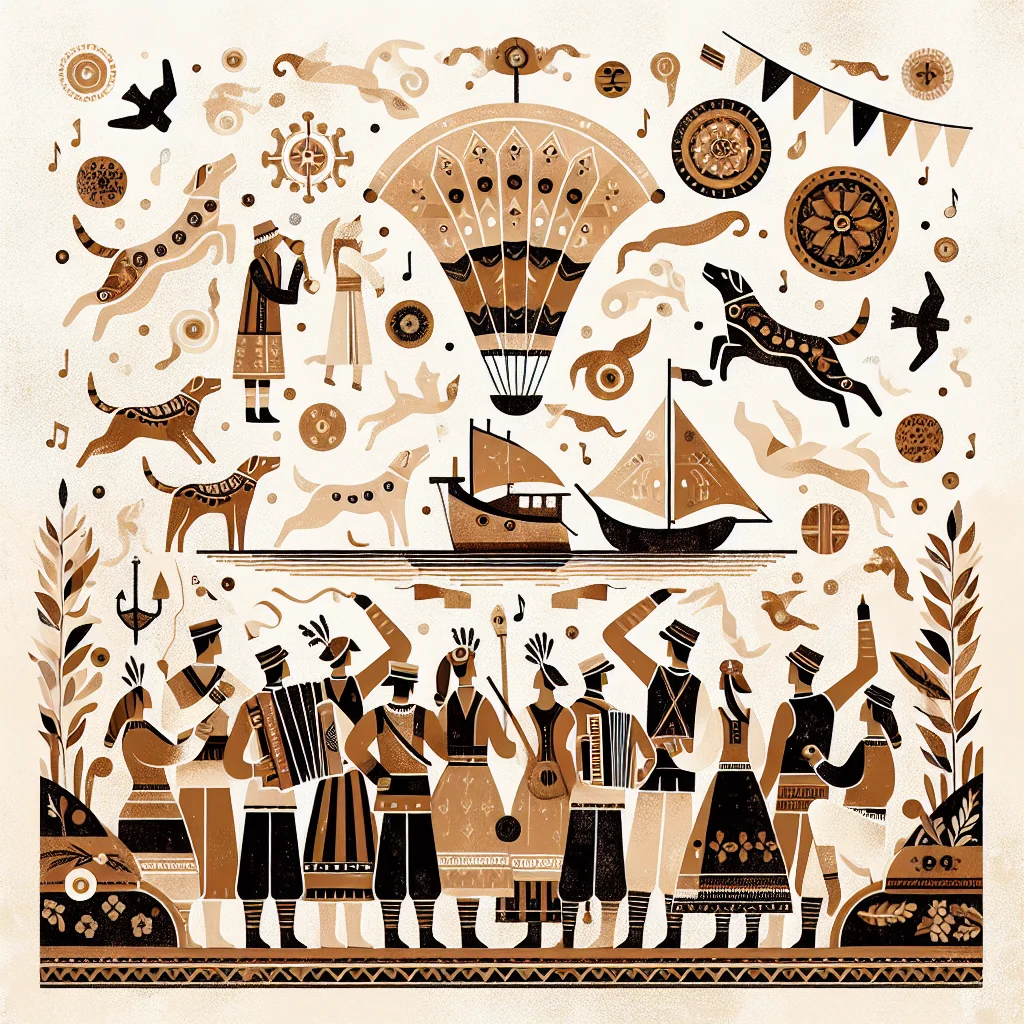
Friulian culture is rich in music and dance, with traditional instruments like the accordion being popular. Art often reflects the natural beauty of the region.
Cultural Symbols Motifs
Symbols such as the Friulian eagle and motifs from nature are common in art and crafts.
What Brings Joy
Community gatherings, festivals, and family celebrations bring joy to Friulians, as do traditional music and dance.
Celebrations Joyful Traditions
Festivals such as the Sagra del Vino and local saint days are celebrated with food, music, and dance.
Cultural Calendar And Holidays
The cultural calendar includes religious holidays, harvest festivals, and regional celebrations unique to Friuli.
Additional Notes
The preservation of the Friulian language is a key aspect of cultural expression, with efforts to promote its use in media and education.
Economic Context And Occupations
The economy is diverse, with agriculture, manufacturing, and tourism being significant sectors. Traditional crafts and local products are also important.
Housing And Living Arrangements
Housing varies from rural farmhouses to urban apartments, with a trend towards maintaining family homes across generations.
Nutrition And Dietary Norms
The diet is influenced by local produce, with polenta, cheese, and cured meats being staples. Meals are often communal and an important part of social life.
Interpretation Needs
Interpretation services may be needed for older Friulians who primarily speak the Friulian language.
Interpreter Notes
Interpreters should be aware of regional dialects and cultural nuances when working with Friulian speakers.
Documentation Traditions
Documentation is often bilingual, in both Italian and Friulian, especially in cultural and educational contexts.
Interactions With Other Cultures
Friulians have historically interacted with neighboring cultures, including Slovenian and Austrian, leading to a blend of cultural influences.
Conflict Resolution Mechanisms
Community-based approaches are often used to resolve conflicts, with an emphasis on dialogue and consensus.
Cultural Exchange Programs
There are cultural exchange programs with other regions in Italy and neighboring countries to promote understanding and collaboration.
Trade Relations
Trade has historically been important, with Friuli serving as a crossroads for commerce between Italy and Central Europe.
Shared Artistic Projects
Collaborations in art and music with neighboring cultures are common, reflecting shared histories and influences.
Intercultural Marriages
Intercultural marriages are not uncommon, reflecting the region's diverse cultural interactions.
Shared Educational Initiatives
Educational initiatives often include partnerships with schools and universities in neighboring regions and countries.
Youth Perspectives
Friulian youth are increasingly global in outlook, balancing traditional values with modern aspirations.
Education Initiatives
Initiatives focus on bilingual education and the promotion of Friulian culture and language among young people.
Future Challenges
Challenges include economic opportunities, cultural preservation, and adapting to technological changes.
Youth Employment Trends
There is a trend towards employment in technology and service sectors, alongside traditional industries.
Future Visions
The future vision includes sustainable development, cultural preservation, and increased global engagement.
Youth Leadership Roles
Youth are encouraged to take leadership roles in community organizations and cultural preservation efforts.
Innovation And Startups
There is a growing startup culture, particularly in technology and sustainable agriculture.
Festivals And Celebrations
Festivals such as the Festa della Zucca and the Cormons Wine Festival celebrate local produce and traditions.
Traditional Medicine Practices
Herbal remedies and traditional healing practices are still used, particularly in rural areas.
Environmental Practices
There is a strong tradition of environmental stewardship, with practices aimed at preserving the natural landscape.
Rituals
Rituals often revolve around agricultural cycles and religious observances, reflecting the region's rural heritage.
Rites Of Passage
Rites of passage include religious ceremonies such as baptisms and confirmations, as well as community celebrations.
Culinary Traditions
Culinary traditions emphasize local ingredients, with dishes like frico and jota being popular.
Climate Adaptation Strategies
Strategies include sustainable agriculture practices and efforts to protect against flooding and other climate impacts.
Biodiversity Conservation
Conservation efforts focus on protecting local flora and fauna, particularly in the region's mountainous areas.
Sustainable Tourism Practices
Tourism initiatives aim to balance economic benefits with the preservation of cultural and natural resources.
Renewable Energy Use
There is an increasing use of renewable energy sources, such as solar and wind, in line with sustainability goals.
Community Involvement In Practices
Community involvement is key in environmental and cultural preservation efforts, with local groups playing active roles.
Environmental Education Programs
Programs in schools and communities focus on environmental awareness and sustainable practices.
Notable Figures
Notable figures include writer Pier Paolo Pasolini and architect Raimondo D'Aronco, who have contributed to literature and architecture.
Cultural Innovations
Innovations include the revival of traditional crafts and the promotion of the Friulian language in digital media.
Literary Works
Friulian literature includes works by authors such as Carlo Sgorlon, who explore themes of identity and tradition.
Architectural Styles
Architecture in Friuli features a mix of Venetian and Austrian influences, with distinctive rural and urban styles.
Scientific Contributions
Contributions in fields such as agriculture and environmental science reflect the region's focus on sustainability.
Culinary Innovations
Culinary innovations include modern interpretations of traditional dishes, emphasizing local and seasonal ingredients.
Global Influence
Friulian culture has influenced global cuisine and art, particularly through its diaspora and cultural exchanges.
Awards And Recognition
The region has received recognition for its cultural festivals and efforts to preserve the Friulian language and traditions.
Modern Influences
Modern influences include globalization and technology, which are integrated with traditional practices.
Digital Presence
There is a growing digital presence, with online platforms promoting Friulian culture and language.
Globalization Effects
Globalization has brought both opportunities and challenges, influencing cultural practices and economic activities.
Urbanization Effects
Urbanization has led to changes in lifestyle and social structures, with a focus on balancing tradition and modernity.
Technology Adoption
Technology is widely adopted, with a focus on enhancing communication and cultural preservation.
Hybrid Cultural Forms
Hybrid forms of cultural expression, such as fusion cuisine and contemporary art, reflect the blending of old and new.
Social Media Presence
Social media is used to connect with the diaspora and promote cultural events and initiatives.
Challenges
Challenges include maintaining the Friulian language, economic development, and adapting to climate change.
Preservation Efforts
Efforts focus on language preservation, cultural education, and sustainable development to address these challenges.
Cultural Artwork
Community Discussion
Further Reading
Explore credible external sources to deepen your understanding of Friulian culture.