
Finnish
Northern Europe FinnishSwedish
The Finnish culture is characterized by a deep connection to nature, a strong sense of community, and a rich tradition of folklore and mythology.
Historical Context
Finland has a history of being influenced by both Sweden and Russia, gaining independence in 1917. Its history is marked by resilience and adaptation.
Migration Patterns
Historically, Finns have migrated to Sweden, North America, and other parts of Europe, often seeking better economic opportunities.
Conflict And Resilience History
Finland has experienced conflicts such as the Winter War and Continuation War with the Soviet Union, showcasing resilience and a strong national identity.
Diaspora Perspectives
The Finnish diaspora maintains strong cultural ties through organizations and events, preserving language and traditions abroad.
Regional Variations
There are cultural variations between regions, such as the Swedish-speaking Ostrobothnia and the indigenous Sami culture in Lapland.
Bridging Notes
Finnish culture bridges Eastern and Western European influences, creating a unique blend of traditions and modernity.
Spiritual And Religious Practices
Lutheran Christianity is predominant, but there is a growing secularism. Nature-based spirituality and sauna rituals are also significant.
Beliefs And Worldview
Finns value honesty, equality, and a strong work ethic. There is a deep respect for nature and a belief in the importance of education.
Cultural Proverbs Sayings
Common sayings include 'Kell' onni on, se onnen kätkeköön' (He who has happiness should hide it) and 'Aika on rahaa' (Time is money).
Naming Conventions And Terms Of Address
Finns typically use first names in informal settings and surnames in formal contexts. Titles are rarely used, reflecting a culture of equality.
Health And Mental Health
Finland has a robust healthcare system with a focus on preventive care. Mental health is openly discussed, and there is strong support for mental well-being.
Mental Health Views
Mental health is considered an important aspect of overall health, with increasing awareness and resources dedicated to mental health care.
Traditional Healers
While modern medicine is predominant, some traditional practices like herbal remedies and sauna are still valued for their health benefits.
Gender Roles In Healthcare
Healthcare is gender-neutral, with equal access for all. There is a strong emphasis on maternal and child health.
Healthcare Barriers
Language can be a barrier for non-Finnish speakers, but translation services are available. Rural areas may have less access to specialized care.
Education And Learning Styles
Finnish education emphasizes student-centered learning, critical thinking, and creativity. It is known for its high-quality public education system.
Learning Styles
Collaborative and independent learning are both encouraged, with a focus on problem-solving and real-world applications.
Parental Engagement
Parents are actively involved in their children's education, often participating in school activities and supporting learning at home.
Family And Social Structure
Finnish families are typically small and nuclear, with a strong emphasis on equality and shared responsibilities.
Discipline And Behavior
Discipline is often gentle and based on mutual respect. Children are encouraged to be independent and responsible.
Authority Attitudes
Finns generally have a respectful but informal attitude towards authority, valuing equality and open communication.
Etiquette And Customs
Finns value punctuality, honesty, and modesty. Personal space is respected, and greetings are typically brief and formal.
Community Strengths Resilience
Finnish communities are known for their strong social support networks, resilience, and a high level of trust among members.
Art Music And Expression
Finnish art and music are diverse, with a strong tradition of classical music, folk art, and modern design. The sauna is a unique cultural expression.
Cultural Symbols Motifs
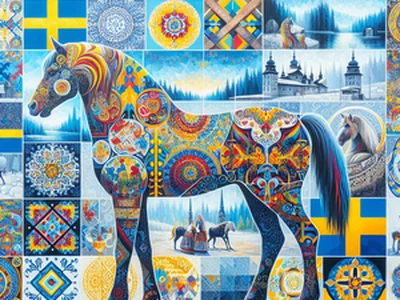
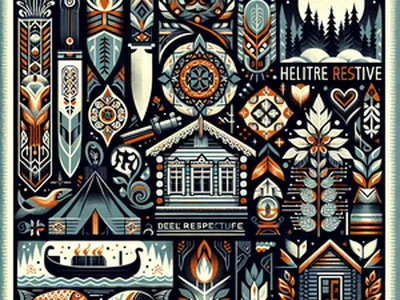
Common symbols include the sauna, the birch tree, and the Finnish flag. The Kalevala, a national epic, is a significant cultural motif.
What Brings Joy
Nature, music, and family gatherings are sources of joy. Finns also find joy in simple pleasures like coffee and sauna.
Celebrations Joyful Traditions
Celebrations include Midsummer, Christmas, and Vappu (May Day), each marked by unique traditions and communal gatherings.
Cultural Calendar And Holidays
Key holidays include Independence Day, Midsummer, and Christmas, each celebrated with specific customs and traditions.
Additional Notes
Finnish culture is marked by a balance between tradition and modernity, with a strong emphasis on sustainability and innovation.
Economic Context And Occupations
Finland has a mixed economy with strengths in technology, forestry, and education. The welfare state provides strong social services.
Housing And Living Arrangements
Most Finns live in urban areas, with a high standard of living. Housing is typically modern, with a focus on sustainability.
Nutrition And Dietary Norms
Finnish cuisine emphasizes fresh, local ingredients. Common foods include rye bread, fish, and berries, with a growing trend towards vegetarianism.
Interpretation Needs
Interpretation services are available for non-Finnish speakers, particularly in healthcare and legal settings.
Interpreter Notes
Interpreters are trained to understand cultural nuances and provide accurate translations, ensuring effective communication.
Documentation Traditions
Finns value clear and concise documentation, with a strong tradition of written records in both Finnish and Swedish.
Interactions With Other Cultures
Finns are known for their openness to other cultures, often participating in international exchanges and collaborations.
Conflict Resolution Mechanisms
Finnish culture emphasizes dialogue and consensus, with a strong tradition of mediation and peaceful conflict resolution.
Cultural Exchange Programs
Finland participates in numerous cultural exchange programs, promoting mutual understanding and cooperation.
Trade Relations
Finland has strong trade relations with EU countries, Russia, and the United States, focusing on technology and sustainable products.
Shared Artistic Projects
Finnish artists often collaborate internationally, particularly in music, design, and visual arts.
Intercultural Marriages
Intercultural marriages are common, reflecting Finland's openness and integration of diverse cultures.
Shared Educational Initiatives
Finnish educational institutions collaborate globally, sharing best practices and innovations in education.
Youth Perspectives
Finnish youth are generally optimistic about the future, valuing education, sustainability, and technological innovation.
Education Initiatives
There are numerous initiatives to enhance digital literacy and innovation among Finnish youth.
Future Challenges
Challenges include addressing climate change, maintaining economic stability, and ensuring social cohesion.
Youth Employment Trends
Youth employment is focused on technology, education, and creative industries, with a strong emphasis on entrepreneurship.
Future Visions
Finnish youth envision a future that balances technological advancement with environmental sustainability.
Youth Leadership Roles
Youth are encouraged to take leadership roles in community and environmental initiatives.
Innovation And Startups
Finland has a vibrant startup scene, particularly in technology and sustainable solutions, supported by government initiatives.
Festivals And Celebrations
Midsummer and Vappu are major festivals, celebrated with outdoor activities and community gatherings.
Traditional Medicine Practices
Traditional practices include the use of herbal remedies and sauna for health and relaxation.
Environmental Practices
Finns are leaders in environmental conservation, with strong policies on recycling and sustainable living.
Rituals
Sauna rituals are an integral part of Finnish culture, often involving a sequence of heating, cooling, and relaxation.
Rites Of Passage
Common rites include confirmation in the Lutheran church and military service for young men.
Culinary Traditions
Finnish cuisine features dishes like karjalanpiirakka (Karelian pies) and kalakukko (fish pie), emphasizing local ingredients.
Climate Adaptation Strategies
Finland invests in renewable energy and sustainable infrastructure to adapt to climate change.
Biodiversity Conservation
Efforts include protecting forests and lakes, promoting biodiversity, and supporting sustainable forestry.
Sustainable Tourism Practices
Tourism focuses on eco-friendly practices, promoting natural attractions and cultural heritage responsibly.
Renewable Energy Use
Finland is a leader in renewable energy, particularly in wind and bioenergy, aiming for carbon neutrality.
Community Involvement In Practices
Communities actively participate in environmental initiatives, from local clean-ups to national conservation projects.
Environmental Education Programs
Schools incorporate environmental education, emphasizing sustainability and conservation from an early age.
Notable Figures
Figures like composer Jean Sibelius and architect Alvar Aalto have significantly influenced global arts and architecture.
Cultural Innovations
Finland is known for its design innovations, particularly in architecture and technology.
Literary Works
The Kalevala, a national epic, and works by authors like Tove Jansson are central to Finnish literature.
Architectural Styles
Finnish architecture is renowned for its functionalism and modernism, with a focus on integrating nature.
Scientific Contributions
Finland has made significant contributions in technology and education, with innovations in mobile technology and pedagogy.
Culinary Innovations
Finnish cuisine is evolving, with a focus on sustainability and new interpretations of traditional dishes.
Global Influence
Finland's education system, design, and technology sectors have a significant global impact.
Awards And Recognition
Finland has received international recognition for its education system, design, and environmental policies.
Modern Influences
Finnish culture is influenced by global trends in technology, design, and sustainability.
Digital Presence
Finland is highly digitalized, with widespread internet access and a strong presence in digital innovation.
Globalization Effects
Globalization has brought diverse cultural influences to Finland, enriching its cultural landscape.
Urbanization Effects
Urbanization has led to a concentration of population in cities, influencing lifestyle and cultural practices.
Technology Adoption
Finland is a leader in technology adoption, with a focus on innovation and digital solutions.
Hybrid Cultural Forms
Finnish culture incorporates global influences, creating hybrid forms in music, art, and cuisine.
Social Media Presence
Social media is widely used in Finland, facilitating cultural exchange and community engagement.
Challenges
Challenges include maintaining cultural identity amidst globalization and addressing social inequalities.
Preservation Efforts
Efforts are made to preserve the Finnish language and traditions, particularly in education and cultural programs.
Cultural Artwork
Community Discussion
Further Reading
Explore credible external sources to deepen your understanding of Finnish culture.