

Congolese (DRC)
Central Africa FrenchLingalaSwahiliKikongo
The Congolese culture in the Democratic Republic of the Congo is rich and diverse, influenced by over 200 ethnic groups, each with its own traditions and languages.
Historical Context
The DRC has a complex history marked by colonization, independence, and ongoing political challenges. It was colonized by Belgium and gained independence in 1960.
Migration Patterns
Migration within the DRC is often influenced by conflict and economic opportunities, with significant movement towards urban centers like Kinshasa.
Conflict And Resilience History
The DRC has experienced prolonged conflict, particularly in the eastern regions, but communities have shown resilience through strong social networks and cultural practices.
Diaspora Perspectives
The Congolese diaspora is spread across Europe and North America, maintaining cultural ties through community organizations and cultural events.
Regional Variations
Cultural practices vary significantly between regions, influenced by the dominant ethnic groups and historical interactions.
Bridging Notes
Efforts to bridge cultural differences focus on promoting national unity and celebrating the diversity of ethnic traditions.
Spiritual And Religious Practices
Christianity is the predominant religion, with Catholicism and Protestantism being the most practiced. Traditional beliefs and practices are also significant, often integrated with Christian practices.
Beliefs And Worldview
Congolese worldview is often community-oriented, with a strong emphasis on family, respect for elders, and communal support.
Cultural Proverbs Sayings
Proverbs play a crucial role in conveying wisdom and cultural values, such as 'A single bracelet does not jingle' emphasizing community and cooperation.
Naming Conventions And Terms Of Address
Names often reflect cultural heritage, with many people having both a Christian name and a traditional name. Respectful terms of address are important, particularly for elders.
Health And Mental Health
Healthcare access is limited, particularly in rural areas. Traditional medicine is widely used alongside modern healthcare practices.
Mental Health Views
Mental health is often stigmatized, with traditional beliefs attributing mental illness to spiritual causes.
Traditional Healers
Traditional healers, known as 'nganga', play a significant role in community health, providing herbal remedies and spiritual guidance.
Gender Roles In Healthcare
Women often bear the primary responsibility for family health, though decision-making may be male-dominated.
Healthcare Barriers
Barriers include limited access to facilities, high costs, and cultural beliefs that may conflict with modern medical practices.
Education And Learning Styles
Education is highly valued, though access varies. Learning often emphasizes memorization and respect for authority.
Learning Styles
Learning is traditionally oral and communal, with storytelling and practical demonstrations being common.
Parental Engagement
Parents are highly involved in their children's education, often making significant sacrifices to ensure school attendance.
Family And Social Structure
Extended family networks are central, with strong kinship ties and communal living arrangements.
Discipline And Behavior
Discipline is often strict, with an emphasis on respect for elders and adherence to social norms.
Authority Attitudes
Respect for authority is deeply ingrained, with elders and community leaders holding significant influence.
Etiquette And Customs
Etiquette emphasizes politeness, respect, and hospitality. Greetings are important, often involving handshakes and inquiries about family well-being.
Community Strengths Resilience
Communities are resilient, relying on strong social networks and cultural traditions to navigate challenges.
Art Music And Expression
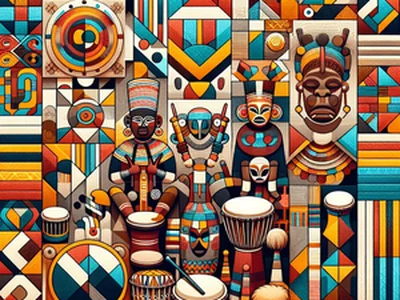
Music and dance are integral, with styles like soukous and rumba being internationally recognized. Art often reflects social and political themes.
Cultural Symbols Motifs
Symbols such as the leopard and traditional masks are significant, representing power and spiritual beliefs.
What Brings Joy
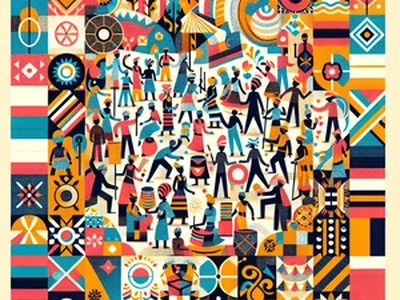
Music, dance, and communal gatherings are central to joy and celebration.
Celebrations Joyful Traditions
Celebrations often involve music, dance, and feasting, with events like weddings and religious festivals being particularly joyous.
Cultural Calendar And Holidays
Important holidays include Independence Day (June 30) and religious celebrations like Christmas and Easter.
Additional Notes
Cultural expression is a vital part of Congolese identity, providing a means of resilience and community cohesion.
Economic Context And Occupations
The economy is largely based on agriculture, mining, and informal trade, with many people engaged in subsistence farming.
Housing And Living Arrangements
Housing varies from urban apartments to rural huts, often reflecting economic disparities.
Nutrition And Dietary Norms
Diet is based on staple foods like cassava, maize, and plantains, with fish and meat being important protein sources.
Interpretation Needs
Interpretation services are often needed for non-French speakers, particularly in healthcare and legal settings.
Interpreter Notes
Interpreters should be culturally sensitive and aware of regional language variations.
Documentation Traditions
Oral traditions are strong, with storytelling being a key method of preserving history and culture.
Interactions With Other Cultures
Interactions are influenced by historical ties and regional trade, with cultural exchanges being common in border areas.
Conflict Resolution Mechanisms
Traditional conflict resolution often involves community elders and dialogue-based approaches.
Cultural Exchange Programs
Programs focus on promoting understanding and collaboration with neighboring countries.
Trade Relations
Trade is significant with neighboring countries, particularly in minerals and agricultural products.
Shared Artistic Projects
Collaborations in music and art are common, reflecting shared cultural themes.
Intercultural Marriages
Intercultural marriages occur, often bridging ethnic and national divides.
Shared Educational Initiatives
Educational initiatives often focus on regional cooperation and cultural exchange.
Youth Perspectives
Youth are increasingly focused on education and technology, seeking opportunities for innovation and entrepreneurship.
Education Initiatives
Initiatives aim to improve access to education and vocational training, particularly in rural areas.
Future Challenges
Challenges include political instability, economic disparities, and access to quality education.
Youth Employment Trends
Youth employment is often in informal sectors, with a growing interest in entrepreneurship.
Future Visions
Visions for the future include a stable, prosperous nation with improved infrastructure and opportunities for all.
Youth Leadership Roles
Youth are increasingly taking on leadership roles in community organizations and social movements.
Innovation And Startups
There is a growing startup culture, particularly in technology and agriculture, driven by young entrepreneurs.
Festivals And Celebrations
Festivals often celebrate harvests, religious events, and historical milestones, featuring music, dance, and communal feasting.
Traditional Medicine Practices
Traditional medicine is widely practiced, with herbal remedies and spiritual healing being common.
Environmental Practices
Environmental practices include sustainable farming and community-led conservation efforts.
Rituals
Rituals often mark life events such as births, marriages, and funerals, with significant cultural and spiritual elements.
Rites Of Passage
Rites of passage are important, particularly for transitioning into adulthood, often involving community ceremonies.
Culinary Traditions
Culinary traditions are diverse, with regional variations in staple foods and preparation methods.
Climate Adaptation Strategies
Communities are adapting to climate change through sustainable agriculture and water management practices.
Biodiversity Conservation
Conservation efforts focus on protecting the DRC's rich biodiversity, including its rainforests and wildlife.
Sustainable Tourism Practices
Sustainable tourism is being promoted to protect natural resources while supporting local economies.
Renewable Energy Use
Renewable energy projects are being developed, particularly in hydroelectric power.
Community Involvement In Practices
Community involvement is crucial in environmental and cultural practices, ensuring sustainability and cultural preservation.
Environmental Education Programs
Programs aim to educate communities about environmental conservation and sustainable practices.
Notable Figures
Figures like Patrice Lumumba and Mobutu Sese Seko have played significant roles in the DRC's history.
Cultural Innovations
Innovations in music, particularly the development of soukous, have had a global impact.
Literary Works
Congolese literature often explores themes of identity, colonialism, and resilience.
Architectural Styles
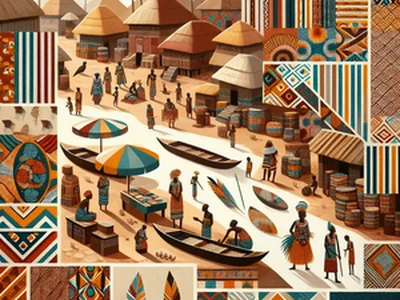
Traditional architecture includes round huts with thatched roofs, while urban areas feature colonial and modern styles.
Scientific Contributions
Contributions in fields like medicine and environmental science are emerging, often focusing on local challenges.
Culinary Innovations
Culinary innovations include the fusion of traditional and modern cooking techniques.
Global Influence
Congolese music and dance have influenced global genres, with artists gaining international recognition.
Awards And Recognition
Congolese artists and activists have received international awards for their contributions to culture and society.
Modern Influences
Modern influences include Western fashion, technology, and media, particularly in urban areas.
Digital Presence
Digital presence is growing, with increased internet access and social media use among the youth.
Globalization Effects
Globalization has brought both opportunities and challenges, influencing cultural practices and economic activities.
Urbanization Effects
Urbanization is leading to cultural blending and the development of new social norms.
Technology Adoption
Technology adoption is increasing, particularly in mobile communications and digital services.
Hybrid Cultural Forms
Hybrid cultural forms are emerging, blending traditional and modern elements in music, fashion, and art.
Social Media Presence
Social media is widely used for communication, cultural expression, and activism.
Challenges
Challenges include preserving cultural heritage amidst modernization and addressing social inequalities.
Preservation Efforts
Efforts focus on documenting traditional practices and promoting cultural education among the youth.
Cultural Artwork
Community Discussion
Further Reading
Explore credible external sources to deepen your understanding of Congolese (DRC) culture.