
Bwatiye
Central Africa, specifically the tropical forests of Cameroon and Equatorial Guinea BwatiyeFrenchEnglish
The Bwatiye people are an indigenous group living in the tropical forests of central Africa, known for their rich cultural heritage and traditional practices.
Historical Context
The Bwatiye have lived in the tropical forests of central Africa for centuries, developing a unique culture and way of life adapted to their environment.
Migration Patterns
The Bwatiye are believed to have migrated from the north, settling in the region over 1,000 years ago. They have maintained a relatively isolated lifestyle, with limited contact with external cultures.
Conflict And Resilience History
The Bwatiye have faced numerous challenges, including deforestation, hunting, and encroachment by neighboring communities. Despite these threats, they have maintained their cultural identity and traditional practices.
Diaspora Perspectives
There is limited information on Bwatiye diaspora communities, as the group has historically been isolated from external influences.
Regional Variations
The Bwatiye culture exhibits regional variations, with different sub-groups developing distinct traditions and customs.
Spiritual And Religious Practices
The Bwatiye have a complex spiritual system, believing in a supreme being and multiple ancestral spirits. They practice animism, attributing sacred powers to animals, plants, and natural elements.
Beliefs And Worldview
The Bwatiye believe in a holistic worldview, where humans are interconnected with nature and the spirit world. They have a deep respect for the land, their ancestors, and the balance of nature.
Cultural Proverbs Sayings
Proverb: 'A tree without roots will not stand tall.'
Naming Conventions And Terms Of Address
Children are named after ancestral spirits or natural elements. Elders are addressed with respect using honorific titles.
Health And Mental Health
The Bwatiye have a strong emphasis on physical and mental well-being, practicing traditional medicine and spiritual healing.
Mental Health Views
Mental health is considered an integral part of overall well-being. The Bwatiye believe in the importance of emotional balance and harmony with nature.
Traditional Healers
Traditional healers use a combination of herbal remedies, rituals, and spiritual practices to treat illnesses.
Gender Roles In Healthcare
Women play a significant role in healthcare, often serving as traditional birth attendants and caregivers.
Healthcare Barriers
Limited access to modern healthcare services, cultural stigma surrounding mental health, and lack of understanding about Western medicine.
Education And Learning Styles
The Bwatiye have a unique approach to education, emphasizing hands-on learning through apprenticeships and practical experience.
Learning Styles
Children learn by observing elders, participating in community activities, and practicing traditional skills.
Parental Engagement
Parents are actively involved in their children's education, often serving as teachers or mentors.
Family And Social Structure
The Bwatiye have a complex social structure, with extended family ties and kinship relationships playing a central role.
Discipline And Behavior
Children are disciplined through positive reinforcement and community involvement. Misbehavior is addressed through counseling and mediation.
Authority Attitudes
Elders hold significant authority, respected for their wisdom and life experience.
Etiquette And Customs
The Bwatiye have strict etiquette rules surrounding food sharing, gift-giving, and social interactions.
Community Strengths Resilience
Community cohesion, shared values, and respect for elders contribute to the Bwatiye's resilience in the face of challenges.
Art Music And Expression
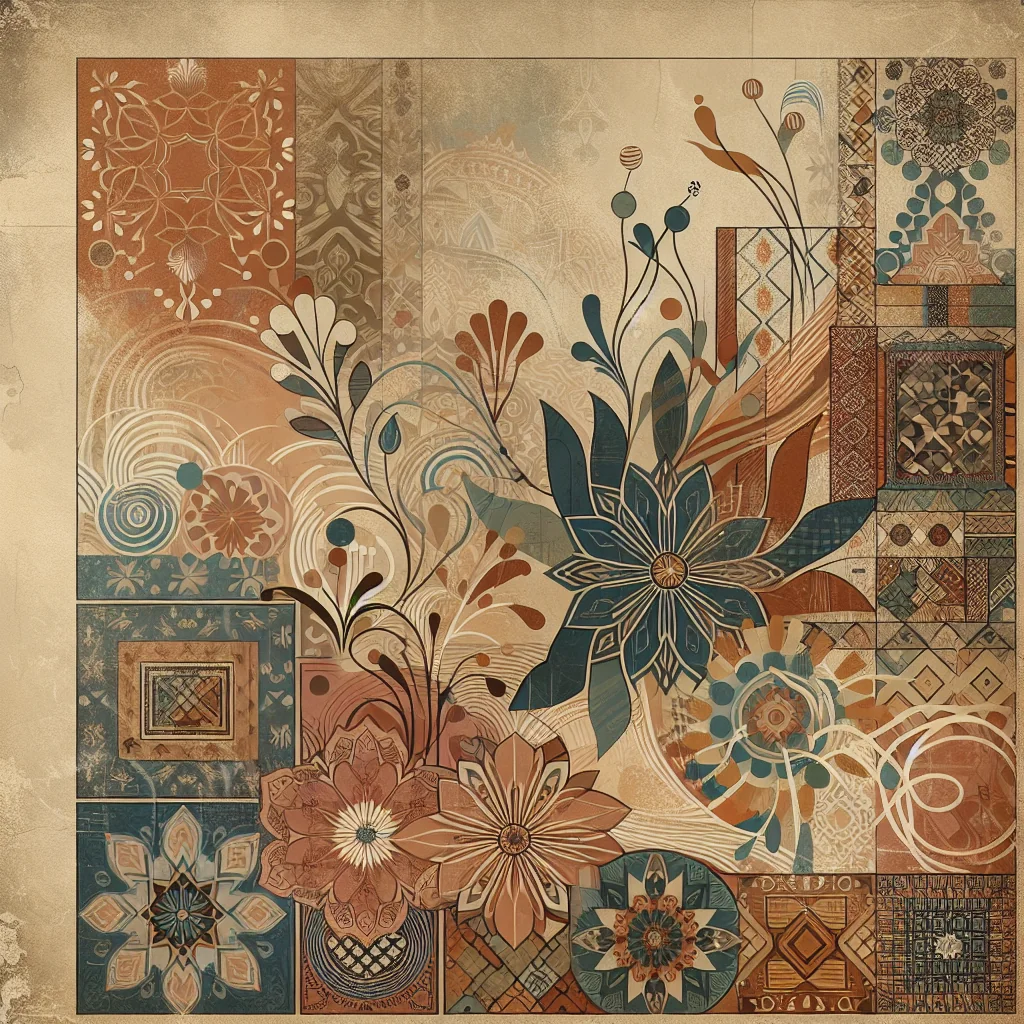
The Bwatiye have a rich tradition of music, dance, and storytelling. Their art often reflects their connection with nature and ancestral spirits.
Cultural Symbols Motifs
Symbol: The spiral motif represents growth, renewal, and the cyclical nature of life.
What Brings Joy
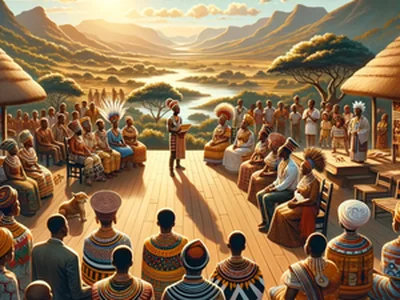
Community gatherings, traditional ceremonies, and time spent in nature bring joy to the Bwatiye.
Celebrations Joyful Traditions
The Bwatiye celebrate the harvest season with a grand festival, honoring their ancestors and the land.
Cultural Calendar And Holidays
The Bwatiye have a lunar calendar, marking important events such as the full moon, solstices, and equinoxes.
Economic Context And Occupations
The Bwatiye engage in subsistence farming, hunting, and gathering. They also trade with neighboring communities for essential goods.
Housing And Living Arrangements
Traditional homes are built from natural materials, often with thatched roofs and earthen floors.
Nutrition And Dietary Norms
The Bwatiye diet consists mainly of locally sourced fruits, vegetables, nuts, and game meat. They also consume fermented foods and traditional beverages.
Interpretation Needs
Interpreters may be required for interactions with external communities or officials.
Interpreter Notes
Bwatiye interpreters are trained to facilitate communication between their community and outsiders.
Documentation Traditions
The Bwatiye have a rich oral tradition, passing down stories and knowledge through generations. Written records are limited.
Interactions With Other Cultures
The Bwatiye have limited interactions with external cultures, primarily through trade and occasional contact with neighboring communities.
Conflict Resolution Mechanisms
Disputes are resolved through mediation and counseling, often involving respected elders or community leaders.
Cultural Exchange Programs
Limited cultural exchange programs exist between the Bwatiye and other communities, focusing on education and capacity building.
Trade Relations
The Bwatiye engage in trade with neighboring communities for essential goods, such as tools, clothing, and food.
Shared Artistic Projects
There are no known shared artistic projects between the Bwatiye and external cultures.
Intercultural Marriages
Intercultural marriages are rare, but not unheard of. They often involve cultural exchange and adaptation.
Shared Educational Initiatives
Limited educational initiatives exist between the Bwatiye and other communities, focusing on language instruction and cultural preservation.
Youth Perspectives
Youth are encouraged to participate in community activities, learn traditional skills, and respect their elders.
Education Initiatives
Limited education initiatives exist for Bwatiye youth, focusing on language instruction and cultural preservation.
Future Challenges
The Bwatiye face challenges related to deforestation, hunting, and encroachment by neighboring communities.
Youth Employment Trends
Youth often engage in subsistence farming, hunting, or gathering. Some may participate in trade with neighboring communities.
Future Visions
The Bwatiye envision a future where their culture and traditions are preserved, and they can maintain their way of life.
Youth Leadership Roles
Youth are encouraged to take on leadership roles within the community, often serving as mediators or counselors.
Innovation And Startups
Limited innovation and startup initiatives exist among the Bwatiye, focusing on sustainable practices and cultural preservation.
Festivals And Celebrations
The Bwatiye celebrate the harvest season with a grand festival, honoring their ancestors and the land.
Traditional Medicine Practices
Traditional healers use a combination of herbal remedies, rituals, and spiritual practices to treat illnesses.
Environmental Practices
The Bwatiye have a deep respect for nature, practicing sustainable agriculture, hunting, and gathering.
Rituals
Rituals are performed to honor ancestors, ensure fertility, and maintain balance with nature.
Rites Of Passage
Rites of passage involve initiation ceremonies, where youth are introduced to adult responsibilities and community expectations.
Culinary Traditions
The Bwatiye diet consists mainly of locally sourced fruits, vegetables, nuts, and game meat. They also consume fermented foods and traditional beverages.
Climate Adaptation Strategies
The Bwatiye adapt to climate change by shifting their agricultural practices, using drought-resistant crops, and implementing conservation efforts.
Biodiversity Conservation
The Bwatiye prioritize biodiversity conservation, protecting endangered species and preserving their natural habitats.
Sustainable Tourism Practices
The Bwatiye engage in sustainable tourism practices, offering cultural experiences and environmental education programs.
Renewable Energy Use
The Bwatiye use renewable energy sources, such as solar power and biomass, to meet their energy needs.
Community Involvement In Practices
Community members are actively involved in environmental conservation, participating in reforestation efforts and wildlife protection.
Environmental Education Programs
Limited environmental education programs exist for the Bwatiye, focusing on sustainable practices and conservation.
Notable Figures
Notable figures include respected elders, traditional healers, and community leaders who have contributed to the preservation of Bwatiye culture.
Cultural Innovations
The Bwatiye have developed innovative practices in sustainable agriculture, hunting, and gathering, as well as traditional medicine and spiritual healing.
Literary Works
Limited literary works exist in the Bwatiye language, primarily consisting of oral traditions and stories passed down through generations.
Architectural Styles
Traditional homes are built from natural materials, often with thatched roofs and earthen floors.
Scientific Contributions
The Bwatiye have made limited scientific contributions, focusing on traditional medicine and environmental conservation.
Culinary Innovations
The Bwatiye have developed unique culinary traditions, incorporating locally sourced ingredients and fermentation techniques.
Global Influence
The Bwatiye culture has had a limited global influence, primarily through cultural exchange programs and tourism initiatives.
Modern Influences
Modern influences include Christianity, Western education, and external trade relationships.
Digital Presence
The Bwatiye have a growing digital presence, with some community members using social media to share their culture and traditions.
Globalization Effects
Globalization has had both positive and negative effects on the Bwatiye, introducing new technologies and ideas while threatening their traditional way of life.
Urbanization Effects
Urbanization has had a limited impact on the Bwatiye, with most community members remaining in rural areas.
Technology Adoption
The Bwatiye have adopted some modern technologies, such as solar power and mobile phones, to improve their quality of life.
Hybrid Cultural Forms
The Bwatiye have developed hybrid cultural forms, blending traditional practices with modern influences.
Social Media Presence
Some Bwatiye community members use social media to share their culture and traditions, connect with other communities, and access information.
Challenges
The Bwatiye face challenges related to deforestation, hunting, and encroachment by neighboring communities.
Preservation Efforts
Efforts are underway to preserve the Bwatiye culture, including language instruction, cultural preservation initiatives, and environmental conservation programs.
Cultural Artwork
Community Discussion
Further Reading
Explore credible external sources to deepen your understanding of Bwatiye culture.