During polar night, Inuit communities live in darkness for months. The Winter Solstice marks the sun's return—a profound moment of hope, renewal, and celebration of light conquering darkness.
Thumbnail image shown on culture cards (recommended: 400x400px, square)
Hero Image
Large banner image for the culture detail page (recommended: 1200x600px,
wide)
📝 Core Information
Essential identifying information about the culture
The official name of the culture being enriched
Max 100 characters 9
A unique alphanumeric code representing the culture
Max 20 characters 2
A concise overview highlighting key attributes
Current Live Content
(288 chars)
Max 500 characters 288
Detailed description of defining characteristics, history, and contributions
Current Live Content
(288 chars)
Uruguay is a small South American country known for its progressive social policies, high literacy rates, and strong cultural identity. The culture is characterized by a mix of European influences, particularly from Spain and Italy, and is reflected in its language, cuisine, and customs.
Max 5000 characters 288
Primary geographic area where the culture is located
Languages spoken by the culture
Empty
Cultures with historical, linguistic, or geographic ties
Empty
Alternative names for the culture
Empty
Broader cultural group this culture belongs to
📚 History
Historical context, migration patterns, and regional variations
Long history, roots, and identity development
Current Live Content
(294 chars)
Uruguay's history is marked by its colonial past, gaining independence from Spain in 1825. The country has experienced periods of political instability, military rule, and economic challenges. However, it has emerged as a stable democracy with a strong emphasis on social welfare and education.
Traditional and modern migration movements
Current Live Content
(199 chars)
Uruguay has seen significant immigration from Europe, particularly from Spain and Italy, in the late 19th and early 20th centuries. This has greatly influenced its cultural and demographic landscape.
Challenges faced and resilience demonstrated
Current Live Content
(209 chars)
Uruguay has faced internal conflicts, including civil wars in the 19th century and a military dictatorship from 1973 to 1985. The country has shown resilience through democratic restoration and social reforms.
Perspectives from diaspora communities
Current Live Content
(183 chars)
The Uruguayan diaspora, primarily in Argentina, Spain, and the United States, maintains strong cultural ties to their homeland, often participating in cultural events and remittances.
Variations in dialects and customs across regions
Current Live Content
(137 chars)
Cultural variations exist between urban centers like Montevideo and rural areas, with differences in lifestyle, traditions, and dialects.
Efforts to bridge cultural gaps
Current Live Content
(149 chars)
Efforts to bridge cultural gaps focus on promoting national unity through education and cultural festivals that celebrate Uruguay's diverse heritage.
🙏 Beliefs & Values
Spiritual practices, worldview, and cultural values
Religious practices and their influence on daily life
Current Live Content
(218 chars)
While predominantly Roman Catholic, Uruguay is known for its secularism and religious tolerance. Many Uruguayans identify as non-religious, and the country has a strong tradition of separation between church and state.
Cultural worldview and core beliefs
Current Live Content
(189 chars)
Uruguayans value democracy, social justice, and equality. The culture emphasizes education, community, and a high quality of life, with a strong belief in personal freedom and human rights.
Important proverbs and sayings
Current Live Content
(190 chars)
Common sayings include 'El que no llora, no mama' (He who doesn't cry, doesn't get fed) and 'Más vale tarde que nunca' (Better late than never), reflecting practical wisdom and perseverance.
Naming traditions and terms of address
Current Live Content
(160 chars)
Uruguayans typically use two family names, one from each parent. Formal address uses 'Señor' or 'Señora,' while first names are common among friends and family.
🏥 Health & Wellness
Health practices, mental health views, and healthcare access
Overall health practices and approaches
Current Live Content
(174 chars)
Uruguay has a comprehensive healthcare system with universal coverage. Mental health is increasingly recognized, with efforts to reduce stigma and improve access to services.
Cultural perspectives on mental health
Current Live Content
(164 chars)
Mental health is gaining attention, with growing awareness and acceptance. Traditional stigmas are being challenged through education and public health initiatives.
Role of traditional healers in the community
Current Live Content
(143 chars)
While modern medicine is predominant, some rural areas may still use traditional herbal remedies and practices passed down through generations.
How gender influences healthcare access and practices
Current Live Content
(147 chars)
Healthcare roles are traditionally female-dominated, but gender equality is promoted, with increasing male participation in caregiving professions.
Barriers to accessing healthcare
Current Live Content
(142 chars)
Barriers include geographic disparities in access to services, particularly in rural areas, and the need for more mental health professionals.
🎓 Education
Learning styles, educational approaches, and parental engagement
Educational approaches and learning styles
Current Live Content
(183 chars)
Uruguay places a high value on education, with a strong public school system and free university education. Learning is student-centered, encouraging critical thinking and creativity.
Preferred learning methods and styles
Current Live Content
(133 chars)
Collaborative and interactive learning styles are encouraged, with a focus on problem-solving and practical application of knowledge.
How parents engage in children's education
Current Live Content
(138 chars)
Parents are actively involved in their children's education, often participating in school activities and supporting academic achievement.
👥 Community & Family
Social structure, family dynamics, and community values
How families and communities are organized
Current Live Content
(179 chars)
Family is central to Uruguayan life, often extending beyond the nuclear family to include close ties with extended relatives. Social gatherings and communal activities are common.
Approaches to discipline and behavioral expectations
Current Live Content
(164 chars)
Discipline is generally moderate, with an emphasis on respect and responsibility. Children are encouraged to express themselves and participate in family decisions.
Cultural attitudes toward authority
Current Live Content
(162 chars)
Respect for authority is balanced with a strong sense of individual rights and democratic values. Open dialogue and negotiation are common in resolving conflicts.
Social etiquette and important customs
Current Live Content
(157 chars)
Greetings often involve a kiss on the cheek, and punctuality is appreciated but flexible. Hospitality is important, with guests often offered food and drink.
Community strengths and resilience factors
Current Live Content
(161 chars)
Uruguayans are known for their resilience and community spirit, often coming together to support each other in times of need and celebrating cultural traditions.
🎨 Art & Expression
Artistic expression, music, celebrations, and cultural symbols
Artistic and musical traditions
Current Live Content
(226 chars)
Uruguay has a vibrant cultural scene, with tango and candombe music being integral parts of its identity. The country is also known for its literary contributions and visual arts, with a strong tradition of theater and cinema.
Important cultural symbols and motifs
Current Live Content
(147 chars)
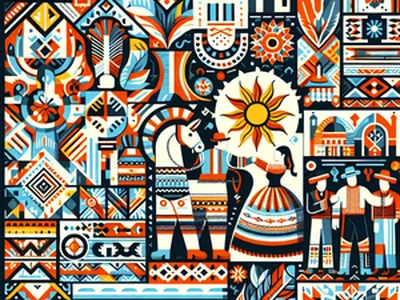
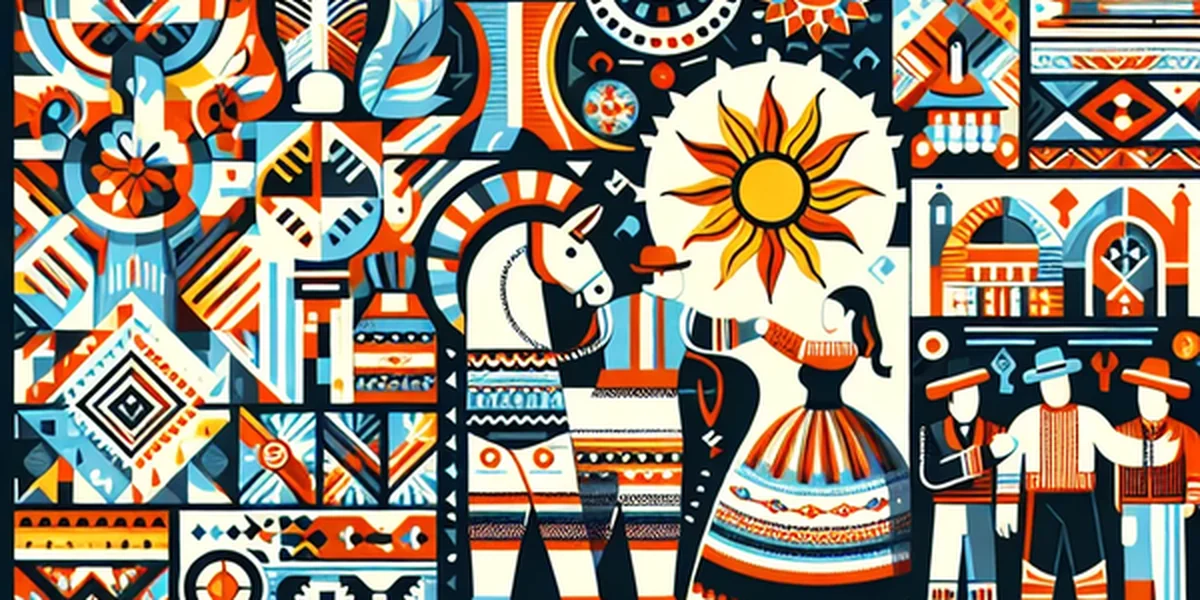
The sun, as depicted on the national flag, is a powerful symbol of freedom and hope. Gaucho imagery represents the rural heritage and independence.
Sources of joy and happiness in the culture
Current Live Content
(132 chars)
Uruguayans find joy in social gatherings, music, dance, and football. The national sport is a source of pride and community bonding.
Celebratory traditions and joyful events
Current Live Content
(170 chars)
Carnival is a major celebration, featuring parades, music, and dance. Other important holidays include Independence Day and Christmas, celebrated with family and friends.
Important holidays and cultural calendar
Current Live Content
(144 chars)
Key holidays include Carnival, Independence Day (August 25), and Christmas. These events are marked by public festivities and family gatherings.
Additional cultural expression notes
Current Live Content
(137 chars)
Uruguay's cultural expression is deeply tied to its history and social values, with a strong emphasis on creativity and artistic freedom.
🏘️ Service Access
Economic context, housing, and nutrition
Economic activities and common occupations
Current Live Content
(166 chars)
Uruguay has a diverse economy with strong agricultural, industrial, and service sectors. Common occupations include farming, manufacturing, and professional services.
Housing types and living arrangements
Current Live Content
(130 chars)
Urban living is common, with a mix of apartments and houses. In rural areas, family-owned farms and communal living are prevalent.
Dietary practices and nutritional norms
Current Live Content
(185 chars)
The diet is heavily influenced by European cuisine, with beef being a staple. Traditional dishes include asado (barbecue) and empanadas, often accompanied by mate, a popular herbal tea.
🗣️ Language Access
Interpretation needs and documentation traditions
Language interpretation requirements
Current Live Content
(152 chars)
Spanish is the official language, and interpretation services are generally needed for non-Spanish speakers, particularly in legal and medical settings.
Important notes for interpreters
Current Live Content
(153 chars)
Interpreters should be aware of regional dialects and cultural nuances. Sensitivity to cultural context is important in ensuring effective communication.
How the culture documents its history and knowledge
Current Live Content
(116 chars)
Documentation is typically formal and detailed, with a preference for written records in legal and official matters.
🌍 Environmental Practices
Environmental practices, sustainability, and climate adaptation
Cultural festivals and celebrations
Current Live Content
(138 chars)
Major festivals include Carnival, which features traditional music and dance, and the Day of Candombe, celebrating Afro-Uruguayan culture.
Traditional medicine practices
Current Live Content
(127 chars)
Herbal medicine and natural remedies are part of traditional healing practices, influenced by indigenous and African heritages.
Environmental stewardship and practices
Current Live Content
(156 chars)
Uruguay is a leader in renewable energy, with significant investments in wind and solar power. Environmental stewardship is integrated into national policy.
Important cultural rituals
Current Live Content
(97 chars)
Rituals such as mate drinking are central to social life, symbolizing hospitality and friendship.
Coming-of-age and life transition rituals
Current Live Content
(141 chars)
Rites of passage include the quinceañera for girls, marking the transition to womanhood, and communal gatherings for significant life events.
Food traditions and culinary practices
Current Live Content
(129 chars)
Traditional foods include asado (barbecue), empanadas, and mate. Cooking methods often involve grilling and communal preparation.
Strategies for adapting to climate
Current Live Content
(137 chars)
Adaptation strategies include infrastructure improvements and policy initiatives focused on sustainable agriculture and water management.
Efforts to conserve biodiversity
Current Live Content
(110 chars)
Efforts include protected areas and national parks, emphasizing conservation of native species and ecosystems.
Sustainable tourism initiatives
Current Live Content
(149 chars)
Sustainable tourism initiatives focus on ecotourism and cultural heritage preservation, promoting responsible travel to natural and historical sites.
Use of renewable energy sources
Current Live Content
(115 chars)
Uruguay is a global leader in renewable energy use, with over 95% of its electricity coming from renewable sources.
Community participation in practices
Current Live Content
(146 chars)
Community involvement is integral, with local groups participating in cultural preservation, environmental conservation, and educational programs.
Environmental education initiatives
Current Live Content
(133 chars)
Environmental education is part of the national curriculum, promoting awareness and action on sustainability issues from a young age.
🏆 Cultural Contributions
Notable figures, innovations, and global influence
Important cultural figures and leaders
Current Live Content
(172 chars)
Figures like José Gervasio Artigas, the national hero, and contemporary artists and writers such as Eduardo Galeano and Jorge Drexler have left a significant cultural mark.
Cultural innovations and adaptations
Current Live Content
(131 chars)
Innovations include the creation of the One Laptop per Child program, ensuring access to technology and education for all children.
Important literary works and oral traditions
Current Live Content
(153 chars)
Important literature includes 'Open Veins of Latin America' by Eduardo Galeano and the poetry of Mario Benedetti, reflecting social and political themes.
Traditional and modern architectural styles
Current Live Content
(143 chars)
Uruguayan architecture is noted for its blend of colonial, Art Deco, and modernist styles, with landmarks like the Palacio Salvo in Montevideo.
Scientific and technological contributions
Current Live Content
(150 chars)
Contributions include advancements in agricultural technology and renewable energy research, positioning Uruguay as a leader in sustainable practices.
Innovative culinary practices
Current Live Content
(135 chars)
Uruguay is known for its unique twist on traditional South American cuisine, integrating local ingredients into global culinary trends.
Global cultural influence
Current Live Content
(126 chars)
Uruguay's influence extends to global music, dance, and literature, often through its vibrant diaspora and cultural diplomacy.
Cultural awards and recognition
Current Live Content
(171 chars)
Uruguayan artists and writers have received numerous international awards, including the Grammy and the Cervantes Prize, recognizing their contributions to global culture.
💻 Modern Adaptations
Modern influences, technology adoption, and globalization
Modern cultural influences and changes
Current Live Content
(129 chars)
Contemporary influences include global music and fashion trends, with traditional elements often blended into modern expressions.
Digital and online cultural presence
Current Live Content
(138 chars)
Uruguay has a strong digital presence, with widespread internet access and a growing tech industry contributing to cultural dissemination.
Impact of globalization on the culture
Current Live Content
(137 chars)
Globalization has led to increased cultural exchanges and economic interdependence, influencing consumer habits and cultural expressions.
Impact of urbanization
Current Live Content
(140 chars)
Urbanization has impacted cultural practices, leading to a mix of traditional and modern lifestyles, particularly in cities like Montevideo.
Adoption of modern technology
Current Live Content
(122 chars)
Uruguay is at the forefront of technology adoption in Latin America, with initiatives in digital governance and education.
Hybrid cultural expressions
Current Live Content
(146 chars)
Fusion of traditional and modern elements is seen in music, fashion, and art, creating unique hybrid forms that resonate with younger generations.
Social media and online engagement
Current Live Content
(136 chars)
Social media is a major platform for cultural expression and political activism, with artists and influencers engaging global audiences.
🤝 Intercultural Relations
Interactions with other cultures and exchange programs
How the culture interacts with others
Current Live Content
(301 chars)
Uruguay has a rich history of interactions with neighboring cultures, notably Argentina and Brazil, due to geographic proximity and shared colonial histories. These interactions have led to a blend of cultural practices and traditions, evident in aspects such as music, dance, and culinary traditions.
Cultural approaches to resolving conflicts
Current Live Content
(246 chars)
Traditional conflict resolution in Uruguay often involves community gatherings where dialogue is facilitated by respected community leaders. These gatherings emphasize consensus and mutual respect, drawing from indigenous and colonial influences.
Cultural exchange initiatives
Current Live Content
(203 chars)
Uruguay participates in several cultural exchange programs, including those organized by UNESCO and the Organization of Ibero-American States, promoting exchanges in arts, education, and social projects.
Trade relationships with other cultures
Current Live Content
(242 chars)
Uruguay has robust trade relations with its Mercosur partners, Argentina, Brazil, and Paraguay, focusing on agricultural products, textiles, and technology. These relations are pivotal in maintaining economic stability and cultural exchanges.
Collaborative artistic initiatives
Current Live Content
(193 chars)
Collaborative artistic endeavors include the Tango and Candombe music genres, which are shared with Argentina. Joint festivals and artistic residencies foster these shared cultural expressions.
Cultural perspectives on intercultural marriage
Current Live Content
(208 chars)
Intercultural marriages are common in Uruguay, particularly with neighbors like Argentina and Brazil. These unions are generally accepted and celebrated, contributing to the cultural diversity of the country.
Collaborative educational programs
Current Live Content
(190 chars)
Uruguay is involved in shared educational initiatives with Latin American countries, focusing on bilingual education and cultural history, often facilitated by regional educational networks.
🌟 Youth & Future
Youth perspectives, employment trends, and future visions
Perspectives and values of young people
Current Live Content
(168 chars)
Uruguayan youth are generally optimistic about the future, valuing education and technological advancement while maintaining a strong connection to cultural traditions.
Youth-focused education programs
Current Live Content
(151 chars)
Education is a priority, with initiatives focusing on digital literacy, STEM education, and bilingual programs to prepare youth for global citizenship.
Anticipated future challenges
Current Live Content
(130 chars)
Challenges include economic diversification, climate change adaptation, and ensuring equitable access to technology and education.
Employment patterns among youth
Current Live Content
(139 chars)
Youth employment trends show a shift towards technology and service industries, with a growing interest in entrepreneurship and innovation.
Cultural visions for the future
Current Live Content
(126 chars)
Community visions for the future emphasize sustainable development, cultural preservation, and increased regional cooperation.
Youth in leadership positions
Current Live Content
(133 chars)
Youth are increasingly taking on leadership roles in social movements, particularly in environmental activism and digital innovation.
Youth entrepreneurship and innovation
Current Live Content
(144 chars)
Montevideo is becoming a hub for startups, led by young entrepreneurs focusing on tech solutions, sustainable practices, and social innovations.
🛡️ Challenges & Preservation
Cultural challenges and preservation efforts
Current cultural challenges
Current Live Content
(153 chars)
Current challenges include balancing modernization with cultural preservation, addressing social inequalities, and managing environmental sustainability.
Efforts to preserve cultural heritage
Current Live Content
(159 chars)
Efforts to preserve cultural heritage include government programs and community initiatives focused on maintaining languages, traditions, and historical sites.