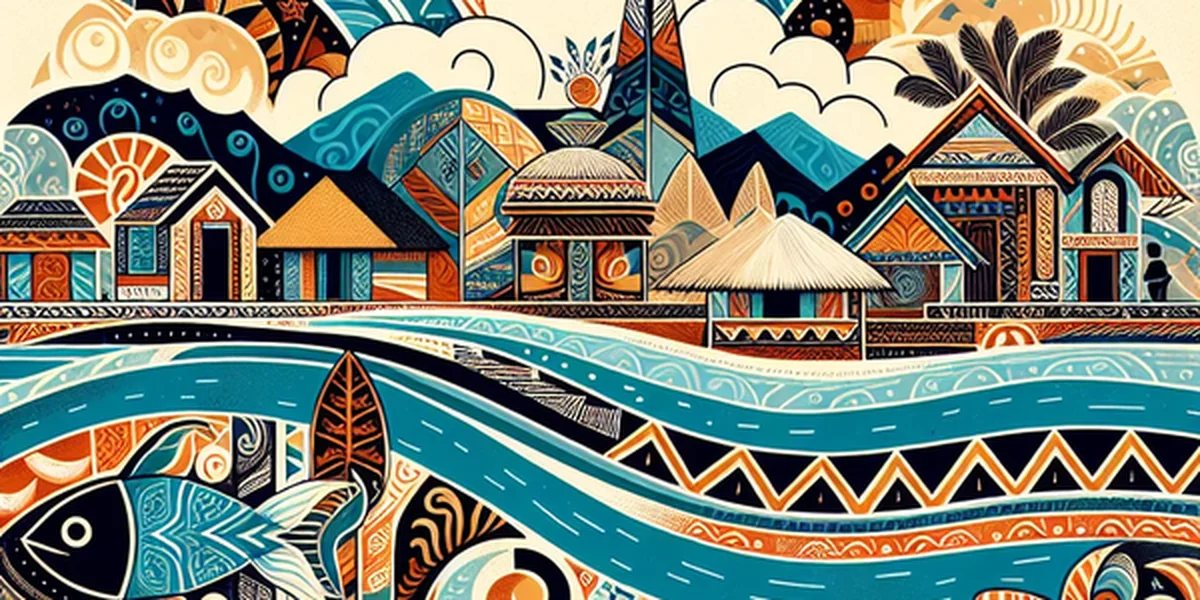
During polar night, Inuit communities live in darkness for months. The Winter Solstice marks the sun's return—a profound moment of hope, renewal, and celebration of light conquering darkness.
Thumbnail image shown on culture cards (recommended: 400x400px, square)
Hero Image
Large banner image for the culture detail page (recommended: 1200x600px,
wide)
📝 Core Information
Essential identifying information about the culture
The official name of the culture being enriched
Max 100 characters 4
A unique alphanumeric code representing the culture
Max 20 characters 3
A concise overview highlighting key attributes
Current Live Content
(319 chars)
Max 500 characters 319
Detailed description of defining characteristics, history, and contributions
Current Live Content
(319 chars)
The Motu culture is characterized by its rich maritime traditions, including the famous Hiri trade voyages. They have a strong communal lifestyle with a deep connection to the sea. The Motu language is part of the Austronesian language family, and their cultural practices are deeply intertwined with their environment.
Max 5000 characters 319
Primary geographic area where the culture is located
Languages spoken by the culture
Empty
Cultures with historical, linguistic, or geographic ties
Empty
Alternative names for the culture
Empty
Broader cultural group this culture belongs to
📚 History
Historical context, migration patterns, and regional variations
Long history, roots, and identity development
Current Live Content
(398 chars)
The Motu people have a long history of seafaring and trade, particularly known for the Hiri voyages, where they traded clay pots for sago with the Gulf people. This trade network was crucial for their survival and cultural exchange. The arrival of European explorers and missionaries in the 19th century brought significant changes, including the introduction of Christianity and Western education.
Traditional and modern migration movements
Current Live Content
(227 chars)
Historically, the Motu people have been relatively sedentary, with their settlements concentrated around the coastal areas of Central Province. However, the Hiri trade routes facilitated temporary migrations for trade purposes.
Challenges faced and resilience demonstrated
Current Live Content
(204 chars)
The Motu have faced challenges from colonial influences and inter-tribal conflicts but have shown resilience by adapting their traditional practices to modern contexts while maintaining cultural identity.
Perspectives from diaspora communities
Current Live Content
(156 chars)
While the Motu diaspora is not extensive, those living abroad often engage in cultural preservation activities and maintain strong ties with their homeland.
Variations in dialects and customs across regions
Current Live Content
(155 chars)
There are slight variations in dialect and customs among Motu communities, influenced by interactions with neighboring cultures such as the Koita and Hula.
Efforts to bridge cultural gaps
Current Live Content
(158 chars)
Understanding the Motu's historical trade practices and their adaptation to modern influences is key to appreciating their cultural resilience and continuity.
🙏 Beliefs & Values
Spiritual practices, worldview, and cultural values
Religious practices and their influence on daily life
Current Live Content
(190 chars)
The Motu traditionally practiced animism, believing in spirits associated with natural elements. Today, Christianity is prevalent, but traditional beliefs still influence cultural practices.
Cultural worldview and core beliefs
Current Live Content
(207 chars)
The Motu worldview is deeply connected to the sea, which is seen as a source of life and sustenance. Community and kinship are central, with a strong emphasis on collective well-being and respect for elders.
Important proverbs and sayings
Current Live Content
(126 chars)
Proverbs often reflect the importance of community, wisdom, and the sea, such as 'The canoe does not move without the paddle.'
Naming traditions and terms of address
Current Live Content
(148 chars)
Names often reflect familial ties and ancestral heritage. Respectful terms of address are used for elders and leaders, emphasizing social hierarchy.
🏥 Health & Wellness
Health practices, mental health views, and healthcare access
Overall health practices and approaches
Current Live Content
(207 chars)
Traditional health practices coexist with modern healthcare. The Motu value holistic approaches, integrating physical, spiritual, and community well-being. Access to healthcare can be limited in rural areas.
Cultural perspectives on mental health
Current Live Content
(193 chars)
Mental health is often viewed through a communal lens, with support from family and community playing a crucial role. Traditional beliefs may attribute mental health issues to spiritual causes.
Role of traditional healers in the community
Current Live Content
(136 chars)
Traditional healers, known as 'tauna', play an important role in addressing health issues, using herbal remedies and spiritual guidance.
How gender influences healthcare access and practices
Current Live Content
(185 chars)
Women often serve as primary caregivers within families, while men may seek traditional healers for guidance. Gender roles in healthcare are evolving with increased access to education.
Barriers to accessing healthcare
Current Live Content
(144 chars)
Barriers include geographical isolation, limited healthcare infrastructure, and cultural differences in understanding Western medical practices.
🎓 Education
Learning styles, educational approaches, and parental engagement
Educational approaches and learning styles
Current Live Content
(151 chars)
Education is valued, with a focus on both formal schooling and traditional knowledge. Storytelling and practical skills are key components of learning.
Preferred learning methods and styles
Current Live Content
(147 chars)
Learning is often experiential, with an emphasis on observation and participation in community activities. Oral traditions play a significant role.
How parents engage in children's education
Current Live Content
(127 chars)
Parents are actively involved in their children's education, emphasizing the importance of both academic and cultural learning.
👥 Community & Family
Social structure, family dynamics, and community values
How families and communities are organized
Current Live Content
(172 chars)
The Motu have a strong kinship system, with extended families living in close-knit communities. Social structure is hierarchical, with elders holding significant authority.
Approaches to discipline and behavioral expectations
Current Live Content
(132 chars)
Discipline is community-oriented, focusing on maintaining harmony and respect. Elders and community leaders often mediate conflicts.
Cultural attitudes toward authority
Current Live Content
(142 chars)
Respect for authority is deeply ingrained, with elders and community leaders playing pivotal roles in decision-making and conflict resolution.
Social etiquette and important customs
Current Live Content
(145 chars)
Etiquette emphasizes respect, hospitality, and communal sharing. Customs include traditional greetings and the sharing of food during gatherings.
Community strengths and resilience factors
Current Live Content
(151 chars)
The Motu community is resilient, with strong social networks and a deep connection to cultural traditions that support adaptation to modern challenges.
🎨 Art & Expression
Artistic expression, music, celebrations, and cultural symbols
Artistic and musical traditions
Current Live Content
(210 chars)
Motu art and music are vibrant, featuring traditional dances, songs, and carvings that reflect their maritime heritage. The 'Hiri Moale' festival celebrates their cultural identity through performances and art.
Important cultural symbols and motifs
Current Live Content
(141 chars)
Common symbols include the canoe and the sea, representing their seafaring traditions. Motifs often depict marine life and ancestral stories.
Sources of joy and happiness in the culture
Current Live Content
(106 chars)
Community gatherings, storytelling, and traditional music and dance bring joy and strengthen social bonds.
Celebratory traditions and joyful events
Current Live Content
(143 chars)
The Hiri Moale festival is a major celebration, featuring canoe races, cultural performances, and the reenactment of traditional trade voyages.
Important holidays and cultural calendar
Current Live Content
(146 chars)
Cultural events are often tied to the lunar calendar, with significant celebrations during the Hiri Moale festival and other community gatherings.
Additional cultural expression notes
Current Live Content
(172 chars)
The Motu's artistic expressions are not only a reflection of their cultural heritage but also a means of preserving and transmitting their traditions to future generations.
🏘️ Service Access
Economic context, housing, and nutrition
Economic activities and common occupations
Current Live Content
(149 chars)
Traditionally, the Motu engaged in fishing and trade. Today, many are involved in various sectors, including public service, education, and commerce.
Housing types and living arrangements
Current Live Content
(120 chars)
Housing is often communal, with extended families living together. Traditional stilt houses are common in coastal areas.
Dietary practices and nutritional norms
Current Live Content
(129 chars)
The diet is heavily based on seafood, sago, and locally grown vegetables. Traditional cooking methods are still widely practiced.
🗣️ Language Access
Interpretation needs and documentation traditions
Language interpretation requirements
Current Live Content
(137 chars)
While many Motu people speak English or Tok Pisin, interpretation services may be needed for those who primarily speak Motu or Hiri Motu.
Important notes for interpreters
Current Live Content
(111 chars)
Interpreters should be culturally sensitive and aware of the nuances in Motu language and communication styles.
How the culture documents its history and knowledge
Current Live Content
(149 chars)
Oral traditions are strong, with storytelling being a key method of preserving history and culture. Written documentation is less common but growing.
🌍 Environmental Practices
Environmental practices, sustainability, and climate adaptation
Cultural festivals and celebrations
Current Live Content
(164 chars)
Major festivals include the Hiri Moale Festival, which celebrates the historical Hiri trade voyages with traditional dances, canoe races, and cultural performances.
Traditional medicine practices
Current Live Content
(137 chars)
Traditional healing practices involve the use of herbal remedies and spiritual rituals conducted by respected healers, known as 'daukai'.
Environmental stewardship and practices
Current Live Content
(159 chars)
The Motu have long practiced sustainable fishing and agriculture, guided by traditional knowledge that emphasizes respect for natural resources and ecosystems.
Important cultural rituals
Current Live Content
(167 chars)
Important cultural rituals include initiation ceremonies, marriage rites, and funerary practices, often accompanied by music, dance, and the use of symbolic artifacts.
Coming-of-age and life transition rituals
Current Live Content
(185 chars)
Coming-of-age ceremonies are significant, marking the transition from childhood to adulthood with rituals that often involve community recognition and the imparting of responsibilities.
Food traditions and culinary practices
Current Live Content
(180 chars)
Traditional foods include dishes such as sago, taro, and seafood, often cooked using earth ovens. The preparation and sharing of food are central to cultural and social gatherings.
Strategies for adapting to climate
Current Live Content
(214 chars)
Adaptation strategies include the use of indigenous knowledge to predict weather patterns and the implementation of community-based conservation projects to protect coastal areas from erosion and rising sea levels.
Efforts to conserve biodiversity
Current Live Content
(167 chars)
Efforts are underway to conserve the rich biodiversity of the Motu regions through community-managed protected areas and partnerships with environmental organizations.
Sustainable tourism initiatives
Current Live Content
(160 chars)
Sustainable tourism is promoted through community-based tourism initiatives that involve local guides and emphasize cultural education and ecological awareness.
Use of renewable energy sources
Current Live Content
(158 chars)
There is a gradual shift towards renewable energy sources, such as solar power, especially in remote areas where traditional energy infrastructure is limited.
Community participation in practices
Current Live Content
(192 chars)
Community participation in cultural practices is strong, with collective involvement in festivals, conservation efforts, and education programs ensuring the transmission of cultural knowledge.
Environmental education initiatives
Current Live Content
(187 chars)
Environmental education initiatives aim to integrate traditional ecological knowledge with modern environmental science, involving schools and community groups in conservation activities.
🏆 Cultural Contributions
Notable figures, innovations, and global influence
Important cultural figures and leaders
Current Live Content
(153 chars)
Important figures include Sir Michael Somare, a key political leader, and Dame Meg Taylor, a prominent diplomat and advocate for Pacific Islander issues.
Cultural innovations and adaptations
Current Live Content
(176 chars)
Significant innovations include the development of traditional navigation techniques and the crafting of distinctive pottery, which are both integral to Motu cultural heritage.
Important literary works and oral traditions
Current Live Content
(145 chars)
Oral traditions and storytelling are vital, with stories often passed down through generations to convey moral lessons and historical narratives.
Traditional and modern architectural styles
Current Live Content
(153 chars)
Distinctive architectural features include stilt houses designed to withstand coastal conditions and traditional meeting houses known as 'haus tambaran'.
Scientific and technological contributions
Current Live Content
(153 chars)
Contributions to environmental science and marine biology, particularly in the study of local ecosystems and sustainable practices, have been recognized.
Innovative culinary practices
Current Live Content
(184 chars)
Notable culinary contributions involve the fusion of traditional ingredients with contemporary cooking techniques, creating a unique gastronomy reflective of the region's biodiversity.
Global cultural influence
Current Live Content
(168 chars)
The Motu culture has influenced global understanding of sustainable living and the importance of preserving indigenous knowledge in addressing environmental challenges.
Cultural awards and recognition
Current Live Content
(179 chars)
Recognition includes international awards for environmental conservation efforts and cultural preservation projects, highlighting the Motu's commitment to sustainable development.
💻 Modern Adaptations
Modern influences, technology adoption, and globalization
Modern cultural influences and changes
Current Live Content
(144 chars)
Contemporary influences include the integration of global music genres, fashion trends, and digital media into traditional cultural expressions.
Digital and online cultural presence
Current Live Content
(169 chars)
The Motu have an increasing online presence, with digital platforms used to promote cultural heritage, connect with diaspora communities, and engage in global dialogues.
Impact of globalization on the culture
Current Live Content
(183 chars)
Globalization has brought both opportunities and challenges, including increased access to information and markets, alongside pressures on cultural identity and traditional practices.
Impact of urbanization
Current Live Content
(156 chars)
Urbanization has led to shifts in living patterns, with more Motu people moving to urban centers, impacting traditional community structures and lifestyles.
Adoption of modern technology
Current Live Content
(171 chars)
Technology is widely adopted, particularly in education and communication, with young people leading the way in utilizing digital tools for cultural and economic purposes.
Hybrid cultural expressions
Current Live Content
(147 chars)
Hybrid cultural forms are emerging, blending traditional Motu elements with contemporary influences in areas such as music, dance, and visual arts.
Social media and online engagement
Current Live Content
(143 chars)
Social media platforms are actively used to share cultural content, engage with broader audiences, and advocate for cultural and social issues.
🤝 Intercultural Relations
Interactions with other cultures and exchange programs
How the culture interacts with others
Current Live Content
(426 chars)
The Motu people, indigenous to the coastal areas of Papua New Guinea, have historically interacted with neighboring cultures such as the Koitabu and other Melanesian groups. These interactions have been facilitated through trade, marriage, and shared cultural practices. In recent times, globalization and increased connectivity have expanded their interactions to include Western cultures and other international communities.
Cultural approaches to resolving conflicts
Current Live Content
(373 chars)
Traditionally, the Motu people use a combination of communal discussions and the involvement of elders to resolve conflicts. Elders play a crucial role in mediating disputes, leveraging their wisdom and status to achieve peaceful resolutions. The use of ceremonies and symbolic gestures, such as the exchange of shell money and food, are also integral in restoring harmony.
Cultural exchange initiatives
Current Live Content
(289 chars)
Several initiatives have been established to promote cultural exchange between the Motu and other cultures. These programs often involve educational exchanges, art and craft exhibitions, and participation in international cultural festivals to foster mutual understanding and appreciation.
Trade relationships with other cultures
Current Live Content
(365 chars)
Historically, the Motu were renowned for their Hiri trade voyages, where they engaged in barter trade with the Gulf of Papua communities. These trade routes facilitated the exchange of clay pots and other goods. In modern times, trade relations have expanded to include regional and international markets, focusing on both traditional crafts and contemporary goods.
Collaborative artistic initiatives
Current Live Content
(280 chars)
Collaborative artistic endeavors include participation in regional arts festivals and joint projects with neighboring communities to create cross-cultural artworks. These projects often highlight shared themes and explore the fusion of traditional and modern artistic expressions.
Cultural perspectives on intercultural marriage
Current Live Content
(277 chars)
Intercultural marriages between the Motu and other communities are increasingly common, reflecting broader societal trends toward multiculturalism. Such marriages are generally viewed positively, as they foster stronger ties and cultural understanding between different groups.
Collaborative educational programs
Current Live Content
(299 chars)
Joint educational programs, often supported by NGOs and governmental organizations, aim to enhance literacy and educational opportunities for Motu youth. These initiatives sometimes involve partnerships with international schools and educational institutions to provide diverse learning experiences.
🌟 Youth & Future
Youth perspectives, employment trends, and future visions
Perspectives and values of young people
Current Live Content
(230 chars)
Motu youth are increasingly focused on balancing traditional values with modern aspirations. Many express a desire to pursue higher education and careers that contribute to both their local communities and broader global contexts.
Youth-focused education programs
Current Live Content
(258 chars)
Education programs prioritize bilingual education, incorporating both Motu and English languages. There is also an emphasis on STEM subjects and cultural studies, ensuring that youth are well-equipped to navigate both modern challenges and cultural heritage.
Anticipated future challenges
Current Live Content
(250 chars)
Anticipated challenges include the preservation of cultural identity in the face of globalization, economic development, and environmental changes. There is also concern about maintaining traditional knowledge and practices among younger generations.
Employment patterns among youth
Current Live Content
(259 chars)
Employment trends among Motu youth show a shift towards service-based industries and entrepreneurship, with many leveraging technology and tourism opportunities. However, there is still a strong presence in traditional sectors such as fishing and agriculture.
Cultural visions for the future
Current Live Content
(259 chars)
Community visions for the future emphasize sustainable development, cultural preservation, and increased participation in global dialogues. There is a strong desire to harness modern technology to improve living standards while maintaining cultural integrity.
Youth in leadership positions
Current Live Content
(232 chars)
Youth are increasingly taking on leadership roles within community organizations and cultural groups. Programs are in place to mentor young leaders and integrate them into decision-making processes at both local and national levels.
Youth entrepreneurship and innovation
Current Live Content
(199 chars)
There is a growing trend of youth-driven startups focusing on social entrepreneurship, with initiatives in eco-tourism, digital platforms for cultural exchange, and sustainable agriculture practices.
🛡️ Challenges & Preservation
Cultural challenges and preservation efforts
Current cultural challenges
Current Live Content
(186 chars)
Current challenges include the erosion of traditional languages, the impact of climate change on coastal communities, and the need for economic development that respects cultural values.
Efforts to preserve cultural heritage
Current Live Content
(174 chars)
Efforts to preserve cultural heritage involve documentation projects, revitalization of traditional arts, and education programs that focus on cultural history and practices.