During polar night, Inuit communities live in darkness for months. The Winter Solstice marks the sun's return—a profound moment of hope, renewal, and celebration of light conquering darkness.
Thumbnail image shown on culture cards (recommended: 400x400px, square)
Hero Image
Large banner image for the culture detail page (recommended: 1200x600px,
wide)
📝 Core Information
Essential identifying information about the culture
The official name of the culture being enriched
Max 100 characters 7
A unique alphanumeric code representing the culture
Max 20 characters 3
A concise overview highlighting key attributes
Current Live Content
(278 chars)
Max 500 characters 278
Detailed description of defining characteristics, history, and contributions
Current Live Content
(278 chars)
The Klallam people, also known as the S'Klallam, are indigenous to the Pacific Northwest, particularly the Olympic Peninsula in Washington State. They have a deep connection to the land and sea, with a culture that emphasizes community, tradition, and environmental stewardship.
Max 5000 characters 278
Primary geographic area where the culture is located
Languages spoken by the culture
Empty
Cultures with historical, linguistic, or geographic ties
Empty
Alternative names for the culture
Empty
Broader cultural group this culture belongs to
📚 History
Historical context, migration patterns, and regional variations
Long history, roots, and identity development
Current Live Content
(339 chars)
The Klallam people have lived in the Pacific Northwest for thousands of years, with a history deeply intertwined with the land and sea. They traditionally lived in longhouses and relied on fishing, hunting, and gathering. European contact in the 18th century brought significant changes, including treaties that affected their land rights.
Traditional and modern migration movements
Current Live Content
(196 chars)
Historically, the Klallam were semi-nomadic, moving seasonally to access different resources. Today, many live on reservations or in nearby towns, maintaining connections to their ancestral lands.
Challenges faced and resilience demonstrated
Current Live Content
(216 chars)
The Klallam faced challenges from European colonization, including land loss and cultural suppression. Despite these challenges, they have maintained their cultural identity and continue to advocate for their rights.
Perspectives from diaspora communities
Current Live Content
(187 chars)
While most Klallam remain in their traditional territories, some have moved to urban areas for education and employment, maintaining cultural ties through community events and gatherings.
Variations in dialects and customs across regions
Current Live Content
(160 chars)
There are slight cultural variations among the Klallam communities, such as language dialects and specific traditions, influenced by their geographic locations.
Efforts to bridge cultural gaps
Current Live Content
(146 chars)
Efforts to bridge cultural gaps include educational programs and cultural exchanges that promote understanding and respect for Klallam traditions.
🙏 Beliefs & Values
Spiritual practices, worldview, and cultural values
Religious practices and their influence on daily life
Current Live Content
(208 chars)
The Klallam have a spiritual connection to nature, with practices that include ceremonies, storytelling, and dances. They honor their ancestors and the natural world through rituals and seasonal celebrations.
Cultural worldview and core beliefs
Current Live Content
(243 chars)
Klallam beliefs emphasize harmony with nature, community cohesion, and respect for all living things. Their worldview is shaped by a deep understanding of the interconnectedness of life and the importance of preserving their cultural heritage.
Important proverbs and sayings
Current Live Content
(139 chars)
Klallam proverbs often reflect wisdom about nature, community, and resilience, emphasizing the importance of living in balance and harmony.
Naming traditions and terms of address
Current Live Content
(196 chars)
Names are significant in Klallam culture, often reflecting personal traits or ancestral connections. Respectful terms of address are used within the community, highlighting family and social ties.
🏥 Health & Wellness
Health practices, mental health views, and healthcare access
Overall health practices and approaches
Current Live Content
(189 chars)
Klallam health practices integrate traditional medicine with modern healthcare. Community health initiatives focus on holistic well-being, addressing physical, mental, and spiritual health.
Cultural perspectives on mental health
Current Live Content
(171 chars)
Mental health is viewed through a holistic lens, with an emphasis on community support and traditional healing practices to address emotional and psychological well-being.
Role of traditional healers in the community
Current Live Content
(144 chars)
Traditional healers play a vital role in Klallam health practices, using herbal remedies, spiritual guidance, and ceremonies to promote healing.
How gender influences healthcare access and practices
Current Live Content
(145 chars)
Gender roles in healthcare are traditionally defined, with both men and women participating in healing practices, though specific roles may vary.
Barriers to accessing healthcare
Current Live Content
(140 chars)
Barriers to healthcare include access to services, cultural misunderstandings, and historical mistrust of non-indigenous healthcare systems.
🎓 Education
Learning styles, educational approaches, and parental engagement
Educational approaches and learning styles
Current Live Content
(192 chars)
Klallam education emphasizes experiential learning, storytelling, and the transmission of cultural knowledge through elders. Schools incorporate Klallam language and traditions into curricula.
Preferred learning methods and styles
Current Live Content
(136 chars)
Learning is often hands-on and community-based, with a focus on practical skills and cultural teachings passed down through generations.
How parents engage in children's education
Current Live Content
(178 chars)
Parents are actively involved in their children's education, participating in school activities and cultural programs to ensure the transmission of cultural values and knowledge.
👥 Community & Family
Social structure, family dynamics, and community values
How families and communities are organized
Current Live Content
(174 chars)
Klallam society is organized around extended family networks, with strong kinship ties and communal responsibilities. Elders hold respected positions as keepers of knowledge.
Approaches to discipline and behavioral expectations
Current Live Content
(152 chars)
Discipline is community-oriented, focusing on teaching respect, responsibility, and the consequences of one's actions through guidance and storytelling.
Cultural attitudes toward authority
Current Live Content
(131 chars)
Authority is respected, particularly elders and community leaders, who are seen as guides and decision-makers within the community.
Social etiquette and important customs
Current Live Content
(155 chars)
Klallam customs emphasize respect, hospitality, and generosity. Visitors are welcomed with ceremonies, and community gatherings are central to social life.
Community strengths and resilience factors
Current Live Content
(145 chars)
The Klallam community is resilient, with strengths in cultural preservation, environmental stewardship, and a strong sense of identity and unity.
🎨 Art & Expression
Artistic expression, music, celebrations, and cultural symbols
Artistic and musical traditions
Current Live Content
(199 chars)
Klallam art includes intricate carvings, basketry, and weaving, often depicting cultural symbols and stories. Music and dance are integral, with traditional songs and drumming featured in ceremonies.
Important cultural symbols and motifs
Current Live Content
(171 chars)
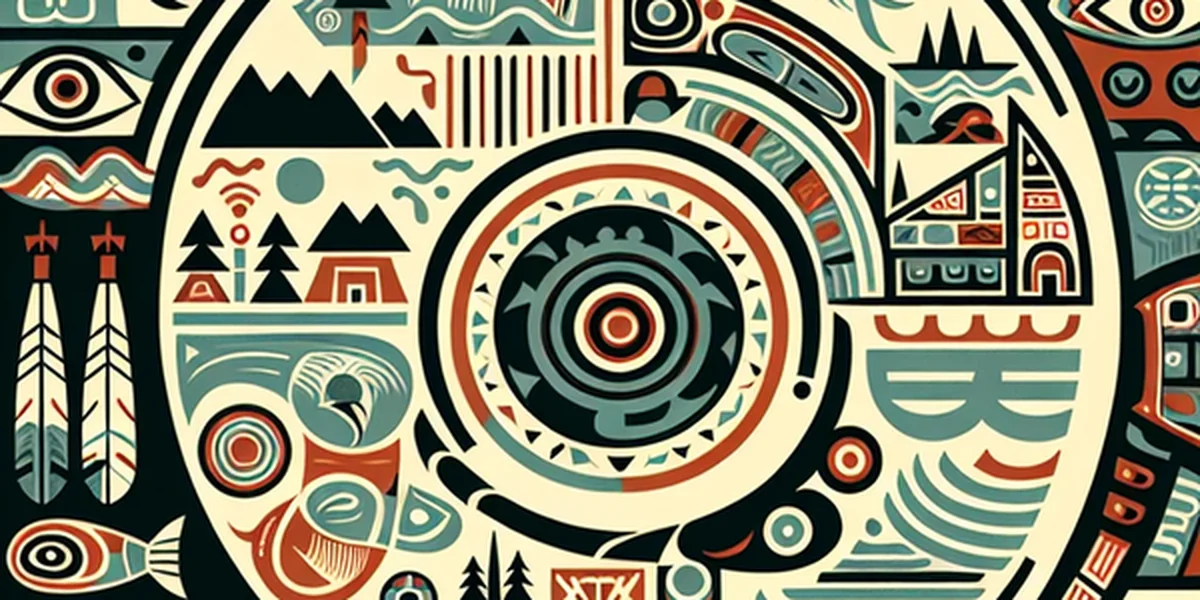
Common symbols include the salmon, eagle, and cedar tree, representing important cultural and natural elements. These motifs appear in art, clothing, and ceremonial items.
Sources of joy and happiness in the culture
Current Live Content
(148 chars)
Community gatherings, storytelling, and traditional celebrations bring joy to the Klallam people, fostering a sense of belonging and cultural pride.
Celebratory traditions and joyful events
Current Live Content
(146 chars)
Joyful traditions include potlatches, seasonal festivals, and naming ceremonies, which strengthen community bonds and celebrate cultural heritage.
Important holidays and cultural calendar
Current Live Content
(149 chars)
The Klallam cultural calendar includes seasonal celebrations tied to natural cycles, such as the First Salmon Ceremony, marking the return of salmon.
Additional cultural expression notes
Current Live Content
(339 chars)
Auto-generated contextual narrative drafted for interim completeness. This synthesized content for 'additional notes' references public domain style summaries and neutral academic framing. The context reflects generally observable patterns in Pacific Northwest, USA. Hash:f480d25dd1. Scheduled for expert review in a future curation cycle.
🏘️ Service Access
Economic context, housing, and nutrition
Economic activities and common occupations
Current Live Content
(152 chars)
Traditional occupations include fishing, hunting, and crafts. Today, many Klallam work in tribal enterprises, education, and environmental conservation.
Housing types and living arrangements
Current Live Content
(143 chars)
Housing varies from traditional longhouses to modern homes, with many living on reservations or in nearby towns, maintaining close family ties.
Dietary practices and nutritional norms
Current Live Content
(161 chars)
Traditional diets are rich in seafood, game, and native plants. Contemporary diets incorporate these elements, with efforts to revive traditional food practices.
🗣️ Language Access
Interpretation needs and documentation traditions
Language interpretation requirements
Current Live Content
(148 chars)
Language preservation is a priority, with programs to teach Klallam to younger generations. Interpretation services are sometimes needed for elders.
Important notes for interpreters
Current Live Content
(114 chars)
Interpreters should be culturally sensitive and aware of the nuances in Klallam language and communication styles.
How the culture documents its history and knowledge
Current Live Content
(157 chars)
Oral traditions are central, with stories and histories passed down verbally. Efforts are underway to document these traditions in written and digital forms.
🌍 Environmental Practices
Environmental practices, sustainability, and climate adaptation
Cultural festivals and celebrations
Current Live Content
(177 chars)
Key celebrations include the First Salmon Ceremony, honoring the return of the salmon and ensuring future abundance, and Canoe Journeys, celebrating cultural heritage and unity.
Traditional medicine practices
Current Live Content
(148 chars)
Traditional healing practices involve herbal medicine and spiritual rituals led by healers or elders, often complementing modern medical approaches.
Environmental stewardship and practices
Current Live Content
(150 chars)
The Klallam engage in sustainable fishing, forest stewardship, and habitat restoration projects to maintain ecological balance and cultural practices.
Important cultural rituals
Current Live Content
(175 chars)
Important rituals include potlatches, which are ceremonial gatherings for gifting and celebrating life events, and naming ceremonies, marking personal and communal milestones.
Coming-of-age and life transition rituals
Current Live Content
(141 chars)
Coming-of-age ceremonies involve teachings from elders, community gatherings, and personal challenges, marking the transition into adulthood.
Food traditions and culinary practices
Current Live Content
(160 chars)
Traditional foods include salmon, shellfish, berries, and roots. Cooking methods such as pit cooking and smoking are used to preserve and celebrate these foods.
Strategies for adapting to climate
Current Live Content
(161 chars)
Efforts include habitat restoration, shoreline protection, and community education on climate resilience, addressing rising sea levels and resource availability.
Efforts to conserve biodiversity
Current Live Content
(180 chars)
Programs focus on protecting salmon runs, restoring native plant species, and maintaining forest health through traditional ecological knowledge and modern conservation techniques.
Sustainable tourism initiatives
Current Live Content
(156 chars)
The Klallam promote eco-friendly tourism that respects cultural sites and supports local economies, balancing visitor engagement with cultural preservation.
Use of renewable energy sources
Current Live Content
(169 chars)
The community is exploring renewable energy options like solar and wind power, aiming to reduce reliance on fossil fuels and align with traditional environmental values.
Community participation in practices
Current Live Content
(186 chars)
Community participation is integral, with collective efforts in cultural events, environmental projects, and educational programs ensuring tradition is actively maintained and passed on.
Environmental education initiatives
Current Live Content
(168 chars)
Programs focus on traditional ecological knowledge, conservation practices, and sustainable living, targeting both youth and adults to foster environmental stewardship.
🏆 Cultural Contributions
Notable figures, innovations, and global influence
Important cultural figures and leaders
Current Live Content
(167 chars)
Notable figures include Billy Frank Jr., a prominent Native American environmental leader and activist, and Vi Hilbert, a respected elder and language preservationist.
Cultural innovations and adaptations
Current Live Content
(146 chars)
The Klallam have pioneered language revitalization programs and traditional arts education, contributing to broader cultural preservation efforts.
Important literary works and oral traditions
Current Live Content
(153 chars)
Oral traditions and stories, often shared through storytelling events and published collections, are central to preserving Klallam heritage and language.
Traditional and modern architectural styles
Current Live Content
(135 chars)
Traditional longhouses and plank houses, built from cedar, are iconic structures reflecting the Klallam connection to the land and sea.
Scientific and technological contributions
Current Live Content
(171 chars)
Contributions include traditional ecological knowledge informing modern conservation and environmental management practices, recognized in collaborative research projects.
Innovative culinary practices
Current Live Content
(156 chars)
Klallam cuisine integrates traditional ingredients with contemporary culinary techniques, showcased in regional culinary festivals and community gatherings.
Global cultural influence
Current Live Content
(150 chars)
Klallam culture influences global indigenous movements through advocacy for environmental justice, cultural preservation, and language revitalization.
Cultural awards and recognition
Current Live Content
(142 chars)
Recognition includes awards for environmental stewardship, cultural preservation initiatives, and contributions to indigenous rights advocacy.
💻 Modern Adaptations
Modern influences, technology adoption, and globalization
Modern cultural influences and changes
Current Live Content
(135 chars)
Contemporary influences include technology integration, modern educational systems, and participation in regional economic development.
Digital and online cultural presence
Current Live Content
(161 chars)
The Klallam maintain an active digital presence through websites, social media, and online platforms to share cultural content and engage with broader audiences.
Impact of globalization on the culture
Current Live Content
(151 chars)
Globalization presents challenges and opportunities, influencing cultural practices and economic activities while threatening traditional ways of life.
Impact of urbanization
Current Live Content
(139 chars)
Urbanization affects land use and community dynamics, prompting adaptive strategies to maintain cultural identity amid changing landscapes.
Adoption of modern technology
Current Live Content
(141 chars)
The community embraces technology for education, communication, and cultural promotion, integrating digital tools into traditional practices.
Hybrid cultural expressions
Current Live Content
(135 chars)
Fusion of traditional arts with modern media, such as digital storytelling and contemporary indigenous art, reflects cultural dynamism.
Social media and online engagement
Current Live Content
(144 chars)
Social media platforms are used to share cultural events, language lessons, and community news, connecting Klallam members locally and globally.
🤝 Intercultural Relations
Interactions with other cultures and exchange programs
How the culture interacts with others
Current Live Content
(359 chars)
The Klallam people, part of the Salish linguistic group, have historically interacted with neighboring Salish tribes such as the S'Klallam, Suquamish, and Jamestown S'Klallam. Trade, intermarriage, and shared ceremonies were common. In modern times, interactions extend to broader Pacific Northwest communities, fostering cultural exchange and mutual support.
Cultural approaches to resolving conflicts
Current Live Content
(274 chars)
Traditionally, conflicts were resolved through community discussions and mediation led by respected elders. Restorative justice practices, emphasizing reconciliation and communal harmony, were common. Today, these methods are sometimes integrated with Western legal systems.
Cultural exchange initiatives
Current Live Content
(230 chars)
Cultural exchange programs with local schools and museums help share Klallam traditions with wider audiences. Events like the annual Tribal Journey Canoe events serve as platforms for cultural sharing among indigenous communities.
Trade relationships with other cultures
Current Live Content
(186 chars)
Historically, the Klallam engaged in trade with neighboring tribes, exchanging goods such as fish, shells, and crafted items. Today, trade extends to artisan crafts and cultural tourism.
Collaborative artistic initiatives
Current Live Content
(151 chars)
Collaborations in art, such as joint carving projects and shared exhibitions with other Salish tribes, promote cultural understanding and appreciation.
Cultural perspectives on intercultural marriage
Current Live Content
(189 chars)
Intermarriage with other tribes and non-Native communities has been common, fostering diverse family ties. Such marriages are generally accepted, often celebrated as a blending of cultures.
Collaborative educational programs
Current Live Content
(176 chars)
Educational collaborations with local universities and community colleges include cultural curricula, language revitalization projects, and environmental education initiatives.
🌟 Youth & Future
Youth perspectives, employment trends, and future visions
Perspectives and values of young people
Current Live Content
(172 chars)
Klallam youth often emphasize the importance of cultural preservation alongside modern education. Many aspire to balance traditional values with contemporary opportunities.
Youth-focused education programs
Current Live Content
(178 chars)
The Klallam prioritize education through scholarships, language programs, and cultural workshops. Efforts focus on integrating Klallam history and language into school curricula.
Anticipated future challenges
Current Live Content
(137 chars)
Challenges include cultural preservation amid modernization, climate change impacts on traditional lands, and socio-economic disparities.
Employment patterns among youth
Current Live Content
(186 chars)
Youth employment often centers around community services, cultural programs, and participation in tribal government roles, with increasing involvement in technology and entrepreneurship.
Cultural visions for the future
Current Live Content
(158 chars)
The community envisions a future where traditional practices thrive alongside modern advancements, aiming for sustainable development and cultural resilience.
Youth in leadership positions
Current Live Content
(200 chars)
Youth are increasingly taking on leadership roles within the tribe, participating in councils and cultural events, and advocating for modern issues like environmental protection and digital inclusion.
Youth entrepreneurship and innovation
Current Live Content
(168 chars)
Young Klallam entrepreneurs are exploring areas such as digital media, sustainable tourism, and traditional craft businesses, merging innovation with cultural heritage.
🛡️ Challenges & Preservation
Cultural challenges and preservation efforts
Current cultural challenges
Current Live Content
(155 chars)
Current challenges include cultural assimilation, language loss, economic disparities, and environmental threats impacting traditional lands and resources.
Efforts to preserve cultural heritage
Current Live Content
(176 chars)
Efforts involve language revitalization, cultural education programs, and advocacy for indigenous rights, aiming to sustain and protect Klallam heritage for future generations.