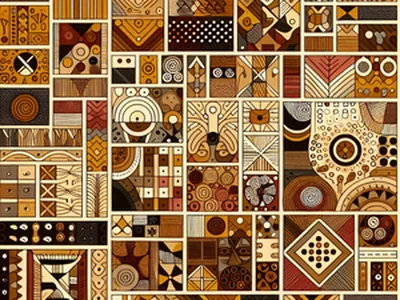
During polar night, Inuit communities live in darkness for months. The Winter Solstice marks the sun's return—a profound moment of hope, renewal, and celebration of light conquering darkness.
Thumbnail image shown on culture cards (recommended: 400x400px, square)
Hero Image
Large banner image for the culture detail page (recommended: 1200x600px,
wide)
📝 Core Information
Essential identifying information about the culture
The official name of the culture being enriched
Max 100 characters 5
A unique alphanumeric code representing the culture
Max 20 characters 3
A concise overview highlighting key attributes
Current Live Content
(318 chars)
Max 500 characters 318
Detailed description of defining characteristics, history, and contributions
Current Live Content
(318 chars)
The Hausa people are predominantly found in northern Nigeria and southern Niger, with a significant presence in other West African countries. They are known for their vibrant cultural practices, including music, art, and traditional festivals. The Hausa language serves as a lingua franca in many parts of West Africa.
Max 5000 characters 318
Primary geographic area where the culture is located
Languages spoken by the culture
Empty
Cultures with historical, linguistic, or geographic ties
Empty
Alternative names for the culture
Empty
Broader cultural group this culture belongs to
📚 History
Historical context, migration patterns, and regional variations
Long history, roots, and identity development
Current Live Content
(271 chars)
The Hausa people have a long history dating back to the 7th century, with the establishment of city-states known as the Hausa Bakwai. These city-states were centers of trade and Islamic scholarship, significantly influencing the region's political and cultural landscape.
Traditional and modern migration movements
Current Live Content
(148 chars)
Historically, the Hausa have migrated across West Africa, often due to trade, conflict, and environmental changes, leading to a widespread diaspora.
Challenges faced and resilience demonstrated
Current Live Content
(167 chars)
The Hausa have faced various conflicts, including colonial conquests and inter-ethnic tensions, but have shown resilience through cultural preservation and adaptation.
Perspectives from diaspora communities
Current Live Content
(158 chars)
The Hausa diaspora maintains strong cultural ties through language and religion, often forming tight-knit communities in urban areas across Africa and beyond.
Variations in dialects and customs across regions
Current Live Content
(131 chars)
There are variations in dialects and cultural practices among the Hausa, influenced by interactions with neighboring ethnic groups.
Efforts to bridge cultural gaps
Current Live Content
(137 chars)
The Hausa culture acts as a bridge in West Africa, facilitating trade and cultural exchange due to its widespread language and influence.
🙏 Beliefs & Values
Spiritual practices, worldview, and cultural values
Religious practices and their influence on daily life
Current Live Content
(174 chars)
Islam is the predominant religion among the Hausa, influencing their daily lives, laws, and cultural practices. Traditional beliefs also persist, particularly in rural areas.
Cultural worldview and core beliefs
Current Live Content
(195 chars)
The Hausa worldview is deeply rooted in Islamic teachings, emphasizing community, respect for elders, and hospitality. Traditional beliefs in spirits and ancestors coexist with Islamic practices.
Important proverbs and sayings
Current Live Content
(147 chars)
Hausa proverbs often reflect wisdom and moral lessons, such as 'Akwai rana mai zuwa' (There is a day that will come) emphasizing patience and hope.
Naming traditions and terms of address
Current Live Content
(159 chars)
Names often reflect Islamic influence, with children named after prophets or religious figures. Respectful terms of address are crucial, especially for elders.
🏥 Health & Wellness
Health practices, mental health views, and healthcare access
Overall health practices and approaches
Current Live Content
(164 chars)
Health practices among the Hausa are a blend of traditional and modern medicine. Mental health is often approached through community support and religious guidance.
Cultural perspectives on mental health
Current Live Content
(152 chars)
Mental health issues are sometimes stigmatized, but there is growing awareness and acceptance of seeking help through both traditional and modern means.
Role of traditional healers in the community
Current Live Content
(125 chars)
Traditional healers, known as 'boka' or 'mallam', play a significant role in providing herbal remedies and spiritual healing.
How gender influences healthcare access and practices
Current Live Content
(144 chars)
Women often manage family health, but decision-making may involve male family members. Gender roles can influence access to healthcare services.
Barriers to accessing healthcare
Current Live Content
(163 chars)
Barriers include limited access to healthcare facilities, financial constraints, and cultural beliefs that may prioritize traditional healing over modern medicine.
🎓 Education
Learning styles, educational approaches, and parental engagement
Educational approaches and learning styles
Current Live Content
(132 chars)
Education is highly valued, with a strong emphasis on Islamic education through Quranic schools, alongside formal education systems.
Preferred learning methods and styles
Current Live Content
(152 chars)
Learning often involves rote memorization, especially in religious contexts, but there is a growing emphasis on critical thinking and modern pedagogies.
How parents engage in children's education
Current Live Content
(153 chars)
Parents are actively involved in their children's education, often prioritizing religious education and supporting formal schooling when resources allow.
👥 Community & Family
Social structure, family dynamics, and community values
How families and communities are organized
Current Live Content
(150 chars)
The Hausa social structure is patriarchal, with extended families living together. Kinship ties are crucial for social support and community cohesion.
Approaches to discipline and behavioral expectations
Current Live Content
(122 chars)
Discipline is often enforced through community norms and religious teachings, emphasizing respect and obedience to elders.
Cultural attitudes toward authority
Current Live Content
(111 chars)
Authority is respected, with elders and religious leaders holding significant influence in community decisions.
Social etiquette and important customs
Current Live Content
(109 chars)
Etiquette is guided by Islamic principles, with greetings and hospitality being important cultural practices.
Community strengths and resilience factors
Current Live Content
(133 chars)
Community resilience is built on strong family ties, religious faith, and cultural traditions that provide support during challenges.
🎨 Art & Expression
Artistic expression, music, celebrations, and cultural symbols
Artistic and musical traditions
Current Live Content
(209 chars)
Hausa culture is rich in artistic expression, with traditional music, dance, and crafts playing a central role. The 'kora' and 'goge' are popular musical instruments, and storytelling is a cherished tradition.
Important cultural symbols and motifs
Current Live Content
(117 chars)
Symbols such as the 'zanna' (woven mat) and traditional attire like the 'baban riga' are significant cultural motifs.
Sources of joy and happiness in the culture
Current Live Content
(125 chars)
Joy is often found in communal activities, religious celebrations, and family gatherings, where music and dance are integral.
Celebratory traditions and joyful events
Current Live Content
(117 chars)
Festivals like Eid al-Fitr and Eid al-Adha are major celebrations, marked by communal prayers, feasting, and charity.
Important holidays and cultural calendar
Current Live Content
(119 chars)
The Islamic calendar guides major holidays, with additional local festivals celebrating harvests and historical events.
Additional cultural expression notes
Current Live Content
(123 chars)
Hausa culture is dynamic, with modern influences blending with traditional practices, creating a vibrant cultural tapestry.
🏘️ Service Access
Economic context, housing, and nutrition
Economic activities and common occupations
Current Live Content
(168 chars)
The Hausa economy is diverse, with agriculture, trade, and crafts being traditional occupations. Urbanization has led to increased involvement in commerce and services.
Housing types and living arrangements
Current Live Content
(118 chars)
Housing varies from traditional compounds to modern urban dwellings, often reflecting economic status and family size.
Dietary practices and nutritional norms
Current Live Content
(137 chars)
Diet is influenced by Islamic dietary laws, with staples like millet, sorghum, and rice. Meat is often consumed during special occasions.
🗣️ Language Access
Interpretation needs and documentation traditions
Language interpretation requirements
Current Live Content
(123 chars)
Hausa speakers may require interpretation services in non-Hausa speaking regions, especially in legal and medical contexts.
Important notes for interpreters
Current Live Content
(101 chars)
Interpreters should be culturally sensitive and familiar with regional dialects and cultural nuances.
How the culture documents its history and knowledge
Current Live Content
(133 chars)
Oral traditions are strong, but there is a growing emphasis on written documentation, especially in education and religious contexts.
🌍 Environmental Practices
Environmental practices, sustainability, and climate adaptation
Cultural festivals and celebrations
Current Live Content
(212 chars)
Major festivals include Eid al-Fitr and Eid al-Adha, which are celebrated with elaborate feasts and prayer. The Durbar festival is a significant cultural event that showcases Hausa horsemanship, music, and dance.
Traditional medicine practices
Current Live Content
(180 chars)
Traditional medicine involves the use of herbs, spiritual healing, and traditional practitioners known as 'Boka'. These practices are often complemented by Islamic healing methods.
Environmental stewardship and practices
Current Live Content
(162 chars)
The Hausa have traditional environmental stewardship practices such as communal farming and water conservation techniques to adapt to their semi-arid environment.
Important cultural rituals
Current Live Content
(140 chars)
Important rituals include naming ceremonies, marriage rites, and funeral observances, each with specific customs and religious significance.
Coming-of-age and life transition rituals
Current Live Content
(150 chars)
Coming-of-age ceremonies are marked by religious instruction, community recognition, and sometimes traditional storytelling to impart cultural values.
Food traditions and culinary practices
Current Live Content
(178 chars)
Staple foods include tuwo (a type of porridge), rice, meat dishes, and a variety of soups and stews. Cooking methods often involve open fire and the use of traditional clay pots.
Strategies for adapting to climate
Current Live Content
(162 chars)
Adaptation strategies include crop rotation, the use of drought-resistant crops, and traditional water management systems to combat the effects of climate change.
Efforts to conserve biodiversity
Current Live Content
(161 chars)
There are efforts to conserve local flora and fauna, particularly in areas like the Sahel, where biodiversity is threatened by climate change and human activity.
Sustainable tourism initiatives
Current Live Content
(170 chars)
Sustainable tourism initiatives focus on promoting cultural heritage sites and festivals while ensuring benefits to local communities and minimizing environmental impact.
Use of renewable energy sources
Current Live Content
(139 chars)
There is a gradual shift towards using solar energy, particularly in rural areas, to reduce reliance on traditional biomass energy sources.
Community participation in practices
Current Live Content
(158 chars)
Community involvement is central to cultural practices, with collective participation in festivals, environmental conservation, and decision-making processes.
Environmental education initiatives
Current Live Content
(139 chars)
Environmental education is promoted through schools and community programs to raise awareness about conservation and sustainable practices.
🏆 Cultural Contributions
Notable figures, innovations, and global influence
Important cultural figures and leaders
Current Live Content
(159 chars)
Prominent figures include Usman dan Fodio, a religious leader and founder of the Sokoto Caliphate, and contemporary music artists like Sani Danja and Ali Nuhu.
Cultural innovations and adaptations
Current Live Content
(130 chars)
The Hausa have contributed to the development of the Ajami script, a modification of the Arabic script for writing Hausa language.
Important literary works and oral traditions
Current Live Content
(166 chars)
Hausa literature is rich with oral traditions, including folktales, poetry, and historical narratives. The 'Dandali' storytelling tradition is a key cultural feature.
Traditional and modern architectural styles
Current Live Content
(149 chars)
Distinctive architectural features include the use of mud and thatch for building homes, with intricate geometric patterns often adorning structures.
Scientific and technological contributions
Current Live Content
(146 chars)
Hausa contributions to astronomy and traditional medicine have been significant, with historical knowledge of star navigation and herbal remedies.
Innovative culinary practices
Current Live Content
(142 chars)
Notable culinary contributions include dishes like 'suya' (spiced grilled meat) and 'fura da nono' (a millet-based drink with fermented milk).
Global cultural influence
Current Live Content
(141 chars)
Hausa culture has influenced West African music, language, and fashion, with elements like the 'kaftan' and 'dashiki' being popular globally.
Cultural awards and recognition
Current Live Content
(118 chars)
Hausa artists and filmmakers have received various awards, recognizing their contribution to African cinema and music.
💻 Modern Adaptations
Modern influences, technology adoption, and globalization
Modern cultural influences and changes
Current Live Content
(147 chars)
Contemporary Hausa culture is influenced by global music, fashion, and technology, with a notable presence in Nollywood and the global music scene.
Digital and online cultural presence
Current Live Content
(143 chars)
The Hausa have a growing online presence, with social media platforms, blogs, and websites dedicated to promoting and preserving their culture.
Impact of globalization on the culture
Current Live Content
(138 chars)
Globalization has introduced new cultural elements, creating a hybrid culture that blends traditional Hausa customs with modern practices.
Impact of urbanization
Current Live Content
(151 chars)
Urbanization has led to changes in family structure, housing, and lifestyle, with increased access to education and healthcare being positive outcomes.
Adoption of modern technology
Current Live Content
(143 chars)
Technology adoption is evident in areas like mobile communication, digital media, and agricultural tech, improving connectivity and efficiency.
Hybrid cultural expressions
Current Live Content
(125 chars)
Traditional Hausa music and dance have merged with global genres like hip-hop and reggae, creating new, popular hybrid forms.
Social media and online engagement
Current Live Content
(135 chars)
Social media platforms like Facebook, Instagram, and TikTok are popular among Hausa youth, used for cultural expression and networking.
🤝 Intercultural Relations
Interactions with other cultures and exchange programs
How the culture interacts with others
Current Live Content
(433 chars)
Historically, the Hausa have interacted extensively with neighboring cultures such as the Fulani, Yoruba, and Kanuri, as well as Arab traders and European colonizers. These interactions have led to a rich tapestry of cultural exchange, particularly evident in language, religious practices, and trade. In contemporary times, globalization has introduced more diverse cultural interactions, influencing fashion, music, and technology.
Cultural approaches to resolving conflicts
Current Live Content
(298 chars)
The Hausa employ traditional conflict resolution methods that often involve community elders and religious leaders. These elders act as mediators who use established customs and Islamic principles to reach amicable solutions. The process emphasizes dialogue, reconciliation, and community cohesion.
Cultural exchange initiatives
Current Live Content
(259 chars)
There are regional initiatives that promote cultural exchange between Hausa communities and other ethnic groups. These programs often include cultural festivals, language exchange programs, and joint artistic projects to foster understanding and appreciation.
Trade relationships with other cultures
Current Live Content
(275 chars)
The Hausa have historically been known as skilled traders, with extensive trade networks across West Africa. This trading prowess continues today, with Hausa merchants engaging in both local and international markets, trading commodities like textiles, grains, and livestock.
Collaborative artistic initiatives
Current Live Content
(262 chars)
Collaborative artistic endeavors often occur during cultural festivals where artists from different ethnic backgrounds come together to perform. Joint music projects in genres like Afrobeat and traditional Hausa music also serve as platforms for cultural fusion.
Cultural perspectives on intercultural marriage
Current Live Content
(221 chars)
Intercultural marriages are generally accepted, although they may face challenges related to religious and cultural differences. Such marriages are often seen as a means of strengthening communal ties and fostering unity.
Collaborative educational programs
Current Live Content
(238 chars)
There are joint educational initiatives that focus on promoting literacy and vocational skills among Hausa and neighboring communities. These programs aim to increase educational access and improve economic opportunities for young people.
🌟 Youth & Future
Youth perspectives, employment trends, and future visions
Perspectives and values of young people
Current Live Content
(226 chars)
Hausa youth are increasingly focused on education and technology, aspiring to balance traditional values with modern opportunities. Many are keen on entrepreneurship and see education as a pathway to improve their livelihoods.
Youth-focused education programs
Current Live Content
(221 chars)
Recent initiatives prioritize STEM education and vocational training to equip youth with skills relevant to the modern economy. There is also a focus on preserving Hausa language and culture through educational curricula.
Anticipated future challenges
Current Live Content
(220 chars)
The Hausa culture faces challenges such as youth unemployment, cultural erosion due to globalization, and environmental issues like desertification. Addressing these requires strategic planning and community involvement.
Employment patterns among youth
Current Live Content
(208 chars)
Employment trends show a significant shift towards technology, service industries, and entrepreneurship. However, agriculture remains a major employment sector, with youth exploring modern farming techniques.
Cultural visions for the future
Current Live Content
(196 chars)
The community envisions a future where economic development and cultural preservation go hand in hand. There is a strong desire for improved educational facilities and infrastructural development.
Youth in leadership positions
Current Live Content
(188 chars)
Youth are increasingly taking up leadership roles in community organizations and local government, driven by a desire to influence positive change and address issues affecting their peers.
Youth entrepreneurship and innovation
Current Live Content
(227 chars)
There is a growing trend of startups in technology and agriculture, driven by young entrepreneurs. These startups often focus on solving local problems with innovative solutions, supported by incubators and mentorship programs.
🛡️ Challenges & Preservation
Cultural challenges and preservation efforts
Current cultural challenges
Current Live Content
(152 chars)
Current challenges include cultural erosion, language preservation, and the impact of political instability and economic hardship on cultural practices.
Efforts to preserve cultural heritage
Current Live Content
(152 chars)
Efforts to preserve Hausa culture include documentation of oral histories, promotion of the Hausa language in education, and cultural heritage projects.