During polar night, Inuit communities live in darkness for months. The Winter Solstice marks the sun's return—a profound moment of hope, renewal, and celebration of light conquering darkness.
Thumbnail image shown on culture cards (recommended: 400x400px, square)
Hero Image
Large banner image for the culture detail page (recommended: 1200x600px,
wide)
📝 Core Information
Essential identifying information about the culture
The official name of the culture being enriched
Max 100 characters 8
A unique alphanumeric code representing the culture
Max 20 characters 2
A concise overview highlighting key attributes
Current Live Content
(140 chars)
Max 500 characters 140
Detailed description of defining characteristics, history, and contributions
Current Live Content
(140 chars)
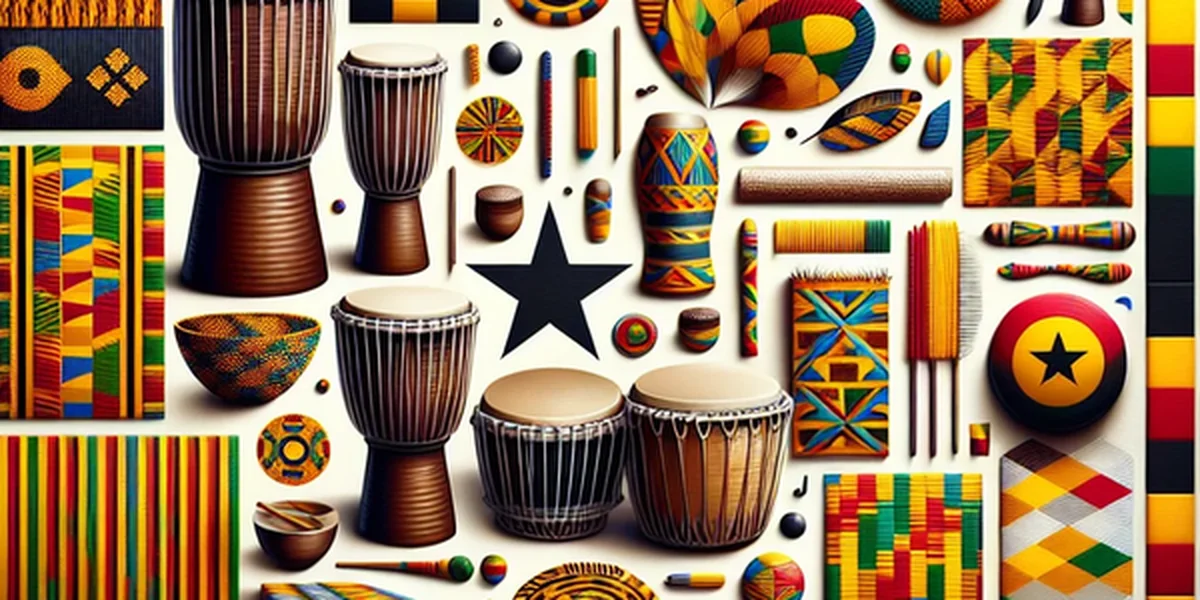
Ghanaian culture is a vibrant tapestry of traditions, languages, and customs, influenced by its ethnic diversity and historical experiences.
Max 5000 characters 140
Primary geographic area where the culture is located
Languages spoken by the culture
Empty
Cultures with historical, linguistic, or geographic ties
Empty
Alternative names for the culture
Empty
Broader cultural group this culture belongs to
📚 History
Historical context, migration patterns, and regional variations
Long history, roots, and identity development
Current Live Content
(3 chars)
N/A
Traditional and modern migration movements
Current Live Content
(3 chars)
N/A
Challenges faced and resilience demonstrated
Current Live Content
(3 chars)
N/A
Perspectives from diaspora communities
Current Live Content
(3 chars)
N/A
Variations in dialects and customs across regions
Current Live Content
(3 chars)
N/A
Efforts to bridge cultural gaps
Current Live Content
(3 chars)
N/A
🙏 Beliefs & Values
Spiritual practices, worldview, and cultural values
Religious practices and their influence on daily life
Current Live Content
(3 chars)
N/A
Cultural worldview and core beliefs
Current Live Content
(3 chars)
N/A
Important proverbs and sayings
Current Live Content
(3 chars)
N/A
Naming traditions and terms of address
Current Live Content
(3 chars)
N/A
🏥 Health & Wellness
Health practices, mental health views, and healthcare access
Overall health practices and approaches
Current Live Content
(3 chars)
N/A
Cultural perspectives on mental health
Current Live Content
(3 chars)
N/A
Role of traditional healers in the community
Current Live Content
(3 chars)
N/A
How gender influences healthcare access and practices
Current Live Content
(3 chars)
N/A
Barriers to accessing healthcare
Current Live Content
(3 chars)
N/A
🎓 Education
Learning styles, educational approaches, and parental engagement
Educational approaches and learning styles
Current Live Content
(3 chars)
N/A
Preferred learning methods and styles
Current Live Content
(3 chars)
N/A
How parents engage in children's education
Current Live Content
(3 chars)
N/A
👥 Community & Family
Social structure, family dynamics, and community values
How families and communities are organized
Current Live Content
(3 chars)
N/A
Approaches to discipline and behavioral expectations
Current Live Content
(3 chars)
N/A
Cultural attitudes toward authority
Current Live Content
(3 chars)
N/A
Social etiquette and important customs
Current Live Content
(3 chars)
N/A
Community strengths and resilience factors
Current Live Content
(3 chars)
N/A
🎨 Art & Expression
Artistic expression, music, celebrations, and cultural symbols
Artistic and musical traditions
Current Live Content
(3 chars)
N/A
Important cultural symbols and motifs
Current Live Content
(3 chars)
N/A
Sources of joy and happiness in the culture
Current Live Content
(3 chars)
N/A
Celebratory traditions and joyful events
Current Live Content
(3 chars)
N/A
Important holidays and cultural calendar
Current Live Content
(3 chars)
N/A
Additional cultural expression notes
Current Live Content
(3 chars)
N/A
🏘️ Service Access
Economic context, housing, and nutrition
Economic activities and common occupations
Current Live Content
(3 chars)
N/A
Housing types and living arrangements
Current Live Content
(3 chars)
N/A
Dietary practices and nutritional norms
Current Live Content
(3 chars)
N/A
🗣️ Language Access
Interpretation needs and documentation traditions
Language interpretation requirements
Current Live Content
(3 chars)
N/A
Important notes for interpreters
Current Live Content
(3 chars)
N/A
How the culture documents its history and knowledge
Current Live Content
(3 chars)
N/A
🌍 Environmental Practices
Environmental practices, sustainability, and climate adaptation
Cultural festivals and celebrations
Current Live Content
(258 chars)
Major festivals in Ghana include the Homowo Festival of the Ga people, Aboakyer Festival of the Effutu, and the Adae Kese of the Ashanti. These festivals celebrate harvests, historical events, and community unity, often featuring traditional music and dance.
Traditional medicine practices
Current Live Content
(231 chars)
Traditional medicine in Ghana involves herbal remedies, spiritual healing, and the use of divination. Traditional healers, known as 'fetish priests' or herbalists, play a significant role in healthcare, particularly in rural areas.
Environmental stewardship and practices
Current Live Content
(229 chars)
Ghanaians have a deep respect for nature, with practices such as communal land management and sacred groves helping to conserve the environment. Traditional beliefs often emphasize the spiritual significance of natural resources.
Important cultural rituals
Current Live Content
(235 chars)
Important rituals in Ghanaian culture include libation pouring to honor ancestors, purification rites, and ceremonies marking the agricultural calendar. These rituals are integral to maintaining cultural continuity and community bonds.
Coming-of-age and life transition rituals
Current Live Content
(243 chars)
Rites of passage such as puberty rites, marriage ceremonies, and funerals are significant cultural events. The Dipo ceremony for Krobo girls and the Bragoro for Ashanti girls are examples of puberty rites that mark the transition to adulthood.
Food traditions and culinary practices
Current Live Content
(217 chars)
Traditional Ghanaian cuisine includes dishes like jollof rice, fufu, and banku, often accompanied by soups or stews. Cooking methods typically involve the use of local ingredients such as yams, plantains, and cassava.
Strategies for adapting to climate
Current Live Content
(199 chars)
Ghana is implementing climate adaptation strategies such as sustainable agriculture practices, reforestation projects, and community-based resource management to combat the impacts of climate change.
Efforts to conserve biodiversity
Current Live Content
(238 chars)
Efforts to conserve biodiversity in Ghana include the establishment of protected areas like Kakum National Park and Mole National Park. Community involvement in conservation projects is encouraged to protect wildlife and natural habitats.
Sustainable tourism initiatives
Current Live Content
(264 chars)
Ghana promotes sustainable tourism through initiatives that support local communities and preserve cultural heritage. Ecotourism projects in areas like the Volta Region and cultural tourism in historical sites like Cape Coast Castle are examples of such practices.
Use of renewable energy sources
Current Live Content
(206 chars)
Ghana is exploring renewable energy sources such as solar and wind power to reduce reliance on fossil fuels. The Ghana Renewable Energy Act aims to increase the use of renewables in the national energy mix.
Community participation in practices
Current Live Content
(189 chars)
Community participation is central to cultural practices in Ghana, with local leaders and members actively involved in organizing festivals, conservation projects, and educational programs.
Environmental education initiatives
Current Live Content
(174 chars)
Environmental education in Ghana is promoted through school curricula and community workshops, emphasizing the importance of conservation and sustainable resource management.
🏆 Cultural Contributions
Notable figures, innovations, and global influence
Important cultural figures and leaders
Current Live Content
(247 chars)
Ghana has produced notable figures such as Kwame Nkrumah, the first President and a key figure in African independence movements, and Kofi Annan, former UN Secretary-General. Contemporary figures include artist El Anatsui and writer Ama Ata Aidoo.
Cultural innovations and adaptations
Current Live Content
(197 chars)
Ghanaian culture has seen innovations in music with the popularization of highlife and hiplife genres, as well as in fashion with the global influence of Kente cloth and other traditional textiles.
Important literary works and oral traditions
Current Live Content
(222 chars)
Ghana has a rich literary tradition, with works like Chinua Achebe's 'Things Fall Apart' and Ayi Kwei Armah's 'The Beautyful Ones Are Not Yet Born' offering critical insights into African society and postcolonial identity.
Traditional and modern architectural styles
Current Live Content
(250 chars)
Distinctive architectural styles in Ghana include the traditional mud and thatch structures of the northern regions and the Ashanti buildings with intricate wood carvings. Colonial-era architecture is also evident in cities like Accra and Cape Coast.
Scientific and technological contributions
Current Live Content
(198 chars)
Ghana's scientific contributions include advancements in agriculture through the development of new crop varieties and research in tropical medicine, particularly in combating diseases like malaria.
Innovative culinary practices
Current Live Content
(224 chars)
Ghanaian cuisine has influenced West African cooking, with dishes like jollof rice becoming staples across the region. The fusion of traditional and modern culinary techniques has led to innovative flavors and presentations.
Global cultural influence
Current Live Content
(226 chars)
Ghana's cultural influence extends globally through its music, fashion, and diaspora communities. The country is often seen as a cultural leader in Africa, hosting international events like the Pan-African Festival (PANAFEST).
Cultural awards and recognition
Current Live Content
(180 chars)
Ghanaian artists, writers, and leaders have received numerous international awards, including Nobel Peace Prizes, Grammy Awards, and UNESCO recognition for cultural heritage sites.
💻 Modern Adaptations
Modern influences, technology adoption, and globalization
Modern cultural influences and changes
Current Live Content
(215 chars)
Contemporary Ghanaian culture is influenced by global trends in music, fashion, and technology. The fusion of traditional elements with modern styles is evident in the popularity of Afrobeat music and urban fashion.
Digital and online cultural presence
Current Live Content
(211 chars)
Ghana has a growing digital presence, with increasing internet connectivity and the use of social media platforms like Facebook, Twitter, and Instagram to share cultural content and engage with global audiences.
Impact of globalization on the culture
Current Live Content
(197 chars)
Globalization has led to cultural exchanges and the blending of traditional and modern values. While it has brought economic opportunities, it also poses challenges to preserving cultural identity.
Impact of urbanization
Current Live Content
(211 chars)
Urbanization in Ghana has led to the development of megacities like Accra and Kumasi, bringing infrastructure improvements and economic growth but also contributing to challenges like overcrowding and pollution.
Adoption of modern technology
Current Live Content
(219 chars)
Ghana has embraced technology in various sectors, with mobile banking, e-commerce, and digital education initiatives gaining traction. The tech industry is a growing field, attracting young entrepreneurs and innovators.
Hybrid cultural expressions
Current Live Content
(259 chars)
The blending of traditional and modern elements is seen in hybrid cultural forms such as contemporary Ghanaian art, which incorporates traditional motifs with modern techniques, and in the music scene where traditional rhythms are mixed with electronic beats.
Social media and online engagement
Current Live Content
(203 chars)
Ghanaians are active on social media, using it for social activism, cultural promotion, and entrepreneurship. Platforms like YouTube and TikTok are popular for sharing music, dance, and cultural content.
🤝 Intercultural Relations
Interactions with other cultures and exchange programs
How the culture interacts with others
Current Live Content
(482 chars)
Ghana has a rich history of interactions with neighboring cultures, including the Akan, Mole-Dagbani, Ewe, and Ga-Dangme ethnic groups. Historically, Ghana was a significant part of the trans-Saharan trade routes, facilitating cultural exchanges with North African and Islamic traders. In modern times, Ghana maintains strong diplomatic and cultural ties with neighboring countries like Nigeria, Togo, and Côte d'Ivoire, often participating in regional organizations such as ECOWAS.
Cultural approaches to resolving conflicts
Current Live Content
(371 chars)
Traditional conflict resolution in Ghana often involves community elders and chiefs who mediate disputes through dialogue and consensus-building. The use of traditional councils and customary courts is common, where oral agreements and rituals may play a role in reconciliation. These methods emphasize restorative justice, aiming to restore harmony within the community.
Cultural exchange initiatives
Current Live Content
(276 chars)
Ghana participates in various cultural exchange programs such as the Ghana Cultural Foundation, which promotes exchanges with nations worldwide. The country also hosts cultural festivals that invite international artists and performers, fostering cross-cultural understanding.
Trade relationships with other cultures
Current Live Content
(278 chars)
Ghana has historically been a trade hub due to its natural resources, such as gold and cocoa. Today, it maintains trade relationships with numerous countries, including China, the United States, and members of the European Union, facilitating the exchange of goods and services.
Collaborative artistic initiatives
Current Live Content
(293 chars)
Collaborative artistic endeavors in Ghana often involve international artists and organizations. Initiatives like Chale Wote Street Art Festival and the Ghana Dance Ensemble have seen participation from artists globally, promoting a fusion of traditional Ghanaian art with contemporary styles.
Cultural perspectives on intercultural marriage
Current Live Content
(307 chars)
Intercultural marriages are generally accepted in Ghana, particularly in urban areas where diverse ethnic groups and expatriates are more prevalent. Such unions are celebrated for their ability to bring different cultures together, though they may still face challenges from traditional family expectations.
Collaborative educational programs
Current Live Content
(263 chars)
Ghana is involved in several joint educational programs with international institutions, such as exchange programs with universities in the United States and Europe. These initiatives aim to enhance educational quality and foster cultural learning among students.
🌟 Youth & Future
Youth perspectives, employment trends, and future visions
Perspectives and values of young people
Current Live Content
(240 chars)
Ghanaian youth are increasingly aspirational, valuing education and entrepreneurship. Many young people express a strong desire to contribute to national development and are keenly aware of global trends, often seeking opportunities abroad.
Youth-focused education programs
Current Live Content
(243 chars)
Education is a national priority in Ghana, with initiatives such as the Free Senior High School program aimed at increasing access to education. There is a strong emphasis on STEM education to prepare youth for future technological challenges.
Anticipated future challenges
Current Live Content
(190 chars)
Ghana faces challenges such as unemployment, political instability, and climate change. The youth are particularly concerned about job prospects and the need for sustainable economic growth.
Employment patterns among youth
Current Live Content
(210 chars)
The informal sector employs a significant portion of Ghanaian youth, with many engaging in small-scale entrepreneurship. There is also a growing interest in technology and digital innovation among young people.
Cultural visions for the future
Current Live Content
(199 chars)
Many communities in Ghana envision a future with a robust economy and improved infrastructure. There is a strong desire to harness technology and innovation to address social and economic challenges.
Youth in leadership positions
Current Live Content
(258 chars)
Youth leadership is increasingly prominent in Ghana, with young people taking active roles in political movements, civic organizations, and entrepreneurial ventures. The rise of youth-led NGOs and advocacy groups highlights their influence in shaping policy.
Youth entrepreneurship and innovation
Current Live Content
(242 chars)
Ghana has a vibrant startup ecosystem, particularly in Accra, where young entrepreneurs are leveraging technology to create innovative solutions. Sectors such as fintech, agriculture, and e-commerce are seeing significant youth-driven growth.
🛡️ Challenges & Preservation
Cultural challenges and preservation efforts
Current cultural challenges
Current Live Content
(216 chars)
Ghana faces cultural challenges such as the erosion of traditional values, the pressure of modernization, and economic disparities. The impact of westernization and the loss of indigenous languages are also concerns.
Efforts to preserve cultural heritage
Current Live Content
(240 chars)
Efforts to preserve Ghana's cultural heritage include initiatives by the Ghana Museums and Monuments Board, the promotion of traditional festivals, and educational programs that teach indigenous languages and customs to younger generations.