During polar night, Inuit communities live in darkness for months. The Winter Solstice marks the sun's return—a profound moment of hope, renewal, and celebration of light conquering darkness.
Thumbnail image shown on culture cards (recommended: 400x400px, square)
Hero Image
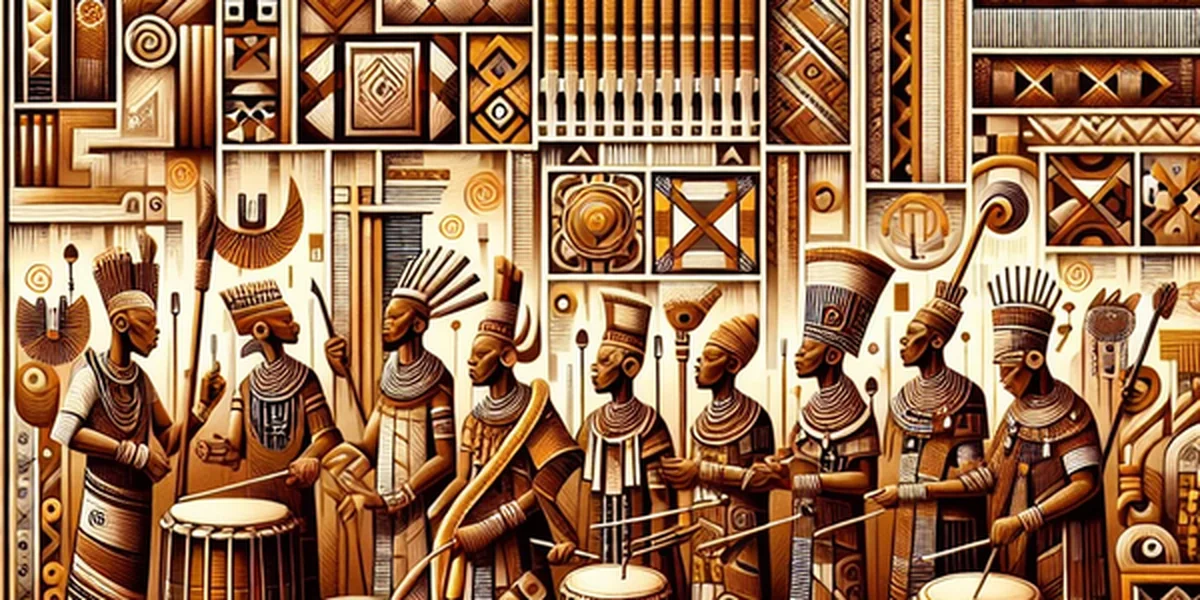
Large banner image for the culture detail page (recommended: 1200x600px,
wide)
📝 Core Information
Essential identifying information about the culture
The official name of the culture being enriched
Max 100 characters 5
A unique alphanumeric code representing the culture
Max 20 characters 3
A concise overview highlighting key attributes
Current Live Content
(220 chars)
Max 500 characters 220
Detailed description of defining characteristics, history, and contributions
Current Live Content
(220 chars)
The Gbaya people have a vibrant culture characterized by strong communal ties, traditional music, and oral storytelling. They have historically been agriculturalists, with a deep connection to their land and environment.
Max 5000 characters 220
Primary geographic area where the culture is located
Languages spoken by the culture
Empty
Cultures with historical, linguistic, or geographic ties
Empty
Alternative names for the culture
Empty
Broader cultural group this culture belongs to
📚 History
Historical context, migration patterns, and regional variations
Long history, roots, and identity development
Current Live Content
(358 chars)
The Gbaya people have a history marked by migration and adaptation. Originally from the region around Lake Chad, they moved southward in the 18th and 19th centuries due to pressures from Fulani expansion and slave raids. Their history is also shaped by colonial encounters, particularly with the French, which influenced their social and economic structures.
Traditional and modern migration movements
Current Live Content
(186 chars)
The Gbaya migrated from the Lake Chad region to their current locations in the Central African Republic and surrounding countries, driven by environmental changes and external pressures.
Challenges faced and resilience demonstrated
Current Live Content
(156 chars)
The Gbaya have faced conflicts with neighboring groups and colonial powers but have shown resilience through strong community bonds and adaptive strategies.
Perspectives from diaspora communities
Current Live Content
(155 chars)
Gbaya diaspora communities maintain cultural ties through language, music, and traditional practices, often gathering for cultural events and celebrations.
Variations in dialects and customs across regions
Current Live Content
(149 chars)
There are slight variations in dialect and customs among Gbaya communities in different countries, influenced by local interactions and environments.
Efforts to bridge cultural gaps
Current Live Content
(143 chars)
Understanding the Gbaya requires appreciation of their oral traditions and communal values, which are central to their identity and resilience.
🙏 Beliefs & Values
Spiritual practices, worldview, and cultural values
Religious practices and their influence on daily life
Current Live Content
(158 chars)
The Gbaya practice a mix of traditional animist beliefs and Christianity. Ancestor worship and nature spirits play a significant role in their spiritual life.
Cultural worldview and core beliefs
Current Live Content
(184 chars)
Gbaya worldview is deeply connected to nature and community. They believe in the interconnectedness of all living things and the importance of maintaining harmony with the environment.
Important proverbs and sayings
Current Live Content
(110 chars)
Proverbs are used to impart wisdom and teach moral lessons, often emphasizing community, respect, and harmony.
Naming traditions and terms of address
Current Live Content
(159 chars)
Names often reflect personal attributes or circumstances of birth. Respectful terms of address are important in social interactions, reflecting age and status.
🏥 Health & Wellness
Health practices, mental health views, and healthcare access
Overall health practices and approaches
Current Live Content
(195 chars)
Health practices among the Gbaya include traditional medicine and healing rituals, alongside modern healthcare. Mental health is often addressed through community support and spiritual practices.
Cultural perspectives on mental health
Current Live Content
(135 chars)
Mental health is seen as a balance between the individual and their environment, with spiritual and communal factors playing key roles.
Role of traditional healers in the community
Current Live Content
(127 chars)
Traditional healers, known as 'nganga', are respected figures who use herbal remedies and spiritual guidance to treat ailments.
How gender influences healthcare access and practices
Current Live Content
(138 chars)
Women often play a central role in family health, providing care and traditional remedies, while men may seek external medical assistance.
Barriers to accessing healthcare
Current Live Content
(151 chars)
Access to healthcare can be limited by geographic and economic factors, with reliance on traditional practices where modern facilities are unavailable.
🎓 Education
Learning styles, educational approaches, and parental engagement
Educational approaches and learning styles
Current Live Content
(125 chars)
Education is a blend of formal schooling and traditional knowledge passed down through storytelling and practical experience.
Preferred learning methods and styles
Current Live Content
(106 chars)
Learning is often experiential, with an emphasis on observation and participation in community activities.
How parents engage in children's education
Current Live Content
(136 chars)
Parents are actively involved in their children's education, emphasizing the importance of both formal schooling and cultural knowledge.
👥 Community & Family
Social structure, family dynamics, and community values
How families and communities are organized
Current Live Content
(123 chars)
The Gbaya social structure is based on extended families and clans, with strong kinship ties and communal responsibilities.
Approaches to discipline and behavioral expectations
Current Live Content
(95 chars)
Discipline is community-oriented, focusing on maintaining harmony and respect within the group.
Cultural attitudes toward authority
Current Live Content
(113 chars)
Elders hold significant authority and are respected for their wisdom and experience, guiding community decisions.
Social etiquette and important customs
Current Live Content
(117 chars)
Etiquette emphasizes respect, hospitality, and communal participation, with customs varying slightly between regions.
Community strengths and resilience factors
Current Live Content
(139 chars)
Community resilience is rooted in strong social networks, cultural traditions, and adaptive strategies to environmental and social changes.
🎨 Art & Expression
Artistic expression, music, celebrations, and cultural symbols
Artistic and musical traditions
Current Live Content
(154 chars)
Gbaya art and music are vibrant, featuring traditional instruments like drums and xylophones. Music and dance are integral to ceremonies and storytelling.
Important cultural symbols and motifs
Current Live Content
(116 chars)
Common motifs include representations of animals and nature, reflecting the Gbaya's connection to their environment.
Sources of joy and happiness in the culture
Current Live Content
(104 chars)
Music, dance, and communal gatherings are sources of joy, fostering a sense of unity and cultural pride.
Celebratory traditions and joyful events
Current Live Content
(106 chars)
Festivals and ceremonies, such as harvest celebrations, are marked by music, dance, and communal feasting.
Important holidays and cultural calendar
Current Live Content
(117 chars)
The Gbaya cultural calendar includes agricultural and religious festivals, with events often tied to the lunar cycle.
Additional cultural expression notes
Current Live Content
(105 chars)
Artistic expression is a key aspect of Gbaya identity, serving both aesthetic and communicative purposes.
🏘️ Service Access
Economic context, housing, and nutrition
Economic activities and common occupations
Current Live Content
(141 chars)
The Gbaya primarily engage in agriculture, with farming and hunting as main occupations. Some also participate in trade and artisanal crafts.
Housing types and living arrangements
Current Live Content
(117 chars)
Traditional housing is often communal, with extended families living together in compounds made of natural materials.
Dietary practices and nutritional norms
Current Live Content
(108 chars)
The Gbaya diet is based on locally grown crops like millet and cassava, supplemented by hunting and fishing.
🗣️ Language Access
Interpretation needs and documentation traditions
Language interpretation requirements
Current Live Content
(126 chars)
Interpretation services are often needed for Gbaya speakers in formal settings, particularly in healthcare and legal contexts.
Important notes for interpreters
Current Live Content
(116 chars)
Interpreters should be familiar with Gbaya cultural nuances and dialect variations to ensure accurate communication.
How the culture documents its history and knowledge
Current Live Content
(133 chars)
Oral tradition is strong, with stories and histories passed down verbally, though some efforts are made to document these in writing.
🌍 Environmental Practices
Environmental practices, sustainability, and climate adaptation
Cultural festivals and celebrations
Current Live Content
(165 chars)
Major festivals include harvest celebrations and ancestral ceremonies, featuring music, dance, and storytelling that reinforce cultural identity and community bonds.
Traditional medicine practices
Current Live Content
(156 chars)
Gbaya traditional medicine incorporates herbal remedies and spiritual practices, often administered by community healers with deep knowledge of local flora.
Environmental stewardship and practices
Current Live Content
(153 chars)
The Gbaya practice sustainable agriculture and resource management, emphasizing land rotation and biodiversity preservation to ensure ecological balance.
Important cultural rituals
Current Live Content
(170 chars)
Cultural rituals include initiation ceremonies, funerals, and rites to honor ancestors, each with specific songs, dances, and symbolic acts that reinforce community ties.
Coming-of-age and life transition rituals
Current Live Content
(157 chars)
Coming-of-age ceremonies mark important life transitions, with young people undergoing rituals that signify their readiness to assume adult responsibilities.
Food traditions and culinary practices
Current Live Content
(166 chars)
Traditional Gbaya cuisine features staples like millet, yams, and cassava, often prepared with local spices and herbs, reflecting the region's agricultural abundance.
Strategies for adapting to climate
Current Live Content
(127 chars)
The Gbaya are adopting climate-resilient crops and water conservation techniques to adapt to changing environmental conditions.
Efforts to conserve biodiversity
Current Live Content
(149 chars)
Community-led initiatives focus on protecting local wildlife and plant species, recognizing the ecological and cultural significance of biodiversity.
Sustainable tourism initiatives
Current Live Content
(189 chars)
Efforts are underway to develop eco-friendly tourism that highlights Gbaya culture and natural landscapes, providing economic benefits while preserving cultural and environmental integrity.
Use of renewable energy sources
Current Live Content
(135 chars)
There is growing interest in solar energy, with some communities adopting solar panels to reduce reliance on traditional biomass fuels.
Community participation in practices
Current Live Content
(148 chars)
Cultural practices involve wide community participation, from elders to youth, ensuring the transmission of knowledge and values across generations.
Environmental education initiatives
Current Live Content
(154 chars)
Programs aimed at raising awareness about environmental conservation and sustainability are being integrated into local schools and community initiatives.
🏆 Cultural Contributions
Notable figures, innovations, and global influence
Important cultural figures and leaders
Current Live Content
(148 chars)
Notable Gbaya figures include political leaders, artists, and cultural advocates who have contributed to the community's development and visibility.
Cultural innovations and adaptations
Current Live Content
(143 chars)
The Gbaya are known for their intricate weaving and basketry, which reflects both traditional craftsmanship and contemporary design influences.
Important literary works and oral traditions
Current Live Content
(163 chars)
Gbaya oral traditions include epic tales and folklore that convey moral lessons and cultural values, often passed down through generations by skilled storytellers.
Traditional and modern architectural styles
Current Live Content
(143 chars)
Traditional Gbaya architecture features round huts with thatched roofs, designed to suit the climate and social structure of their communities.
Scientific and technological contributions
Current Live Content
(161 chars)
While formal scientific contributions are limited, Gbaya knowledge of local ecosystems and medicinal plants is recognized as valuable to ethnobotany and ecology.
Innovative culinary practices
Current Live Content
(131 chars)
The Gbaya have introduced unique flavors and cooking techniques to regional cuisine, emphasizing the use of indigenous ingredients.
Global cultural influence
Current Live Content
(166 chars)
While primarily regional, Gbaya cultural elements like music and dance have gained attention, contributing to the broader understanding of Central African traditions.
Cultural awards and recognition
Current Live Content
(137 chars)
Recognition comes in the form of regional cultural awards and acknowledgment of Gbaya artists and leaders in national cultural festivals.
💻 Modern Adaptations
Modern influences, technology adoption, and globalization
Modern cultural influences and changes
Current Live Content
(147 chars)
Contemporary Gbaya culture is influenced by global media, technology, and migration, leading to a dynamic blend of traditional and modern elements.
Digital and online cultural presence
Current Live Content
(130 chars)
The Gbaya are increasingly active online, using digital platforms to share cultural content and connect with diaspora communities.
Impact of globalization on the culture
Current Live Content
(131 chars)
Globalization has brought both opportunities and challenges, such as exposure to new ideas and the risk of cultural homogenization.
Impact of urbanization
Current Live Content
(151 chars)
Urbanization has led to changes in lifestyle and social structures, with many Gbaya adapting to urban environments while maintaining rural connections.
Adoption of modern technology
Current Live Content
(140 chars)
Technology is being integrated into daily life, with mobile phones and internet access facilitating communication and access to information.
Hybrid cultural expressions
Current Live Content
(119 chars)
Hybrid cultural forms are emerging, combining Gbaya traditions with contemporary influences in music, fashion, and art.
Social media and online engagement
Current Live Content
(150 chars)
Social media is a tool for cultural expression and community building, with Gbaya users engaging in cultural discussions and promoting their heritage.
🤝 Intercultural Relations
Interactions with other cultures and exchange programs
How the culture interacts with others
Current Live Content
(262 chars)
The Gbaya people have historically interacted with neighboring ethnic groups such as the Fulani, Banda, and Ngbaka, often through trade, intermarriage, and occasional conflicts. These interactions have led to a rich exchange of cultural practices and traditions.
Cultural approaches to resolving conflicts
Current Live Content
(231 chars)
Traditionally, the Gbaya resolve conflicts through elders' councils and community gatherings, where dialogue and consensus-building play crucial roles. Rituals and ceremonies are also employed to restore harmony and reconciliation.
Cultural exchange initiatives
Current Live Content
(190 chars)
Although formal cultural exchange programs are limited, Gbaya cultural organizations occasionally collaborate with neighboring communities to promote cultural understanding and appreciation.
Trade relationships with other cultures
Current Live Content
(230 chars)
The Gbaya engage in trade with nearby communities, exchanging agricultural products, crafts, and livestock. The introduction of markets has enhanced these trade relationships, facilitating the exchange of goods and cultural ideas.
Collaborative artistic initiatives
Current Live Content
(177 chars)
Collaborative artistic endeavors include regional music festivals and joint art exhibitions that showcase Gbaya crafts, music, and dance alongside those of neighboring cultures.
Cultural perspectives on intercultural marriage
Current Live Content
(207 chars)
Intercultural marriages are relatively common among the Gbaya, reflecting a history of interaction with neighboring groups. Such unions are generally viewed positively and contribute to cultural integration.
Collaborative educational programs
Current Live Content
(194 chars)
There are limited joint educational programs, but some initiatives focus on language preservation and cultural history, bringing together teachers and students from different ethnic backgrounds.
🌟 Youth & Future
Youth perspectives, employment trends, and future visions
Perspectives and values of young people
Current Live Content
(188 chars)
Gbaya youth are increasingly aspirational, seeking educational and economic opportunities while navigating the challenges of preserving their cultural identity in a rapidly changing world.
Youth-focused education programs
Current Live Content
(202 chars)
Education is a priority, with efforts to improve access to schools and incorporate Gbaya language and culture into the curriculum. Scholarships and vocational training programs are also being developed.
Anticipated future challenges
Current Live Content
(141 chars)
Future challenges include balancing modernization with cultural preservation, addressing unemployment, and adapting to environmental changes.
Employment patterns among youth
Current Live Content
(158 chars)
Employment among Gbaya youth is shifting towards urban areas, with many seeking jobs in agriculture, trade, and emerging sectors like technology and services.
Cultural visions for the future
Current Live Content
(168 chars)
The community envisions a future where traditional Gbaya values coexist with modern advancements, emphasizing education, sustainable development, and cultural vitality.
Youth in leadership positions
Current Live Content
(148 chars)
Youth are increasingly taking on leadership roles within community organizations and local governance, advocating for social change and development.
Youth entrepreneurship and innovation
Current Live Content
(162 chars)
Young Gbaya entrepreneurs are initiating startups in agriculture, technology, and cultural tourism, blending traditional knowledge with modern business practices.
🛡️ Challenges & Preservation
Cultural challenges and preservation efforts
Current cultural challenges
Current Live Content
(139 chars)
Current challenges include cultural erosion due to external influences, economic instability, and environmental threats like deforestation.
Efforts to preserve cultural heritage
Current Live Content
(168 chars)
Efforts to preserve Gbaya culture include documentation projects, cultural festivals, and initiatives to teach the Gbaya language and traditions to younger generations.