During polar night, Inuit communities live in darkness for months. The Winter Solstice marks the sun's return—a profound moment of hope, renewal, and celebration of light conquering darkness.
Thumbnail image shown on culture cards (recommended: 400x400px, square)
Hero Image
Large banner image for the culture detail page (recommended: 1200x600px,
wide)
📝 Core Information
Essential identifying information about the culture
The official name of the culture being enriched
Max 100 characters 4
A unique alphanumeric code representing the culture
Max 20 characters 7
A concise overview highlighting key attributes
Current Live Content
(170 chars)
Max 500 characters 170
Detailed description of defining characteristics, history, and contributions
Current Live Content
(233 chars)
The Ekoi people, also known as Ejagham, are an ethnic group primarily found in southeastern Nigeria and parts of Cameroon. They are known for their rich cultural heritage, which includes vibrant art, music, and traditional practices.
Max 5000 characters 233
Primary geographic area where the culture is located
Languages spoken by the culture
Empty
Cultures with historical, linguistic, or geographic ties
Empty
Alternative names for the culture
Empty
Broader cultural group this culture belongs to
📚 History
Historical context, migration patterns, and regional variations
Long history, roots, and identity development
Current Live Content
(128 chars)
The Ekoi people have a long history dating back to pre-colonial times. They were originally part of the larger Bantu migrations.
Traditional and modern migration movements
Current Live Content
(89 chars)
The Ekoi migrated from the Congo Basin to their current locations thousands of years ago.
Challenges faced and resilience demonstrated
Current Live Content
(137 chars)
They have faced various conflicts, particularly during colonial times, but have remained resilient in preserving their cultural identity.
Perspectives from diaspora communities
Current Live Content
(117 chars)
Ekoi people in the diaspora often maintain connections to their heritage through cultural associations and festivals.
Variations in dialects and customs across regions
Current Live Content
(110 chars)
There are slight variations in the customs and dialects of the Ekoi people depending on their specific region.
Efforts to bridge cultural gaps
Current Live Content
(107 chars)
Efforts are ongoing to bridge cultural gaps within the Ekoi communities spread across Nigeria and Cameroon.
🙏 Beliefs & Values
Spiritual practices, worldview, and cultural values
Religious practices and their influence on daily life
Current Live Content
(139 chars)
The Ekoi people practice a mix of traditional African religions and Christianity. Ancestor worship and the Ekpe society play central roles.
Cultural worldview and core beliefs
Current Live Content
(93 chars)
Their worldview is deeply spiritual, emphasizing harmony with nature and ancestral reverence.
Important proverbs and sayings
Current Live Content
(67 chars)
Ekoi proverbs often reflect wisdom about nature and community life.
Naming traditions and terms of address
Current Live Content
(78 chars)
Names often have significant meanings and are given based on events or traits.
🏥 Health & Wellness
Health practices, mental health views, and healthcare access
Overall health practices and approaches
Current Live Content
(129 chars)
Traditional medicine is widely practiced alongside modern healthcare. Mental health is often addressed through community support.
Cultural perspectives on mental health
Current Live Content
(96 chars)
Mental health issues are sometimes viewed as spiritual concerns that require holistic treatment.
Role of traditional healers in the community
Current Live Content
(71 chars)
Healers, known as 'Dibias', play an important role in health practices.
How gender influences healthcare access and practices
Current Live Content
(92 chars)
Women are often caregivers, while men may seek treatment from traditional or modern doctors.
Barriers to accessing healthcare
Current Live Content
(70 chars)
Access to healthcare can be limited by geography and economic factors.
🎓 Education
Learning styles, educational approaches, and parental engagement
Educational approaches and learning styles
Current Live Content
(85 chars)
Education is valued, with a focus on both formal schooling and traditional knowledge.
Preferred learning methods and styles
Current Live Content
(64 chars)
Oral traditions and storytelling are important learning methods.
How parents engage in children's education
Current Live Content
(79 chars)
Parents are highly involved in their children's education and moral upbringing.
👥 Community & Family
Social structure, family dynamics, and community values
How families and communities are organized
Current Live Content
(106 chars)
The Ekoi have a strong family-oriented social structure, with extended families living together or nearby.
Approaches to discipline and behavioral expectations
Current Live Content
(68 chars)
Discipline is often community-based, with elders playing a key role.
Cultural attitudes toward authority
Current Live Content
(83 chars)
Elders and traditional leaders are highly respected and hold significant authority.
Social etiquette and important customs
Current Live Content
(56 chars)
Respect for elders and communal harmony are core values.
Community strengths and resilience factors
Current Live Content
(66 chars)
Community solidarity and cultural pride are significant strengths.
🎨 Art & Expression
Artistic expression, music, celebrations, and cultural symbols
Artistic and musical traditions
Current Live Content
(73 chars)
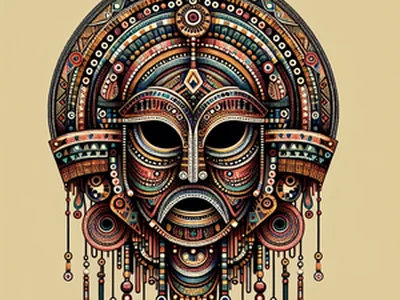
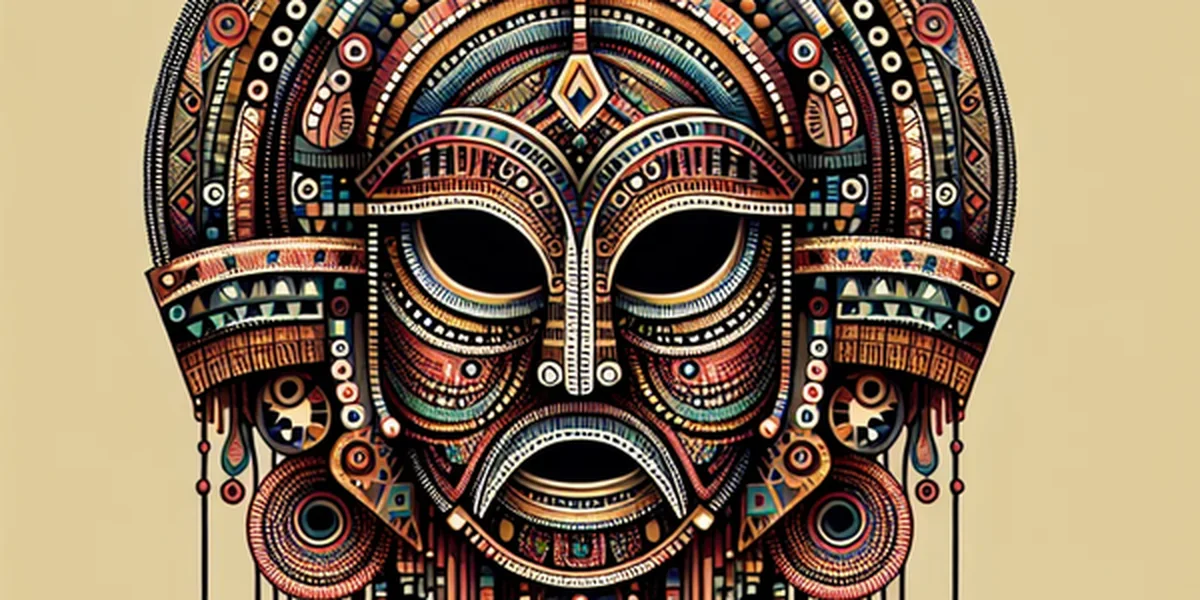
The Ekoi are known for their wooden masks, sculptures, and vibrant music.
Important cultural symbols and motifs
Current Live Content
(75 chars)
Masks and carvings often depict spiritual themes and historical narratives.
Sources of joy and happiness in the culture
Current Live Content
(72 chars)
Music, dance, and community celebrations are significant sources of joy.
Celebratory traditions and joyful events
Current Live Content
(63 chars)
Festivals like the Ekpe festival are important cultural events.
Important holidays and cultural calendar
Current Live Content
(65 chars)
Cultural events are often aligned with the agricultural calendar.
Additional cultural expression notes
Current Live Content
(72 chars)
Art is not just for decoration but often carries deep spiritual meaning.
🏘️ Service Access
Economic context, housing, and nutrition
Economic activities and common occupations
Current Live Content
(79 chars)
Agriculture is the main occupation, with trade and crafts also being important.
Housing types and living arrangements
Current Live Content
(76 chars)
Traditional compounds are common, with multiple generations living together.
Dietary practices and nutritional norms
Current Live Content
(82 chars)
The diet is based on locally grown foods, including yams, cassava, and vegetables.
🗣️ Language Access
Interpretation needs and documentation traditions
Language interpretation requirements
Current Live Content
(64 chars)
Interpreters may be needed for Ekoi speakers in formal settings.
Important notes for interpreters
Current Live Content
(55 chars)
It is important to consider local dialects and phrases.
How the culture documents its history and knowledge
Current Live Content
(81 chars)
Oral history is a strong tradition, with stories passed down through generations.
🌍 Environmental Practices
Environmental practices, sustainability, and climate adaptation
Cultural festivals and celebrations
Current Live Content
(63 chars)
Festivals are tied to agricultural cycles and community events.
Traditional medicine practices
Current Live Content
(61 chars)
Herbal medicine and spiritual healing are commonly practiced.
Environmental stewardship and practices
Current Live Content
(56 chars)
Sustainable farming and respect for nature are integral.
Important cultural rituals
Current Live Content
(66 chars)
Rituals often mark important life events and community milestones.
Coming-of-age and life transition rituals
Current Live Content
(80 chars)
Initiation ceremonies are important for young people transitioning to adulthood.
Food traditions and culinary practices
Current Live Content
(61 chars)
Traditional dishes are made with locally sourced ingredients.
Strategies for adapting to climate
Current Live Content
(77 chars)
Adaptation strategies include crop diversification and traditional knowledge.
Efforts to conserve biodiversity
Current Live Content
(64 chars)
Efforts are made to conserve natural resources and biodiversity.
Sustainable tourism initiatives
Current Live Content
(67 chars)
Community-based tourism is encouraged to protect cultural heritage.
Use of renewable energy sources
Current Live Content
(54 chars)
There is growing interest in renewable energy sources.
Community participation in practices
Current Live Content
(71 chars)
Community participation is key in environmental and cultural practices.
Environmental education initiatives
Current Live Content
(76 chars)
Programs aim to educate about environmental conservation and sustainability.
🏆 Cultural Contributions
Notable figures, innovations, and global influence
Important cultural figures and leaders
Current Live Content
(73 chars)
Prominent Ekoi figures include artists, musicians, and community leaders.
Cultural innovations and adaptations
Current Live Content
(72 chars)
Innovations in art and storytelling have been significant contributions.
Important literary works and oral traditions
Current Live Content
(56 chars)
Oral literature is rich, with many stories and proverbs.
Traditional and modern architectural styles
Current Live Content
(74 chars)
Traditional architecture often features communal compounds and structures.
Scientific and technological contributions
Current Live Content
(74 chars)
Traditional ecological knowledge contributes to biodiversity conservation.
Innovative culinary practices
Current Live Content
(73 chars)
The fusion of local ingredients with contemporary techniques is emerging.
Global cultural influence
Current Live Content
(87 chars)
Ekoi art and music have been showcased internationally, influencing global perceptions.
Cultural awards and recognition
Current Live Content
(84 chars)
Ekoi artists and cultural leaders have received recognition for their contributions.
💻 Modern Adaptations
Modern influences, technology adoption, and globalization
Modern cultural influences and changes
Current Live Content
(92 chars)
Globalization has introduced new elements to Ekoi culture, including modern music and media.
Digital and online cultural presence
Current Live Content
(85 chars)
Increasing use of digital platforms to promote culture and connect with the diaspora.
Impact of globalization on the culture
Current Live Content
(92 chars)
While globalization brings opportunities, it also poses challenges to cultural preservation.
Impact of urbanization
Current Live Content
(78 chars)
Urban migration is changing traditional living patterns and social structures.
Adoption of modern technology
Current Live Content
(64 chars)
There is growing use of technology in education and agriculture.
Hybrid cultural expressions
Current Live Content
(87 chars)
New cultural forms are emerging from the blending of traditional and modern influences.
Social media and online engagement
Current Live Content
(74 chars)
Social media is used to share cultural events and maintain community ties.
🤝 Intercultural Relations
Interactions with other cultures and exchange programs
How the culture interacts with others
Current Live Content
(94 chars)
The Ekoi have historical ties with neighboring ethnic groups, facilitating cultural exchanges.
Cultural approaches to resolving conflicts
Current Live Content
(59 chars)
Traditional councils are often used for resolving disputes.
Cultural exchange initiatives
Current Live Content
(67 chars)
Programs exist to promote cultural understanding with other groups.
Trade relationships with other cultures
Current Live Content
(76 chars)
The Ekoi engage in trade of agricultural products and crafts with neighbors.
Collaborative artistic initiatives
Current Live Content
(65 chars)
Collaborative art projects often occur with neighboring cultures.
Cultural perspectives on intercultural marriage
Current Live Content
(74 chars)
Marriages between different ethnic groups are common and often celebrated.
Collaborative educational programs
Current Live Content
(76 chars)
Educational programs sometimes include exchanges with other cultural groups.
🌟 Youth & Future
Youth perspectives, employment trends, and future visions
Perspectives and values of young people
Current Live Content
(96 chars)
Young Ekoi value education and opportunities for advancement while respecting traditional roots.
Youth-focused education programs
Current Live Content
(79 chars)
There are initiatives to improve educational access and quality for Ekoi youth.
Anticipated future challenges
Current Live Content
(75 chars)
Economic opportunities and preserving cultural identity are key challenges.
Employment patterns among youth
Current Live Content
(69 chars)
Many young people are moving to urban areas for better job prospects.
Cultural visions for the future
Current Live Content
(83 chars)
The Ekoi youth envision a future with more integration of technology and tradition.
Youth in leadership positions
Current Live Content
(75 chars)
Youth are increasingly taking on leadership roles in community development.
Youth entrepreneurship and innovation
Current Live Content
(73 chars)
Startups in agriculture and technology are emerging among the Ekoi youth.
🛡️ Challenges & Preservation
Cultural challenges and preservation efforts
Current cultural challenges
Current Live Content
(103 chars)
Preserving cultural identity in the face of modernization and external influences is a major challenge.
Efforts to preserve cultural heritage
Current Live Content
(85 chars)
Efforts are being made to document and promote Ekoi cultural practices and languages.