During polar night, Inuit communities live in darkness for months. The Winter Solstice marks the sun's return—a profound moment of hope, renewal, and celebration of light conquering darkness.
Thumbnail image shown on culture cards (recommended: 400x400px, square)
Hero Image
Large banner image for the culture detail page (recommended: 1200x600px,
wide)
📝 Core Information
Essential identifying information about the culture
The official name of the culture being enriched
Max 100 characters 7
A unique alphanumeric code representing the culture
Max 20 characters 3
A concise overview highlighting key attributes
Current Live Content
(233 chars)
Max 500 characters 233
Detailed description of defining characteristics, history, and contributions
Current Live Content
(233 chars)
Armenia, located in the South Caucasus region, is known for its mountainous landscapes and rich cultural history. It is one of the oldest Christian civilizations, with a strong emphasis on family, religion, and cultural preservation.
Max 5000 characters 233
Primary geographic area where the culture is located
Languages spoken by the culture
Empty
Cultures with historical, linguistic, or geographic ties
Empty
Alternative names for the culture
Empty
Broader cultural group this culture belongs to
📚 History
Historical context, migration patterns, and regional variations
Long history, roots, and identity development
Current Live Content
(401 chars)
Armenia has a history that dates back to antiquity, with the establishment of the Urartian kingdom in the 9th century BCE. It was the first nation to adopt Christianity as a state religion in 301 AD. Throughout its history, Armenia has faced invasions and occupations by various empires, including the Romans, Byzantines, Persians, and Ottomans, which have shaped its cultural and historical identity.
Traditional and modern migration movements
Current Live Content
(204 chars)
Armenians have historically migrated due to invasions, economic opportunities, and the Armenian Genocide of 1915, leading to a significant diaspora in countries like the United States, Russia, and France.
Challenges faced and resilience demonstrated
Current Live Content
(220 chars)
Armenia has endured numerous conflicts, including the Armenian Genocide and the Nagorno-Karabakh conflict. Despite these challenges, Armenians have shown resilience through cultural preservation and community solidarity.
Perspectives from diaspora communities
Current Live Content
(222 chars)
The Armenian diaspora plays a crucial role in preserving Armenian culture and advocating for recognition of historical injustices. They maintain strong ties to their homeland through cultural organizations and remittances.
Variations in dialects and customs across regions
Current Live Content
(152 chars)
Cultural practices vary between regions, with distinct dialects, culinary traditions, and folk arts in areas like Yerevan, Gyumri, and Nagorno-Karabakh.
Efforts to bridge cultural gaps
Current Live Content
(176 chars)
Armenia's history of resilience and cultural preservation serves as a bridge between its ancient past and modern identity, fostering a sense of unity among Armenians worldwide.
🙏 Beliefs & Values
Spiritual practices, worldview, and cultural values
Religious practices and their influence on daily life
Current Live Content
(205 chars)
Christianity, specifically the Armenian Apostolic Church, plays a central role in Armenian spiritual life. Religious festivals, such as Easter and Christmas, are widely celebrated with traditional rituals.
Cultural worldview and core beliefs
Current Live Content
(185 chars)
Armenians value family, hospitality, and community. Their worldview is shaped by a deep connection to their historical and religious heritage, emphasizing resilience and cultural pride.
Important proverbs and sayings
Current Live Content
(118 chars)
Proverbs such as 'The guest is a gift from God' reflect the importance of hospitality and respect in Armenian culture.
Naming traditions and terms of address
Current Live Content
(157 chars)
Armenian names often have historical or religious significance. Terms of address are respectful, with titles like 'Mister' or 'Miss' used in formal settings.
🏥 Health & Wellness
Health practices, mental health views, and healthcare access
Overall health practices and approaches
Current Live Content
(211 chars)
Armenians traditionally rely on a combination of modern medicine and folk remedies. Mental health is gaining recognition, with increasing awareness and resources dedicated to addressing psychological well-being.
Cultural perspectives on mental health
Current Live Content
(140 chars)
Mental health issues are sometimes stigmatized, but there is a growing acceptance and understanding of the importance of mental health care.
Role of traditional healers in the community
Current Live Content
(143 chars)
Herbalists and traditional healers are still consulted, especially in rural areas, for remedies that have been passed down through generations.
How gender influences healthcare access and practices
Current Live Content
(124 chars)
Women often take on caregiving roles within families, while men are typically seen as decision-makers in healthcare matters.
Barriers to accessing healthcare
Current Live Content
(114 chars)
Access to healthcare can be limited by economic constraints and geographic isolation, particularly in rural areas.
🎓 Education
Learning styles, educational approaches, and parental engagement
Educational approaches and learning styles
Current Live Content
(171 chars)
Education is highly valued, with a strong emphasis on academic achievement. The system is structured around a national curriculum, with a focus on sciences and humanities.
Preferred learning methods and styles
Current Live Content
(129 chars)
Armenian students often engage in rote learning, but there is a growing emphasis on critical thinking and problem-solving skills.
How parents engage in children's education
Current Live Content
(135 chars)
Parents are actively involved in their children's education, often participating in school activities and supporting academic pursuits.
👥 Community & Family
Social structure, family dynamics, and community values
How families and communities are organized
Current Live Content
(145 chars)
The family is the cornerstone of Armenian society, with extended family networks providing support and guidance. Respect for elders is paramount.
Approaches to discipline and behavioral expectations
Current Live Content
(153 chars)
Discipline is typically enforced through a combination of verbal guidance and setting clear expectations, with an emphasis on respect and responsibility.
Cultural attitudes toward authority
Current Live Content
(136 chars)
Armenians generally respect authority figures, including elders, teachers, and community leaders, valuing their guidance and experience.
Social etiquette and important customs
Current Live Content
(126 chars)
Hospitality is a key aspect of Armenian culture, with guests often offered food and drink as a sign of respect and friendship.
Community strengths and resilience factors
Current Live Content
(129 chars)
Armenian communities are known for their resilience and solidarity, often coming together to support each other in times of need.
🎨 Art & Expression
Artistic expression, music, celebrations, and cultural symbols
Artistic and musical traditions
Current Live Content
(289 chars)
Armenian culture is rich in artistic expression, with a strong tradition of music, dance, and visual arts. Duduk music, characterized by its soulful melodies, is a UNESCO-recognized cultural heritage. Armenian dance is vibrant and expressive, often performed at celebrations and festivals.
Important cultural symbols and motifs
Current Live Content
(151 chars)
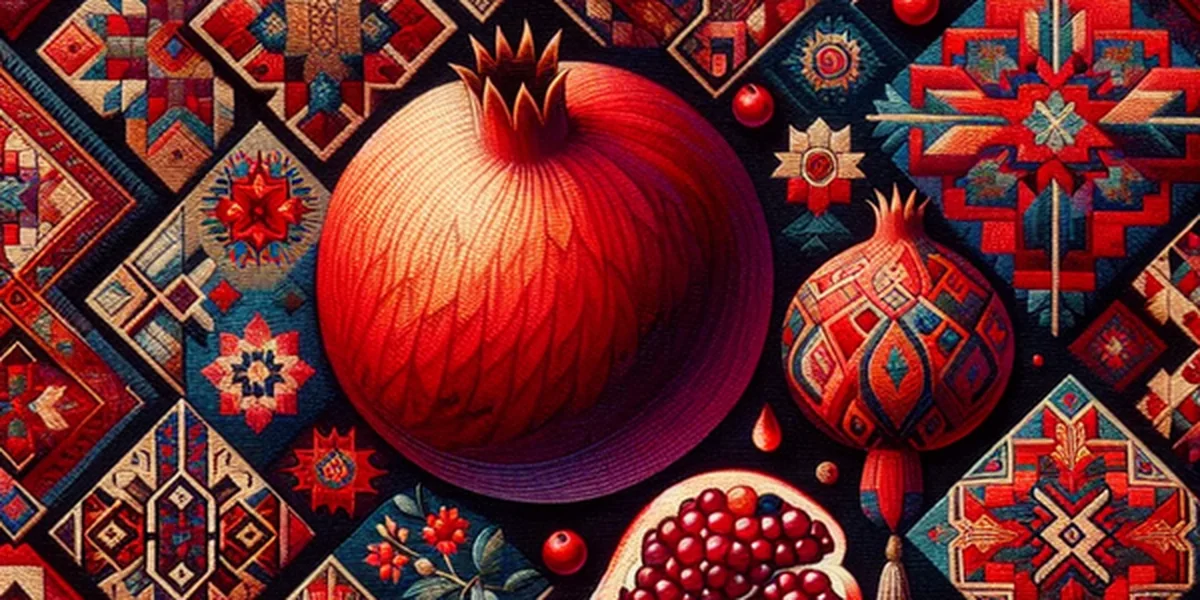
Symbols such as the Armenian cross and Mount Ararat hold deep cultural significance. Traditional motifs often feature in Armenian carpets and textiles.
Sources of joy and happiness in the culture
Current Live Content
(149 chars)
Family gatherings, traditional music and dance, and religious celebrations bring joy to Armenians, fostering a sense of community and cultural pride.
Celebratory traditions and joyful events
Current Live Content
(137 chars)
Festivals like Vardavar and Armenian Independence Day are celebrated with enthusiasm, featuring water fights, music, and communal feasts.
Important holidays and cultural calendar
Current Live Content
(118 chars)
Armenians observe a mix of religious and national holidays, including Easter, Christmas, and Genocide Remembrance Day.
Additional cultural expression notes
Current Live Content
(123 chars)
Armenian culture is characterized by a deep sense of history and identity, with traditions passed down through generations.
🏘️ Service Access
Economic context, housing, and nutrition
Economic activities and common occupations
Current Live Content
(173 chars)
Armenia's economy is diverse, with agriculture, IT, and tourism as key sectors. Many Armenians work in family-owned businesses or pursue careers in education and healthcare.
Housing types and living arrangements
Current Live Content
(137 chars)
Urban areas feature apartment living, while rural regions often have family homes with gardens. Multi-generational households are common.
Dietary practices and nutritional norms
Current Live Content
(164 chars)
Armenian cuisine is rich and varied, featuring dishes like khorovats (barbecue) and dolma. Meals are often communal, emphasizing fresh, locally sourced ingredients.
🗣️ Language Access
Interpretation needs and documentation traditions
Language interpretation requirements
Current Live Content
(131 chars)
In multicultural settings, interpretation services may be needed for Armenian speakers, particularly in legal and medical contexts.
Important notes for interpreters
Current Live Content
(120 chars)
Interpreters should be aware of cultural nuances and respectful communication styles when working with Armenian clients.
How the culture documents its history and knowledge
Current Live Content
(143 chars)
Armenians have a strong tradition of written documentation, with historical records and literature playing a key role in cultural preservation.
🌍 Environmental Practices
Environmental practices, sustainability, and climate adaptation
Cultural festivals and celebrations
Current Live Content
(173 chars)
Major festivals include Vardavar, celebrating water and summer, and the Armenian Genocide Remembrance Day. Religious holidays like Easter and Christmas are also significant.
Traditional medicine practices
Current Live Content
(132 chars)
Traditional Armenian medicine includes herbal remedies and practices like 'mkhitar' (bone-setting), passed down through generations.
Environmental stewardship and practices
Current Live Content
(144 chars)
Armenians engage in reforestation and conservation projects to protect the environment. NGOs and community groups promote sustainable practices.
Important cultural rituals
Current Live Content
(143 chars)
Important rituals include the 'Blessing of the Grapes' ceremony during the Assumption of Mary and the 'Khachkar' (cross-stone) blessing ritual.
Coming-of-age and life transition rituals
Current Live Content
(126 chars)
Rites of passage like baptism, first communion, and weddings are celebrated with community gatherings and traditional rituals.
Food traditions and culinary practices
Current Live Content
(149 chars)
Armenian cuisine features dishes like khorovats (barbecue), dolma, and lavash bread. Cooking methods emphasize natural flavors and fresh ingredients.
Strategies for adapting to climate
Current Live Content
(128 chars)
Strategies include developing drought-resistant crops and implementing water management systems to adapt to climate variability.
Efforts to conserve biodiversity
Current Live Content
(139 chars)
Efforts focus on protecting Armenia's unique flora and fauna, with initiatives like establishing nature reserves and promoting eco-tourism.
Sustainable tourism initiatives
Current Live Content
(133 chars)
Armenia promotes responsible tourism by encouraging eco-friendly travel, supporting local communities, and preserving cultural sites.
Use of renewable energy sources
Current Live Content
(130 chars)
Investment in solar and wind energy is increasing, with government and private sector initiatives to enhance renewable energy use.
Community participation in practices
Current Live Content
(122 chars)
Communities actively participate in cultural and environmental practices through volunteer programs and local initiatives.
Environmental education initiatives
Current Live Content
(118 chars)
Schools and NGOs offer programs on environmental awareness, promoting conservation and sustainable living among youth.
🏆 Cultural Contributions
Notable figures, innovations, and global influence
Important cultural figures and leaders
Current Live Content
(205 chars)
Historical figures include Mesrop Mashtots, inventor of the Armenian alphabet, and Tigran the Great. Contemporary figures like Charles Aznavour (singer) and Serj Tankian (musician) are globally recognized.
Cultural innovations and adaptations
Current Live Content
(140 chars)
The development of the Armenian alphabet in the 5th century was a significant cultural innovation, enhancing literacy and national identity.
Important literary works and oral traditions
Current Live Content
(167 chars)
Armenian literature boasts works like the 'Epic of Sasun', a medieval oral tradition, and modern authors like William Saroyan who have contributed to world literature.
Traditional and modern architectural styles
Current Live Content
(143 chars)
Distinctive features include khachkars (cross-stones) and medieval churches like Echmiadzin Cathedral, showcasing unique Armenian architecture.
Scientific and technological contributions
Current Live Content
(165 chars)
Armenian scientists have contributed to fields like physics and mathematics, with figures like Victor Ambartsumian in astrophysics gaining international recognition.
Innovative culinary practices
Current Live Content
(113 chars)
Armenian cuisine's use of fresh herbs and unique preparation methods have influenced regional culinary practices.
Global cultural influence
Current Live Content
(134 chars)
Armenian culture has influenced global music, literature, and cuisine, with the diaspora playing a key role in cultural dissemination.
Cultural awards and recognition
Current Live Content
(121 chars)
Armenian artists and intellectuals have received international awards, including Oscars, Grammys, and literary accolades.
💻 Modern Adaptations
Modern influences, technology adoption, and globalization
Modern cultural influences and changes
Current Live Content
(141 chars)
Contemporary Armenian culture is influenced by Western media, technology, and global economic trends, while traditional values remain strong.
Digital and online cultural presence
Current Live Content
(117 chars)
Armenians actively engage online, with a robust presence in digital media, social networks, and e-commerce platforms.
Impact of globalization on the culture
Current Live Content
(135 chars)
Globalization has led to cultural exchange and economic opportunities, but also challenges like cultural homogenization and emigration.
Impact of urbanization
Current Live Content
(153 chars)
Urbanization has transformed cities like Yerevan, fostering economic growth and modern infrastructure while creating social and environmental challenges.
Adoption of modern technology
Current Live Content
(124 chars)
Armenians are quick to adopt new technologies, with widespread use of smartphones, internet services, and digital platforms.
Hybrid cultural expressions
Current Live Content
(125 chars)
The fusion of traditional and modern elements is evident in music, fashion, and art, reflecting a dynamic cultural landscape.
Social media and online engagement
Current Live Content
(119 chars)
Social media platforms are widely used for communication, activism, and cultural promotion, especially among the youth.
🤝 Intercultural Relations
Interactions with other cultures and exchange programs
How the culture interacts with others
Current Live Content
(408 chars)
Armenia has a long history of interactions with neighboring cultures such as Persians, Greeks, Romans, Byzantines, Arabs, and Turks, due to its strategic location at the crossroads of Europe and Asia. These interactions have influenced Armenian language, cuisine, and traditions. In contemporary times, Armenia maintains diplomatic and cultural ties with countries like Russia, France, and the United States.
Cultural approaches to resolving conflicts
Current Live Content
(276 chars)
Traditional Armenian conflict resolution often involves community elders and religious leaders who mediate disputes, emphasizing reconciliation and mutual respect. The tradition of 'matagh' or offering is sometimes used symbolically in resolving family or community conflicts.
Cultural exchange initiatives
Current Live Content
(234 chars)
Armenia participates in cultural exchange initiatives such as the Erasmus+ program in Europe, fostering academic and cultural exchanges. The 'Days of Armenian Culture' events are held in various countries to promote Armenian heritage.
Trade relationships with other cultures
Current Live Content
(225 chars)
Armenia is part of the Eurasian Economic Union, enhancing trade with countries like Russia, Belarus, Kazakhstan, and Kyrgyzstan. It also has trade agreements with the European Union, fostering economic and cultural exchanges.
Collaborative artistic initiatives
Current Live Content
(211 chars)
Armenian artists frequently collaborate with international peers, participating in global art festivals and exhibitions. Projects like the Yerevan Biennial create platforms for artistic dialogue across cultures.
Cultural perspectives on intercultural marriage
Current Live Content
(224 chars)
Intercultural marriages are increasingly common, especially among the Armenian diaspora. While traditionally Armenians preferred marrying within their community, modern attitudes are more accepting, reflecting global trends.
Collaborative educational programs
Current Live Content
(168 chars)
Armenia collaborates with international educational institutions through programs like TEMPUS and Erasmus+, promoting shared learning experiences and research projects.
🌟 Youth & Future
Youth perspectives, employment trends, and future visions
Perspectives and values of young people
Current Live Content
(193 chars)
Young Armenians are increasingly focused on globalization, innovation, and technology while maintaining cultural roots. Many aspire to higher education and careers in tech and entrepreneurship.
Youth-focused education programs
Current Live Content
(161 chars)
Armenia prioritizes STEM education, with initiatives like the Tumo Center for Creative Technologies offering free education in IT, design, and robotics to youth.
Anticipated future challenges
Current Live Content
(170 chars)
Youth face challenges such as high unemployment rates, emigration, and the need for political reform. Addressing these issues is crucial for Armenia's future development.
Employment patterns among youth
Current Live Content
(217 chars)
There is a growing trend towards employment in the tech industry, with many young Armenians working in IT, startups, and digital services. However, traditional industries like agriculture and crafts still play a role.
Cultural visions for the future
Current Live Content
(165 chars)
The community envisions a future where Armenia is a hub of innovation and culture, with a strong economy and a vibrant diaspora contributing to national development.
Youth in leadership positions
Current Live Content
(166 chars)
Youth are increasingly taking on leadership roles in civil society, politics, and business, driving change and advocating for reforms in governance and social issues.
Youth entrepreneurship and innovation
Current Live Content
(175 chars)
Armenia has a burgeoning startup scene, with young entrepreneurs leading initiatives in tech, agro-business, and creative industries, supported by incubators and accelerators.
🛡️ Challenges & Preservation
Cultural challenges and preservation efforts
Current cultural challenges
Current Live Content
(155 chars)
Cultural challenges include preserving language and heritage amid globalization, addressing the impacts of emigration, and dealing with regional conflicts.
Efforts to preserve cultural heritage
Current Live Content
(148 chars)
Efforts include government and NGO initiatives to preserve historical sites, promote the Armenian language, and support cultural education programs.