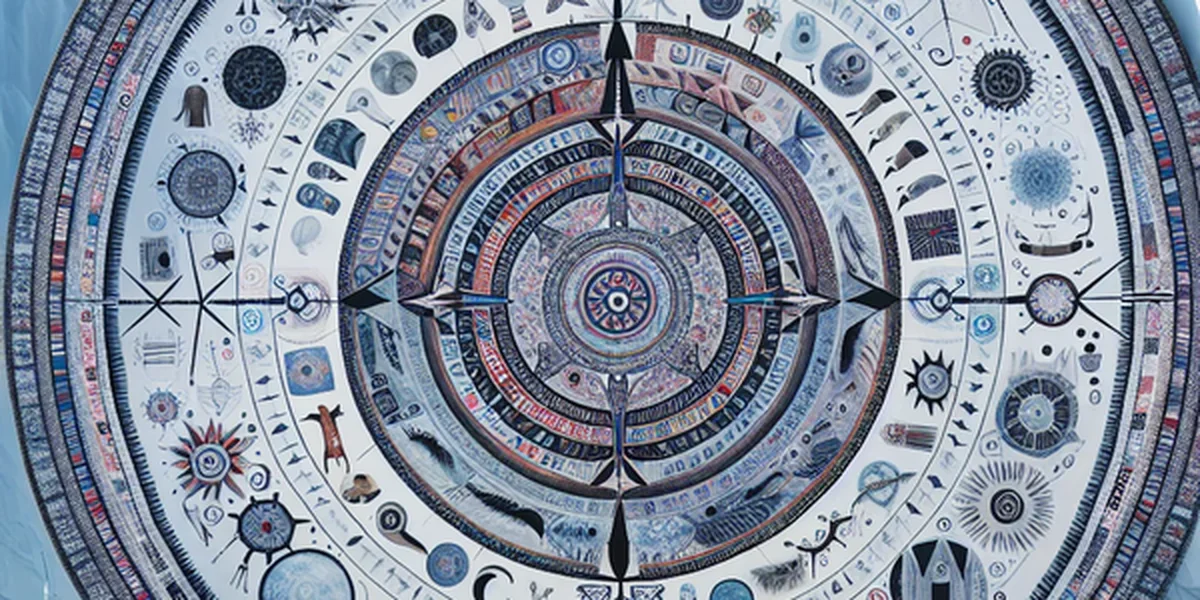
During polar night, Inuit communities live in darkness for months. The Winter Solstice marks the sun's return—a profound moment of hope, renewal, and celebration of light conquering darkness.
Thumbnail image shown on culture cards (recommended: 400x400px, square)
Hero Image
Large banner image for the culture detail page (recommended: 1200x600px,
wide)
📝 Core Information
Essential identifying information about the culture
The official name of the culture being enriched
Max 100 characters 10
A unique alphanumeric code representing the culture
Max 20 characters 3
A concise overview highlighting key attributes
Current Live Content
(227 chars)
Max 500 characters 227
Detailed description of defining characteristics, history, and contributions
Current Live Content
(227 chars)
Antarctica is a continent dedicated to scientific research and governed by international treaties. It has no native population, and its culture is shaped by the diverse nationalities of researchers who temporarily reside there.
Max 5000 characters 227
Primary geographic area where the culture is located
Languages spoken by the culture
Empty
Cultures with historical, linguistic, or geographic ties
Empty
Alternative names for the culture
Empty
Broader cultural group this culture belongs to
📚 History
Historical context, migration patterns, and regional variations
Long history, roots, and identity development
Current Live Content
(247 chars)
Antarctica has no indigenous history. It was first sighted in the early 19th century and has since been the focus of exploration and scientific study. The Antarctic Treaty, signed in 1959, established the continent as a zone for peaceful research.
Traditional and modern migration movements
Current Live Content
(122 chars)
There are no permanent residents; temporary migration is primarily by scientists and support staff from various countries.
Challenges faced and resilience demonstrated
Current Live Content
(127 chars)
The Antarctic Treaty has prevented military activity and territorial disputes, fostering a spirit of international cooperation.
Perspectives from diaspora communities
Current Live Content
(112 chars)
There is no diaspora, but the international scientific community shares a common interest in Antarctic research.
Variations in dialects and customs across regions
Current Live Content
(112 chars)
Research stations vary in culture based on the nationality of their operators, influencing language and customs.
Efforts to bridge cultural gaps
Current Live Content
(109 chars)
International collaboration is key, with shared goals in scientific discovery and environmental conservation.
🙏 Beliefs & Values
Spiritual practices, worldview, and cultural values
Religious practices and their influence on daily life
Current Live Content
(102 chars)
There are no indigenous spiritual practices; religious activities are personal and vary by individual.
Cultural worldview and core beliefs
Current Live Content
(173 chars)
The Antarctic community values scientific inquiry, environmental stewardship, and international cooperation. The harsh environment fosters a pragmatic and resilient outlook.
Important proverbs and sayings
Current Live Content
(130 chars)
There are no traditional proverbs, but sayings often emphasize survival and teamwork, such as 'Safety first' and 'Leave no trace.'
Naming traditions and terms of address
Current Live Content
(179 chars)
Naming conventions follow international standards, with formal titles used in professional settings. Informal terms of address are influenced by the diverse nationalities present.
🏥 Health & Wellness
Health practices, mental health views, and healthcare access
Overall health practices and approaches
Current Live Content
(187 chars)
Health services are limited to basic medical care at research stations. Mental health is a priority due to isolation and extreme conditions, with support systems in place for researchers.
Cultural perspectives on mental health
Current Live Content
(131 chars)
Mental health is openly discussed, with an emphasis on resilience and support networks to cope with isolation and harsh conditions.
Role of traditional healers in the community
Current Live Content
(107 chars)
There are no traditional healers; medical care is provided by trained professionals from various countries.
How gender influences healthcare access and practices
Current Live Content
(108 chars)
Gender roles are generally egalitarian, reflecting the international and scientific nature of the community.
Barriers to accessing healthcare
Current Live Content
(99 chars)
Barriers include isolation, limited medical facilities, and the need for evacuation in emergencies.
🎓 Education
Learning styles, educational approaches, and parental engagement
Educational approaches and learning styles
Current Live Content
(131 chars)
Education is informal and focused on scientific research and environmental awareness. Learning is often hands-on and collaborative.
Preferred learning methods and styles
Current Live Content
(97 chars)
Practical, experiential learning is emphasized, with a focus on problem-solving and adaptability.
How parents engage in children's education
Current Live Content
(96 chars)
There is no traditional family structure; educational engagement is professional and peer-based.
👥 Community & Family
Social structure, family dynamics, and community values
How families and communities are organized
Current Live Content
(138 chars)
Community is formed around research stations, with a focus on teamwork and mutual support. Social structures are informal and egalitarian.
Approaches to discipline and behavioral expectations
Current Live Content
(129 chars)
Discipline is self-regulated, with an emphasis on safety and cooperation. Behavioral norms are guided by international protocols.
Cultural attitudes toward authority
Current Live Content
(116 chars)
Authority is respected, particularly in matters of safety and scientific integrity, but collaboration is encouraged.
Social etiquette and important customs
Current Live Content
(111 chars)
Customs are influenced by the diverse nationalities present, with a shared emphasis on respect and cooperation.
Community strengths and resilience factors
Current Live Content
(129 chars)
The community is resilient, adaptable, and resourceful, with strong support networks and a shared commitment to scientific goals.
🎨 Art & Expression
Artistic expression, music, celebrations, and cultural symbols
Artistic and musical traditions
Current Live Content
(169 chars)
Artistic expression is personal and varies widely, often inspired by the stark beauty of the landscape. Music and art are used to foster community and relieve isolation.
Important cultural symbols and motifs
Current Live Content
(110 chars)
Symbols include icebergs, penguins, and scientific instruments, reflecting the environment and research focus.
Sources of joy and happiness in the culture
Current Live Content
(98 chars)
Joy is found in scientific discovery, camaraderie, and the unique natural beauty of the continent.
Celebratory traditions and joyful events
Current Live Content
(106 chars)
Celebrations often mark international holidays and milestones in research, fostering a sense of community.
Important holidays and cultural calendar
Current Live Content
(114 chars)
Holidays are celebrated according to the diverse nationalities present, with a focus on international cooperation.
Additional cultural expression notes
Current Live Content
(135 chars)
Cultural expression is often a blend of the diverse backgrounds of the researchers, creating a unique and dynamic cultural environment.
🏘️ Service Access
Economic context, housing, and nutrition
Economic activities and common occupations
Current Live Content
(109 chars)
The economy is non-existent; occupations are primarily scientific and support roles within research stations.
Housing types and living arrangements
Current Live Content
(102 chars)
Living arrangements are communal, with researchers residing in shared facilities at research stations.
Dietary practices and nutritional norms
Current Live Content
(127 chars)
Diet is influenced by the need for high-calorie intake due to the cold climate, with food supplies brought from home countries.
🗣️ Language Access
Interpretation needs and documentation traditions
Language interpretation requirements
Current Live Content
(117 chars)
English is the primary language, but interpretation services may be needed for other languages spoken by researchers.
Important notes for interpreters
Current Live Content
(84 chars)
Interpreters are often fellow researchers or support staff with multilingual skills.
How the culture documents its history and knowledge
Current Live Content
(100 chars)
Documentation follows international scientific standards, with reports and findings shared globally.
🌍 Environmental Practices
Environmental practices, sustainability, and climate adaptation
Cultural festivals and celebrations
Current Live Content
(206 chars)
While Antarctica does not have traditional festivals, researchers and staff celebrate international holidays and events from their home countries, fostering a multicultural environment at research stations.
Traditional medicine practices
Current Live Content
(189 chars)
There are no traditional medicine practices native to Antarctica. However, medical facilities at research stations follow modern medical protocols and practices from contributing countries.
Environmental stewardship and practices
Current Live Content
(204 chars)
Environmental stewardship is paramount, with strict protocols in place to minimize human impact. Research stations adhere to guidelines for waste management, pollution prevention, and wildlife protection.
Important cultural rituals
Current Live Content
(224 chars)
There are no indigenous rituals, but scientific teams often develop their own informal traditions, such as celebrating successful missions or the midwinter festival, a significant event for those overwintering in Antarctica.
Coming-of-age and life transition rituals
Current Live Content
(186 chars)
There are no traditional rites of passage, but reaching milestones in research or completing a winter-over period are considered significant achievements within the scientific community.
Food traditions and culinary practices
Current Live Content
(173 chars)
Culinary practices involve a mix of international cuisines prepared with supplies brought from home countries, adapted to the logistical constraints of a remote environment.
Strategies for adapting to climate
Current Live Content
(150 chars)
Strategies focus on minimizing ecological footprints, using renewable energy sources, and adapting research practices to changing climatic conditions.
Efforts to conserve biodiversity
Current Live Content
(137 chars)
Efforts include protecting native species and habitats, regulating human activity, and conducting research to monitor ecological changes.
Sustainable tourism initiatives
Current Live Content
(175 chars)
Tourism is regulated under the Antarctic Treaty, with guidelines to minimize environmental impact. Tours are conducted by operators adhering to strict environmental protocols.
Use of renewable energy sources
Current Live Content
(130 chars)
Research stations increasingly utilize wind and solar energy to reduce reliance on fossil fuels and minimize environmental impact.
Community participation in practices
Current Live Content
(189 chars)
The scientific community is actively involved in environmental practices, with researchers participating in conservation projects and contributing to global understanding of climate change.
Environmental education initiatives
Current Live Content
(164 chars)
Programs focus on raising awareness about Antarctica's role in global ecosystems, often involving virtual outreach and collaborations with educational institutions.
🏆 Cultural Contributions
Notable figures, innovations, and global influence
Important cultural figures and leaders
Current Live Content
(148 chars)
Notable figures include explorers like Ernest Shackleton and Robert Falcon Scott, as well as contemporary scientists contributing to polar research.
Cultural innovations and adaptations
Current Live Content
(120 chars)
Innovations involve advancements in cold-weather research methodologies and international scientific cooperation models.
Important literary works and oral traditions
Current Live Content
(151 chars)
Literature about Antarctica includes exploration narratives, scientific studies, and works of fiction inspired by the continent's isolation and beauty.
Traditional and modern architectural styles
Current Live Content
(157 chars)
Research stations exhibit innovative architectural styles designed to withstand extreme weather, featuring insulated structures and energy-efficient designs.
Scientific and technological contributions
Current Live Content
(146 chars)
Antarctica is central to climate research, glaciology, and marine biology, with significant contributions to understanding global climate systems.
Innovative culinary practices
Current Live Content
(113 chars)
Culinary adaptations in Antarctica focus on long-term food storage and creative use of limited fresh ingredients.
Global cultural influence
Current Live Content
(121 chars)
Antarctica's influence is primarily scientific, shaping global policies on climate change and environmental conservation.
Cultural awards and recognition
Current Live Content
(149 chars)
Recognition often goes to scientific achievements and international cooperation efforts, with awards from environmental and scientific organizations.
💻 Modern Adaptations
Modern influences, technology adoption, and globalization
Modern cultural influences and changes
Current Live Content
(112 chars)
Contemporary influences include advancements in technology that improve research capabilities and communication.
Digital and online cultural presence
Current Live Content
(107 chars)
Antarctic research is supported by digital platforms that facilitate data sharing and global collaboration.
Impact of globalization on the culture
Current Live Content
(113 chars)
Globalization has led to increased international cooperation and awareness of Antarctica's scientific importance.
Impact of urbanization
Current Live Content
(126 chars)
Urbanization is not applicable, but research stations are increasingly modernized to improve living conditions for scientists.
Adoption of modern technology
Current Live Content
(91 chars)
High-tech equipment and satellite communications are integral to modern Antarctic research.
Hybrid cultural expressions
Current Live Content
(123 chars)
Cultural forms are a blend of international traditions brought by researchers, creating a unique multicultural environment.
Social media and online engagement
Current Live Content
(126 chars)
Researchers and institutions use social media to share findings and raise awareness about Antarctic research and conservation.
🤝 Intercultural Relations
Interactions with other cultures and exchange programs
How the culture interacts with others
Current Live Content
(420 chars)
Antarctica is unique in that it does not have an indigenous culture or permanent population. Instead, it is a melting pot of international scientific communities. Researchers from around the world, primarily from countries like the United States, Russia, Australia, and various European nations, live and work in Antarctica. These communities interact through shared scientific goals and collaborative research projects.
Cultural approaches to resolving conflicts
Current Live Content
(290 chars)
In the context of Antarctica’s international research stations, conflict resolution is generally handled through diplomatic channels and international agreements such as the Antarctic Treaty System. This treaty promotes peaceful cooperation and prohibits military activity on the continent.
Cultural exchange initiatives
Current Live Content
(276 chars)
Cultural exchange in Antarctica is primarily facilitated through international scientific collaborations and exchanges between research stations. Scientists and researchers routinely share knowledge, techniques, and cultural practices with their colleagues from other nations.
Trade relationships with other cultures
Current Live Content
(227 chars)
There are no traditional trade relationships in Antarctica due to its status as a scientific preserve with no indigenous population or economy. Supplies and equipment are brought in by the countries operating research stations.
Collaborative artistic initiatives
Current Live Content
(275 chars)
Artistic endeavors in Antarctica are often linked to scientific missions, with artists in residence programs occasionally sponsored by national Antarctic programs. These projects aim to capture the unique environment and experience of the continent through various art forms.
Cultural perspectives on intercultural marriage
Current Live Content
(184 chars)
Intercultural marriages are not common in Antarctica due to the transient nature of the population, which consists mainly of researchers and support staff who stay for limited periods.
Collaborative educational programs
Current Live Content
(293 chars)
Educational initiatives often include collaborations between institutions in different countries, focusing on polar research, climate science, and environmental preservation. These initiatives aim to educate the next generation of scientists and increase global understanding of polar regions.
🌟 Youth & Future
Youth perspectives, employment trends, and future visions
Perspectives and values of young people
Current Live Content
(256 chars)
The youth perspective on Antarctica is largely shaped by the understanding of its importance in global climate systems and the need for conservation. Many young people involved are students or early-career scientists passionate about environmental science.
Youth-focused education programs
Current Live Content
(231 chars)
Educational programs related to Antarctica often focus on climate science, biology, and environmental conservation. These are typically run by universities and research institutions worldwide, emphasizing interdisciplinary studies.
Anticipated future challenges
Current Live Content
(175 chars)
Future challenges for the Antarctic community include climate change impacts, environmental preservation, and maintaining international cooperation amid geopolitical tensions.
Employment patterns among youth
Current Live Content
(223 chars)
Employment for young people related to Antarctica is primarily in scientific research, environmental conservation, and logistical support roles. Opportunities are mainly tied to temporary research positions and internships.
Cultural visions for the future
Current Live Content
(198 chars)
The vision for the future includes preserving Antarctica as a natural reserve dedicated to peace and science, mitigating climate change impacts, and expanding international scientific collaboration.
Youth in leadership positions
Current Live Content
(190 chars)
Youth leadership is seen in student-led environmental initiatives and emerging scientists taking on significant roles in research projects and international conferences on Antarctic studies.
Youth entrepreneurship and innovation
Current Live Content
(218 chars)
Innovation related to Antarctica focuses on sustainable technologies and methodologies for conducting research in extreme environments. Startups may explore renewable energy solutions and advanced scientific equipment.
🛡️ Challenges & Preservation
Cultural challenges and preservation efforts
Current cultural challenges
Current Live Content
(156 chars)
Challenges include environmental threats from climate change, maintaining international cooperation, and balancing scientific exploration with conservation.
Efforts to preserve cultural heritage
Current Live Content
(136 chars)
Efforts focus on preserving the natural environment through strict regulations, international treaties, and ongoing scientific research.