
Zimbabwean
Southern Africa ShonaNdebeleEnglish
The Zimbabwean culture is a rich and diverse blend of traditional and modern influences.
Historical Context
Zimbabwe has a rich history dating back to the Kingdom of Zimbabwe, which was established in the 13th century.
Migration Patterns
The country has experienced various waves of migration, including the arrival of European colonizers and African migrants from other regions.
Conflict And Resilience History
Zimbabwe has faced numerous conflicts, including the Second Chimurenga, which led to independence in 1980. The country has also experienced economic challenges and droughts.
Diaspora Perspectives
The Zimbabwean diaspora is scattered across the globe, with significant communities in South Africa, the United Kingdom, and Australia.
Regional Variations
Regional variations exist within Zimbabwean culture, reflecting differences between Shona and Ndebele cultures.
Bridging Notes
Zimbabwean culture has been influenced by various external factors, including colonialism, Christianity, and globalization.
Spiritual And Religious Practices
Traditional Zimbabwean spirituality is based on ancestor worship and a strong connection to nature. Many Zimbabweans practice Christianity or other Western religions.
Beliefs And Worldview
Zimbabweans believe in the interconnectedness of all things and have a deep respect for their ancestors and the natural world.
Cultural Proverbs Sayings
Examples include: 'Ukama hwevanhu' (Family is everything), 'Tinoda kudenga' (We are seeking to understand).
Naming Conventions And Terms Of Address
Zimbabweans use a combination of given names and clan or family names, with terms of address such as 'Baba' (father) or 'Mama' (mother).
Health And Mental Health
Traditional Zimbabwean medicine emphasizes the importance of balance and harmony in the body. Mental health is often linked to spiritual well-being.
Mental Health Views
Zimbabweans tend to view mental illness as a personal failing rather than a medical condition, leading to stigma and delayed treatment.
Traditional Healers
Traditional healers play an important role in Zimbabwean healthcare, using herbal remedies and other natural treatments.
Gender Roles In Healthcare
Women often take on caregiving roles within families, while men may be more involved in decision-making around healthcare.
Healthcare Barriers
Barriers to healthcare include lack of access to medical facilities, poverty, and cultural beliefs that discourage Western-style medicine.
Education And Learning Styles
Zimbabwean education emphasizes oral tradition and community-based learning. Formal education is also highly valued.
Learning Styles
Students learn through a combination of hands-on activities, storytelling, and written materials.
Parental Engagement
Parents are actively involved in their children's education, often participating in school events and providing support at home.
Family And Social Structure
Zimbabwean society is based on extended family ties and community networks. Family is highly valued and plays a central role in social organization.
Discipline And Behavior
Children are taught to respect their elders, follow traditional norms, and contribute to the community through shared labor and responsibilities.
Authority Attitudes
Authority figures, such as parents and teachers, are highly respected and expected to provide guidance and support.
Etiquette And Customs
Examples include: using both hands when giving or receiving something, showing respect to elders by touching their feet, and avoiding public displays of affection.
Community Strengths Resilience
Zimbabwean communities are known for their strong social bonds, mutual support, and ability to adapt to challenging circumstances.
Art Music And Expression
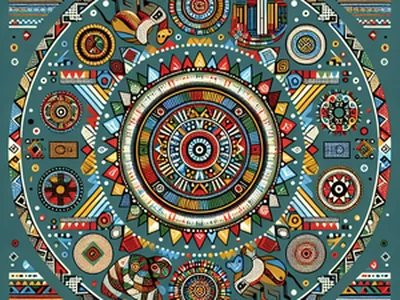
Traditional Zimbabwean art includes wood carvings, pottery, and textiles. Music and dance are also highly valued, with a focus on storytelling through rhythm and movement.
Cultural Symbols Motifs
Examples include: the acacia tree, which represents strength and resilience; the mbira instrument, which symbolizes creativity and expression.
What Brings Joy
Zimbabweans find joy in community gatherings, traditional music and dance, and sharing stories around the fire.
Celebrations Joyful Traditions
Examples include: the harvest festival (Mwali), which celebrates the bounty of the land; the initiation ceremony (Kusasa), which marks a young person's transition to adulthood.
Cultural Calendar And Holidays
Zimbabwe has several public holidays, including Independence Day (April 18th) and Heroes' Day (August 11th).
Additional Notes
Zimbabwean culture places great emphasis on creativity, self-expression, and community engagement.
Economic Context And Occupations
The Zimbabwean economy is primarily based on agriculture, with many people engaged in subsistence farming or small-scale entrepreneurship.
Housing And Living Arrangements
Traditional housing includes mud huts and thatched-roof homes. Modern living arrangements often involve urban apartments or rural homesteads.
Nutrition And Dietary Norms
Zimbabweans traditionally eat a diet rich in maize, sorghum, and other staple crops. Meat is also consumed, particularly during special occasions.
Interpretation Needs
Language interpretation services are often required for communication between Shona- and Ndebele-speaking communities.
Interpreter Notes
Interpreters may be needed to facilitate communication in formal or informal settings.
Documentation Traditions
Written documents, such as birth certificates and identification cards, are increasingly used in Zimbabwean society.
Interactions With Other Cultures
Zimbabweans interact with other cultures through trade, tourism, and migration. Cultural exchange programs are also common.
Conflict Resolution Mechanisms
Traditional conflict resolution mechanisms include mediation by community leaders or elders.
Cultural Exchange Programs
Examples include the Zimbabwean-German cultural exchange program and the African Diaspora Network.
Trade Relations
Zimbabwe trades with several countries, including South Africa, China, and the United States.
Shared Artistic Projects
Examples include collaborative music projects between Zimbabwean and international artists.
Intercultural Marriages
Intercultural marriages are becoming more common in Zimbabwe, particularly among younger generations.
Shared Educational Initiatives
Examples include joint educational programs between Zimbabwean and international institutions.
Youth Perspectives
Zimbabwean youth are increasingly involved in entrepreneurship, innovation, and community development initiatives.
Education Initiatives
Examples include the Zimbabwean government's initiative to increase access to education for disadvantaged communities.
Future Challenges
Challenges facing Zimbabwean youth include unemployment, poverty, and limited access to resources and opportunities.
Youth Employment Trends
Youth employment trends in Zimbabwe are shifting towards entrepreneurship, freelancing, and online work.
Future Visions
Zimbabwean youth envision a future with improved economic opportunities, increased access to education and healthcare, and enhanced community engagement.
Youth Leadership Roles
Young people are increasingly taking on leadership roles within their communities, driving social change and innovation.
Innovation And Startups
Examples include the growth of tech startups in Harare and Bulawayo, driven by Zimbabwean youth.
Festivals And Celebrations
Examples include the harvest festival (Mwali) and the initiation ceremony (Kusasa).
Traditional Medicine Practices
Traditional healers use herbal remedies, spiritual rituals, and other natural treatments to promote health and well-being.
Environmental Practices
Zimbabweans have a strong connection to nature and practice sustainable agriculture, conservation, and eco-tourism.
Rituals
Examples include the traditional Shona ritual of 'Kusasa', which marks a young person's transition to adulthood.
Rites Of Passage
Examples include initiation ceremonies (Kusasa) and coming-of-age rituals.
Culinary Traditions
Zimbabwean cuisine is characterized by dishes such as sadza, relish, and stewed meat.
Climate Adaptation Strategies
Examples include shifting agricultural practices to accommodate changing climate conditions and promoting sustainable land use.
Biodiversity Conservation
Zimbabwe has several national parks and wildlife reserves, which support biodiversity conservation efforts.
Sustainable Tourism Practices
Tourism in Zimbabwe is increasingly focused on sustainable practices, such as eco-lodges and community-based tourism initiatives.
Renewable Energy Use
Renewable energy sources, including solar and wind power, are becoming more prominent in Zimbabwean society.
Community Involvement In Practices
Community members are actively involved in environmental conservation efforts, such as tree planting and wildlife protection.
Notable Figures
Examples include Nelson Mandela, who was born in South Africa but has strong connections to Zimbabwean culture.
Cultural Innovations
Zimbabweans have made significant contributions to music, dance, and art, including the development of traditional instruments like the mbira.
Literary Works
Examples include the poetry of Solomon Mutswairo and the novels of Tsitsi Dangarembga.
Architectural Styles
Traditional Zimbabwean architecture includes mud huts and thatched-roof homes.
Scientific Contributions
Zimbabweans have made contributions to fields such as agriculture, medicine, and environmental science.
Culinary Innovations
Examples include the development of traditional dishes like sadza and relish.
Global Influence
Zimbabwean culture has influenced other cultures through trade, migration, and cultural exchange programs.
Awards And Recognition
Examples include awards for outstanding contributions to literature, music, or art.
Modern Influences
Modern influences on Zimbabwean culture include globalization, urbanization, and technological advancements.
Digital Presence
Zimbabweans are increasingly using digital platforms for communication, education, and entrepreneurship.
Globalization Effects
Globalization has had a significant impact on Zimbabwean culture, including the spread of Western values and technologies.
Urbanization Effects
Urbanization has led to changes in lifestyle, culture, and economic opportunities for Zimbabweans.
Technology Adoption
Technology adoption in Zimbabwe is driven by government initiatives, private sector investment, and individual innovation.
Hybrid Cultural Forms
Examples include fusion music styles that blend traditional and modern influences.
Social Media Presence
Zimbabweans are increasingly using social media platforms to connect with others, share information, and promote their work.
Challenges
Examples include poverty, unemployment, limited access to resources and opportunities, and cultural erosion due to globalization.
Preservation Efforts
Efforts to preserve Zimbabwean culture include community-based initiatives, government programs, and international collaborations.
Cultural Artwork
Community Discussion
Further Reading
Explore credible external sources to deepen your understanding of Zimbabwean culture.