
Zambian
Southern Africa EnglishBembaNyanjaTonga
Zambian culture is a rich tapestry of traditions, languages, and practices influenced by its diverse ethnic groups.
Historical Context
Zambia has a rich history that includes the migration of Bantu-speaking peoples, colonial rule by the British, and independence in 1964.
Migration Patterns
Historically, Zambia has seen migrations from the Bantu expansion, as well as movements due to colonial labor demands.
Conflict And Resilience History
Zambia has experienced relatively peaceful transitions compared to its neighbors, with resilience shown in overcoming economic challenges.
Diaspora Perspectives
The Zambian diaspora is spread across the globe, contributing to cultural exchange and economic remittances.
Regional Variations
Cultural practices vary significantly across regions, influenced by the dominant ethnic groups in each area.
Bridging Notes
Efforts to bridge cultural differences include national festivals and educational programs promoting unity.
Spiritual And Religious Practices
Christianity is predominant, but traditional beliefs and practices remain influential, often blending with Christian practices.
Beliefs And Worldview
Zambians value community, respect for elders, and a harmonious relationship with nature.
Cultural Proverbs Sayings
Proverbs are widely used to convey wisdom, such as 'Umwana ashenda atasha nyina ukunaya' (A child who does not travel praises his mother's cooking).
Naming Conventions And Terms Of Address
Names often reflect circumstances of birth or aspirations, and respectful terms of address are important in social interactions.
Health And Mental Health
Traditional medicine is widely practiced alongside modern healthcare, with community health workers playing a crucial role.
Mental Health Views
Mental health is often stigmatized, but awareness is growing through education and advocacy.
Traditional Healers
Traditional healers, known as 'ng'angas', are respected for their knowledge of herbal remedies and spiritual healing.
Gender Roles In Healthcare
Women are primary caregivers, but gender roles are evolving with increased female participation in professional healthcare.
Healthcare Barriers
Barriers include limited access to facilities in rural areas and financial constraints.
Education And Learning Styles
Education is valued, with a focus on both formal schooling and practical skills.
Learning Styles
Learning often involves storytelling and practical demonstrations, reflecting oral traditions.
Parental Engagement
Parents are actively involved in their children's education, often prioritizing it despite economic challenges.
Family And Social Structure
Extended families are common, with strong kinship ties and communal living arrangements.
Discipline And Behavior
Discipline is often community-based, with elders playing a key role in guiding youth.
Authority Attitudes
Respect for authority is ingrained, with elders and community leaders holding significant influence.
Etiquette And Customs
Greetings are important, and showing respect through language and gestures is essential.
Community Strengths Resilience
Communities are resilient, often coming together to support each other in times of need.
Art Music And Expression
Zambian music and dance are vibrant, with traditional instruments like the 'kalimba' and 'drums' being central.
Cultural Symbols Motifs
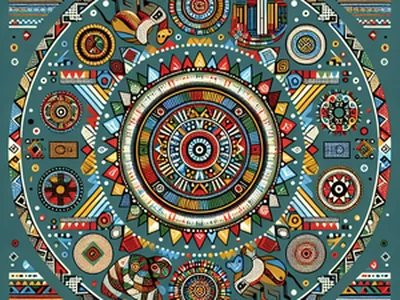
Symbols such as the eagle and traditional patterns are used in art and textiles.
What Brings Joy
Music, dance, and communal gatherings bring joy and are integral to celebrations.
Celebrations Joyful Traditions
Traditional ceremonies like 'Kuomboka' and 'Nc'wala' celebrate cultural heritage and community.
Cultural Calendar And Holidays
National holidays include Independence Day and traditional ceremonies specific to ethnic groups.
Additional Notes
Zambian culture is dynamic, with modern influences blending with traditional practices.
Economic Context And Occupations
Agriculture is a major occupation, with mining and services also contributing to the economy.
Housing And Living Arrangements
Housing varies from rural huts to urban apartments, with communal living common in rural areas.
Nutrition And Dietary Norms
Staple foods include maize, cassava, and fish, with meals often shared communally.
Interpretation Needs
Interpretation services are needed in healthcare and legal settings due to linguistic diversity.
Interpreter Notes
Interpreters should be culturally sensitive and aware of regional dialects.
Documentation Traditions
Oral traditions are strong, but written documentation is increasing, especially in education.
Interactions With Other Cultures
Zambia has a history of peaceful coexistence with neighboring countries and cultural exchange.
Conflict Resolution Mechanisms
Traditional conflict resolution involves community elders and consensus-building.
Cultural Exchange Programs
Programs exist to promote cultural understanding and exchange, particularly in education.
Trade Relations
Zambia engages in trade with regional and international partners, with a focus on copper exports.
Shared Artistic Projects
Collaborations in music and art with neighboring countries are common.
Intercultural Marriages
Intercultural marriages are accepted, often strengthening ties between different ethnic groups.
Shared Educational Initiatives
Educational initiatives often involve partnerships with international organizations to improve access and quality.
Youth Perspectives
Zambian youth are optimistic, valuing education and technology as tools for future success.
Education Initiatives
Government and NGOs are working to improve educational access and quality, particularly in rural areas.
Future Challenges
Challenges include unemployment, economic inequality, and the need for sustainable development.
Youth Employment Trends
Youth are increasingly involved in entrepreneurship and technology sectors.
Future Visions
There is a strong vision for a prosperous Zambia with equitable opportunities for all.
Youth Leadership Roles
Youth are taking on leadership roles in community development and advocacy.
Innovation And Startups
The startup scene is growing, with young entrepreneurs driving innovation in various sectors.
Festivals And Celebrations
Festivals like 'Kuomboka' and 'Nc'wala' celebrate cultural heritage and community spirit.
Traditional Medicine Practices
Herbal medicine and spiritual healing are integral to health practices.
Environmental Practices
Community-based conservation efforts are common, focusing on sustainable resource use.
Rituals
Rituals mark important life events, such as birth, marriage, and death, often involving community participation.
Rites Of Passage
Rites of passage, such as initiation ceremonies, are important for transitioning into adulthood.
Culinary Traditions
Cuisine is diverse, with dishes like 'nshima' and 'ifisashi' being staples.
Climate Adaptation Strategies
Communities are adopting strategies to cope with climate change, such as sustainable agriculture.
Biodiversity Conservation
Efforts are made to conserve biodiversity, particularly in national parks and wildlife reserves.
Sustainable Tourism Practices
Tourism initiatives focus on sustainability and community involvement.
Renewable Energy Use
There is a growing emphasis on renewable energy, particularly solar power, to address energy needs.
Community Involvement In Practices
Community involvement is key in environmental and cultural preservation efforts.
Environmental Education Programs
Programs aim to educate communities about environmental conservation and sustainable practices.
Notable Figures
Figures like Kenneth Kaunda and Dambisa Moyo have made significant contributions to politics and economics.
Cultural Innovations
Innovations in music and dance, such as the popularization of 'Zamrock', have gained international recognition.
Literary Works
Zambian literature is growing, with authors exploring themes of identity and social change.
Architectural Styles
Traditional architecture includes round huts with thatched roofs, while urban areas feature modern designs.
Scientific Contributions
Contributions in agriculture and mining technology have been significant.
Culinary Innovations
Fusion cuisine is emerging, blending traditional and modern culinary techniques.
Global Influence
Zambia's cultural influence is seen in music, art, and sports, with a growing global presence.
Awards And Recognition
Zambian artists and athletes have received international awards and recognition for their achievements.
Modern Influences
Globalization has brought modern influences, seen in fashion, music, and technology.
Digital Presence
Digital platforms are increasingly used for cultural expression and business.
Globalization Effects
Globalization has led to cultural exchange and economic opportunities, but also challenges in cultural preservation.
Urbanization Effects
Urbanization is changing social dynamics, with increased access to services but also challenges like congestion.
Technology Adoption
Technology adoption is growing, particularly among youth, driving innovation and connectivity.
Hybrid Cultural Forms
Hybrid cultural forms are emerging, blending traditional and modern elements.
Social Media Presence
Social media is widely used for communication, cultural exchange, and activism.
Challenges
Challenges include preserving cultural heritage amidst modernization and addressing economic disparities.
Preservation Efforts
Efforts are underway to document and preserve cultural practices, supported by government and NGOs.
Cultural Artwork
Community Discussion
Further Reading
Explore credible external sources to deepen your understanding of Zambian culture.