

Tutejszy
Eastern Europe, specifically Poland and surrounding regions PolishRussianUkrainian
The Tutejszy culture is a unique blend of Eastern European and Slavic traditions, with a strong emphasis on community and family ties.
Historical Context
The Tutejszy culture has its roots in the medieval period, with influences from various Eastern European and Slavic tribes.
Migration Patterns
Tutejszy people have historically migrated to urban areas for economic opportunities, while maintaining strong ties to their rural communities.
Conflict And Resilience History
The Tutejszy culture has faced numerous challenges throughout history, including wars, famines, and economic downturns, but has consistently demonstrated resilience and adaptability.
Diaspora Perspectives
Tutejszy people have maintained strong connections with their ancestral homeland, even in the face of diaspora and migration.
Regional Variations
Regional variations within Tutejszy culture are significant, reflecting local customs, traditions, and historical events.
Bridging Notes
The Tutejszy culture has a rich oral tradition, with stories and legends passed down through generations.
Spiritual And Religious Practices
Tutejszy people are predominantly Eastern Orthodox Christian, with some practicing Catholicism or other faiths.
Beliefs And Worldview
The Tutejszy culture is deeply rooted in a spiritual worldview, emphasizing the interconnectedness of all living things and the importance of community and family ties.
Cultural Proverbs Sayings
Proverbs such as 'Dobry człowiek to ten, który pomaga innym' ('A good person is one who helps others') reflect the Tutejszy values of kindness and generosity.
Naming Conventions And Terms Of Address
Tutejszy people traditionally use patronyms (e.g., 'Jan Kowalski'), with terms of address such as 'Pan' or 'Pani' used to show respect.
Health And Mental Health
Tutejszy people prioritize physical and mental well-being, with a strong emphasis on traditional medicine and holistic practices.
Mental Health Views
The Tutejszy culture views mental health as an integral part of overall well-being, encouraging open discussion and support for those struggling with mental health issues.
Traditional Healers
Tutejszy people often consult traditional healers (e.g., babas or wise women) for advice on physical and spiritual health.
Gender Roles In Healthcare
Traditional Tutejszy culture assigns specific roles to men and women in healthcare, with women often taking on caregiving responsibilities.
Healthcare Barriers
Access to modern healthcare services can be a challenge for some Tutejszy communities, particularly those living in rural areas.
Education And Learning Styles
Tutejszy people value education highly, with a focus on hands-on learning and apprenticeships.
Learning Styles
Traditional Tutejszy education emphasizes oral storytelling, music, and art as key components of the learning process.
Parental Engagement
Parents in Tutejszy culture are actively involved in their children's education, often serving as teachers or mentors.
Family And Social Structure
Tutejszy people place great importance on family and community ties, with extended families often living together.
Discipline And Behavior
Traditional Tutejszy culture emphasizes respect for authority figures (e.g., elders) and adherence to social norms.
Authority Attitudes
Tutejszy people generally hold authority figures in high esteem, but also value individual autonomy and self-expression.
Etiquette And Customs
Tutejszy culture is known for its warm hospitality, with guests often receiving traditional foods and drinks as a sign of respect.
Community Strengths Resilience
The Tutejszy community has demonstrated remarkable resilience in the face of adversity, with strong social bonds and support networks.
Art Music And Expression
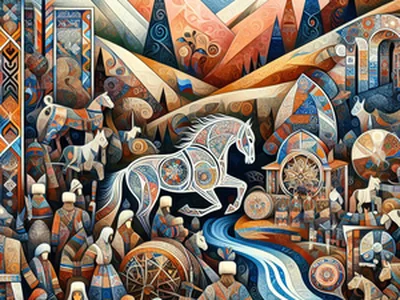
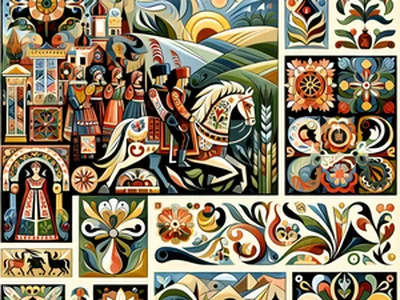
Tutejszy people have a rich cultural heritage in music, dance, and visual arts, with traditional folk instruments and costumes still used today.
Cultural Symbols Motifs
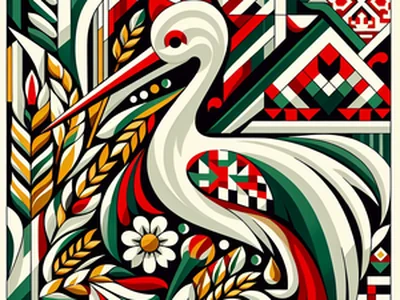
The Tutejszy culture is characterized by symbols such as the eagle (representing strength and freedom) and the wheat sheaf (symbolizing fertility and abundance).
What Brings Joy
Tutejszy people find joy in traditional activities like singing, dancing, and storytelling, as well as modern pursuits like sports and technology.
Celebrations Joyful Traditions
Tutejszy culture celebrates numerous festivals throughout the year, including Easter, Christmas, and harvest-themed celebrations.
Cultural Calendar And Holidays
The Tutejszy calendar is marked by significant dates such as Easter Monday (Śmigus-Dyngus) and the summer solstice (Jarek).
Additional Notes
Tutejszy people have a strong oral tradition, with stories and legends passed down through generations.
Economic Context And Occupations
Tutejszy people are often employed in agriculture, craftsmanship, or small business ventures.
Housing And Living Arrangements
Traditional Tutejszy housing consists of wooden houses with thatched roofs, while modern homes reflect a mix of traditional and contemporary styles.
Nutrition And Dietary Norms
Tutejszy cuisine emphasizes hearty, locally sourced foods like meat stews, bread, and vegetables.
Interpretation Needs
Tutejszy people may require interpretation services for languages such as Polish, Russian, or Ukrainian.
Interpreter Notes
Interpreters should be familiar with local dialects and cultural nuances to provide accurate interpretation.
Documentation Traditions
Tutejszy culture places great importance on written records, including family histories, genealogies, and business documents.
Interactions With Other Cultures
Tutejszy people have a long history of interactions with other cultures, including trade, migration, and cultural exchange.
Conflict Resolution Mechanisms
Traditional Tutejszy culture emphasizes mediation and negotiation to resolve conflicts.
Cultural Exchange Programs
The Tutejszy community has participated in various cultural exchange programs, promoting cross-cultural understanding and cooperation.
Trade Relations
Tutejszy people have engaged in trade with neighboring cultures for centuries, exchanging goods such as textiles, metals, and agricultural products.
Shared Artistic Projects
Tutejszy artists have collaborated on numerous projects with artists from other cultures, reflecting the community's emphasis on cultural exchange and cooperation.
Intercultural Marriages
Intercultural marriages are common among Tutejszy people, who value diversity and inclusivity in their personal relationships.
Shared Educational Initiatives
The Tutejszy community has partnered with other cultures to develop educational programs promoting cultural understanding and exchange.
Youth Perspectives
Tutejszy youth are actively engaged in preserving their cultural heritage, while also embracing modern technologies and innovations.
Education Initiatives
The Tutejszy community has launched various education initiatives to promote cultural awareness and exchange among young people.
Future Challenges
Tutejszy people face challenges such as urbanization, globalization, and climate change, which require innovative solutions and adaptations.
Youth Employment Trends
Young Tutejszy people are increasingly pursuing careers in technology, entrepreneurship, and creative industries.
Future Visions
The Tutejszy community envisions a future where their cultural heritage is preserved and celebrated, while also embracing modernity and progress.
Youth Leadership Roles
Tutejszy youth are taking on leadership roles within their communities, promoting cultural exchange and cooperation with other cultures.
Innovation And Startups
The Tutejszy community has seen a surge in innovation and entrepreneurship, with many startups focusing on sustainable technologies and social impact.
Festivals And Celebrations
Tutejszy people celebrate numerous festivals throughout the year, including Easter, Christmas, and harvest-themed celebrations.
Traditional Medicine Practices
Traditional Tutejszy medicine emphasizes holistic approaches to health, incorporating herbal remedies, spiritual practices, and community support.
Environmental Practices
The Tutejszy culture prioritizes environmental sustainability, with a focus on locally sourced materials, renewable energy, and waste reduction.
Rituals
Traditional Tutejszy rituals emphasize spiritual practices, community bonding, and environmental respect.
Rites Of Passage
Tutejszy culture has a rich tradition of rites of passage, marking significant life events with ceremonies and rituals.
Culinary Traditions
Tutejszy cuisine emphasizes locally sourced ingredients, traditional cooking methods, and family recipes passed down through generations.
Climate Adaptation Strategies
Tutejszy people have developed innovative strategies to adapt to climate change, including sustainable agriculture practices and community-led initiatives.
Biodiversity Conservation
The Tutejszy community has implemented conservation efforts to protect local biodiversity, including protected areas and species-specific programs.
Sustainable Tourism Practices
Tutejszy people promote sustainable tourism practices, emphasizing cultural exchange, community engagement, and environmentally responsible travel.
Renewable Energy Use
The Tutejszy community has adopted renewable energy sources, such as solar and wind power, to reduce their carbon footprint.
Notable Figures
Notable Tutejszy figures include cultural leaders, artists, and innovators who have made significant contributions to their community.
Cultural Innovations
The Tutejszy culture has developed innovative practices in areas such as sustainable agriculture, renewable energy, and traditional medicine.
Literary Works
Tutejszy literature includes epic poems, folk tales, and modern literary works that reflect the community's rich cultural heritage.
Architectural Styles
Traditional Tutejszy architecture features wooden houses with thatched roofs, reflecting a blend of Slavic and Eastern European influences.
Scientific Contributions
Tutejszy people have made significant contributions to scientific fields such as astronomy, mathematics, and medicine.
Culinary Innovations
The Tutejszy community has developed unique culinary traditions, incorporating local ingredients and cooking methods.
Global Influence
Tutejszy culture has had a significant impact on global cultural exchange, with influences visible in art, literature, music, and cuisine.
Awards And Recognition
Tutejszy people have received numerous awards and recognition for their contributions to arts, sciences, and community development.
Modern Influences
Tutejszy people have been influenced by modern trends in fashion, technology, and lifestyle, while maintaining their unique cultural identity.
Digital Presence
The Tutejszy community has a strong digital presence, with many members active on social media platforms and online forums.
Globalization Effects
Tutejszy people have adapted to globalization by embracing new technologies, trade opportunities, and cultural exchange programs.
Urbanization Effects
The Tutejszy community has adapted to urbanization by developing innovative solutions for housing, transportation, and community development.
Technology Adoption
Tutejszy people have adopted modern technologies such as solar power, wind turbines, and sustainable agriculture practices to reduce their environmental impact.
Hybrid Cultural Forms
The Tutejszy culture has developed hybrid forms of art, music, and literature that blend traditional and modern influences.
Social Media Presence
The Tutejszy community is active on social media platforms, using them to promote cultural exchange, share traditions, and connect with other cultures.
Challenges
Tutejszy people face challenges such as cultural erosion, language loss, and environmental degradation, which require urgent attention and action.
Preservation Efforts
The Tutejszy community has launched various preservation efforts to protect their cultural heritage, including documentation projects, language programs, and traditional skills training.
Cultural Artwork
Community Discussion
Further Reading
Explore credible external sources to deepen your understanding of Tutejszy culture.