
Tutchones
- Historical Context
- The Tutchone people have lived in the Yukon for thousands of years, with a culture deeply connected to the land. The Tutchones first had sustained contact with European settlers during the late 19th century, notably during the Klondike Gold Rush. In recent decades, the Tutchone have focused on cultural preservation and self-governance, reaffirming their rights through land claims and modern treaties.
- Migration Patterns
- The Tutchone people have lived in the Yukon for thousands of years, with a culture deeply connected to the land. The Tutchones first had sustained contact with European settlers during the late 19th century, notably during the Klondike Gold Rush. In recent decades, the Tutchone have focused on cultural preservation and self-governance, reaffirming their rights through land claims and modern treaties.
- Conflict And Resilience History
- The Tutchone people have lived in the Yukon for thousands of years, with a culture deeply connected to the land. The Tutchones first had sustained contact with European settlers during the late 19th century, notably during the Klondike Gold Rush. In recent decades, the Tutchone have focused on cultural preservation and self-governance, reaffirming their rights through land claims and modern treaties.
- Diaspora Perspectives
- The Tutchone people have lived in the Yukon for thousands of years, with a culture deeply connected to the land. The Tutchones first had sustained contact with European settlers during the late 19th century, notably during the Klondike Gold Rush. In recent decades, the Tutchone have focused on cultural preservation and self-governance, reaffirming their rights through land claims and modern treaties.
- Regional Variations
- The Tutchone people have lived in the Yukon for thousands of years, with a culture deeply connected to the land. The Tutchones first had sustained contact with European settlers during the late 19th century, notably during the Klondike Gold Rush. In recent decades, the Tutchone have focused on cultural preservation and self-governance, reaffirming their rights through land claims and modern treaties.
- Bridging Notes
- The Tutchone people have lived in the Yukon for thousands of years, with a culture deeply connected to the land. The Tutchones first had sustained contact with European settlers during the late 19th century, notably during the Klondike Gold Rush. In recent decades, the Tutchone have focused on cultural preservation and self-governance, reaffirming their rights through land claims and modern treaties.
- Spiritual And Religious Practices
- The Tutchones have a spiritual connection to the land, animals, and ancestors, with traditional beliefs often involving respect for nature and the spirit world. Community, respect for elders, and the preservation of language and culture are central values.
- Beliefs And Worldview
- The Tutchones have a spiritual connection to the land, animals, and ancestors, with traditional beliefs often involving respect for nature and the spirit world. Community, respect for elders, and the preservation of language and culture are central values. The Tutchones have a spiritual connection to the land, animals, and ancestors, with traditional beliefs often involving respect for nature and the spirit world. Community, respect for elders, and the preservation of language and culture are central values.
- Cultural Proverbs Sayings
- The Tutchones have a spiritual connection to the land, animals, and ancestors, with traditional beliefs often involving respect for nature and the spirit world. Community, respect for elders, and the preservation of language and culture are central values. The Tutchones have a spiritual connection to the land, animals, and ancestors, with traditional beliefs often involving respect for nature and the spirit world. Community, respect for elders, and the preservation of language and culture are central values.
- Naming Conventions And Terms Of Address
- The Tutchones have a spiritual connection to the land, animals, and ancestors, with traditional beliefs often involving respect for nature and the spirit world. Community, respect for elders, and the preservation of language and culture are central values. The Tutchones have a spiritual connection to the land, animals, and ancestors, with traditional beliefs often involving respect for nature and the spirit world. Community, respect for elders, and the preservation of language and culture are central values.
- Health And Mental Health
- Traditional practices include using local plants and herbs for healing, guided by knowledge passed down through generations. The Tutchone communities have improved access to modern healthcare, though traditional practices remain important.
- Mental Health Views
- Traditional practices include using local plants and herbs for healing, guided by knowledge passed down through generations. The Tutchone communities have improved access to modern healthcare, though traditional practices remain important. Traditional practices include using local plants and herbs for healing, guided by knowledge passed down through generations. The Tutchone communities have improved access to modern healthcare, though traditional practices remain important.
- Traditional Healers
- Traditional practices include using local plants and herbs for healing, guided by knowledge passed down through generations. The Tutchone communities have improved access to modern healthcare, though traditional practices remain important. Traditional practices include using local plants and herbs for healing, guided by knowledge passed down through generations. The Tutchone communities have improved access to modern healthcare, though traditional practices remain important.
- Gender Roles In Healthcare
- Traditional practices include using local plants and herbs for healing, guided by knowledge passed down through generations. The Tutchone communities have improved access to modern healthcare, though traditional practices remain important. Traditional practices include using local plants and herbs for healing, guided by knowledge passed down through generations. The Tutchone communities have improved access to modern healthcare, though traditional practices remain important.
- Healthcare Barriers
- Traditional practices include using local plants and herbs for healing, guided by knowledge passed down through generations. The Tutchone communities have improved access to modern healthcare, though traditional practices remain important. Traditional practices include using local plants and herbs for healing, guided by knowledge passed down through generations. The Tutchone communities have improved access to modern healthcare, though traditional practices remain important.
- Education And Learning Styles
- Knowledge is traditionally passed down through storytelling, observation, and participation in cultural practices. Efforts are being made to include Tutchone languages and cultural studies in local education systems.
- Learning Styles
- Knowledge is traditionally passed down through storytelling, observation, and participation in cultural practices. Efforts are being made to include Tutchone languages and cultural studies in local education systems. Knowledge is traditionally passed down through storytelling, observation, and participation in cultural practices. Efforts are being made to include Tutchone languages and cultural studies in local education systems.
- Parental Engagement
- Knowledge is traditionally passed down through storytelling, observation, and participation in cultural practices. Efforts are being made to include Tutchone languages and cultural studies in local education systems. Knowledge is traditionally passed down through storytelling, observation, and participation in cultural practices. Efforts are being made to include Tutchone languages and cultural studies in local education systems.
- Family And Social Structure
- Communities are organized around family groups, with elders playing a crucial role in decision-making and cultural guidance. Many Tutchone communities are governed by self-administered councils, working with the Yukon and Canadian governments.
- Discipline And Behavior
- Communities are organized around family groups, with elders playing a crucial role in decision-making and cultural guidance. Many Tutchone communities are governed by self-administered councils, working with the Yukon and Canadian governments. Communities are organized around family groups, with elders playing a crucial role in decision-making and cultural guidance. Many Tutchone communities are governed by self-administered councils, working with the Yukon and Canadian governments.
- Authority Attitudes
- Communities are organized around family groups, with elders playing a crucial role in decision-making and cultural guidance. Many Tutchone communities are governed by self-administered councils, working with the Yukon and Canadian governments. Communities are organized around family groups, with elders playing a crucial role in decision-making and cultural guidance. Many Tutchone communities are governed by self-administered councils, working with the Yukon and Canadian governments.
- Etiquette And Customs
- Communities are organized around family groups, with elders playing a crucial role in decision-making and cultural guidance. Many Tutchone communities are governed by self-administered councils, working with the Yukon and Canadian governments. Communities are organized around family groups, with elders playing a crucial role in decision-making and cultural guidance. Many Tutchone communities are governed by self-administered councils, working with the Yukon and Canadian governments.
- Community Strengths Resilience
- Communities are organized around family groups, with elders playing a crucial role in decision-making and cultural guidance. Many Tutchone communities are governed by self-administered councils, working with the Yukon and Canadian governments. Communities are organized around family groups, with elders playing a crucial role in decision-making and cultural guidance. Many Tutchone communities are governed by self-administered councils, working with the Yukon and Canadian governments.
- Art Music And Expression
- Tutchone art includes beadwork, carving, and basket weaving, often reflecting natural themes and cultural stories. Drumming and singing are important aspects of Tutchone cultural expression, with songs often reflecting historical and spiritual narratives.
- Cultural Symbols Motifs
- Tutchone art includes beadwork, carving, and basket weaving, often reflecting natural themes and cultural stories. Drumming and singing are important aspects of Tutchone cultural expression, with songs often reflecting historical and spiritual narratives. Tutchone art includes beadwork, carving, and basket weaving, often reflecting natural themes and cultural stories. Drumming and singing are important aspects of Tutchone cultural expression, with songs often reflecting historical and spiritual narratives.
- What Brings Joy
- Tutchone art includes beadwork, carving, and basket weaving, often reflecting natural themes and cultural stories. Drumming and singing are important aspects of Tutchone cultural expression, with songs often reflecting historical and spiritual narratives. Tutchone art includes beadwork, carving, and basket weaving, often reflecting natural themes and cultural stories. Drumming and singing are important aspects of Tutchone cultural expression, with songs often reflecting historical and spiritual narratives.
- Celebrations Joyful Traditions
- Tutchone art includes beadwork, carving, and basket weaving, often reflecting natural themes and cultural stories. Drumming and singing are important aspects of Tutchone cultural expression, with songs often reflecting historical and spiritual narratives. Tutchone art includes beadwork, carving, and basket weaving, often reflecting natural themes and cultural stories. Drumming and singing are important aspects of Tutchone cultural expression, with songs often reflecting historical and spiritual narratives.
- Cultural Calendar And Holidays
- Tutchone art includes beadwork, carving, and basket weaving, often reflecting natural themes and cultural stories. Drumming and singing are important aspects of Tutchone cultural expression, with songs often reflecting historical and spiritual narratives. Tutchone art includes beadwork, carving, and basket weaving, often reflecting natural themes and cultural stories. Drumming and singing are important aspects of Tutchone cultural expression, with songs often reflecting historical and spiritual narratives.
- Additional Notes
- Tutchone art includes beadwork, carving, and basket weaving, often reflecting natural themes and cultural stories. Drumming and singing are important aspects of Tutchone cultural expression, with songs often reflecting historical and spiritual narratives. Tutchone art includes beadwork, carving, and basket weaving, often reflecting natural themes and cultural stories. Drumming and singing are important aspects of Tutchone cultural expression, with songs often reflecting historical and spiritual narratives.
- Economic Context And Occupations
- Access to services can be limited by geographical remoteness, though improvements are ongoing in infrastructure and technology.
- Housing And Living Arrangements
- Access to services can be limited by geographical remoteness, though improvements are ongoing in infrastructure and technology.
- Nutrition And Dietary Norms
- Access to services can be limited by geographical remoteness, though improvements are ongoing in infrastructure and technology.
- Interpretation Needs
- Efforts are underway to revitalize the Northern and Southern Tutchone languages through education and community programs.
- Interpreter Notes
- Efforts are underway to revitalize the Northern and Southern Tutchone languages through education and community programs.
- Documentation Traditions
- Efforts are underway to revitalize the Northern and Southern Tutchone languages through education and community programs.
- Interactions With Other Cultures
- Historically, the Tutchone people, who are part of the larger Athabaskan group, interacted extensively with neighboring First Nations peoples such as the Kaska, Han, and Tagish. These interactions were often centered around trade, mutual defense, and shared cultural practices. In contemporary times, interactions have expanded to include participation in regional indigenous councils and collaborations with non-indigenous communities through governmental and non-governmental organizations.
- Conflict Resolution Mechanisms
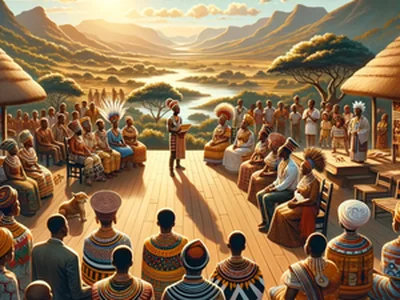
- Traditionally, Tutchone conflict resolution involved community gatherings where elders played a key role in mediating disputes. These gatherings emphasized dialogue and consensus-building. The use of traditional storytelling and cultural teachings was also a method to impart lessons on harmony and peace.
- Cultural Exchange Programs
- There are various cultural exchange programs facilitated by organizations like the Yukon First Nations Culture and Tourism Association. These programs aim to promote understanding and appreciation of Tutchone culture among both indigenous and non-indigenous communities through workshops, cultural festivals, and educational exchanges.
- Trade Relations
- Historically, the Tutchone engaged in trade with neighboring tribes, exchanging goods such as furs, tools, and food items. In modern times, trade has expanded to include artisanal crafts like beadwork and carvings, which are sold to a wider market through fairs and online platforms.
- Shared Artistic Projects
- Collaborative artistic endeavors include joint exhibitions and performances with other First Nations artists. These projects often highlight shared themes such as connection to the land, traditional stories, and contemporary indigenous issues.
- Intercultural Marriages
- Intercultural marriages have been a part of Tutchone society, with varying degrees of acceptance depending on the time and community. Today, such marriages are generally accepted and seen as an opportunity for cultural exchange and mutual learning.
- Shared Educational Initiatives
- Joint educational programs with other indigenous groups and educational institutions focus on language preservation, traditional ecological knowledge, and cultural history. These initiatives are often supported by government and NGO funding.
- Youth Perspectives
- Tutchone youth express a strong desire to balance modern opportunities with cultural preservation. They are keen on learning traditional skills while also embracing new technologies and career paths.
- Education Initiatives
- Education priorities include the integration of Tutchone language and culture into the curriculum. Programs are designed to encourage higher education participation and to foster leadership skills among youth.
- Future Challenges
- Future challenges for the Tutchone include maintaining cultural identity in the face of globalization, economic development pressures, and climate change impacts on traditional lands.
- Youth Employment Trends
- Employment trends among Tutchone youth show increasing participation in sectors such as tourism, environmental management, and digital industries, alongside traditional occupations like fishing and hunting.
- Future Visions
- Community visions for the future emphasize sustainable development, cultural revitalization, and enhanced self-governance. There is a strong focus on creating a thriving community that respects traditional values while engaging with the broader world.
- Youth Leadership Roles
- Young Tutchone are taking on leadership roles in cultural organizations, community councils, and environmental initiatives, often bringing innovative approaches to traditional practices.
- Innovation And Startups
- There is a growing trend of youth-driven startups focusing on cultural tourism, traditional crafts, and digital platforms that promote Tutchone language and culture.
- Festivals And Celebrations
- Major festivals include the Moosehide Gathering and the Adäka Cultural Festival, which celebrate Tutchone heritage through dance, music, and storytelling.
- Traditional Medicine Practices
- Traditional healing practices involve the use of medicinal plants, spiritual ceremonies, and the guidance of healers who possess knowledge passed down through generations.
- Environmental Practices
- Environmental stewardship is deeply rooted in Tutchone culture, with practices focused on sustainable hunting, fishing, and land management, guided by traditional ecological knowledge.
- Rituals
- Important rituals include seasonal celebrations that mark changes in the environment, such as solstices, and ceremonies that honor ancestors.
- Rites Of Passage
- Coming-of-age ceremonies are significant, involving teachings from elders, spiritual guidance, and community recognition of the transition to adulthood.
- Culinary Traditions
- Traditional foods include game meat, fish, and berries, prepared using methods like smoking and drying. These foods are central to cultural gatherings and celebrations.
- Climate Adaptation Strategies
- Adaptation strategies involve incorporating traditional knowledge with scientific research to address climate impacts on hunting patterns and habitat changes.
- Biodiversity Conservation
- Biodiversity conservation efforts include protecting traditional hunting and fishing grounds and collaborating with conservation organizations to preserve local ecosystems.
- Sustainable Tourism Practices
- Sustainable tourism approaches are employed to minimize environmental impact while promoting cultural education and economic benefits for the community.
- Renewable Energy Use
- The use of renewable energy, such as solar panels, is being explored and implemented in community buildings to reduce reliance on non-renewable resources.
- Community Involvement In Practices
- Community participation is central to cultural practices, with collective involvement in festivals, environmental initiatives, and decision-making processes.
- Environmental Education Programs
- Environmental education initiatives focus on teaching youth about traditional land stewardship, the importance of biodiversity, and the impacts of climate change.
- Notable Figures
- Prominent figures include traditional leaders, artists, and activists who have worked to preserve Tutchone culture and advocate for indigenous rights.
- Cultural Innovations
- Significant cultural innovations include the revitalization of traditional crafts and the integration of contemporary artistic expressions with traditional themes.
- Literary Works
- Important literature includes oral traditions that have been recorded and published, featuring stories that convey cultural history and values.
- Architectural Styles
- Distinctive architectural features include traditional log structures, such as community halls and dwellings, that reflect sustainable building practices.
- Scientific Contributions
- Scientific achievements are often related to environmental research, where traditional knowledge is used alongside scientific methods to study local ecosystems.
- Culinary Innovations
- Notable culinary contributions include the development of fusion dishes that blend traditional ingredients with modern cooking techniques.
- Global Influence
- The Tutchone culture influences global indigenous movements, particularly in areas of cultural preservation, environmental stewardship, and indigenous rights advocacy.
- Awards And Recognition
- Notable awards and recognition have been received for cultural preservation efforts, artistic excellence, and contributions to indigenous education and empowerment.
- Modern Influences
- Contemporary influences include the incorporation of global media, fashion, and technology into daily life, while maintaining cultural traditions.
- Digital Presence
- Online and digital engagement is growing, with platforms being used to promote Tutchone culture, language, and issues to a global audience.
- Globalization Effects
- Globalization presents both opportunities and challenges, with increased access to information and markets, alongside pressures to assimilate.
- Urbanization Effects
- Urbanization has led to increased migration to urban centers, where Tutchone individuals engage with diverse communities while seeking to maintain cultural ties.
- Technology Adoption
- The integration of technology is evident in the use of digital tools for cultural documentation, education, and communication.
- Hybrid Cultural Forms
- Fusion of traditional and modern elements is seen in music, art, and fashion, where traditional motifs are blended with contemporary styles.
- Social Media Presence
- Social media engagement is used to connect with a broader audience, share cultural content, and mobilize support for community initiatives and issues.
- Challenges
- Current challenges include cultural erosion, loss of language, and the need to address socio-economic disparities within the community.
- Preservation Efforts
- Efforts to preserve cultural heritage involve language revitalization programs, cultural education initiatives, and the documentation of traditional knowledge and practices.