
Tuscarora
Originally from North Carolina, now primarily located in New York and Ontario, Canada. TuscaroraEnglish
The Tuscarora are a Native American tribe originally from the region now known as North Carolina. They are part of the Iroquoian language family and are one of the Six Nations of the Haudenosaunee Confederacy.
Historical Context
The Tuscarora originally inhabited the coastal plains of North Carolina. In the early 18th century, they migrated northward due to conflicts with European settlers and other tribes, eventually joining the Haudenosaunee Confederacy as the sixth nation.
Migration Patterns
The Tuscarora migrated from North Carolina to New York in the early 1700s, settling among the Oneida and later becoming part of the Haudenosaunee Confederacy.
Conflict And Resilience History
The Tuscarora War (1711-1715) was a significant conflict with European settlers, leading to their migration. Despite challenges, they maintained their cultural identity and adapted to new environments.
Diaspora Perspectives
The Tuscarora have communities in both the United States and Canada, maintaining connections across borders and preserving their cultural heritage.
Regional Variations
Tuscarora communities in New York and Ontario may have slight variations in practices and dialects due to regional influences.
Bridging Notes
The Tuscarora have successfully integrated into the Haudenosaunee Confederacy while preserving their unique cultural identity.
Spiritual And Religious Practices
The Tuscarora practice traditional Iroquoian spirituality, which includes ceremonies like the Green Corn Festival and Midwinter Ceremony, focusing on gratitude and renewal.
Beliefs And Worldview
Tuscarora beliefs emphasize harmony with nature, community cohesion, and respect for ancestral traditions.
Cultural Proverbs Sayings
Proverbs often reflect the importance of community, nature, and wisdom passed down through generations.
Naming Conventions And Terms Of Address
Names are often given based on family lineage and significant events, with respect shown through specific terms of address for elders and leaders.
Health And Mental Health
Health practices combine traditional medicine with modern healthcare, emphasizing holistic well-being.
Mental Health Views
Mental health is viewed through a community lens, with support systems involving family and traditional healers.
Traditional Healers
Traditional healers, known as medicine people, play a crucial role in health practices, using herbal remedies and spiritual guidance.
Gender Roles In Healthcare
Both men and women participate in healthcare practices, with specific roles often defined by tradition.
Healthcare Barriers
Access to healthcare can be limited by geographic and economic factors, with efforts to integrate traditional practices into modern systems.
Education And Learning Styles
Education is valued, with a focus on both formal schooling and traditional knowledge passed down through storytelling and community involvement.
Learning Styles
Learning is often experiential, involving observation, participation, and oral traditions.
Parental Engagement
Parents and elders play an active role in education, emphasizing cultural teachings and community values.
Family And Social Structure
The Tuscarora have a matrilineal clan system, with strong family ties and community networks.
Discipline And Behavior
Discipline is community-based, focusing on teaching and guiding rather than punishment.
Authority Attitudes
Respect for elders and leaders is paramount, with decisions often made through consensus.
Etiquette And Customs
Customs emphasize respect, hospitality, and the importance of ceremonies and gatherings.
Community Strengths Resilience
The Tuscarora community is resilient, with strengths in cultural preservation, adaptability, and communal support.
Art Music And Expression
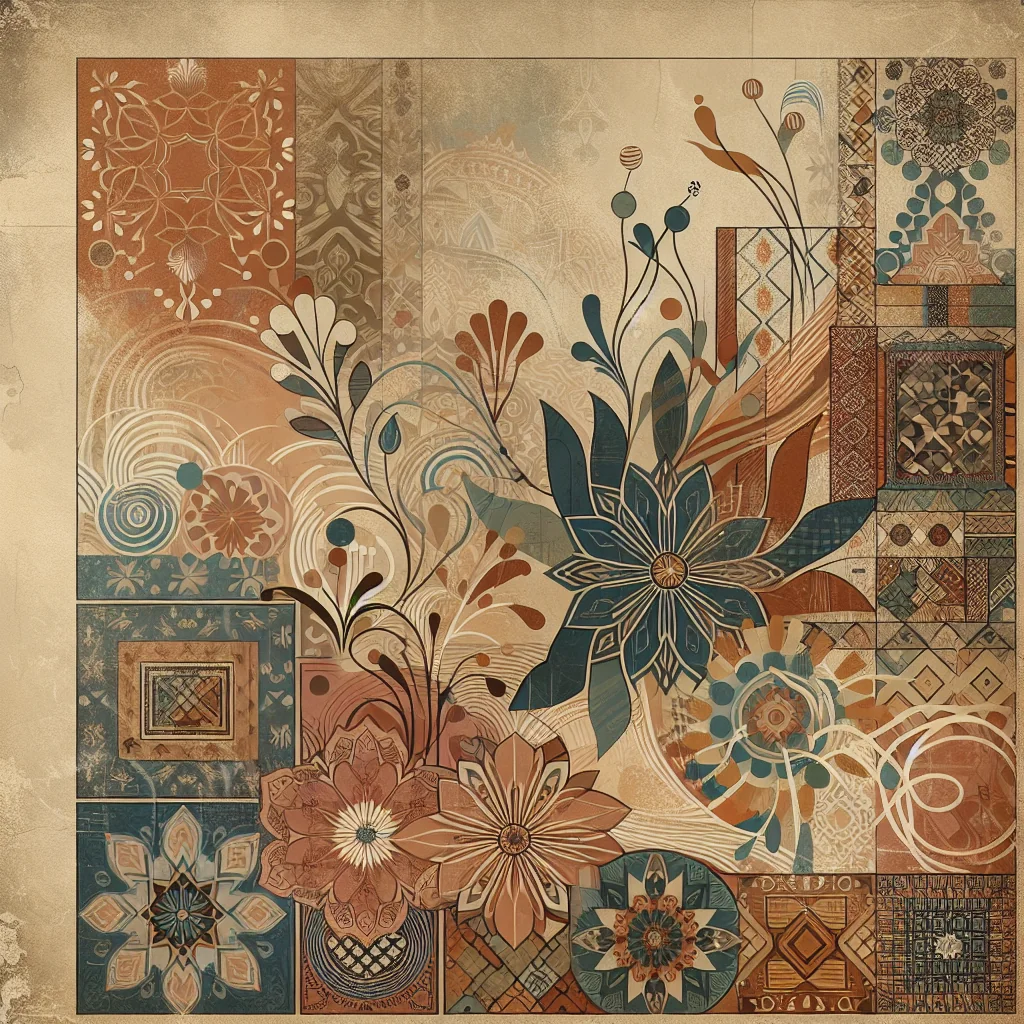
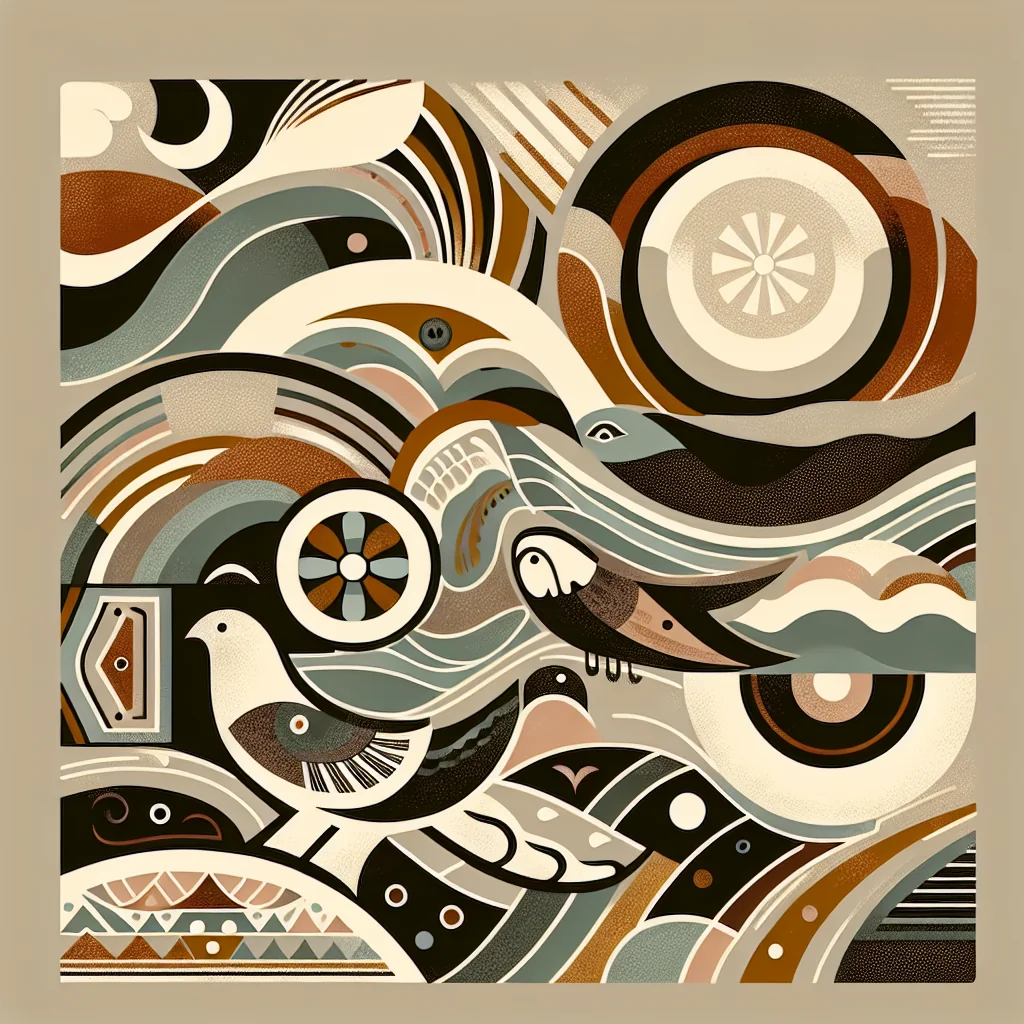
Tuscarora art includes beadwork, basketry, and pottery, while music features traditional songs and dances.
Cultural Symbols Motifs
Symbols like the turtle and corn are significant, representing creation and sustenance.
What Brings Joy
Community gatherings, storytelling, and participation in traditional ceremonies bring joy and strengthen bonds.
Celebrations Joyful Traditions
Festivals like the Green Corn Festival celebrate harvest and community, featuring music, dance, and feasting.
Cultural Calendar And Holidays
The cultural calendar includes seasonal ceremonies and events aligned with agricultural cycles.
Additional Notes
The Tuscarora continue to express their culture through contemporary art forms and community events.
Economic Context And Occupations
Historically involved in agriculture and trade, modern Tuscarora engage in various professions, balancing traditional practices with contemporary opportunities.
Housing And Living Arrangements
Housing varies from traditional longhouses to modern homes, with a focus on community living.
Nutrition And Dietary Norms
Traditional diets include corn, beans, and squash, known as the Three Sisters, supplemented by hunting and fishing.
Interpretation Needs
Efforts are made to preserve the Tuscarora language, with interpretation services available for community members.
Interpreter Notes
Interpreters often come from within the community, ensuring cultural nuances are respected.
Documentation Traditions
Oral traditions are central, with increasing efforts to document language and stories in written form.
Interactions With Other Cultures
The Tuscarora have historically interacted with neighboring tribes and European settlers, leading to cultural exchanges and adaptations.
Conflict Resolution Mechanisms
Conflicts are traditionally resolved through council meetings and consensus-building within the community.
Cultural Exchange Programs
Programs exist to promote cultural exchange and understanding, particularly within the Haudenosaunee Confederacy.
Trade Relations
Historically engaged in trade with other tribes and settlers, exchanging goods like furs and agricultural products.
Shared Artistic Projects
Collaborations with other Iroquois artists and communities are common, fostering shared cultural expression.
Intercultural Marriages
Intermarriage with other tribes and cultures has occurred, contributing to cultural diversity and exchange.
Shared Educational Initiatives
Educational initiatives often involve collaboration with other Haudenosaunee nations to promote cultural education.
Youth Perspectives
Tuscarora youth are increasingly engaged in cultural preservation and modern education, balancing tradition with contemporary life.
Education Initiatives
Initiatives focus on language revitalization and cultural education, involving both elders and youth.
Future Challenges
Challenges include cultural preservation, economic opportunities, and adapting to modern societal changes.
Youth Employment Trends
Youth are pursuing diverse careers, from traditional crafts to modern professions, often emphasizing community service.
Future Visions
The Tuscarora envision a future where cultural heritage is preserved and integrated with modern advancements.
Youth Leadership Roles
Youth are encouraged to take on leadership roles within the community, fostering a new generation of cultural stewards.
Innovation And Startups
There is a growing interest in entrepreneurship, with youth exploring innovative ways to blend tradition with modern business.
Festivals And Celebrations
Festivals like the Midwinter Ceremony and Green Corn Festival are central to cultural life, celebrating renewal and harvest.
Traditional Medicine Practices
Traditional medicine involves herbal remedies and spiritual healing, practiced by knowledgeable community members.
Environmental Practices
Sustainable practices are integral, with a focus on conservation and harmony with nature.
Rituals
Rituals mark significant life events and seasonal changes, reinforcing community bonds and cultural continuity.
Rites Of Passage
Rites of passage, such as coming-of-age ceremonies, are important for marking transitions in life stages.
Culinary Traditions
Culinary traditions emphasize locally sourced ingredients and traditional dishes like corn soup and frybread.
Climate Adaptation Strategies
Adaptation strategies include traditional ecological knowledge and modern environmental practices.
Biodiversity Conservation
Conservation efforts focus on protecting native species and habitats, reflecting traditional ecological values.
Sustainable Tourism Practices
Tourism initiatives aim to educate visitors about Tuscarora culture while promoting sustainability.
Renewable Energy Use
There is interest in renewable energy projects, aligning with traditional values of environmental stewardship.
Community Involvement In Practices
Community involvement is key in environmental and cultural practices, ensuring collective responsibility and participation.
Environmental Education Programs
Programs educate both youth and adults about environmental stewardship and traditional ecological knowledge.
Notable Figures
Notable figures include leaders and artists who have contributed to cultural preservation and advocacy.
Cultural Innovations
Innovations include the integration of traditional crafts with modern artistic expressions.
Literary Works
Literary contributions include oral histories and contemporary writings that reflect Tuscarora experiences.
Architectural Styles
Traditional longhouses are a significant architectural style, reflecting communal living and cultural values.
Scientific Contributions
Contributions to environmental science and sustainable practices are informed by traditional ecological knowledge.
Culinary Innovations
Culinary innovations involve blending traditional recipes with contemporary flavors and techniques.
Global Influence
The Tuscarora have influenced global understanding of indigenous cultures and environmental practices.
Awards And Recognition
Recognition includes awards for cultural preservation and contributions to indigenous rights and advocacy.
Modern Influences
Modern influences include technology and globalization, impacting cultural practices and daily life.
Digital Presence
The Tuscarora maintain a digital presence through social media and online platforms, promoting cultural awareness.
Globalization Effects
Globalization has brought both challenges and opportunities, influencing cultural exchange and economic development.
Urbanization Effects
Urbanization has led to changes in living arrangements and employment, with efforts to maintain cultural ties.
Technology Adoption
Technology is increasingly adopted for education, communication, and cultural preservation.
Hybrid Cultural Forms
Hybrid forms blend traditional and modern elements, seen in art, music, and cultural events.
Social Media Presence
Social media is used to connect with broader audiences and share cultural stories and initiatives.
Challenges
Challenges include cultural preservation, economic development, and adapting to modern societal changes.
Preservation Efforts
Efforts focus on language revitalization, cultural education, and maintaining traditional practices.
Cultural Artwork
Community Discussion
Further Reading
Explore credible external sources to deepen your understanding of Tuscarora culture.