

Turkmenistan
Central Asia TurkmenRussian
A Central Asian country with a rich cultural heritage, Turkmenistan is known for its nomadic traditions and Islamic influences.
Historical Context
Turkmenistan has a long and complex history, with various empires and dynasties rising and falling over the centuries. The country was a major stop on the Silk Road and was influenced by Islamic, Persian, and Russian cultures.
Migration Patterns
The Turkmen people have migrated throughout Central Asia for centuries, influencing the culture and language of neighboring countries.
Conflict And Resilience History
Turkmenistan has experienced various conflicts, including wars with Russia and Iran. The country has also faced economic challenges and droughts, but its people have shown resilience in the face of adversity.
Diaspora Perspectives
The Turkmen diaspora is scattered throughout Central Asia and beyond, with many communities maintaining strong ties to their homeland.
Regional Variations
Turkmenistan has regional variations in culture, language, and customs, reflecting its diverse geography and history.
Spiritual And Religious Practices
Islam is the dominant religion in Turkmenistan, with a significant minority of Christians. The country has a rich tradition of Sufi mysticism and Islamic scholarship.
Beliefs And Worldview
Turkmen people believe in the importance of family, community, and hospitality. They place great value on respect for elders and tradition.
Cultural Proverbs Sayings
Some common Turkmen proverbs include 'Sag bol' (good health) and 'Gurban bolsun' (may it be blessed).
Naming Conventions And Terms Of Address
Turkmen people use patronymic naming conventions, with names often including the father's name. Terms of address are formal and respectful, with titles such as 'Bey' or 'Khan'.
Health And Mental Health
Turkmenistan faces significant health challenges, including high rates of obesity, diabetes, and cardiovascular disease. Mental health is also a concern, particularly among young people.
Mental Health Views
Mental health is still stigmatized in Turkmen society, but there is growing awareness and efforts to address the issue.
Traditional Healers
Traditional healers play an important role in Turkmenistan, with many people seeking their services for various ailments.
Gender Roles In Healthcare
Women often take on caregiving roles in healthcare, particularly in rural areas.
Healthcare Barriers
Access to healthcare is limited in rural areas, and there are significant barriers to healthcare access for marginalized groups.
Education And Learning Styles
Turkmenistan has a formal education system, but it is not well-developed. Many people rely on informal learning and apprenticeships.
Learning Styles
Learning styles in Turkmenistan tend to be hands-on and experiential, with an emphasis on practical skills.
Parental Engagement
Parents are often involved in their children's education, particularly in rural areas.
Family And Social Structure
Turkmen society is highly family-oriented, with close-knit communities and strong social bonds.
Discipline And Behavior
Discipline and behavior are highly valued in Turkmen culture, with an emphasis on respect for elders and tradition.
Authority Attitudes
Authority figures are highly respected in Turkmenistan, particularly in rural areas.
Etiquette And Customs
Etiquette and customs are formal and respectful, with a strong emphasis on hospitality and generosity.
Community Strengths Resilience
Turkmen communities are known for their resilience and ability to adapt to challenging circumstances.
Art Music And Expression
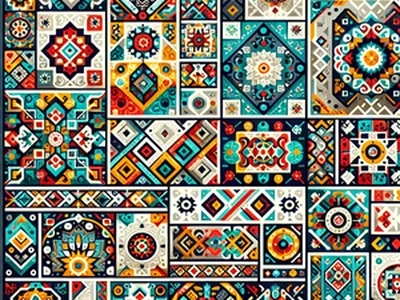
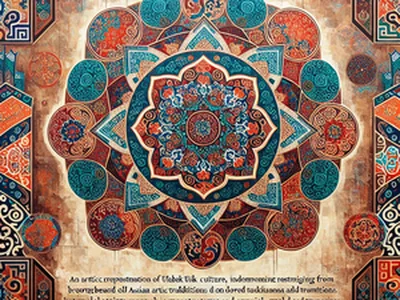
Traditional Turkmen art includes textiles, carpets, and metalwork. Music and dance are also highly valued, with a rich tradition of folk music and dance.
Cultural Symbols Motifs
Cultural symbols in Turkmenistan include the eagle, which represents strength and freedom.
What Brings Joy
Joy is often associated with family gatherings, traditional festivals, and cultural events.
Celebrations Joyful Traditions
Turkmenistan celebrates various festivals throughout the year, including Nowruz (the Persian New Year) and Eid al-Fitr (the Islamic holiday marking the end of Ramadan).
Cultural Calendar And Holidays
The Turkmen calendar includes various holidays and celebrations, reflecting its Islamic and cultural heritage.
Economic Context And Occupations
Turkmenistan has a largely agricultural economy, with many people engaged in livestock herding and farming.
Housing And Living Arrangements
Housing in Turkmenistan is often simple and traditional, with an emphasis on family and community.
Nutrition And Dietary Norms
Traditional Turkmen cuisine includes meat, bread, and vegetables, with a focus on hospitality and generosity.
Interpretation Needs
Interpretation services are often needed for visitors to Turkmenistan, particularly in rural areas.
Interpreter Notes
Interpreter services can be arranged through local authorities or tour operators.
Documentation Traditions
Documentation traditions in Turkmenistan include handwritten records and oral histories.
Interactions With Other Cultures
Turkmenistan has a complex history of interactions with other cultures, including Islamic, Persian, and Russian influences.
Conflict Resolution Mechanisms
Conflict resolution mechanisms in Turkmenistan often involve mediation and negotiation, reflecting its cultural emphasis on respect and hospitality.
Cultural Exchange Programs
Cultural exchange programs between Turkmenistan and other countries are limited, but there is growing interest in promoting cultural understanding and cooperation.
Trade Relations
Turkmenistan has trade relations with various countries, including Russia, China, and the United States.
Shared Artistic Projects
Shared artistic projects between Turkmenistan and other countries are rare, but there is a growing interest in promoting cultural exchange and collaboration.
Intercultural Marriages
Intercultural marriages between Turkmen people and those from other cultures are not common, but they do occur.
Shared Educational Initiatives
Shared educational initiatives between Turkmenistan and other countries are limited, but there is growing interest in promoting cultural understanding and cooperation.
Youth Perspectives
Young people in Turkmenistan face significant challenges, including limited access to education and economic opportunities.
Education Initiatives
Education initiatives in Turkmenistan focus on improving access to quality education, particularly for disadvantaged groups.
Future Challenges
Turkmenistan faces various future challenges, including climate change, water scarcity, and economic development.
Youth Employment Trends
Youth employment trends in Turkmenistan are limited, but there is growing interest in promoting entrepreneurship and job creation.
Future Visions
Future visions for Turkmenistan include a more prosperous and sustainable economy, with improved access to education and healthcare.
Youth Leadership Roles
Youth leadership roles in Turkmenistan are rare, but there is growing interest in promoting youth participation and empowerment.
Innovation And Startups
Innovation and startup initiatives in Turkmenistan focus on promoting entrepreneurship and job creation, particularly among young people.
Festivals And Celebrations
Turkmenistan celebrates various festivals throughout the year, including Nowruz (the Persian New Year) and Eid al-Fitr (the Islamic holiday marking the end of Ramadan).
Traditional Medicine Practices
Traditional medicine practices in Turkmenistan include herbalism and spiritual healing.
Environmental Practices
Environmental practices in Turkmenistan focus on conservation and sustainability, particularly in rural areas.
Rituals
Rituals in Turkmenistan often involve prayer, music, and dance, reflecting its Islamic and cultural heritage.
Rites Of Passage
Rites of passage in Turkmenistan include traditional ceremonies marking important life events, such as birth, marriage, and death.
Culinary Traditions
Traditional Turkmen cuisine includes meat, bread, and vegetables, with a focus on hospitality and generosity.
Climate Adaptation Strategies
Climate adaptation strategies in Turkmenistan focus on promoting sustainable agriculture and water management practices.
Biodiversity Conservation
Biodiversity conservation efforts in Turkmenistan aim to protect its unique flora and fauna, particularly in national parks and protected areas.
Sustainable Tourism Practices
Sustainable tourism practices in Turkmenistan promote responsible travel and cultural exchange, while minimizing environmental impact.
Renewable Energy Use
Renewable energy use in Turkmenistan is limited, but there is growing interest in promoting solar and wind power.
Community Involvement In Practices
Community involvement in environmental practices in Turkmenistan is often high, particularly in rural areas.
Notable Figures
Notable figures from Turkmenistan include the poet Makhtumkuli, the writer and politician Saparmurat Niyazov, and the artist Maksud Inayat.
Cultural Innovations
Cultural innovations in Turkmenistan include traditional textiles, carpets, and metalwork, as well as modern art forms such as music and dance.
Literary Works
Literary works from Turkmenistan include poetry, fiction, and non-fiction, often reflecting its cultural heritage and Islamic influences.
Architectural Styles
Architectural styles in Turkmenistan reflect its Islamic and Persian heritage, with a focus on grand mosques and palaces.
Scientific Contributions
Scientific contributions from Turkmenistan are limited, but there is growing interest in promoting scientific research and innovation.
Culinary Innovations
Culinary innovations in Turkmenistan include traditional dishes such as plov (pilaf) and shurpa (soup), often served at family gatherings and cultural events.
Global Influence
Turkmenistan's global influence is limited, but there is growing interest in promoting cultural exchange and cooperation with other countries.
Awards And Recognition
Awards and recognition for Turkmenistan include the UNESCO World Heritage designation for its ancient city of Merv.
Modern Influences
Modern influences on Turkmen culture include globalization, urbanization, and technology adoption.
Digital Presence
Turkmenistan has a growing digital presence, with increasing access to the internet and social media.
Globalization Effects
Globalization effects in Turkmenistan include increased trade and cultural exchange, as well as challenges related to economic development and environmental sustainability.
Urbanization Effects
Urbanization effects in Turkmenistan include rapid growth of cities, particularly Ashgabat, which poses challenges for infrastructure, housing, and services.
Technology Adoption
Technology adoption in Turkmenistan is growing, with increasing use of mobile phones, computers, and other digital technologies.
Hybrid Cultural Forms
Hybrid cultural forms in Turkmenistan reflect its complex history and cultural influences, including Islamic, Persian, and Russian traditions.
Social Media Presence
Social media presence in Turkmenistan is growing, with increasing use of platforms such as Facebook, Twitter, and Instagram.
Challenges
Turkmenistan faces various cultural challenges, including the preservation of its traditional culture and language, as well as the promotion of cultural exchange and cooperation with other countries.
Preservation Efforts
Preservation efforts in Turkmenistan focus on protecting its cultural heritage, particularly its ancient cities, mosques, and palaces.
Cultural Artwork
Community Discussion
Further Reading
Explore credible external sources to deepen your understanding of Turkmenistan culture.