

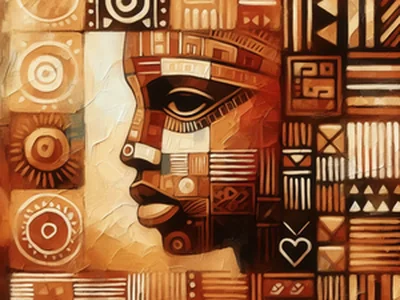
Turkana
Northwest Kenya Turkana
The Turkana are a Nilotic ethnic group native to the Turkana District in northwest Kenya. They are known for their pastoral lifestyle, rich cultural traditions, and resilience in the face of environmental challenges.
Historical Context
The Turkana have historically been semi-nomadic pastoralists, adapting to the arid environment of northwest Kenya. They have a history of resilience against colonial and post-colonial pressures.
Migration Patterns
The Turkana have traditionally migrated within their region in search of pasture and water, often moving across borders into Uganda and South Sudan.
Conflict And Resilience History
The Turkana have faced conflicts over resources with neighboring communities but have developed strategies for resilience, including conflict resolution mechanisms and alliances.
Diaspora Perspectives
While most Turkana remain in their traditional lands, some have migrated to urban areas in Kenya and abroad, maintaining cultural ties through community networks.
Regional Variations
There are variations in dialect and cultural practices among Turkana sub-groups, influenced by geography and interaction with neighboring communities.
Bridging Notes
Understanding the Turkana's historical context and resilience strategies is crucial for engaging with their community effectively.
Spiritual And Religious Practices
The Turkana practice a form of animism, with a belief in a supreme deity known as Akuj. They also engage in rituals and ceremonies to honor ancestors and spirits.
Beliefs And Worldview
The Turkana worldview is deeply connected to their environment, with a strong emphasis on community and kinship ties.
Cultural Proverbs Sayings
Proverbs often reflect the importance of cattle and pastoral life, such as 'A cow is life.'
Naming Conventions And Terms Of Address
Names often reflect circumstances of birth or significant events. Respectful terms of address are used for elders and community leaders.
Health And Mental Health
Health practices are influenced by traditional beliefs, with a reliance on herbal medicine and traditional healers.
Mental Health Views
Mental health is often viewed through a spiritual lens, with issues sometimes attributed to supernatural causes.
Traditional Healers
Traditional healers, known as 'ngimurok,' play a crucial role in health care, using herbal remedies and spiritual guidance.
Gender Roles In Healthcare
Women are primarily responsible for family health care, though men may consult healers for serious issues.
Healthcare Barriers
Barriers include limited access to modern healthcare facilities and cultural preferences for traditional practices.
Education And Learning Styles
Education is increasingly valued, though traditional knowledge is passed down orally. Formal education is often limited by resources.
Learning Styles
Learning is experiential, with a focus on practical skills necessary for pastoral life.
Parental Engagement
Parents are involved in teaching traditional skills, though engagement with formal education varies.
Family And Social Structure
The Turkana social structure is clan-based, with extended families living together. Elders hold significant authority.
Discipline And Behavior
Discipline is community-based, with a focus on maintaining harmony and respect for elders.
Authority Attitudes
Elders and community leaders are respected, with decisions often made through consensus.
Etiquette And Customs
Customs emphasize respect, hospitality, and sharing, especially in communal settings.
Community Strengths Resilience
Strong kinship ties and communal support systems are key strengths, aiding in resilience against environmental and social challenges.
Art Music And Expression
Artistic expression includes beadwork, storytelling, and music, often reflecting pastoral life and cultural values.
Cultural Symbols Motifs
Symbols such as cattle and traditional weapons are common, representing wealth and protection.
What Brings Joy
Community gatherings, storytelling, and music are sources of joy and cultural expression.
Celebrations Joyful Traditions
Celebrations often involve dance, music, and feasting, marking important life events and seasonal changes.
Cultural Calendar And Holidays
Cultural events are tied to the pastoral calendar, with celebrations for successful harvests and livestock births.
Additional Notes
The Turkana's rich oral tradition is a key aspect of their cultural expression, preserving history and values.
Economic Context And Occupations
The economy is primarily pastoral, with livestock as the main source of livelihood. Some engage in trade and small-scale agriculture.
Housing And Living Arrangements
Housing is traditionally in the form of temporary structures made from local materials, reflecting their semi-nomadic lifestyle.
Nutrition And Dietary Norms
The diet is largely based on livestock products, including milk, meat, and blood, supplemented by wild fruits and grains.
Interpretation Needs
Interpretation may be needed for Turkana speakers in formal settings, especially in healthcare and legal contexts.
Interpreter Notes
Interpreters should be familiar with cultural nuances and traditional terms.
Documentation Traditions
Traditionally, knowledge is passed orally, though there is increasing use of written documentation in education.
Interactions With Other Cultures
The Turkana interact with neighboring communities through trade and shared grazing areas, though conflicts over resources can occur.
Conflict Resolution Mechanisms
Traditional mechanisms include negotiations led by elders and community leaders.
Cultural Exchange Programs
There are limited formal programs, but informal exchanges occur through trade and intermarriage.
Trade Relations
Trade is primarily in livestock and traditional crafts, often with neighboring communities.
Shared Artistic Projects
Collaborations in music and dance occur, especially during regional festivals.
Intercultural Marriages
Intermarriages with neighboring communities are common, fostering cultural exchange.
Shared Educational Initiatives
Shared initiatives are limited but growing, focusing on pastoral education and resource management.
Youth Perspectives
Youth are increasingly seeking education and employment opportunities, balancing traditional roles with modern aspirations.
Education Initiatives
Initiatives focus on increasing access to formal education and vocational training.
Future Challenges
Challenges include climate change, resource scarcity, and balancing tradition with modernization.
Youth Employment Trends
Employment is often in pastoralism, with some youth seeking opportunities in urban areas.
Future Visions
Visions for the future include sustainable development and improved access to education and healthcare.
Youth Leadership Roles
Youth are taking on leadership roles in community development and advocacy for education.
Innovation And Startups
There is growing interest in innovation, particularly in sustainable agriculture and technology.
Festivals And Celebrations
Festivals celebrate pastoral life, with events like the Turkana Cultural Festival showcasing traditional music and dance.
Traditional Medicine Practices
Traditional medicine is widely practiced, using local herbs and spiritual healing.
Environmental Practices
Environmental practices include sustainable grazing and water conservation techniques.
Rituals
Rituals are performed for various life events, including births, marriages, and funerals.
Rites Of Passage
Rites of passage mark transitions such as puberty and marriage, often involving ceremonies and community gatherings.
Culinary Traditions
Culinary traditions focus on livestock products, with unique dishes like 'ng'ombe' (roasted meat).
Climate Adaptation Strategies
Strategies include migration, diversification of livestock, and community resource management.
Biodiversity Conservation
Conservation efforts focus on preserving grazing lands and water sources.
Sustainable Tourism Practices
Tourism initiatives aim to promote cultural heritage while supporting community development.
Renewable Energy Use
There is growing interest in solar energy to support remote communities.
Community Involvement In Practices
Community involvement is key in environmental and cultural preservation efforts.
Environmental Education Programs
Programs focus on educating youth about sustainable practices and environmental stewardship.
Notable Figures
Notable figures include community leaders and activists advocating for Turkana rights and development.
Cultural Innovations
Innovations include traditional beadwork and crafts, which are gaining recognition in broader markets.
Literary Works
Oral literature is rich, with stories and proverbs passed down through generations.
Architectural Styles
Traditional architecture includes temporary structures suited to a nomadic lifestyle.
Scientific Contributions
Contributions are primarily in traditional ecological knowledge and sustainable pastoral practices.
Culinary Innovations
Culinary innovations focus on traditional dishes adapted for modern tastes.
Global Influence
The Turkana's resilience and cultural practices are gaining recognition in global discussions on indigenous rights and climate adaptation.
Awards And Recognition
Recognition includes awards for cultural preservation and community development initiatives.
Modern Influences
Modern influences include increased access to education and technology, impacting traditional lifestyles.
Digital Presence
Digital presence is growing, with social media used to connect and share cultural heritage.
Globalization Effects
Globalization brings both opportunities and challenges, influencing cultural practices and economic activities.
Urbanization Effects
Urbanization is leading to shifts in traditional roles and increased migration to cities.
Technology Adoption
Technology is being adopted in areas like communication and education, though access remains limited.
Hybrid Cultural Forms
Hybrid forms are emerging, blending traditional and modern elements in music, fashion, and art.
Social Media Presence
Social media is used to promote cultural events and connect with the diaspora.
Challenges
Challenges include climate change, resource conflicts, and maintaining cultural identity in a rapidly changing world.
Preservation Efforts
Efforts focus on documenting oral traditions, promoting cultural festivals, and engaging youth in cultural preservation.
Cultural Artwork
Community Discussion
Further Reading
Explore credible external sources to deepen your understanding of Turkana culture.