
Tunisian
North Africa ArabicBerberFrench
The Tunisian culture is a rich and diverse blend of Arab, Berber, and Mediterranean influences.
Historical Context
Tunisia has a rich history dating back to the Phoenicians, with various cultures leaving their mark on the country's language, customs, and traditions.
Migration Patterns
The Berbers migrated from the Atlas Mountains in Morocco to Tunisia around 2000 BCE.
Conflict And Resilience History
Tunisia has experienced periods of conflict, including the Arab conquests and French colonial rule, but has also shown resilience through its cultural heritage and traditions.
Diaspora Perspectives
The Tunisian diaspora is scattered across Europe, North America, and other parts of the world, with many maintaining strong ties to their homeland.
Regional Variations
Regional variations in Tunisia include the coastal regions, the Sahara Desert, and the mountainous areas.
Spiritual And Religious Practices
Islam is the dominant religion in Tunisia, with a significant minority of Christians and Jews.
Beliefs And Worldview
Tunisians believe in the importance of family, respect for elders, and hospitality towards guests.
Cultural Proverbs Sayings
Proverb: 'Al-ghurba khair min al-shirk' (Absence is better than companionship).
Naming Conventions And Terms Of Address
Tunisians use honorific titles such as 'Hajj' or 'Bint' to address older individuals.
Health And Mental Health
Mental health issues are stigmatized in Tunisian culture, with many preferring traditional remedies over modern treatments.
Mental Health Views
Traditional healers use a combination of herbal remedies and spiritual practices to treat mental health conditions.
Traditional Healers
Traditional healers, known as 'Hakims,' use their knowledge of herbs and spirituality to diagnose and treat illnesses.
Gender Roles In Healthcare
Women play a significant role in healthcare in Tunisia, with many working as nurses or midwives.
Healthcare Barriers
Barriers to healthcare access include poverty, lack of education, and limited availability of modern medical facilities.
Education And Learning Styles
Tunisian education emphasizes rote memorization and respect for authority.
Learning Styles
Students are encouraged to work in groups and participate actively in class discussions.
Parental Engagement
Parents play an active role in their children's education, often helping with homework and attending parent-teacher conferences.
Family And Social Structure
Tunisian society is patriarchal, with men holding positions of authority.
Discipline And Behavior
Children are disciplined through a combination of physical punishment and moral guidance.
Authority Attitudes
Respect for authority is deeply ingrained in Tunisian culture, with children expected to obey their parents and elders without question.
Etiquette And Customs
Etiquette emphasizes respect for guests, including offering them food and drink upon arrival.
Community Strengths Resilience
Tunisians are known for their resilience and ability to adapt to challenging circumstances.
Art Music And Expression
Traditional Tunisian music features a blend of Arabic, Berber, and Mediterranean influences.
Cultural Symbols Motifs
The henna plant is a symbol of good luck and fertility in Tunisian culture.
What Brings Joy
Tunisians find joy in social gatherings, family celebrations, and traditional festivals.
Celebrations Joyful Traditions
Eid al-Fitr and Eid al-Adha are significant holidays in Tunisia, marked by feasting and gift-giving.
Cultural Calendar And Holidays
Tunisia celebrates various national holidays, including Independence Day on March 20th.
Economic Context And Occupations
The majority of Tunisians work in the service sector, with many employed in tourism or hospitality.
Housing And Living Arrangements
Housing is often provided by the government for low-income families.
Nutrition And Dietary Norms
Traditional Tunisian cuisine emphasizes olive oil, dates, and preserved meats.
Interpretation Needs
Interpreters are needed to facilitate communication between Arabic-speaking Tunisians and English-speaking visitors.
Interpreter Notes
Interpreters should be familiar with local customs and cultural nuances to provide accurate interpretation services.
Documentation Traditions
Documentation is often oral, with stories passed down through generations by word of mouth.
Interactions With Other Cultures
Tunisia has a long history of cultural exchange with neighboring countries, including Morocco and Algeria.
Conflict Resolution Mechanisms
Disputes are often resolved through mediation by community elders or religious leaders.
Cultural Exchange Programs
The Tunisian government offers scholarships to students from other Arab countries to study in Tunisia.
Trade Relations
Tunisia has trade agreements with the European Union and other regional partners.
Shared Artistic Projects
Tunisian artists collaborate with international artists on projects such as music festivals and art exhibitions.
Intercultural Marriages
Intercultural marriages are becoming increasingly common, particularly between Tunisians and Europeans.
Shared Educational Initiatives
The Tunisian government has partnered with international organizations to implement educational programs focused on literacy and numeracy.
Youth Perspectives
Young Tunisians are optimistic about their country's future, despite facing challenges such as unemployment and poverty.
Education Initiatives
The government has launched initiatives to improve access to education, including vocational training programs.
Future Challenges
Tunisia faces challenges related to climate change, water scarcity, and economic development.
Youth Employment Trends
Youth employment rates are improving, with many young Tunisians finding work in the service sector or starting their own businesses.
Future Visions
Young Tunisians envision a future where their country is a hub for innovation, entrepreneurship, and cultural exchange.
Youth Leadership Roles
Youth leaders play an increasingly important role in shaping Tunisia's future, particularly in areas such as education and healthcare.
Innovation And Startups
Tunisia has seen a surge in startup activity, with many young entrepreneurs developing innovative solutions to local challenges.
Festivals And Celebrations
Eid al-Fitr and Eid al-Adha are significant holidays in Tunisia, marked by feasting and gift-giving.
Traditional Medicine Practices
Traditional healers use a combination of herbal remedies and spiritual practices to treat illnesses.
Environmental Practices
Tunisians prioritize environmental conservation, with many participating in beach cleanups and tree-planting initiatives.
Rituals
Rituals such as the henna ceremony are an important part of Tunisian culture, marking significant life events such as weddings and births.
Rites Of Passage
Rites of passage include the circumcision ceremony for boys and the henna ceremony for girls.
Culinary Traditions
Traditional Tunisian cuisine emphasizes olive oil, dates, and preserved meats.
Climate Adaptation Strategies
Tunisians are adapting to climate change by implementing sustainable agriculture practices and reducing water consumption.
Biodiversity Conservation
The government has established protected areas for biodiversity conservation, including national parks and wildlife reserves.
Sustainable Tourism Practices
Tourism operators are promoting sustainable tourism practices, such as eco-lodges and responsible travel initiatives.
Renewable Energy Use
Tunisia is investing in renewable energy sources, including solar and wind power.
Community Involvement In Practices
Community members are involved in environmental conservation efforts, including beach cleanups and tree-planting initiatives.
Environmental Education Programs
Environmental education programs are being implemented in schools to raise awareness about climate change and sustainable practices.
Notable Figures
Notable figures include the poet Abu al-Qasim al-Shabi and the writer Albert Memmi.
Cultural Innovations
Tunisia has made significant contributions to cultural innovations, including the development of Arabic calligraphy and Islamic art.
Literary Works
Literary works include the poetry of Abu al-Qasim al-Shabi and the novels of Albert Memmi.
Architectural Styles
Architectural styles include the traditional Tunisian house with its characteristic arches and domes.
Scientific Contributions
Tunisia has made significant contributions to scientific fields, including mathematics and astronomy.
Culinary Innovations
Culinary innovations include the development of preserved meats and the use of olive oil in cooking.
Global Influence
Tunisian culture has had a global influence, with many artists and writers drawing inspiration from its traditions and customs.
Awards And Recognition
Tunisia has received international recognition for its cultural achievements, including awards for literature and music.
Modern Influences
Modern influences include the impact of globalization on traditional industries such as textiles and crafts.
Digital Presence
Tunisians are increasingly using digital platforms to access information, connect with others, and express themselves creatively.
Globalization Effects
Globalization has had a significant impact on Tunisia's economy, culture, and identity.
Urbanization Effects
Urbanization is transforming the social and economic landscape of Tunisia, with many young people moving to cities for education and employment opportunities.
Technology Adoption
Tunisia is adopting new technologies, including renewable energy sources and digital infrastructure.
Hybrid Cultural Forms
Hybrid cultural forms are emerging, blending traditional Tunisian culture with modern influences from around the world.
Social Media Presence
Social media platforms are being used to promote Tunisian culture, connect with diaspora communities, and raise awareness about social issues.
Challenges
Challenges facing Tunisian culture include the impact of globalization on traditional industries, urbanization, and climate change.
Preservation Efforts
Efforts to preserve Tunisian cultural heritage include the establishment of museums, archives, and cultural centers.
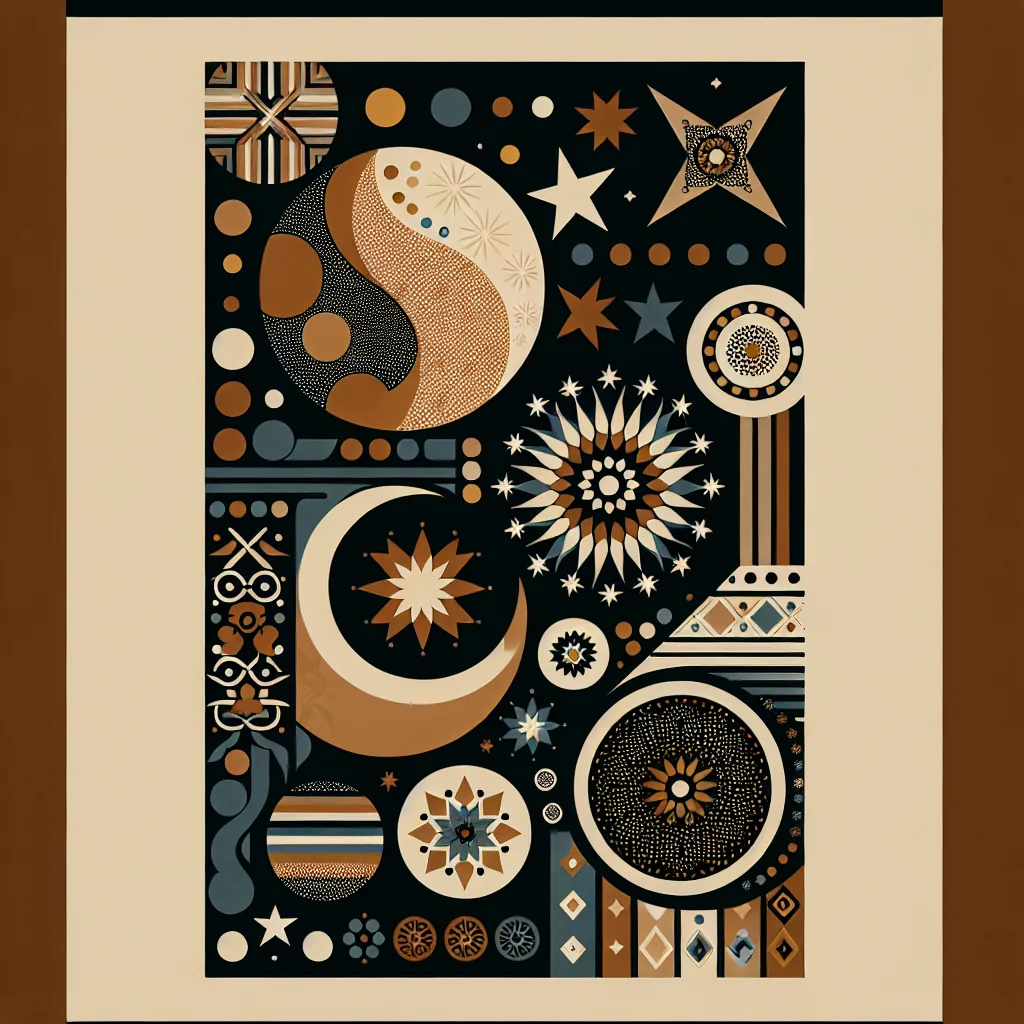
Cultural Artwork
Community Discussion
Further Reading
Explore credible external sources to deepen your understanding of Tunisian culture.