
Torres Strait Islanders
Torres Strait Islands, Australia Kala Lagaw YaMeriam MerMabuiag
The Torres Strait Islanders are an Indigenous Australian people who inhabit the Torres Strait Islands between Cape York Peninsula and New Guinea.
Historical Context
Pre-colonial era to present day
Migration Patterns
Migration from New Guinea and the Indonesian archipelago
Conflict And Resilience History
Colonization, forced assimilation, and cultural suppression
Diaspora Perspectives
Torres Strait Islanders have maintained strong connections with their ancestral lands despite displacement
Regional Variations
Regional differences in language, culture, and traditions
Spiritual And Religious Practices
Ancestral worship, totemic systems, and spiritual connection with the land
Beliefs And Worldview
Cosmological understanding of the world, interconnectedness with nature
Cultural Proverbs Sayings
Proverb: 'Kala Lagaw Ya' (the sea is our lifeblood)
Naming Conventions And Terms Of Address
Naming conventions based on clan and family affiliations
Health And Mental Health
High rates of chronic diseases, mental health issues due to historical trauma
Mental Health Views
Stigma surrounding mental illness, importance of traditional healing practices
Traditional Healers
Respected healers who use natural remedies and spiritual practices
Gender Roles In Healthcare
Traditional roles for men and women in healthcare, with some overlap
Healthcare Barriers
Limited access to healthcare services, cultural barriers to Western medicine
Education And Learning Styles
Oral tradition-based learning, hands-on apprenticeships
Learning Styles
Holistic approach to education, emphasizing practical skills and community involvement
Parental Engagement
High level of parental involvement in children's education
Family And Social Structure
Extended family networks, clan affiliations, and social hierarchies
Discipline And Behavior
Importance of self-discipline, respect for community norms
Authority Attitudes
Respect for elders and traditional leaders
Etiquette And Customs
Complex etiquette surrounding food sharing, gift-giving, and hospitality
Community Strengths Resilience
Strong sense of community cohesion, resilience in the face of adversity
Art Music And Expression
Traditional music, dance, and storytelling, with a strong emphasis on oral tradition
Cultural Symbols Motifs
Use of natural symbols like shells, feathers, and wood carvings
What Brings Joy
Community gatherings, traditional performances, and cultural celebrations
Celebrations Joyful Traditions
Eid Mubarak (Islamic New Year), Meriam Mer (Mer Island) festivals
Cultural Calendar And Holidays
Torres Strait Islands' calendar based on lunar cycles and seasonal events
Economic Context And Occupations
Fishing, tourism, and small-scale agriculture
Housing And Living Arrangements
Traditional dwellings made from natural materials, with some modern adaptations
Nutrition And Dietary Norms
Diet rich in seafood, fruits, and vegetables, with a focus on local food systems
Interpretation Needs
Interpreters for Kala Lagaw Ya, Meriam Mer, and other Torres Strait Island languages
Interpreter Notes
Importance of cultural competence in interpretation services
Documentation Traditions
Oral tradition-based documentation, with some written records
Interactions With Other Cultures
Historical interactions with European colonizers, modern-day collaborations with other Indigenous cultures
Conflict Resolution Mechanisms
Traditional conflict resolution methods, such as mediation and reconciliation ceremonies
Cultural Exchange Programs
Exchange programs between Torres Strait Islander communities and other Indigenous groups
Trade Relations
Historical trade relationships with neighboring islands and mainland Australia
Shared Artistic Projects
Collaborative artistic projects with other Indigenous cultures
Intercultural Marriages
Increasing intermarriage between Torres Strait Islanders and other Indigenous Australians
Shared Educational Initiatives
Joint educational initiatives with other Indigenous communities
Youth Perspectives
Youth-led initiatives for cultural preservation, community development, and social change
Education Initiatives
Initiatives promoting Indigenous education, language revitalization, and cultural awareness
Future Challenges
Addressing historical trauma, preserving cultural heritage, and adapting to climate change
Youth Employment Trends
Growing demand for Indigenous youth in tourism, arts, and community development sectors
Future Visions
Torres Strait Islanders envision a future where their culture is respected, preserved, and thriving
Youth Leadership Roles
Increasing representation of Torres Strait Islander youth in leadership positions
Innovation And Startups
Emergence of Indigenous-led startups and innovation hubs
Festivals And Celebrations
Eid Mubarak (Islamic New Year), Meriam Mer (Mer Island) festivals, and other cultural celebrations
Traditional Medicine Practices
Use of natural remedies, spiritual practices, and traditional healing techniques
Environmental Practices
Sustainable fishing practices, conservation efforts for marine life and ecosystems
Rituals
Ancestral worship rituals, totemic ceremonies, and other spiritual practices
Rites Of Passage
Traditional initiation ceremonies, coming-of-age rites, and other cultural milestones
Culinary Traditions
Diet rich in seafood, fruits, and vegetables, with a focus on local food systems
Climate Adaptation Strategies
Community-led initiatives for climate change adaptation and mitigation
Biodiversity Conservation
Conservation efforts for marine life, ecosystems, and biodiversity
Sustainable Tourism Practices
Sustainable tourism practices that respect cultural heritage and environmental sustainability
Renewable Energy Use
Increasing use of renewable energy sources, such as solar and wind power
Community Involvement In Practices
High level of community involvement in cultural preservation and environmental conservation efforts
Environmental Education Programs
Education programs promoting environmental awareness, sustainability, and conservation
Notable Figures
Notable Torres Strait Islanders include: Eddie Mabo (land rights activist), Oodgeroo Noonuccal (poet and activist)
Cultural Innovations
Innovative cultural practices, such as traditional music and dance fusion
Literary Works
Literary works by Torres Strait Islander authors, including poetry and fiction
Architectural Styles
Traditional dwellings made from natural materials, with some modern adaptations
Scientific Contributions
Contributions to marine biology, ecology, and conservation efforts
Culinary Innovations
Innovative use of local ingredients in traditional cuisine
Global Influence
Growing global recognition of Torres Strait Islander culture and contributions
Awards And Recognition
Awards and recognition for cultural preservation, environmental conservation, and social impact initiatives
Modern Influences
Influence of modern technologies, such as digital media and renewable energy
Digital Presence
Growing online presence through social media, websites, and digital platforms
Globalization Effects
Effects of globalization on Torres Strait Islander culture, including cultural exchange and homogenization
Urbanization Effects
Impact of urbanization on traditional practices, community cohesion, and cultural identity
Technology Adoption
Increasing adoption of technology in daily life, including mobile phones and internet access
Hybrid Cultural Forms
Emergence of hybrid cultural forms, such as fusion music and dance styles
Social Media Presence
Growing social media presence among Torres Strait Islanders
Challenges
Historical trauma, cultural suppression, climate change, and economic inequality
Preservation Efforts
Efforts to preserve cultural heritage, language, and traditional practices
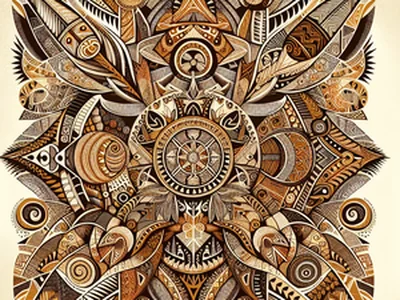
Cultural Artwork
Community Discussion
Further Reading
Explore credible external sources to deepen your understanding of Torres Strait Islanders culture.