
Tongans
Oceania, Pacific Islands TonganEnglish
The Tongan culture is a Polynesian culture that originated from the islands of Tonga in the Pacific Ocean.
Historical Context
Tonga has a rich history dating back to the 10th century, with evidence of human settlement and trade.
Migration Patterns
Tongans migrated from Fiji and Samoa around the 12th century.
Conflict And Resilience History
Tonga experienced conflicts with European colonizers in the 19th century but maintained its independence.
Diaspora Perspectives
Tongan diaspora communities can be found in Australia, New Zealand, and the United States.
Regional Variations
Regional variations exist within Tonga due to geographical differences and cultural exchange.
Spiritual And Religious Practices
Tongans are predominantly Christian, with a significant number of Catholics and Methodists.
Beliefs And Worldview
Tongans believe in the importance of family, community, and traditional practices.
Cultural Proverbs Sayings
Some common Tongan proverbs include 'Ko e tahi' (one is enough) and 'Ko e tolu' (three is a crowd).
Naming Conventions And Terms Of Address
Tongans use a combination of given names, family names, and honorifics when addressing elders or those in positions of authority.
Health And Mental Health
Tongans face health challenges such as obesity, diabetes, and mental health issues.
Mental Health Views
Mental health is often stigmatized within Tongan culture, but efforts are being made to address this issue.
Traditional Healers
Traditional healers in Tonga use a combination of herbal remedies and spiritual practices to treat illnesses.
Gender Roles In Healthcare
Women play a significant role in healthcare within Tongan families, often serving as caregivers and health advocates.
Healthcare Barriers
Barriers to healthcare access include geographical remoteness, limited resources, and cultural stigma surrounding mental health.
Education And Learning Styles
Tongans value education and place a strong emphasis on traditional knowledge and skills.
Learning Styles
Learning styles in Tonga often involve hands-on activities, storytelling, and community involvement.
Parental Engagement
Parents are highly involved in their children's education, often serving as teachers or mentors.
Family And Social Structure
Tongans place a strong emphasis on family and community ties, with extended families often living together.
Discipline And Behavior
Discipline is valued within Tongan culture, with an emphasis on respect for elders and authority figures.
Authority Attitudes
Authority figures are highly respected in Tongan society, with a strong sense of obedience and loyalty.
Etiquette And Customs
Etiquette and customs in Tonga include the use of honorifics, respect for elders, and adherence to traditional practices.
Community Strengths Resilience
Tongans are known for their resilience and ability to adapt to challenging circumstances.
Art Music And Expression
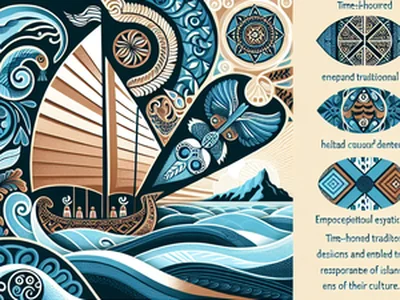
Traditional Tongan art forms include woodcarvings, tapa cloth, and tattooing.
Cultural Symbols Motifs
Cultural symbols in Tonga include the coconut tree, the shark, and the whale.
What Brings Joy
Tongans find joy in traditional practices such as singing, dancing, and storytelling.
Celebrations Joyful Traditions
Celebrations in Tonga include the annual 'Uluakai' festival, which honors the ancestors.
Cultural Calendar And Holidays
The Tongan calendar includes traditional holidays such as 'Tonga Day' (June 4th) and 'Independence Day' (June 16th).
Economic Context And Occupations
Tongans engage in various occupations, including fishing, agriculture, and tourism.
Housing And Living Arrangements
Housing in Tonga is often traditional, with thatched-roof houses and wooden structures.
Nutrition And Dietary Norms
Traditional Tongan cuisine includes coconut-based dishes, fish, and root vegetables.
Interpretation Needs
Interpretation services may be needed for non-Tongan speakers, particularly in formal settings.
Interpreter Notes
Interpreter notes should take into account cultural nuances and traditional practices.
Documentation Traditions
Documentation traditions in Tonga include the use of tapa cloth and wooden carvings to record important events.
Interactions With Other Cultures
Tongans interact with other Pacific Island cultures, as well as European and Asian communities.
Conflict Resolution Mechanisms
Conflict resolution mechanisms in Tonga include traditional mediation and community-based dispute resolution.
Cultural Exchange Programs
Cultural exchange programs exist between Tonga and other Pacific Island nations.
Trade Relations
Tonga engages in trade with neighboring countries, including Fiji and Samoa.
Shared Artistic Projects
Shared artistic projects between Tongan and other Pacific Island cultures include traditional music and dance performances.
Intercultural Marriages
Intercultural marriages are common among Tongans, particularly with Fijians and Samoans.
Shared Educational Initiatives
Shared educational initiatives exist between Tonga and other Pacific Island nations, focusing on language and cultural preservation.
Youth Perspectives
Tongan youth are increasingly involved in traditional practices and community development efforts.
Education Initiatives
Education initiatives in Tonga focus on preserving traditional knowledge and skills.
Future Challenges
Future challenges for Tongans include climate change, economic development, and cultural preservation.
Youth Employment Trends
Youth employment trends in Tonga include an increasing focus on tourism and entrepreneurship.
Future Visions
Tongans envision a future where traditional practices are preserved and modern technologies are integrated.
Youth Leadership Roles
Youth leadership roles in Tonga involve community development, education, and cultural preservation efforts.
Innovation And Startups
Innovation and startup initiatives in Tonga focus on sustainable tourism, renewable energy, and digital technologies.
Festivals And Celebrations
Festivals and celebrations in Tonga include the annual 'Uluakai' festival.
Traditional Medicine Practices
Traditional medicine practices in Tonga involve herbal remedies and spiritual healing.
Environmental Practices
Environmental practices in Tonga focus on sustainable fishing, agriculture, and waste management.
Rituals
Rituals in Tonga include traditional ceremonies for births, deaths, and marriages.
Rites Of Passage
Rites of passage in Tonga involve traditional initiation ceremonies for young men and women.
Culinary Traditions
Culinary traditions in Tonga include coconut-based dishes, fish, and root vegetables.
Climate Adaptation Strategies
Climate adaptation strategies in Tonga focus on sustainable agriculture, renewable energy, and disaster preparedness.
Biodiversity Conservation
Biodiversity conservation efforts in Tonga involve protecting marine ecosystems and preserving traditional plant species.
Sustainable Tourism Practices
Sustainable tourism practices in Tonga include eco-lodges, cultural performances, and community-based tourism initiatives.
Renewable Energy Use
Renewable energy use in Tonga includes solar power, wind turbines, and hydroelectricity.
Community Involvement In Practices
Community involvement in environmental practices is high in Tonga, with a strong emphasis on traditional knowledge and skills.
Environmental Education Programs
Environmental education programs in Tonga focus on preserving traditional knowledge and promoting sustainable practices.
Notable Figures
Notable figures from Tongan culture include King Taufa'ahau Tupou IV, who played a significant role in modernizing the country.
Cultural Innovations
Cultural innovations in Tonga include the development of traditional tapa cloth and woodcarvings.
Literary Works
Literary works from Tongan culture include poetry and stories that reflect traditional values and practices.
Architectural Styles
Architectural styles in Tonga include traditional thatched-roof houses and wooden structures.
Scientific Contributions
Scientific contributions from Tongan culture include research on marine ecosystems and traditional plant species.
Culinary Innovations
Culinary innovations in Tonga include the development of coconut-based dishes and fish recipes.
Global Influence
Tongan culture has a significant global influence, particularly in Pacific Island nations and among Polynesian communities.
Awards And Recognition
Awards and recognition for Tongan culture include UNESCO's designation as a Masterpiece of the Intangible Heritage of Humanity.
Modern Influences
Modern influences on Tongan culture come from European and Asian communities, as well as other Pacific Island nations.
Digital Presence
Tongans have an increasing digital presence, with many using social media platforms to connect with family and friends.
Globalization Effects
Globalization has had both positive and negative effects on Tongan culture, including the loss of traditional practices and the adoption of modern technologies.
Urbanization Effects
Urbanization has had both positive and negative effects on Tongan culture, including the loss of traditional practices and the adoption of modern lifestyles.
Technology Adoption
Technology adoption in Tonga is increasing, particularly among young people who are using digital tools for education and entrepreneurship.
Hybrid Cultural Forms
Hybrid cultural forms in Tonga include fusion music and dance styles that blend traditional and modern influences.
Social Media Presence
Tongans have a significant social media presence, with many using platforms to share cultural practices and traditions.
Challenges
Challenges facing Tongan culture include climate change, economic development, and cultural preservation.
Preservation Efforts
Preservation efforts in Tonga focus on protecting traditional knowledge and skills, as well as promoting sustainable practices and environmental conservation.
Cultural Artwork
Community Discussion
Further Reading
Explore credible external sources to deepen your understanding of Tongans culture.