
Timor Leste
Southeast Asia TetumPortugueseIndonesian
The culture of Timor-Leste, an island nation in Southeast Asia.
Historical Context
Portuguese colonization (1702-1975), Indonesian occupation (1975-1999)
Migration Patterns
Historically, Timorese people migrated from the island of Timor to other parts of Southeast Asia
Conflict And Resilience History
Timor-Leste experienced a long period of conflict and occupation, but has since become a stable democracy
Diaspora Perspectives
The Timorese diaspora community is scattered across various countries in Southeast Asia and beyond
Regional Variations
Regional variations exist within Timor-Leste, particularly between the capital city Dili and rural areas
Spiritual And Religious Practices
Predominantly Christian (Catholicism), with a significant minority of Muslims and traditional animist practices
Beliefs And Worldview
Timorese people believe in the importance of family, community, and respect for elders
Cultural Proverbs Sayings
Proverb: 'Tetum iha Timor' (The Tetum people are from Timor)
Naming Conventions And Terms Of Address
Names often reflect a person's ancestry or place of origin
Health And Mental Health
Timorese people face challenges related to healthcare access, mental health, and non-communicable diseases
Mental Health Views
Mental health is still stigmatized in Timor-Leste, but efforts are being made to address this issue
Traditional Healers
Traditional healers play an important role in Timorese culture, particularly for treating spiritual ailments
Gender Roles In Healthcare
Women often take on caregiving roles within families, while men may be more involved in decision-making around healthcare
Healthcare Barriers
Barriers to healthcare access include geographical remoteness and limited resources
Education And Learning Styles
Timorese education system emphasizes rote memorization and respect for authority
Learning Styles
Students often learn through hands-on activities and group work
Parental Engagement
Parents are highly involved in their children's education, particularly in rural areas
Family And Social Structure
Extended family ties are strong in Timorese culture, with a focus on respect for elders
Discipline And Behavior
Children are taught to be respectful and obedient from an early age
Authority Attitudes
Authority figures (e.g., parents, teachers) are highly respected in Timor-Leste
Etiquette And Customs
Greetings involve the use of formal titles and respect for elders' status
Community Strengths Resilience
Timorese communities show remarkable resilience in the face of adversity
Art Music And Expression
Traditional Timorese music features instruments like the sasando (a stringed instrument)
Cultural Symbols Motifs
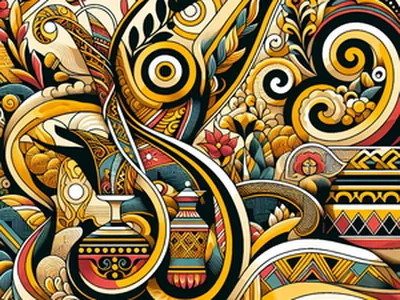
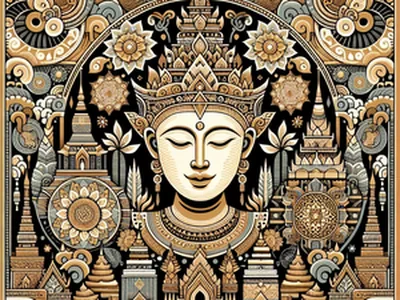
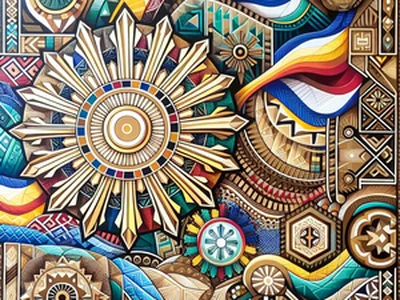
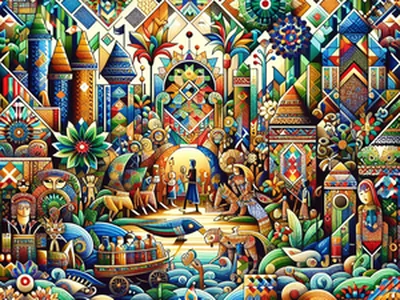
Symbols include the national flag, the Tetum people's traditional dress, and the country's natural resources
What Brings Joy
Community events, traditional dance performances, and family gatherings bring joy to Timorese people
Celebrations Joyful Traditions
Independence Day (May 20th) is a major celebration in Timor-Leste
Cultural Calendar And Holidays
Timor-Leste celebrates various holidays, including Christmas and the Feast of Saint Francis Xavier
Economic Context And Occupations
The majority of the population engages in subsistence farming or small-scale entrepreneurship
Housing And Living Arrangements
Housing is often simple, with a focus on community living and shared spaces
Nutrition And Dietary Norms
Traditional Timorese cuisine emphasizes rice, fish, and vegetables
Interpretation Needs
Interpreters may be needed for Portuguese or Indonesian languages in official settings
Interpreter Notes
Certified interpreters are available for key events and meetings
Documentation Traditions
Official documents often include both Tetum and Portuguese language versions
Interactions With Other Cultures
Timorese people interact with other cultures through trade, tourism, and international cooperation
Conflict Resolution Mechanisms
Efforts are being made to resolve historical conflicts between Timor-Leste and Indonesia
Cultural Exchange Programs
Cultural exchange programs exist between Timor-Leste and various countries in Southeast Asia
Trade Relations
Timor-Leste engages in trade with neighboring countries, including Australia and Portugal
Shared Artistic Projects
Artistic collaborations have taken place between Timorese artists and those from other cultures
Intercultural Marriages
Intercultural marriages are becoming more common as people interact across borders
Shared Educational Initiatives
Timor-Leste participates in regional educational initiatives, such as the Southeast Asia Ministers of Education Organization
Youth Perspectives
Young Timorese people are optimistic about their country's future and eager to contribute
Education Initiatives
Efforts focus on improving education outcomes, particularly in rural areas
Future Challenges
Challenges include economic development, environmental sustainability, and social cohesion
Youth Employment Trends
Youth employment rates are increasing as the economy grows
Future Visions
Timorese people envision a prosperous, independent nation with strong community ties
Youth Leadership Roles
Young leaders are emerging in various fields, including politics and entrepreneurship
Innovation And Startups
Innovation hubs and startup initiatives are sprouting up across the country
Festivals And Celebrations
Independence Day (May 20th) is a major celebration in Timor-Leste
Traditional Medicine Practices
Traditional healers use natural remedies and spiritual practices to treat ailments
Environmental Practices
Timorese people prioritize environmental conservation, particularly in rural areas
Rituals
Rituals often involve offerings to ancestors or spirits
Rites Of Passage
Rites of passage mark important life events, such as birth and coming of age
Culinary Traditions
Traditional Timorese cuisine emphasizes rice, fish, and vegetables
Climate Adaptation Strategies
Communities are adapting to climate change through sustainable agriculture practices
Biodiversity Conservation
Efforts focus on preserving the country's rich biodiversity
Sustainable Tourism Practices
Tourism initiatives prioritize sustainability and community engagement
Renewable Energy Use
Renewable energy sources, such as solar power, are being increasingly used in Timor-Leste
Community Involvement In Practices
Community members are actively involved in environmental conservation efforts
Environmental Education Programs
Environmental education programs aim to raise awareness about sustainable practices
Notable Figures
Notable figures include former President Xanana Gusmão and Nobel Peace Prize laureate José Ramos-Horta
Cultural Innovations
Timor-Leste has contributed to the development of new cultural forms, such as traditional music fusion
Literary Works
Literary works, including poetry and short stories, reflect the country's rich cultural heritage
Architectural Styles
Traditional Timorese architecture blends Portuguese colonial and indigenous influences
Scientific Contributions
Timor-Leste has made contributions to scientific research in fields like marine biology and environmental science
Culinary Innovations
Culinary innovations, such as fusion cuisine, have emerged in response to globalization
Global Influence
Timor-Leste's cultural influence extends beyond Southeast Asia through its diaspora community
Awards And Recognition
The country has received international recognition for its efforts in peacebuilding and sustainable development
Modern Influences
Globalization has introduced new influences, such as Western-style education and technology adoption
Digital Presence
Timor-Leste has a growing digital presence, with increasing access to the internet and social media
Globalization Effects
Globalization has brought economic opportunities but also challenges related to cultural homogenization
Urbanization Effects
Urbanization is transforming traditional community structures and ways of life
Technology Adoption
Technology adoption is accelerating in Timor-Leste, particularly in education and healthcare
Hybrid Cultural Forms
Hybrid cultural forms are emerging as a result of globalization and cultural exchange
Social Media Presence
Social media platforms have become increasingly popular among the Timorese population
Challenges
Challenges include economic development, environmental sustainability, social cohesion, and cultural preservation
Preservation Efforts
Efforts focus on preserving traditional culture, language, and customs in the face of modernization
Cultural Artwork
Community Discussion
Further Reading
Explore credible external sources to deepen your understanding of Timor Leste culture.