
Tigrayan
Tigray region of Ethiopia and parts of Eritrea Tigrinya
The Tigrayan culture is rich in history, language, and traditions, primarily found in the Tigray region of Ethiopia and parts of Eritrea.
Historical Context
The Tigrayan people have a long history dating back to the Aksumite Empire, one of the great civilizations of the ancient world. The region has been a center of trade and culture for centuries.
Migration Patterns
Historically, Tigrayans have migrated due to conflicts, economic opportunities, and environmental challenges, leading to a diaspora in various parts of the world, including North America and Europe.
Conflict And Resilience History
The Tigrayan people have faced numerous conflicts, including recent civil unrest in Ethiopia. Despite these challenges, they have shown remarkable resilience and a strong commitment to preserving their cultural identity.
Diaspora Perspectives
The Tigrayan diaspora is spread across various countries, including the United States, Canada, and Europe, where they maintain cultural practices and community networks.
Regional Variations
Within Tigray, there are variations in dialects and customs, influenced by geography and historical interactions with neighboring regions.
Bridging Notes
Tigrayan culture has historically acted as a bridge between various ethnic groups in the Horn of Africa, facilitating trade and cultural exchange.
Spiritual And Religious Practices
The majority of Tigrayans are Ethiopian Orthodox Christians, with religious practices deeply integrated into daily life. Festivals like Timkat and Meskel are significant, involving elaborate ceremonies and community gatherings.
Beliefs And Worldview
Tigrayans hold a worldview that emphasizes community, respect for elders, and a strong connection to their land and heritage. Their beliefs are often intertwined with religious teachings and traditional values.
Cultural Proverbs Sayings
Proverbs play a significant role in Tigrayan culture, often used to convey wisdom and life lessons. Common themes include the importance of community, perseverance, and humility.
Naming Conventions And Terms Of Address
Tigrayan naming conventions often include the father's name as a middle name. Terms of address are respectful and hierarchical, often using titles to denote respect.
Health And Mental Health
Health practices in Tigrayan culture often combine modern medicine with traditional approaches. Mental health is sometimes stigmatized, but community support plays a crucial role in addressing mental health issues.
Mental Health Views
Mental health is often viewed through a communal lens, with family and community playing a significant role in support and healing.
Traditional Healers
Traditional healers, known as 'debtera,' play an important role in Tigrayan society, offering herbal remedies and spiritual healing practices alongside conventional medical treatments.
Gender Roles In Healthcare
Traditionally, women are caregivers, but both men and women participate in healthcare decisions.
Healthcare Barriers
Barriers include limited access to healthcare facilities in rural areas and language barriers for those in diaspora communities.
Education And Learning Styles
Education is highly valued in Tigrayan culture, with a strong emphasis on formal schooling and literacy. Learning is often communal, with family and community members playing active roles in educational activities.
Learning Styles
Tigrayan students often benefit from collaborative and participatory learning styles, which reflect the communal nature of their culture.
Parental Engagement
Parents are highly involved in their children's education, often emphasizing the importance of academic success and cultural education.
Family And Social Structure
The Tigrayan social structure is traditionally patriarchal, with extended families living together or in close proximity. Family ties are strong, and elders are respected and play a key role in decision-making.
Discipline And Behavior
Discipline is often community-based, with elders playing a significant role in guiding and correcting behavior.
Authority Attitudes
Respect for elders and authority figures is deeply ingrained, with decisions often made collectively.
Etiquette And Customs
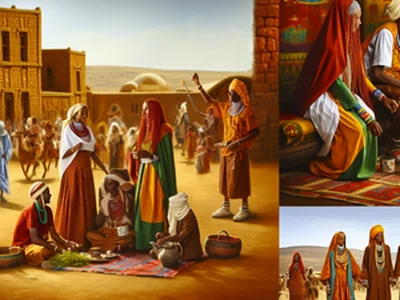
Etiquette in Tigrayan culture emphasizes respect, hospitality, and politeness. Greetings are important, and it is customary to offer food and drink to guests as a sign of hospitality.
Community Strengths Resilience
Community resilience is bolstered by strong social networks, cultural pride, and a history of overcoming adversity.
Art Music And Expression
Tigrayan art and music are vibrant and expressive, with traditional instruments like the 'krar' and 'masenqo' playing central roles. Dance is also an important cultural expression, often performed during celebrations and religious festivals.
Cultural Symbols Motifs
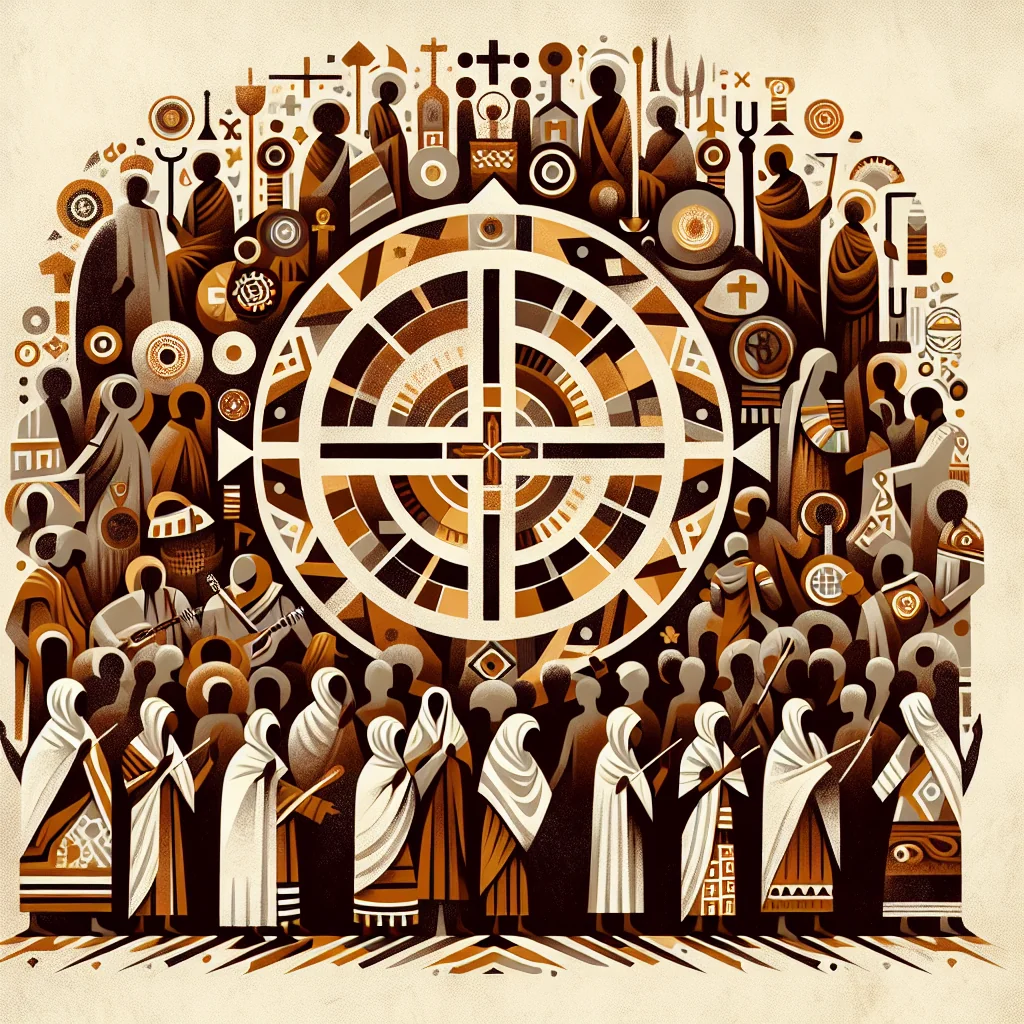
Common cultural symbols include the cross, reflecting the strong Christian heritage, and traditional patterns found in clothing and crafts, symbolizing identity and heritage.
What Brings Joy
Music, dance, and communal gatherings are central to Tigrayan joy and cultural expression.
Celebrations Joyful Traditions
Celebrations such as weddings and religious festivals are joyful occasions, marked by music, dance, and communal feasting. These events strengthen community bonds and cultural identity.
Cultural Calendar And Holidays
Key holidays include Meskel and Timkat, which are celebrated with religious ceremonies and community gatherings.
Additional Notes
Tigrayan culture places a strong emphasis on oral traditions and storytelling as a means of preserving history and values.
Economic Context And Occupations
Agriculture is a primary occupation, with many Tigrayans engaged in farming and livestock rearing.
Housing And Living Arrangements
Traditional housing includes tukuls, round huts made of mud and thatch, though modern housing is increasingly common.
Nutrition And Dietary Norms
The diet is largely based on grains like teff, with injera being a staple food, accompanied by vegetables and occasionally meat.
Interpretation Needs
In diaspora communities, there may be a need for interpretation services, particularly for older generations.
Interpreter Notes
Interpreters should be aware of cultural nuances and the importance of respectful communication.
Documentation Traditions
Documentation is traditionally oral, with stories and histories passed down through generations.
Interactions With Other Cultures
Tigrayans have historically interacted with neighboring cultures through trade and shared religious practices.
Conflict Resolution Mechanisms
Conflict resolution often involves community elders and traditional mediation practices.
Cultural Exchange Programs
There are initiatives to promote cultural exchange, particularly in diaspora communities.
Trade Relations
Trade has historically been a key aspect of Tigrayan interactions, particularly in agricultural products.
Shared Artistic Projects
Collaborations in music and art are common, reflecting shared cultural themes.
Intercultural Marriages
Intercultural marriages occur, often fostering greater understanding and integration between communities.
Shared Educational Initiatives
Educational initiatives often focus on language preservation and cultural education.
Youth Perspectives
Tigrayan youth are increasingly engaged in global issues, balancing traditional values with modern aspirations.
Education Initiatives
Programs aimed at improving educational access and quality are a priority, particularly in rural areas.
Future Challenges
Challenges include economic opportunities, political stability, and cultural preservation in the face of globalization.
Youth Employment Trends
There is a trend towards urban migration for employment opportunities, with many youth seeking jobs in technology and service sectors.
Future Visions
The future vision includes a prosperous Tigray with strong cultural identity and economic growth.
Youth Leadership Roles
Youth are increasingly taking on leadership roles in community organizations and advocacy groups.
Innovation And Startups
There is a growing interest in entrepreneurship, with startups emerging in technology and agriculture.
Festivals And Celebrations
Festivals such as Ashenda and Fichee-Chambalaalla are celebrated with music, dance, and traditional attire.
Traditional Medicine Practices
Traditional medicine is practiced alongside modern healthcare, often involving herbal remedies and spiritual healing.
Environmental Practices
Environmental stewardship is important, with practices aimed at sustainable agriculture and water conservation.
Rituals
Rituals often involve community gatherings and are tied to religious and cultural events.
Rites Of Passage
Rites of passage include ceremonies for birth, marriage, and death, often involving community participation.
Culinary Traditions
Culinary traditions are rich, with dishes like doro wat and shiro being central to Tigrayan cuisine.
Climate Adaptation Strategies
Strategies include crop diversification and water management to adapt to changing climate conditions.
Biodiversity Conservation
Efforts are made to conserve local flora and fauna, recognizing their importance to cultural heritage.
Sustainable Tourism Practices
Tourism initiatives focus on cultural heritage sites and promoting eco-friendly practices.
Renewable Energy Use
There is a growing interest in renewable energy, particularly solar power, to meet energy needs sustainably.
Community Involvement In Practices
Community involvement is key in environmental and cultural practices, ensuring sustainability and cultural continuity.
Environmental Education Programs
Programs aim to educate the community, especially youth, about environmental conservation and sustainable practices.
Notable Figures
Notable figures include Emperor Yohannes IV and contemporary leaders in politics and academia.
Cultural Innovations
Innovations include the development of unique musical styles and traditional crafts.
Literary Works
Tigrayan literature includes both oral traditions and written works, often focusing on historical and cultural themes.
Architectural Styles
Traditional architecture includes rock-hewn churches and unique stone constructions.
Scientific Contributions
Contributions in agriculture and environmental management are notable, particularly in sustainable practices.
Culinary Innovations
Culinary innovations include the adaptation of traditional dishes to modern tastes and dietary needs.
Global Influence
Tigrayan culture has influenced global music and cuisine, particularly through the diaspora.
Awards And Recognition
Tigrayan individuals and groups have received recognition for contributions to culture, peace, and development.
Modern Influences
Modern influences include global music, fashion, and technology, which are integrated into traditional practices.
Digital Presence
There is a growing digital presence, with Tigrayans actively participating in social media and online communities.
Globalization Effects
Globalization has brought both opportunities and challenges, influencing cultural practices and economic activities.
Urbanization Effects
Urbanization is leading to changes in lifestyle and social structures, with increased access to education and employment.
Technology Adoption
Technology adoption is increasing, particularly in communication and agriculture, enhancing connectivity and productivity.
Hybrid Cultural Forms
Hybrid cultural forms are emerging, blending traditional and modern elements in music, art, and fashion.
Social Media Presence
Social media is a key platform for cultural expression and community engagement, particularly among the youth.
Challenges
Challenges include preserving cultural identity amidst globalization and addressing socio-economic disparities.
Preservation Efforts
Efforts include cultural festivals, educational programs, and the documentation of oral traditions to preserve cultural heritage.
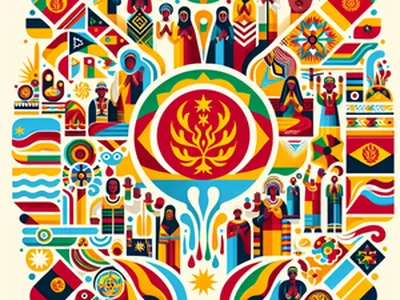
Cultural Artwork
Community Discussion
Further Reading
Explore credible external sources to deepen your understanding of Tigrayan culture.