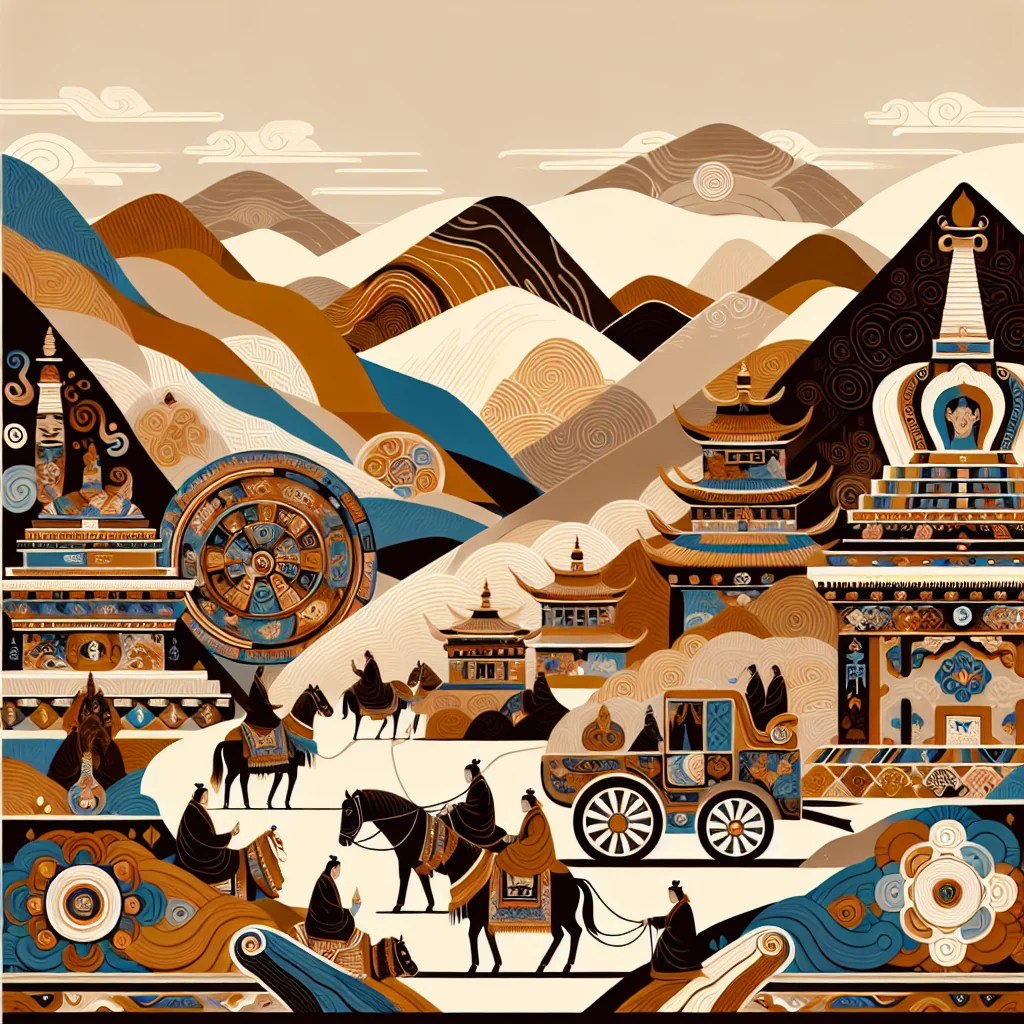


Tibetans
Tibetan Plateau, primarily in the Tibet Autonomous Region of China, and parts of India, Nepal, and Bhutan. Tibetan
The Tibetan culture is rich in spiritual and artistic traditions, deeply influenced by Buddhism and the unique geographical setting of the Tibetan Plateau.
Historical Context
Tibetan history is marked by the establishment of the Tibetan Empire, the spread of Buddhism, and periods of autonomy and conflict with neighboring regions.
Migration Patterns
Tibetans have historically migrated to regions like India and Nepal, especially during periods of political unrest.
Conflict And Resilience History
Tibetans have faced challenges such as the Chinese annexation of Tibet, leading to a strong sense of cultural resilience and preservation.
Diaspora Perspectives
The Tibetan diaspora, particularly in India and the West, plays a crucial role in advocating for Tibetan rights and cultural preservation.
Regional Variations
Cultural practices vary between regions, with differences in dialects, customs, and religious practices.
Bridging Notes
Efforts to bridge cultural gaps include promoting Tibetan language education and cultural exchange programs.
Spiritual And Religious Practices
Buddhism is central, with practices including meditation, prayer, and pilgrimage to sacred sites.
Beliefs And Worldview
Tibetans value compassion, non-violence, and harmony with nature, influenced by Buddhist teachings.
Cultural Proverbs Sayings
Proverbs often reflect Buddhist values, such as 'Compassion is the root of all happiness.'
Naming Conventions And Terms Of Address
Names often reflect religious significance, with terms of address showing respect for elders and religious figures.
Health And Mental Health
Traditional Tibetan medicine is widely practiced, emphasizing balance and holistic health.
Mental Health Views
Mental health is often viewed through a spiritual lens, with meditation and spiritual guidance as common treatments.
Traditional Healers
Amchis, or traditional Tibetan doctors, play a vital role in healthcare, using herbal remedies and spiritual practices.
Gender Roles In Healthcare
Gender roles can influence healthcare access, with women often serving as primary caregivers.
Healthcare Barriers
Barriers include geographical isolation and limited access to modern medical facilities.
Education And Learning Styles
Education is highly valued, with a focus on religious studies and traditional knowledge.
Learning Styles
Learning often involves memorization and oral transmission of knowledge, especially in monastic settings.
Parental Engagement
Parents are actively involved in their children's education, often encouraging religious and cultural learning.
Family And Social Structure
The family is central, with extended families often living together and strong community ties.
Discipline And Behavior
Discipline is guided by Buddhist principles, emphasizing respect and compassion.
Authority Attitudes
Respect for religious and community leaders is paramount, with elders holding significant authority.
Etiquette And Customs
Customs include showing respect through gestures like bowing and offering khatas (ceremonial scarves).
Community Strengths Resilience
Strong community bonds and a shared cultural identity contribute to resilience in the face of adversity.
Art Music And Expression
Tibetan art includes thangka painting, traditional music, and dance forms like cham.
Cultural Symbols Motifs
Symbols such as the lotus, wheel of dharma, and snow lion are prevalent in Tibetan art.
What Brings Joy
Community gatherings, religious festivals, and artistic expression bring joy to Tibetans.
Celebrations Joyful Traditions
Losar (Tibetan New Year) and Saga Dawa are major celebrations marked by rituals and festivities.
Cultural Calendar And Holidays
The Tibetan calendar includes numerous religious festivals and observances.
Additional Notes
Tibetan culture is vibrant and expressive, with a deep connection to spirituality and nature.
Economic Context And Occupations
Traditional occupations include agriculture, herding, and artisanal crafts, with tourism growing in importance.
Housing And Living Arrangements
Housing varies from traditional nomadic tents (yurts) to modern urban dwellings.
Nutrition And Dietary Norms
The diet is influenced by the harsh climate, with staples like barley, yak meat, and butter tea.
Interpretation Needs
Interpretation services are often needed for Tibetan speakers in non-Tibetan regions.
Interpreter Notes
Interpreters should be familiar with cultural nuances and religious terminology.
Documentation Traditions
Oral traditions are strong, with written documentation often in the Tibetan script.
Interactions With Other Cultures
Tibetans have historically interacted with neighboring cultures through trade and religious exchanges.
Conflict Resolution Mechanisms
Conflict resolution often involves community mediation and Buddhist principles of peace.
Cultural Exchange Programs
Programs exist to promote Tibetan culture and foster understanding with other cultures.
Trade Relations
Trade historically involved goods like salt, wool, and tea, with modern trade focusing on handicrafts and tourism.
Shared Artistic Projects
Collaborations in art and music with neighboring cultures are common.
Intercultural Marriages
Intercultural marriages occur, often requiring negotiation of cultural practices.
Shared Educational Initiatives
Educational exchanges and programs promote cultural understanding and language learning.
Youth Perspectives
Tibetan youth are increasingly engaged in cultural preservation and modernization efforts.
Education Initiatives
Initiatives focus on bilingual education and integrating modern subjects with traditional teachings.
Future Challenges
Challenges include cultural preservation amidst globalization and political pressures.
Youth Employment Trends
Employment trends show a shift towards tourism and service industries.
Future Visions
Future visions include maintaining cultural identity while embracing technological advancements.
Youth Leadership Roles
Youth are taking on leadership roles in cultural and environmental advocacy.
Innovation And Startups
There is a growing interest in startups, particularly in sustainable tourism and technology.
Festivals And Celebrations
Festivals like Losar and Monlam are celebrated with rituals, music, and dance.
Traditional Medicine Practices
Traditional medicine emphasizes balance and the use of natural remedies.
Environmental Practices
Environmental stewardship is guided by Buddhist principles of harmony with nature.
Rituals
Rituals include offerings, prayers, and ceremonies to honor deities and ancestors.
Rites Of Passage
Rites of passage, such as coming-of-age ceremonies, are important cultural milestones.
Culinary Traditions
Culinary traditions include dishes like tsampa, momos, and butter tea.
Climate Adaptation Strategies
Adaptation strategies include traditional agricultural practices and sustainable resource use.
Biodiversity Conservation
Conservation efforts focus on protecting the unique flora and fauna of the Tibetan Plateau.
Sustainable Tourism Practices
Sustainable tourism is promoted to preserve cultural heritage and natural landscapes.
Renewable Energy Use
There is a growing use of solar and wind energy in rural areas.
Community Involvement In Practices
Community involvement is crucial in environmental and cultural preservation efforts.
Environmental Education Programs
Programs educate about the importance of environmental conservation and sustainable practices.
Notable Figures
Figures like the Dalai Lama and Milarepa are central to Tibetan cultural and spiritual life.
Cultural Innovations
Innovations include unique art forms like thangka painting and sand mandalas.
Literary Works
Tibetan literature includes religious texts, poetry, and historical chronicles.
Architectural Styles
Tibetan architecture features distinctive styles, such as the Potala Palace and monasteries.
Scientific Contributions
Contributions include advancements in traditional medicine and astrology.
Culinary Innovations
Culinary innovations focus on adapting traditional recipes for modern tastes.
Global Influence
Tibetan Buddhism and culture have a significant global influence, particularly in spiritual and artistic circles.
Awards And Recognition
Tibetan cultural figures have received international recognition for their contributions to peace and culture.
Modern Influences
Modern influences include technology, global media, and international cultural exchanges.
Digital Presence
There is an increasing digital presence, with Tibetan content available online.
Globalization Effects
Globalization has brought both opportunities and challenges for cultural preservation.
Urbanization Effects
Urbanization is leading to changes in traditional lifestyles and economic activities.
Technology Adoption
Technology is being adopted in education, communication, and cultural preservation.
Hybrid Cultural Forms
Hybrid forms include fusion music and art that blend traditional and modern elements.
Social Media Presence
Social media is used to promote Tibetan culture and connect with the global community.
Challenges
Challenges include cultural assimilation, political pressures, and environmental threats.
Preservation Efforts
Efforts focus on language preservation, cultural education, and international advocacy.
Cultural Artwork
Community Discussion
Further Reading
Explore credible external sources to deepen your understanding of Tibetans culture.