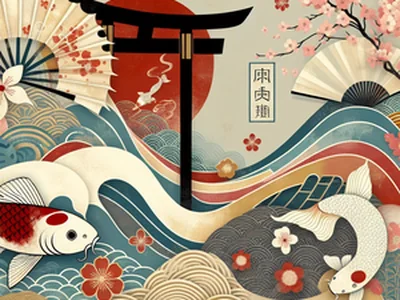

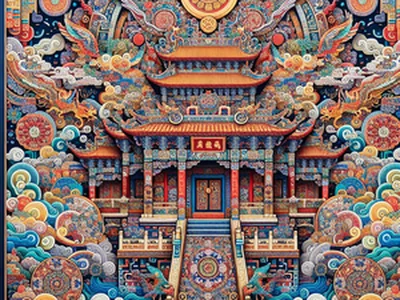
Taiwanese
East Asia Mandarin ChineseTaiwanese HokkienHakkaFormosan languages
Taiwanese culture is a rich blend of traditional Chinese, indigenous, and modern influences, reflecting its complex history and diverse population.
Historical Context
Taiwan's history includes indigenous Formosan cultures, Dutch and Spanish colonial periods, Qing dynasty rule, Japanese occupation, and post-World War II developments under the Republic of China.
Migration Patterns
Significant migration from mainland China occurred in the 17th century and post-1949, alongside indigenous populations and Japanese settlers during the colonial period.
Conflict And Resilience History
Taiwan has experienced conflicts such as the 228 Incident and tensions with mainland China, but has shown resilience through democratization and economic development.
Diaspora Perspectives
The Taiwanese diaspora maintains strong cultural ties, often advocating for Taiwan's international recognition and contributing to global cultural exchanges.
Regional Variations
Cultural variations exist between urban and rural areas, and among different ethnic groups, including Hoklo, Hakka, and indigenous communities.
Bridging Notes
Efforts to bridge cultural differences focus on promoting inclusivity and preserving indigenous languages and traditions.
Spiritual And Religious Practices
Taiwanese spirituality is diverse, with practices including Buddhism, Taoism, Confucianism, and folk religions. Temples play a central role in community life.
Beliefs And Worldview
Taiwanese values emphasize harmony, respect for elders, and the importance of family. There is a strong belief in education and self-improvement.
Cultural Proverbs Sayings
Common sayings reflect values such as perseverance, wisdom, and the importance of community, like 'Good fortune comes to those who work hard.'
Naming Conventions And Terms Of Address
Naming conventions often follow Chinese traditions, with family names preceding given names. Respectful terms of address are important in social interactions.
Health And Mental Health
Taiwan has a robust healthcare system with a focus on both modern medicine and traditional practices. Mental health awareness is growing, though stigma remains.
Mental Health Views
Mental health is increasingly recognized as important, with efforts to reduce stigma and improve access to services.
Traditional Healers
Traditional Chinese medicine practitioners, including herbalists and acupuncturists, are widely respected and integrated into healthcare.
Gender Roles In Healthcare
Gender roles in healthcare are evolving, with increasing female participation in medical professions and decision-making.
Healthcare Barriers
Barriers include rural access to services and cultural stigma around mental health, though national health insurance improves overall access.
Education And Learning Styles
Education is highly valued, with a rigorous system emphasizing rote learning and examination success. There is a growing focus on creativity and critical thinking.
Learning Styles
Traditional learning styles prioritize memorization and discipline, but modern approaches are incorporating more interactive and student-centered methods.
Parental Engagement
Parents are highly involved in their children's education, often investing in supplementary tutoring and extracurricular activities.
Family And Social Structure
Family is the cornerstone of Taiwanese society, with extended families often living together or maintaining close ties.
Discipline And Behavior
Discipline is generally strict, with an emphasis on respect, obedience, and academic achievement.
Authority Attitudes
Respect for authority is ingrained, though democratic values encourage questioning and participation in governance.
Etiquette And Customs
Etiquette is important, with customs such as gift-giving, bowing, and using respectful language in social interactions.
Community Strengths Resilience
Community resilience is evident in strong social networks, volunteerism, and collective efforts in times of crisis.
Art Music And Expression
Taiwanese art and music blend traditional and contemporary styles, with a vibrant scene in visual arts, pop music, and theater.
Cultural Symbols Motifs
Symbols like the plum blossom and motifs from indigenous art are significant in Taiwanese culture.
What Brings Joy
Festivals, family gatherings, and culinary experiences bring joy to Taiwanese people, reflecting their love for community and tradition.
Celebrations Joyful Traditions
Festivals such as Lunar New Year, Dragon Boat Festival, and Mid-Autumn Festival are celebrated with enthusiasm and traditional customs.
Cultural Calendar And Holidays
The cultural calendar includes both traditional Chinese festivals and modern holidays, reflecting Taiwan's diverse heritage.
Additional Notes
Taiwanese culture is dynamic, with a strong sense of identity and pride in its unique blend of influences.
Economic Context And Occupations
Taiwan has a diverse economy with strengths in technology, manufacturing, and agriculture. Service industries are also significant.
Housing And Living Arrangements
Urban areas feature high-density housing, while rural areas have more traditional homes. Multigenerational living is common.
Nutrition And Dietary Norms
Taiwanese cuisine is diverse, with an emphasis on fresh ingredients, seafood, and a balance of flavors. Night markets are popular for street food.
Interpretation Needs
Interpretation services are important for non-Mandarin speakers, including indigenous languages and foreign residents.
Interpreter Notes
Interpreters should be culturally sensitive and aware of regional dialects and customs.
Documentation Traditions
Documentation often follows Chinese script traditions, with increasing use of digital formats and simplified characters.
Interactions With Other Cultures
Taiwan has a history of cultural exchange with China, Japan, and Southeast Asia, fostering a multicultural society.
Conflict Resolution Mechanisms
Conflict resolution often involves mediation and community dialogue, reflecting Confucian values of harmony.
Cultural Exchange Programs
Taiwan actively participates in cultural exchange programs, promoting its culture globally and learning from others.
Trade Relations
Taiwan maintains strong trade relations with countries worldwide, particularly in technology and manufacturing sectors.
Shared Artistic Projects
Collaborations in film, music, and art with other cultures are common, showcasing Taiwan's creative talents.
Intercultural Marriages
Intercultural marriages are increasingly common, contributing to Taiwan's diverse cultural landscape.
Shared Educational Initiatives
Taiwanese institutions often engage in educational exchanges and partnerships with international universities.
Youth Perspectives
Taiwanese youth are progressive, valuing democracy, environmental sustainability, and global connectivity.
Education Initiatives
Initiatives focus on STEM education, language skills, and fostering innovation and entrepreneurship among youth.
Future Challenges
Challenges include economic pressures, housing affordability, and maintaining cultural identity in a globalized world.
Youth Employment Trends
Youth employment is concentrated in technology, service industries, and creative sectors, with a focus on innovation.
Future Visions
The future vision for Taiwan includes sustainable development, technological advancement, and cultural preservation.
Youth Leadership Roles
Youth are increasingly taking leadership roles in social movements, politics, and community organizations.
Innovation And Startups
Taiwan is a hub for startups and innovation, particularly in technology and green industries, driven by a dynamic youth culture.
Festivals And Celebrations
Taiwan hosts numerous festivals, blending traditional and modern elements, such as the Lantern Festival and indigenous celebrations.
Traditional Medicine Practices
Traditional Chinese medicine, including acupuncture and herbal remedies, is widely practiced alongside modern healthcare.
Environmental Practices
Taiwan is committed to environmental conservation, with initiatives for recycling, pollution control, and green energy.
Rituals
Rituals often involve ancestor worship, temple ceremonies, and seasonal celebrations, reflecting deep spiritual roots.
Rites Of Passage
Rites of passage include traditional weddings, coming-of-age ceremonies, and funerals, often blending modern and traditional elements.
Culinary Traditions
Taiwanese cuisine is renowned for its variety, including street food, seafood, and regional specialties like beef noodle soup.
Climate Adaptation Strategies
Taiwan is developing strategies to adapt to climate change, focusing on disaster preparedness and sustainable urban planning.
Biodiversity Conservation
Efforts are made to conserve Taiwan's rich biodiversity, including protected areas and species conservation programs.
Sustainable Tourism Practices
Sustainable tourism is promoted, emphasizing eco-friendly practices and cultural preservation.
Renewable Energy Use
Taiwan is investing in renewable energy, particularly solar and wind power, to reduce reliance on fossil fuels.
Community Involvement In Practices
Community involvement is key in environmental and cultural practices, with local initiatives and volunteerism.
Environmental Education Programs
Environmental education is integrated into school curricula and community programs, raising awareness and promoting sustainability.
Notable Figures
Notable figures include leaders like Chiang Kai-shek, cultural icons like Ang Lee, and tech innovators like Morris Chang.
Cultural Innovations
Taiwan is known for innovations in technology, design, and the arts, contributing to global cultural and economic landscapes.
Literary Works
Taiwanese literature reflects diverse voices, with works by authors like Pai Hsien-yung and Wu Ming-yi gaining international recognition.
Architectural Styles
Taiwanese architecture blends traditional Chinese styles with modern designs, seen in landmarks like Taipei 101.
Scientific Contributions
Taiwan has made significant contributions to science, particularly in semiconductor technology and biotechnology.
Culinary Innovations
Culinary innovations include bubble tea and creative street food, showcasing Taiwan's dynamic food culture.
Global Influence
Taiwan's global influence is seen in its cultural exports, technological advancements, and advocacy for democracy and human rights.
Awards And Recognition
Taiwanese individuals and organizations have received international awards in fields like film, technology, and human rights.
Modern Influences
Modern influences include Western culture, digital technology, and global fashion trends, shaping contemporary Taiwanese society.
Digital Presence
Taiwan has a strong digital presence, with high internet penetration and active participation in social media and e-commerce.
Globalization Effects
Globalization has brought economic growth and cultural exchange, but also challenges in preserving local traditions.
Urbanization Effects
Urbanization has transformed Taiwan's landscape, leading to modern cities with diverse populations and cultural offerings.
Technology Adoption
Taiwan is a leader in technology adoption, with advancements in electronics, telecommunications, and smart city initiatives.
Hybrid Cultural Forms
Hybrid cultural forms emerge from the blending of traditional and modern elements, seen in fashion, music, and art.
Social Media Presence
Social media is a major platform for cultural expression and communication, with widespread use among all age groups.
Challenges
Challenges include balancing modernization with cultural preservation, addressing economic inequality, and navigating geopolitical tensions.
Preservation Efforts
Preservation efforts focus on protecting indigenous cultures, traditional arts, and historical sites, supported by government and community initiatives.
Cultural Artwork
Community Discussion
Further Reading
Explore credible external sources to deepen your understanding of Taiwanese culture.