
Syrian
Middle East, Levant ArabicKurdish
The Syrian culture is a rich and diverse blend of Arab, Islamic, and Mediterranean influences.
Historical Context
The Syrian region has been inhabited since the Paleolithic era, with various civilizations rising and falling throughout history.
Migration Patterns
Syrians have migrated to various parts of the world, including Europe, North America, and Australia, due to conflict, economic opportunities, or family ties.
Conflict And Resilience History
The Syrian Civil War has had a devastating impact on the country, leading to widespread displacement, destruction, and loss of life. Despite this, Syrians have shown remarkable resilience and determination to rebuild their communities.
Diaspora Perspectives
Syrian diaspora communities around the world have played a significant role in preserving and promoting Syrian culture, language, and traditions.
Regional Variations
Regional variations within Syria include differences in dialect, customs, and traditions between cities such as Damascus, Aleppo, and Homs.
Bridging Notes
The concept of 'Syrian' is complex and multifaceted, encompassing various ethnic, linguistic, and cultural groups.
Spiritual And Religious Practices
Islam is the dominant religion in Syria, with approximately 87% of the population identifying as Sunni Muslim. Christians, Alawites, Druze, and other minority groups also practice their faiths.
Beliefs And Worldview
Syrians generally believe in a strong sense of community, family, and social responsibility. They place great importance on hospitality, respect for elders, and generosity towards others.
Cultural Proverbs Sayings
Examples include: 'Alhamdulillah' (Praise be to God), 'Mabrook' (Congratulations), and 'Khair al-sa'a' (Good luck).
Naming Conventions And Terms Of Address
Syrians typically use patronyms, with the father's name preceding the child's name. Terms of address include 'Abu' (father) or 'Umm' (mother) followed by the person's name.
Health And Mental Health
Mental health issues such as anxiety and depression are increasingly prevalent in Syria due to conflict, displacement, and economic hardship.
Mental Health Views
Syrians generally view mental health as a personal issue, rather than a public concern. Stigma surrounding mental illness remains high.
Traditional Healers
Traditional healers, including sheikhs and spiritual leaders, play an important role in addressing physical and emotional ailments.
Gender Roles In Healthcare
Women often take on primary caregiving roles for family members, while men may be more involved in decision-making regarding healthcare.
Healthcare Barriers
Barriers to healthcare access include lack of resources, infrastructure damage, and displacement due to conflict.
Education And Learning Styles
Syrian education emphasizes rote memorization, with a focus on Islamic studies, Arabic language, and mathematics. Modern education has introduced more critical thinking and problem-solving approaches.
Learning Styles
Students often learn through observation, imitation, and repetition. Hands-on learning is also valued in certain contexts.
Parental Engagement
Parents are highly involved in their children's education, with many attending school events and participating in parent-teacher associations.
Family And Social Structure
Syrian family structures often involve extended kinship ties, with multiple generations living together. Social relationships are built on trust, respect, and loyalty.
Discipline And Behavior
Discipline is often enforced through social norms and expectations rather than punishment. Children are encouraged to develop self-control and responsibility.
Authority Attitudes
Authority figures, such as elders or teachers, are highly respected in Syrian culture. Disrespect towards authority can be seen as a serious breach of etiquette.
Etiquette And Customs
Etiquette emphasizes respect for elders, guests, and those in positions of authority. Greetings, hospitality, and generosity are highly valued.
Community Strengths Resilience
Syrian communities have demonstrated remarkable resilience in the face of conflict, displacement, and economic hardship.
Art Music And Expression
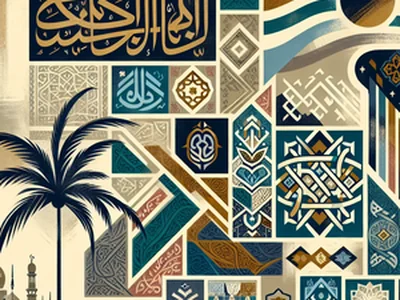
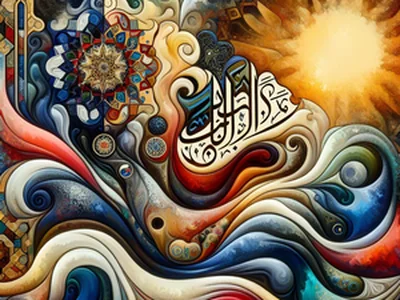
Traditional Syrian art forms include calligraphy, textiles, and ceramics. Music and dance play significant roles in celebrations and social gatherings.
Cultural Symbols Motifs
Examples include the Arabic script, geometric patterns, and floral motifs.
What Brings Joy
Joy is often associated with family gatherings, celebrations, and sharing meals together.
Celebrations Joyful Traditions
Eid al-Fitr (End of Ramadan), Eid al-Adha (Festival of Sacrifice), and Nowruz (Persian New Year) are significant celebrations in Syrian culture.
Cultural Calendar And Holidays
The Islamic calendar is used to determine holidays and festivals. The Syrian calendar also includes traditional celebrations such as the Damascus Festival.
Additional Notes
Syrian art and expression often blend Arab, Islamic, and Mediterranean influences.
Economic Context And Occupations
The Syrian economy has been impacted by conflict, with many people engaged in informal or subsistence-level work. Traditional occupations include agriculture, trade, and craftsmanship.
Housing And Living Arrangements
Housing varies from urban apartments to rural villages. Many Syrians live in extended family households or shared accommodations due to economic necessity.
Nutrition And Dietary Norms
Traditional Syrian cuisine emphasizes locally sourced ingredients such as olive oil, bread, and vegetables. Meals are often served with hospitality and generosity.
Interpretation Needs
Interpretation services may be required for Arabic dialects or languages spoken by minority groups.
Interpreter Notes
Interpreters should be aware of cultural nuances and idiomatic expressions specific to Syrian culture.
Documentation Traditions
Documentation is often oral, with stories and traditions passed down through generations. Written records are also used in formal contexts.
Interactions With Other Cultures
Syrians have interacted with various cultures throughout history, including Greeks, Romans, Ottomans, and modern-day Western nations.
Conflict Resolution Mechanisms
Traditional conflict resolution mechanisms include mediation by elders or spiritual leaders.
Cultural Exchange Programs
Cultural exchange programs between Syria and other countries aim to promote mutual understanding and respect for cultural differences.
Trade Relations
Syria has trade relationships with various countries, including neighboring nations in the Middle East and North Africa.
Shared Artistic Projects
Shared artistic projects between Syrian and international artists have promoted cross-cultural collaboration and understanding.
Intercultural Marriages
Intercultural marriages between Syrians and people from other cultures are becoming increasingly common due to globalization and migration.
Shared Educational Initiatives
Shared educational initiatives between Syria and other countries aim to promote cultural exchange, language learning, and academic cooperation.
Youth Perspectives
Syrian youth face significant challenges, including conflict, displacement, and economic hardship. They are also driving innovation and entrepreneurship in various fields.
Education Initiatives
Education initiatives in Syria focus on rebuilding schools, promoting literacy, and providing vocational training for young people.
Future Challenges
Challenges facing Syria include rebuilding infrastructure, addressing humanitarian needs, and promoting economic development.
Youth Employment Trends
Youth employment trends in Syria are shaped by conflict, displacement, and economic conditions. Many young people engage in informal or subsistence-level work.
Future Visions
Syrian youth envision a future marked by peace, stability, and economic prosperity. They also prioritize cultural preservation, education, and innovation.
Youth Leadership Roles
Youth leaders play important roles in promoting social change, advocating for human rights, and driving community development initiatives.
Innovation And Startups
Innovation and entrepreneurship are on the rise in Syria, with many young people starting their own businesses or developing new technologies.
Festivals And Celebrations
Eid al-Fitr (End of Ramadan), Eid al-Adha (Festival of Sacrifice), and Nowruz (Persian New Year) are significant celebrations in Syrian culture.
Traditional Medicine Practices
Traditional medicine practices include the use of herbal remedies, spiritual healing, and folk treatments for various ailments.
Environmental Practices
Environmental practices in Syria emphasize conservation of natural resources, reduction of waste, and promotion of sustainable agriculture.
Rituals
Rituals in Syrian culture often involve prayer, fasting, and charitable giving. They are designed to promote spiritual growth, community cohesion, and social responsibility.
Rites Of Passage
Rites of passage in Syria include birth, marriage, and death ceremonies. These events are marked by significant cultural and religious practices.
Culinary Traditions
Traditional Syrian cuisine emphasizes locally sourced ingredients such as olive oil, bread, and vegetables. Meals are often served with hospitality and generosity.
Climate Adaptation Strategies
Climate adaptation strategies in Syria include promoting sustainable agriculture, conserving water resources, and reducing energy consumption.
Biodiversity Conservation
Biodiversity conservation efforts in Syria focus on protecting natural habitats, preserving endangered species, and promoting eco-tourism.
Sustainable Tourism Practices
Sustainable tourism practices in Syria emphasize cultural preservation, environmental protection, and community engagement.
Renewable Energy Use
Renewable energy use in Syria includes solar power, wind energy, and hydroelectricity. These sources are becoming increasingly important due to the country's limited fossil fuel resources.
Community Involvement In Practices
Community involvement in environmental practices is high in Syria, with many people participating in conservation efforts, sustainable agriculture projects, and eco-tourism initiatives.
Environmental Education Programs
Environmental education programs in Syria aim to promote awareness about climate change, biodiversity loss, and sustainable development.
Notable Figures
Notable figures from Syrian culture include poets such as Al-Khansa and Abu al-Qasim al-Shabbi, writers like Khalil Gibran and Adunis, and artists like Khaled Alwan.
Cultural Innovations
Cultural innovations in Syria have included the development of Arabic calligraphy, Islamic art, and traditional music. Modern innovations include digital media, social entrepreneurship, and sustainable technologies.
Literary Works
Literary works from Syrian culture include poetry collections by Al-Khansa and Abu al-Qasim al-Shabbi, novels by Khalil Gibran and Adunis, and plays by Tawfiq Yusuf Awad.
Architectural Styles
Architectural styles in Syria have been influenced by various cultures, including Islamic, Byzantine, and Ottoman. Examples include the Umayyad Mosque in Damascus and the Crusader-era castles of Krak des Chevaliers and Qalat al-Husn.
Scientific Contributions
Scientific contributions from Syrian culture include advances in mathematics, astronomy, and medicine during the Islamic Golden Age. Modern scientists like Huda Al-Hallaq have made significant contributions to fields such as physics and engineering.
Culinary Innovations
Culinary innovations in Syria have included the development of traditional dishes like kebabs, falafel, and shawarma. Modern innovations include fusion cuisine, food trucks, and artisanal bakeries.
Global Influence
Syrian culture has had a significant global influence through the spread of Arabic language, Islamic art, and Middle Eastern cuisine. Syrian diaspora communities have also contributed to cultural exchange and understanding around the world.
Awards And Recognition
Awards and recognition for Syrian culture include UNESCO's designation of the ancient city of Palmyra as a World Heritage Site, the Arab League's recognition of Syrian literature and art, and the International Organization for Standardization (ISO) certification of Arabic language.
Modern Influences
Modern influences on Syrian culture include globalization, urbanization, and digital media. These have led to changes in traditional practices, values, and social norms.
Digital Presence
Syrian culture has a significant digital presence through social media platforms, online forums, and websites dedicated to cultural preservation and exchange.
Globalization Effects
Globalization has had both positive and negative effects on Syrian culture. On the one hand, it has promoted economic development, cultural exchange, and access to education. On the other hand, it has led to cultural homogenization, loss of traditional practices, and increased inequality.
Urbanization Effects
Urbanization in Syria has resulted in rapid growth of cities like Damascus and Aleppo, with significant impacts on housing, transportation, and social services.
Technology Adoption
Technology adoption in Syria is increasing rapidly, with many people using smartphones, laptops, and other digital devices for communication, education, and entertainment.
Hybrid Cultural Forms
Hybrid cultural forms in Syria include fusion cuisine, blended music styles, and mixed-media art. These reflect the country's rich cultural heritage and its openness to external influences.
Social Media Presence
Syrian culture has a significant social media presence through platforms like Facebook, Twitter, and Instagram. Social media is used for communication, self-expression, and community engagement.
Challenges
Challenges facing Syrian culture include conflict, displacement, economic hardship, and cultural preservation. These have led to significant social, economic, and environmental impacts.
Preservation Efforts
Preservation efforts in Syria focus on protecting cultural heritage sites, promoting traditional practices, and supporting community-based initiatives for sustainable development.
Cultural Artwork
Community Discussion
Further Reading
Explore credible external sources to deepen your understanding of Syrian culture.