
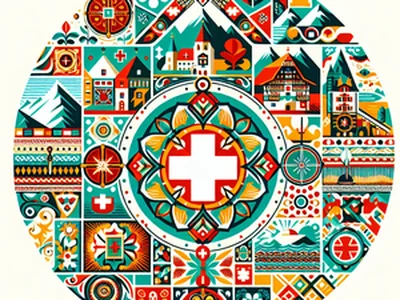
Swiss
Europe GermanFrenchItalianRomansh
The Swiss culture is a unique blend of German, French, Italian, and Romansh influences.
Historical Context
The Swiss Confederation was formed in the 13th century, and it has a long history of neutrality.
Migration Patterns
Historically, Switzerland has been a destination for migrants from various European countries.
Conflict And Resilience History
Switzerland has maintained its independence throughout history despite being surrounded by powerful neighbors.
Diaspora Perspectives
The Swiss diaspora is significant, with many Swiss people living abroad, particularly in Germany and France.
Regional Variations
Regional variations exist within Switzerland, reflecting the country's linguistic and cultural diversity.
Spiritual And Religious Practices
The majority of Swiss people are Christian (mainly Catholic and Protestant), with a significant minority practicing other religions.
Beliefs And Worldview
Swiss culture values independence, neutrality, and direct democracy.
Cultural Proverbs Sayings
Some common Swiss proverbs include 'Die Schweiz ist ein Dorf' ('Switzerland is a village') and 'Der Eidgenossen sind frei' ('The Confederates are free').
Naming Conventions And Terms Of Address
In Switzerland, it's customary to use formal titles such as 'Herr' or 'Frau' when addressing someone older or in a position of authority.
Health And Mental Health
Swiss healthcare is generally considered excellent, with a strong focus on prevention and public health.
Mental Health Views
Mental health is becoming increasingly important in Swiss culture, with efforts to reduce stigma around mental illness.
Traditional Healers
Traditional medicine practices are not widespread in Switzerland, but some people may seek out alternative therapies like homeopathy or acupuncture.
Gender Roles In Healthcare
Swiss healthcare generally follows a gender-neutral approach, although there may be some differences in traditional roles and expectations.
Healthcare Barriers
Access to healthcare is generally good in Switzerland, but there may be barriers for certain groups, such as migrants or those with limited financial resources.
Education And Learning Styles
Swiss education emphasizes hands-on learning, practical skills, and a strong focus on science, technology, engineering, and mathematics (STEM).
Learning Styles
Students in Switzerland often learn through project-based approaches, group work, and hands-on activities.
Parental Engagement
Parental involvement is encouraged in Swiss education, with many schools offering opportunities for parents to participate in their child's learning.
Family And Social Structure
Swiss society values close family relationships and community ties, with a strong emphasis on social cohesion.
Discipline And Behavior
Discipline is generally valued in Swiss culture, with an expectation of respect for authority figures and rules.
Authority Attitudes
Authority is generally respected in Switzerland, although there may be some tensions around issues like immigration or taxation.
Etiquette And Customs
Etiquette is important in Switzerland, particularly when interacting with older people or in formal situations.
Community Strengths Resilience
Swiss communities are known for their resilience and ability to adapt to challenges, such as economic downturns or natural disasters.
Art Music And Expression
Swiss art and music often reflect the country's cultural diversity, with influences from German, French, Italian, and Romansh traditions.
Cultural Symbols Motifs
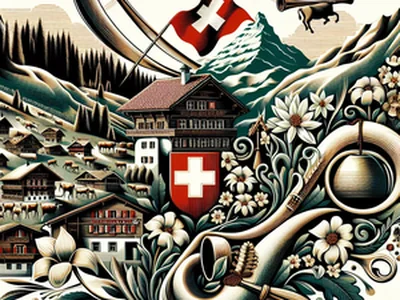
Some common Swiss symbols include the cross, the eagle, and the Alpine flower (Edelweiss).
What Brings Joy
Many Swiss people find joy in outdoor activities like hiking, skiing, or cycling, as well as in traditional festivals and celebrations.
Celebrations Joyful Traditions
Switzerland has many unique festivals and traditions, such as the Unspunnenfest (a stone-throwing competition) and the Fasnacht (a carnival-like celebration).
Cultural Calendar And Holidays
Some important Swiss holidays include New Year's Day (January 1), Easter Monday, Ascension Day, and Christmas.
Economic Context And Occupations
Switzerland has a strong economy with a high standard of living, driven by industries like finance, technology, and tourism.
Housing And Living Arrangements
Housing in Switzerland is generally expensive, particularly in urban areas like Zurich or Geneva.
Nutrition And Dietary Norms
Traditional Swiss cuisine emphasizes local ingredients like cheese, bread, and meat, with a focus on hearty, comforting dishes.
Interpretation Needs
Interpretation services may be needed for migrants or visitors who speak little or no German, French, Italian, or Romansh.
Interpreter Notes
Interpreter services are available in Switzerland, particularly in areas with high concentrations of migrant populations.
Documentation Traditions
Documentation traditions vary across Switzerland, reflecting the country's linguistic and cultural diversity.
Interactions With Other Cultures
Switzerland has a long history of interacting with neighboring cultures, particularly in the context of trade and diplomacy.
Conflict Resolution Mechanisms
Switzerland is known for its neutral stance in international conflicts, often serving as a mediator or facilitator.
Cultural Exchange Programs
Switzerland participates in various cultural exchange programs, promoting mutual understanding and cooperation with other countries.
Trade Relations
Switzerland has a strong economy driven by trade relationships with neighboring countries and beyond.
Shared Artistic Projects
Swiss artists often collaborate with international partners on projects like film, theater, or visual arts.
Intercultural Marriages
Intercultural marriages are common in Switzerland, reflecting the country's cultural diversity.
Shared Educational Initiatives
Switzerland participates in various educational initiatives, such as the European Higher Education Area (EHEA).
Youth Perspectives
Young people in Switzerland often prioritize education, career development, and social responsibility.
Education Initiatives
Switzerland has implemented various education initiatives to promote STEM education, digital literacy, and soft skills.
Future Challenges
Challenges facing Swiss youth include climate change, migration, and economic uncertainty.
Youth Employment Trends
Youth employment trends in Switzerland are influenced by factors like automation, AI, and the gig economy.
Future Visions
Many young people in Switzerland envision a future with sustainable development, social justice, and technological innovation.
Youth Leadership Roles
Swiss youth often take on leadership roles in areas like environmental activism, social entrepreneurship, or cultural exchange.
Innovation And Startups
Innovation and startup culture are thriving in Switzerland, particularly in cities like Zurich, Geneva, or Bern.
Festivals And Celebrations
Switzerland has many unique festivals and celebrations, such as the Unspunnenfest (stone-throwing competition) and Fasnacht (carnival-like celebration).
Traditional Medicine Practices
Traditional medicine practices are not widespread in Switzerland, but some people may seek out alternative therapies like homeopathy or acupuncture.
Environmental Practices
Swiss culture emphasizes environmental responsibility, with a strong focus on sustainability and eco-friendliness.
Rituals
Some common Swiss rituals include the Unspunnenfest (stone-throwing competition) and Fasnacht (carnival-like celebration).
Rites Of Passage
Rites of passage in Switzerland often involve traditional ceremonies or rituals marking important life events like birth, coming-of-age, or marriage.
Culinary Traditions
Traditional Swiss cuisine emphasizes local ingredients like cheese, bread, and meat, with a focus on hearty, comforting dishes.
Climate Adaptation Strategies
Switzerland is actively addressing climate change through initiatives like renewable energy, carbon pricing, and sustainable transportation.
Biodiversity Conservation
Switzerland is committed to biodiversity conservation, with initiatives like protected areas, species protection, and ecosystem restoration.
Sustainable Tourism Practices
Switzerland promotes sustainable tourism practices, encouraging visitors to respect local environments and cultures.
Renewable Energy Use
Switzerland has made significant strides in renewable energy use, particularly in areas like hydroelectric power and solar energy.
Community Involvement In Practices
Community involvement in environmental practices is encouraged in Switzerland, with many initiatives promoting citizen engagement and participation.
Environmental Education Programs
Environmental education programs are widely available in Switzerland, promoting awareness and action on environmental issues.
Notable Figures
Notable Swiss figures include Albert Einstein, Carl Jung, and Hermann Hesse.
Cultural Innovations
Switzerland has made significant cultural innovations in areas like watchmaking, banking, and chocolate production.
Literary Works
Swiss literature includes works by authors like Johann Wolfgang von Goethe, Friedrich Schiller, and Hermann Hesse.
Architectural Styles
Swiss architecture reflects the country's cultural diversity, with influences from German, French, Italian, and Romansh traditions.
Scientific Contributions
Switzerland has made significant scientific contributions in areas like physics (Einstein), psychology (Jung), and chemistry (Friedrich August von Hayek).
Culinary Innovations
Swiss cuisine has innovated traditional dishes like fondue, raclette, and bircher muesli.
Global Influence
Switzerland's global influence extends beyond its borders, with a strong reputation for neutrality, stability, and high-quality products.
Awards And Recognition
Switzerland has received numerous awards and recognition for its contributions to fields like science, art, and culture.
Modern Influences
Modern influences on Swiss culture include globalization, urbanization, and technological advancements.
Digital Presence
Switzerland has a strong digital presence, with many companies and institutions actively engaged in e-commerce, online education, and digital innovation.
Globalization Effects
Globalization has had significant effects on Switzerland's economy, culture, and society, with increased trade, migration, and cultural exchange.
Urbanization Effects
Urbanization has had significant effects on Switzerland's society, economy, and culture, with increased migration to cities like Zurich or Geneva.
Technology Adoption
Switzerland has a strong tradition of technology adoption, particularly in areas like watchmaking, banking, and healthcare.
Hybrid Cultural Forms
Swiss culture is increasingly influenced by hybrid forms like fusion cuisine, multicultural art, or blended music styles.
Social Media Presence
Social media plays an important role in Switzerland, with many people using platforms like Facebook, Instagram, or Twitter for communication, information, and entertainment.
Challenges
Challenges facing Swiss culture include climate change, migration, economic uncertainty, and the need for cultural adaptation in a rapidly changing world.
Preservation Efforts
Efforts to preserve Swiss culture include initiatives promoting traditional practices, language preservation, and cultural heritage conservation.
Cultural Artwork
Community Discussion
Further Reading
Explore credible external sources to deepen your understanding of Swiss culture.