
Sri Lankan
South Asia SinhalaTamilEnglish
The Sri Lankan culture is a rich and diverse blend of influences from various ethnic groups, including the Sinhalese, Tamils, Muslims, and Burghers.
Historical Context
Sri Lanka has a complex history with various periods of colonization, including the Portuguese, Dutch, and British.
Migration Patterns
The island was inhabited by various ethnic groups, including the Sinhalese, Tamils, and Vedda people.
Conflict And Resilience History
Sri Lanka experienced a 26-year civil war from 1983 to 2009, which had a significant impact on the country's culture and society.
Diaspora Perspectives
The Sri Lankan diaspora is spread across various countries, including the UK, Australia, and Canada.
Regional Variations
Sri Lanka has three main regions: the North, East, and South, each with its unique cultural characteristics.
Spiritual And Religious Practices
Buddhism is the primary religion in Sri Lanka, followed by Hinduism, Islam, and Christianity.
Beliefs And Worldview
Sri Lankans believe in karma and reincarnation, with a strong emphasis on spiritual growth and self-improvement.
Cultural Proverbs Sayings
Some common proverbs include 'Dharmaya' (religion is the foundation of life) and 'Ahimsa' (non-violence).
Naming Conventions And Terms Of Address
Sri Lankans use a combination of their given name, surname, and honorific titles such as 'Mr.' or 'Mrs.'
Health And Mental Health
Mental health is a growing concern in Sri Lanka, with high rates of depression and anxiety.
Mental Health Views
Traditional medicine emphasizes the importance of mental balance and spiritual well-being.
Traditional Healers
Ayurvedic practitioners are common in Sri Lanka, using natural remedies to treat various ailments.
Gender Roles In Healthcare
Women play a significant role in healthcare, particularly in rural areas where they often serve as community health workers.
Healthcare Barriers
Limited access to healthcare services and high costs are major barriers to healthcare in Sri Lanka.
Education And Learning Styles
Sri Lankan education emphasizes rote memorization and respect for authority.
Learning Styles
Students learn through a combination of lectures, discussions, and practical exercises.
Parental Engagement
Parents are actively involved in their children's education, often attending school events and meetings with teachers.
Family And Social Structure
Sri Lankan society is patriarchal, with a strong emphasis on family ties and social hierarchy.
Discipline And Behavior
Children are expected to respect their elders and follow traditional values such as modesty and humility.
Authority Attitudes
Authority figures such as teachers and government officials are highly respected in Sri Lankan culture.
Etiquette And Customs
Greetings involve a combination of handshakes, hugs, and verbal greetings such as 'Ayubowan' (hello).
Community Strengths Resilience
Sri Lankans value community cohesion and mutual support, particularly in times of crisis.
Art Music And Expression
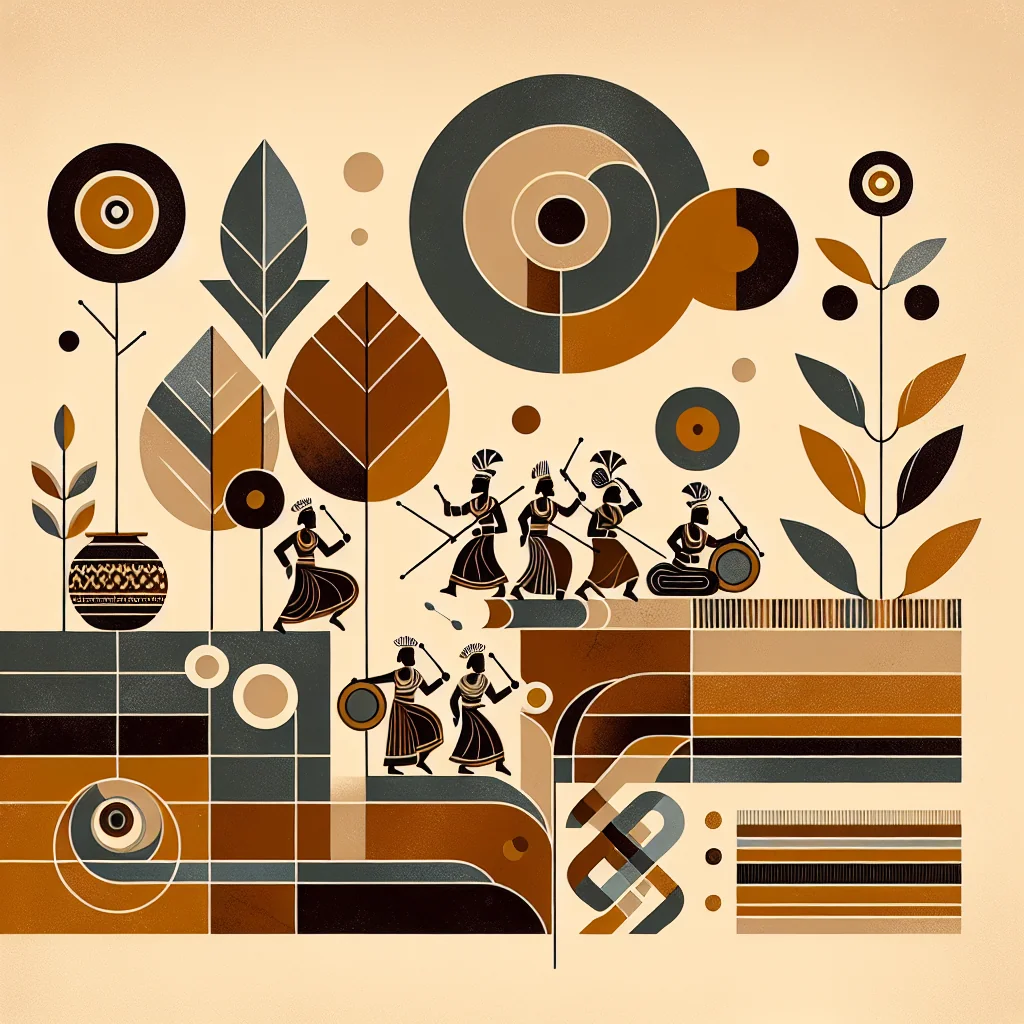
Traditional Sri Lankan art forms include dance, music, and visual arts such as woodcarvings and batik.
Cultural Symbols Motifs
The lotus flower is a common symbol representing spiritual growth and enlightenment.
What Brings Joy
Sri Lankans find joy in family gatherings, cultural festivals, and traditional sports such as cricket.
Celebrations Joyful Traditions
Diwali (Hindu festival of lights), Vesak (Buddhist holiday), and Eid al-Fitr (Islamic celebration) are significant events in Sri Lankan culture.
Cultural Calendar And Holidays
Sri Lanka has a 12-month calendar with various festivals and holidays throughout the year.
Economic Context And Occupations
The majority of Sri Lankans work in agriculture, manufacturing, or services such as tourism and hospitality.
Housing And Living Arrangements
Most Sri Lankans live in urban areas, with a growing middle class and increasing access to modern amenities.
Nutrition And Dietary Norms
Sri Lankan cuisine emphasizes rice, lentils, and vegetables, with a focus on fresh ingredients and traditional cooking methods.
Interpretation Needs
Interpreters are often required for English-Sinhala or Tamil-English communication.
Interpreter Notes
Certified interpreters are available in major cities such as Colombo and Kandy.
Documentation Traditions
Official documents are typically written in Sinhala, with English translations provided when necessary.
Interactions With Other Cultures
Sri Lankans have a long history of cultural exchange with neighboring countries such as India and China.
Conflict Resolution Mechanisms
Traditional conflict resolution mechanisms include mediation, arbitration, and reconciliation ceremonies.
Cultural Exchange Programs
The Sri Lanka government has established various cultural exchange programs with other countries to promote mutual understanding and cooperation.
Trade Relations
Sri Lanka has trade agreements with several countries, including the US, China, and India.
Shared Artistic Projects
Sri Lankan artists collaborate with international artists on projects such as dance performances and visual art exhibitions.
Intercultural Marriages
Intermarriage between Sri Lankans and people from other cultures is becoming increasingly common.
Shared Educational Initiatives
The Sri Lanka government has partnered with international organizations to develop educational programs focused on cultural exchange and understanding.
Youth Perspectives
Young Sri Lankans are interested in pursuing careers in technology, entrepreneurship, and the arts.
Education Initiatives
The Sri Lanka government has launched various education initiatives to improve access to quality education for all citizens.
Future Challenges
Sri Lanka faces challenges such as climate change, economic inequality, and social injustice.
Youth Employment Trends
Youth unemployment is a growing concern in Sri Lanka, with many young people seeking employment opportunities abroad.
Future Visions
Young Sri Lankans envision a future where their country becomes a hub for innovation, entrepreneurship, and cultural exchange.
Youth Leadership Roles
Youth leaders are playing an increasingly important role in shaping the country's future through initiatives such as social activism and community development.
Innovation And Startups
Sri Lanka has a growing startup ecosystem with many innovative companies focused on technology, healthcare, and sustainability.
Festivals And Celebrations
Diwali (Hindu festival of lights), Vesak (Buddhist holiday), and Eid al-Fitr (Islamic celebration) are significant events in Sri Lankan culture.
Traditional Medicine Practices
Ayurvedic practitioners use natural remedies to treat various ailments, emphasizing mental balance and spiritual well-being.
Environmental Practices
Sri Lankans prioritize environmental conservation through initiatives such as tree planting, waste management, and sustainable agriculture.
Rituals
Daily rituals involve prayer, meditation, and offerings to deities in Buddhist and Hindu traditions.
Rites Of Passage
Traditional rites of passage include ceremonies for birth, coming of age, marriage, and death.
Culinary Traditions
Sri Lankan cuisine emphasizes rice, lentils, and vegetables, with a focus on fresh ingredients and traditional cooking methods.
Climate Adaptation Strategies
The Sri Lanka government has implemented climate adaptation strategies such as reforestation, renewable energy, and sustainable agriculture.
Biodiversity Conservation
Sri Lanka is home to various protected areas and national parks, with efforts to conserve biodiversity through initiatives such as habitat restoration and species reintroduction.
Sustainable Tourism Practices
The Sri Lanka government promotes sustainable tourism practices such as eco-lodges, responsible wildlife viewing, and community-based tourism.
Renewable Energy Use
Sri Lanka has invested in renewable energy sources such as solar, wind, and hydroelectric power to reduce dependence on fossil fuels.
Community Involvement In Practices
Community members are actively involved in environmental conservation efforts through initiatives such as tree planting and waste management.
Notable Figures
Notable Sri Lankans include Mahinda Rajapaksa (former president), Chandrika Kumaratunga (former president), and Aung San Suu Kyi (Myanmar's state counselor).
Cultural Innovations
Sri Lanka has made significant contributions to cultural innovations such as the development of Ayurvedic medicine, traditional dance forms, and visual arts.
Literary Works
Notable literary works include 'The Mahabharata' (Hindu epic), 'The Ramayana' (Hindu epic), and 'The Way to Liberation' (Buddhist text).
Architectural Styles
Sri Lanka has a rich architectural heritage, with influences from various cultures such as Buddhist, Hindu, and Islamic.
Scientific Contributions
Sri Lankans have made significant contributions to scientific fields such as mathematics, astronomy, and medicine.
Culinary Innovations
Sri Lankan cuisine has influenced global culinary traditions through the introduction of spices, herbs, and cooking techniques.
Global Influence
Sri Lanka's cultural influence extends globally through its diaspora communities, cultural exchange programs, and international collaborations.
Awards And Recognition
Sri Lanka has received various awards and recognition for its contributions to culture, education, and environmental conservation.
Modern Influences
Modern influences include Western-style education, urbanization, and technological advancements.
Digital Presence
Sri Lankans are increasingly active on social media platforms such as Facebook, Instagram, and Twitter.
Globalization Effects
Globalization has had a significant impact on Sri Lanka's economy, culture, and society, with increased trade, tourism, and cultural exchange.
Urbanization Effects
Urbanization has led to changes in lifestyle, culture, and social dynamics in Sri Lanka, with increased access to education, healthcare, and economic opportunities.
Technology Adoption
Sri Lankans have adopted various technologies such as smartphones, laptops, and e-commerce platforms to improve their daily lives.
Hybrid Cultural Forms
Sri Lankan culture is adapting to modern influences through the creation of hybrid forms such as fusion music and contemporary art.
Social Media Presence
Social media platforms are increasingly used for communication, information sharing, and community engagement in Sri Lanka.
Challenges
Sri Lanka faces challenges such as climate change, economic inequality, and social injustice.
Preservation Efforts
The Sri Lanka government has launched various initiatives to preserve the country's cultural heritage through programs such as cultural festivals, museum exhibitions, and historical site restoration.
Cultural Artwork
Community Discussion
Further Reading
Explore credible external sources to deepen your understanding of Sri Lankan culture.