
Spanish
Spain, primarily located in Southern Europe on the Iberian Peninsula. Spanish (Castilian)CatalanGalicianBasque
The Spanish culture is rich and diverse, characterized by its historical influences, vibrant traditions, and significant contributions to art, literature, and cuisine.
Historical Context
Spanish history is marked by the Roman conquest, Visigothic rule, and the Moorish occupation, which have all left a lasting impact on its culture. The Reconquista and the subsequent unification under Catholic Monarchs set the stage for Spain's Golden Age.
Migration Patterns
Spain has experienced various migration waves, including the emigration to Latin America during the colonial period and the influx of immigrants from North Africa and Latin America in recent decades.
Conflict And Resilience History
Spain has faced numerous conflicts, including the Spanish Civil War and regional tensions, particularly in Catalonia and the Basque Country. Despite these, the country has shown resilience and a commitment to democracy.
Diaspora Perspectives
The Spanish diaspora is widespread, with significant communities in Latin America, the United States, and Europe, maintaining cultural ties through language and traditions.
Regional Variations
Spain is culturally diverse, with distinct regional identities in Catalonia, Galicia, and the Basque Country, each with its own language and traditions.
Bridging Notes
Efforts to bridge cultural differences within Spain focus on promoting regional autonomy while fostering a shared national identity.
Spiritual And Religious Practices
Spain is predominantly Roman Catholic, with religious festivals like Semana Santa and Christmas being widely celebrated. However, secularism is on the rise, especially among younger generations.
Beliefs And Worldview
Spanish culture values family, community, and a relaxed lifestyle. There is a strong emphasis on enjoying life, reflected in the concept of 'siesta' and social gatherings.
Cultural Proverbs Sayings
Common sayings include 'Más vale tarde que nunca' (Better late than never) and 'A quien madruga, Dios le ayuda' (God helps those who rise early).
Naming Conventions And Terms Of Address
Spanish naming conventions typically include two surnames: the father's first surname followed by the mother's first surname. Formal address uses 'Señor' or 'Señora' followed by the surname.
Health And Mental Health
Spain has a universal healthcare system, highly regarded for its quality. Mental health awareness is growing, with increasing resources dedicated to mental well-being.
Mental Health Views
Mental health is becoming less stigmatized, with more open discussions and acceptance of therapy and counseling.
Traditional Healers
While modern medicine is predominant, some traditional practices like herbal remedies and homeopathic treatments are still used, especially in rural areas.
Gender Roles In Healthcare
Healthcare is generally accessible to all genders, but traditional gender roles can influence healthcare decisions, with women often being primary caregivers.
Healthcare Barriers
Language barriers and regional disparities can affect healthcare access, particularly for immigrants and non-Spanish speakers.
Education And Learning Styles
Spain has a strong public education system with compulsory education from ages 6 to 16. Emphasis is placed on critical thinking and creativity.
Learning Styles
Spanish education encourages group work and interactive learning, with a focus on both theoretical knowledge and practical skills.
Parental Engagement
Parents are actively involved in their children's education, often participating in school activities and maintaining communication with teachers.
Family And Social Structure
Family is central to Spanish life, often extending beyond the nuclear family to include close ties with extended relatives.
Discipline And Behavior
Discipline is generally moderate, with an emphasis on respect and good manners. Children are encouraged to express themselves while respecting elders.
Authority Attitudes
Respect for authority is balanced with a strong sense of individualism. Spaniards value democratic principles and personal freedoms.
Etiquette And Customs
Greetings often involve a kiss on each cheek. Punctuality is flexible, and social gatherings are lively and informal.
Community Strengths Resilience
Spanish communities are known for their solidarity and support networks, often coming together to celebrate festivals and support each other in times of need.
Art Music And Expression
Spain is renowned for its contributions to art and music, including flamenco, classical guitar, and artists like Picasso and Dalí.
Cultural Symbols Motifs
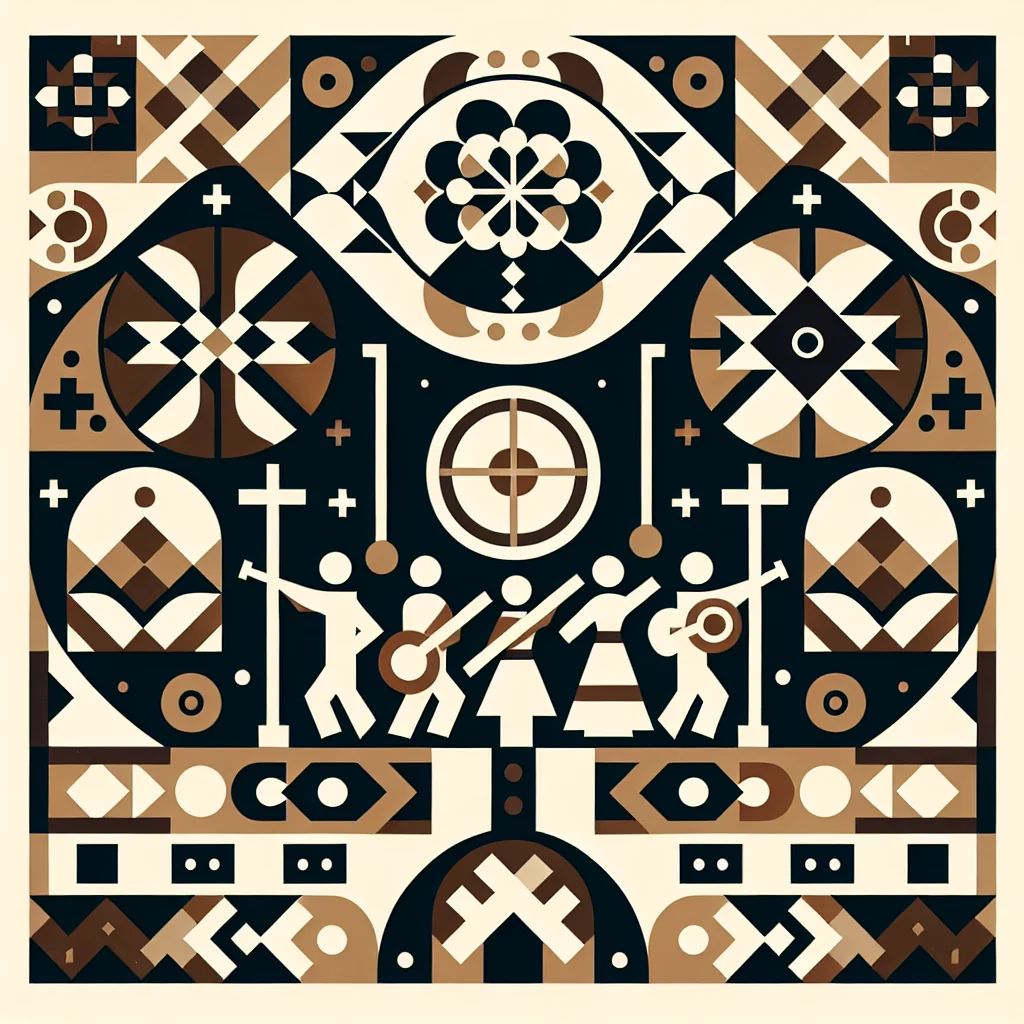
The bull, flamenco dancer, and fan are iconic symbols of Spanish culture, representing its passion and vibrancy.
What Brings Joy
Spaniards find joy in socializing, enjoying good food and wine, and participating in cultural festivals and sports, particularly football.
Celebrations Joyful Traditions
Festivals like La Tomatina, San Fermín, and Feria de Abril are celebrated with enthusiasm, showcasing Spain's love for communal joy.
Cultural Calendar And Holidays
Spain's cultural calendar is filled with religious and secular holidays, including Christmas, Easter, and National Day on October 12.
Additional Notes
Spanish culture is a blend of tradition and modernity, with a strong emphasis on enjoying life and valuing personal relationships.
Economic Context And Occupations
Spain has a diverse economy with strengths in tourism, agriculture, and manufacturing. Unemployment remains a challenge, particularly among youth.
Housing And Living Arrangements
Urbanization is high, with many living in apartments. Multi-generational households are common, reflecting strong family ties.
Nutrition And Dietary Norms
The Mediterranean diet, rich in olive oil, fruits, vegetables, and seafood, is prevalent. Meals are social events, often lasting several hours.
Interpretation Needs
While Spanish is the primary language, regional languages like Catalan, Galician, and Basque may require interpretation services in official settings.
Interpreter Notes
Interpreters should be aware of regional dialects and cultural nuances to effectively communicate across Spain's linguistic diversity.
Documentation Traditions
Spain has a strong tradition of written documentation, with a rich literary history and a high value placed on preserving historical records.
Interactions With Other Cultures
Spain has a history of cultural exchange, particularly with Latin America and Europe, fostering a rich blend of influences.
Conflict Resolution Mechanisms
Spain employs diplomatic and legal frameworks to address regional and international conflicts, emphasizing dialogue and negotiation.
Cultural Exchange Programs
Spain participates in numerous cultural exchange programs, promoting Spanish language and culture globally through initiatives like the Instituto Cervantes.
Trade Relations
Spain is an active member of the European Union, engaging in extensive trade with EU countries and beyond.
Shared Artistic Projects
Collaborations in film, music, and art with other cultures are common, reflecting Spain's openness to global artistic influences.
Intercultural Marriages
Intercultural marriages are increasingly common, reflecting Spain's diverse society and openness to different cultures.
Shared Educational Initiatives
Spain collaborates with international educational institutions, promoting student exchanges and joint research projects.
Youth Perspectives
Spanish youth are increasingly global-minded, valuing education, technology, and social change. They face challenges like unemployment but are optimistic about the future.
Education Initiatives
Programs to enhance STEM education and digital literacy are prioritized to prepare youth for a competitive global market.
Future Challenges
Economic recovery, climate change, and regional autonomy are key challenges facing Spain's future.
Youth Employment Trends
Youth unemployment remains high, but there is a growing trend towards entrepreneurship and innovation in tech and creative industries.
Future Visions
Spanish youth envision a future that balances tradition with modernity, emphasizing sustainability and social equality.
Youth Leadership Roles
Young Spaniards are increasingly taking on leadership roles in social movements, politics, and business, driving change and innovation.
Innovation And Startups
Spain's startup ecosystem is growing, particularly in cities like Barcelona and Madrid, with a focus on tech and sustainable solutions.
Festivals And Celebrations
Spain's festivals are vibrant and diverse, from religious processions to secular celebrations like Carnival and the Running of the Bulls.
Traditional Medicine Practices
While modern medicine is predominant, some traditional practices like herbal remedies are still used, particularly in rural areas.
Environmental Practices
Spain is committed to environmental sustainability, with initiatives to promote renewable energy and protect natural landscapes.
Rituals
Rituals in Spain often revolve around religious events, such as baptisms, weddings, and funerals, reflecting deep-rooted traditions.
Rites Of Passage
Rites of passage include religious sacraments like First Communion and cultural milestones such as the quinceañera in some regions.
Culinary Traditions
Spanish cuisine is diverse, with regional specialties like paella, tapas, and jamón ibérico, reflecting local ingredients and traditions.
Climate Adaptation Strategies
Spain is implementing strategies to address climate change, focusing on water conservation and renewable energy.
Biodiversity Conservation
Efforts to conserve biodiversity include protecting national parks and endangered species, supported by government and NGOs.
Sustainable Tourism Practices
Spain promotes sustainable tourism, balancing economic benefits with environmental protection, particularly in popular destinations like the Balearic Islands.
Renewable Energy Use
Spain is a leader in renewable energy, particularly wind and solar power, contributing significantly to its energy mix.
Community Involvement In Practices
Community involvement in environmental practices is encouraged through local initiatives and education programs.
Environmental Education Programs
Environmental education is integrated into school curricula, promoting awareness and action among young people.
Notable Figures
Spain has produced many notable figures, including artists like Pablo Picasso, writers like Miguel de Cervantes, and filmmakers like Pedro Almodóvar.
Cultural Innovations
Spain has contributed to cultural innovations in art, architecture, and cuisine, influencing global trends and styles.
Literary Works
Spanish literature is renowned for works like 'Don Quixote' by Cervantes and contemporary authors like Javier Marías.
Architectural Styles
Spain is known for its diverse architectural styles, from Gothic cathedrals to Gaudí's modernist masterpieces in Barcelona.
Scientific Contributions
Spanish scientists have made significant contributions in fields like medicine, physics, and astronomy, with a growing emphasis on research and innovation.
Culinary Innovations
Spanish cuisine has gained international acclaim, with chefs like Ferran Adrià pioneering molecular gastronomy.
Global Influence
Spain's cultural influence is global, particularly in Latin America, through language, music, and shared historical ties.
Awards And Recognition
Spain has received numerous international awards in literature, film, and sports, highlighting its cultural and athletic achievements.
Modern Influences
Spanish culture is influenced by global trends in fashion, technology, and media, while maintaining its unique identity.
Digital Presence
Spain has a strong digital presence, with widespread internet access and active participation in social media platforms.
Globalization Effects
Globalization has brought diverse influences to Spain, enriching its culture while also posing challenges to traditional practices.
Urbanization Effects
Urbanization has transformed Spanish cities, fostering economic growth and cultural exchange, but also creating challenges like housing shortages.
Technology Adoption
Spain is rapidly adopting new technologies, with a focus on digital transformation and innovation in various sectors.
Hybrid Cultural Forms
Hybrid cultural forms are emerging, blending traditional Spanish elements with global influences in music, art, and cuisine.
Social Media Presence
Spaniards are active on social media, using platforms to connect, share cultural content, and engage in social and political discussions.
Challenges
Spain faces cultural challenges such as preserving regional languages and traditions in the face of globalization and modernity.
Preservation Efforts
Efforts to preserve Spanish culture include promoting regional languages, supporting traditional crafts, and protecting historical sites.
Cultural Artwork
Community Discussion
Further Reading
Explore credible external sources to deepen your understanding of Spanish culture.