
Solomon Islands
Oceania EnglishSolomon Islands PijinGhariKwaio
The Solomon Islands culture is a rich tapestry of traditions, languages, and customs influenced by its Melanesian roots and colonial history.
Historical Context
The Solomon Islands have a history that dates back thousands of years, with the first settlers believed to have arrived around 30,000 BC. European contact began in the 16th century, and the islands were later colonized by the British in the late 19th century. The islands played a significant role during World War II, particularly during the Battle of Guadalcanal.
Migration Patterns
Historically, the Solomon Islands have seen migration from neighboring Pacific islands, contributing to its cultural diversity. In recent times, there has been internal migration from rural to urban areas, particularly to the capital, Honiara.
Conflict And Resilience History
The Solomon Islands experienced ethnic tensions and civil unrest from 1998 to 2003, known as 'The Tensions,' primarily between the Isatabu Freedom Movement and the Malaita Eagle Force. The conflict was resolved with international intervention, and the nation has since worked towards peace and reconciliation.
Diaspora Perspectives
The Solomon Islands diaspora is relatively small, with communities primarily in Australia and New Zealand, maintaining cultural ties through festivals and community events.
Regional Variations
Cultural practices vary significantly between islands, influenced by geography and historical contact with other cultures.
Bridging Notes
Understanding the diverse cultural influences and historical context is crucial for appreciating the unique cultural identity of the Solomon Islands.
Spiritual And Religious Practices
Christianity is the predominant religion in the Solomon Islands, with the Anglican Church of Melanesia being the largest denomination. Traditional beliefs and practices are also observed, often blending with Christian practices.
Beliefs And Worldview
The worldview of the Solomon Islands people is deeply rooted in community and family. Respect for elders and communal decision-making are central values. There is also a strong connection to the land and sea, which are considered integral to their identity and spirituality.
Cultural Proverbs Sayings
Proverbs in the Solomon Islands often emphasize community, respect, and harmony. For example, 'A single stick may smoke, but it will not burn' highlights the importance of unity and cooperation.
Naming Conventions And Terms Of Address
Naming conventions often reflect familial ties and ancestral lineage, with respect shown through titles and kinship terms.
Health And Mental Health
Healthcare in the Solomon Islands faces challenges due to limited resources and infrastructure. Traditional medicine is commonly used alongside modern healthcare practices. Mental health is often stigmatized, but there is growing awareness and efforts to improve mental health services.
Mental Health Views
Mental health is often viewed through a community lens, with traditional beliefs influencing perceptions and treatment approaches.
Traditional Healers
Traditional healers, known as 'kastom' doctors, play a significant role in the healthcare system, especially in rural areas. They use herbal remedies and spiritual healing practices passed down through generations.
Gender Roles In Healthcare
Gender roles can influence healthcare access, with women often being primary caregivers but facing barriers in accessing services.
Healthcare Barriers
Geographic isolation and limited infrastructure pose significant challenges to healthcare access in the Solomon Islands.
Education And Learning Styles
Education in the Solomon Islands is influenced by both traditional and Western systems. Schools emphasize rote learning, but there is a growing focus on critical thinking and practical skills.
Learning Styles
Learning in the Solomon Islands often involves oral traditions and storytelling, which are integral to passing down knowledge and cultural values. Group learning and community involvement are also common.
Parental Engagement
Parental involvement in education is highly valued, with community support playing a crucial role in children's learning.
Family And Social Structure
The family is the cornerstone of social structure in the Solomon Islands. Extended families often live together, and there is a strong emphasis on communal living and shared responsibilities.
Discipline And Behavior
Discipline is often community-based, with elders playing a significant role in guiding and correcting behavior.
Authority Attitudes
Respect for elders and traditional leaders is deeply ingrained, with authority often linked to age and wisdom.
Etiquette And Customs
Respect and politeness are highly valued in Solomon Islands culture. Greetings often involve a handshake, and it is customary to address elders with respect. Hospitality is important, and guests are often offered food and drink as a sign of welcome.
Community Strengths Resilience
Strong community bonds and a collective approach to problem-solving contribute to resilience in the face of challenges.
Art Music And Expression
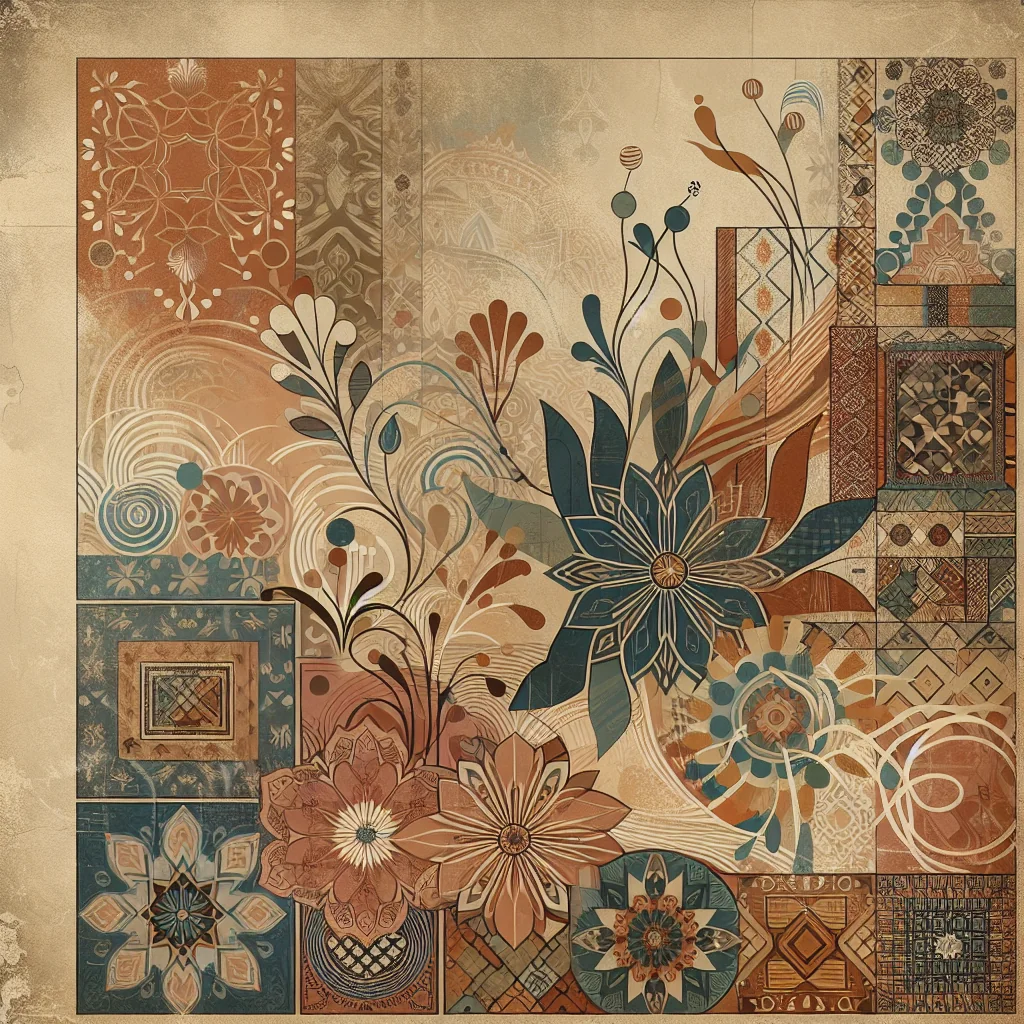
Art and music are vital aspects of cultural expression in the Solomon Islands. Traditional music involves panpipes, drums, and chants, while contemporary music blends these with modern genres. Carving and weaving are also prominent art forms.
Cultural Symbols Motifs
Cultural symbols in the Solomon Islands often include motifs from nature, such as birds and marine life, reflecting the deep connection to the environment. These symbols are commonly found in carvings and traditional tattoos.
What Brings Joy
Community gatherings, traditional music, and dance are central to joy and celebration.
Celebrations Joyful Traditions
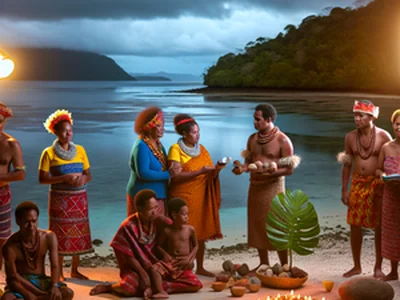
Celebrations in the Solomon Islands often revolve around community events, such as weddings, harvest festivals, and religious holidays. These events are marked by feasting, music, and dance.
Cultural Calendar And Holidays
Key celebrations include Independence Day and various local festivals that honor cultural heritage.
Additional Notes
The Solomon Islands' rich cultural tapestry is expressed through vibrant art, music, and dance, reflecting the diversity of its people.
Economic Context And Occupations
The economy is primarily based on agriculture, fishing, and forestry, with a growing emphasis on tourism.
Housing And Living Arrangements
Housing varies from traditional leaf huts to modern structures, often reflecting the blend of traditional and contemporary influences.
Nutrition And Dietary Norms
Diet is largely based on local produce, with staples like taro, sweet potatoes, and fish being central to meals.
Interpretation Needs
Given the linguistic diversity, interpretation services are often needed, especially in healthcare and legal settings.
Interpreter Notes
Interpreters should be culturally sensitive and aware of the nuances in local dialects.
Documentation Traditions
Oral traditions are strong, with storytelling being a key method of preserving history and culture.
Interactions With Other Cultures
Interactions are shaped by historical trade and colonial influences, with ongoing cultural exchanges in the Pacific region.
Conflict Resolution Mechanisms
Traditional conflict resolution often involves community elders and consensus-building practices.
Cultural Exchange Programs
Programs with neighboring Pacific nations promote cultural understanding and shared heritage.
Trade Relations
Trade is primarily regional, with Australia and New Zealand being key partners.
Shared Artistic Projects
Collaborations in arts and crafts with other Pacific cultures are common, fostering mutual appreciation.
Intercultural Marriages
Intercultural marriages are increasingly common, reflecting the blending of diverse cultural backgrounds.
Shared Educational Initiatives
Educational partnerships with international institutions support knowledge exchange and capacity building.
Youth Perspectives
Youth are increasingly engaged in cultural preservation and modernization efforts, balancing tradition with contemporary influences.
Education Initiatives
Initiatives focus on improving access to education and integrating cultural knowledge into curricula.
Future Challenges
Challenges include climate change, economic development, and maintaining cultural identity amid globalization.
Youth Employment Trends
Employment opportunities are expanding in tourism and service sectors, with a focus on sustainable practices.
Future Visions
Future visions emphasize sustainable development, cultural preservation, and increased regional cooperation.
Youth Leadership Roles
Youth are taking on leadership roles in community development and environmental advocacy.
Innovation And Startups
There is a growing interest in entrepreneurship, particularly in technology and sustainable industries.
Festivals And Celebrations
Festivals celebrate cultural heritage, with music, dance, and traditional ceremonies playing central roles.
Traditional Medicine Practices
Traditional medicine is widely practiced, often involving herbal remedies and spiritual healing.
Environmental Practices
Environmental stewardship is integral, with community-led conservation efforts and sustainable resource management.
Rituals
Rituals often mark significant life events, such as births, marriages, and deaths, reflecting deep cultural traditions.
Rites Of Passage
Rites of passage are significant, marking transitions such as adolescence to adulthood with ceremonies and community involvement.
Culinary Traditions
Culinary traditions emphasize local ingredients, with communal meals being a key aspect of social life.
Climate Adaptation Strategies
Communities are adopting strategies to adapt to climate change, focusing on resilience and sustainable practices.
Biodiversity Conservation
Conservation efforts prioritize protecting unique ecosystems and biodiversity, often led by local communities.
Sustainable Tourism Practices
Tourism initiatives focus on sustainability, promoting eco-friendly practices and cultural sensitivity.
Renewable Energy Use
There is a growing shift towards renewable energy sources, such as solar and wind, to reduce environmental impact.
Community Involvement In Practices
Community involvement is crucial in environmental and cultural practices, ensuring local knowledge and traditions are respected.
Environmental Education Programs
Programs aim to educate communities about environmental issues and sustainable practices, often involving schools and local organizations.
Notable Figures
Notable figures include political leaders, artists, and activists who have contributed to national and cultural development.
Cultural Innovations
Innovations often blend traditional and modern elements, seen in art, music, and community projects.
Literary Works
Literature includes oral traditions and contemporary writings that reflect the diverse cultural landscape.
Architectural Styles
Architecture ranges from traditional stilt houses to modern buildings, reflecting a blend of influences.
Scientific Contributions
Contributions in marine biology and environmental science are notable, given the rich biodiversity of the islands.
Culinary Innovations
Culinary innovations often involve fusion cuisine, blending local ingredients with international flavors.
Global Influence
The Solomon Islands' cultural influence extends through regional collaborations and participation in international forums.
Awards And Recognition
Recognition includes awards in environmental conservation and cultural preservation, highlighting the islands' global contributions.
Modern Influences
Modern influences are seen in urban areas, with increased access to technology and global media.
Digital Presence
Digital presence is growing, with social media and online platforms being used for cultural promotion and communication.
Globalization Effects
Globalization brings both opportunities and challenges, impacting cultural practices and economic development.
Urbanization Effects
Urbanization is leading to shifts in lifestyle and cultural practices, particularly among younger generations.
Technology Adoption
Technology adoption is increasing, with mobile phones and internet access becoming more widespread.
Hybrid Cultural Forms
Hybrid cultural forms emerge as traditional practices blend with modern influences, seen in music, fashion, and art.
Social Media Presence
Social media is a key tool for cultural expression and connection, particularly among youth.
Challenges
Challenges include balancing modernization with cultural preservation, addressing climate change, and ensuring sustainable development.
Preservation Efforts
Efforts focus on documenting cultural practices, promoting traditional knowledge, and supporting community-led initiatives.
Cultural Artwork
Community Discussion
Further Reading
Explore credible external sources to deepen your understanding of Solomon Islands culture.