

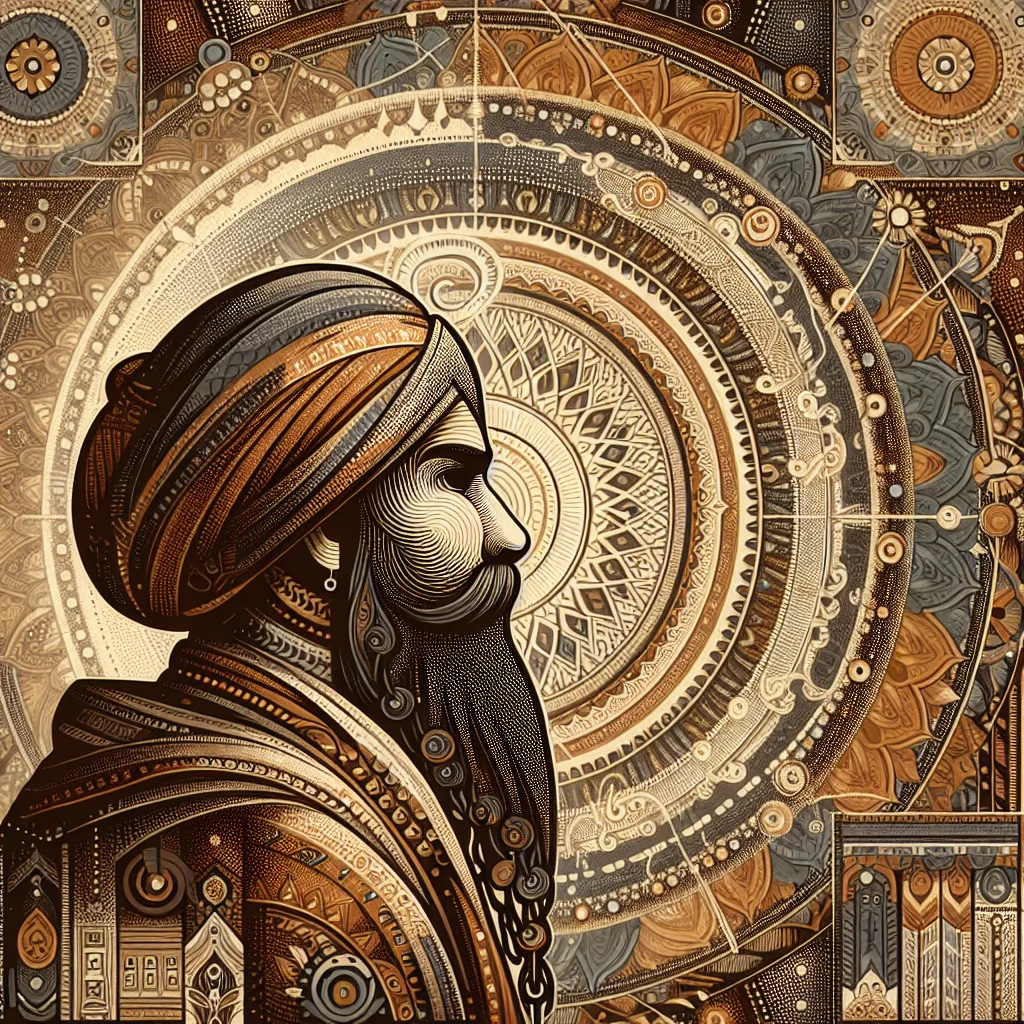
Sikh Diaspora
Global, with significant populations in India, UK, Canada, Australia, and USA PunjabiEnglishHindi
The Sikh Diaspora refers to the global community of Sikhs who have migrated from their ancestral homeland in India.
Historical Context
The Sikh Diaspora has its roots in the Indian subcontinent, where Sikhs have lived for centuries. The community was shaped by the teachings of Guru Nanak and subsequent Gurus.
Migration Patterns
Mass migrations occurred during British colonial rule (19th-20th centuries) and post-independence India (1947-present).
Conflict And Resilience History
Sikhs have faced persecution, violence, and displacement throughout history. Despite these challenges, the community has maintained its faith, culture, and identity.
Diaspora Perspectives
Sikh diasporic communities have developed unique perspectives on their faith, culture, and experiences as migrants.
Regional Variations
Regional variations exist within the Sikh Diaspora, reflecting local contexts, histories, and cultural influences.
Bridging Notes
The Sikh Diaspora has bridged geographical, linguistic, and cultural divides to maintain its global identity.
Spiritual And Religious Practices
Sikhs follow the teachings of Guru Nanak and subsequent Gurus. Key practices include meditation (Simran), prayer (Ardaas), and community service.
Beliefs And Worldview
Sikhs believe in one God, the unity of all humanity, and the importance of living a virtuous life.
Cultural Proverbs Sayings
Proverb: 'Waheguru ji ka Khalsa, Waheguru ji ki Fateh' (The Khalsa belongs to God, Victory belongs to God).
Naming Conventions And Terms Of Address
Sikhs often use honorifics like 'Bhai' or 'Ji' when addressing each other.
Health And Mental Health
Sikh communities have unique health concerns, including diabetes, heart disease, and mental health issues.
Mental Health Views
Mental health is considered an integral part of overall well-being. Sikhs often seek spiritual guidance for mental health concerns.
Traditional Healers
Ayurvedic practitioners and traditional healers are commonly sought out by Sikh communities.
Gender Roles In Healthcare
Sikhs generally follow traditional gender roles in healthcare, with women often caring for family members and men taking on more public roles.
Healthcare Barriers
Barriers to healthcare access include language barriers, cultural differences, and limited availability of culturally sensitive services.
Education And Learning Styles
Sikhs value education highly. Learning styles often emphasize hands-on experience, community service, and spiritual growth.
Learning Styles
Children are encouraged to learn through play, exploration, and hands-on activities.
Parental Engagement
Parents actively engage in their children's education, often serving as teachers or mentors.
Family And Social Structure
Sikh families typically follow a patriarchal structure. Extended family members often live together or nearby.
Discipline And Behavior
Children are taught to respect elders, authority figures, and community norms.
Authority Attitudes
Authority is generally respected, but also challenged when necessary for the greater good.
Etiquette And Customs
Etiquette emphasizes respect for elders, guests, and community members. Customs include removing shoes before entering homes or gurudwaras.
Community Strengths Resilience
Sikh communities are known for their resilience, solidarity, and willingness to help one another.
Art Music And Expression
Traditional Sikh art forms include music (Kirtan), dance (Bhangra), and visual arts. Modern expressions include literature, film, and digital media.
Cultural Symbols Motifs
Key symbols include the Khanda, the Five Ks (Kesh, Kara, Kanga, Kirpan, and Kachera), and the Guru Granth Sahib.
What Brings Joy
Sikhs find joy in community service, spiritual growth, and celebrating festivals like Vaisakhi and Diwali.
Celebrations Joyful Traditions
Festivals like Vaisakhi (Baisakhi) and Diwali are celebrated with great enthusiasm. Traditional foods, music, and dance are integral to these celebrations.
Cultural Calendar And Holidays
Key holidays include Vaisakhi (April), Diwali (October/November), and Guru Nanak's birthday (November).
Additional Notes
Sikh art and expression often reflect the community's values of compassion, equality, and service.
Economic Context And Occupations
Many Sikhs work in skilled trades, business, or education. Economic contexts vary widely depending on location and industry.
Housing And Living Arrangements
Sikhs often live in close-knit communities with extended family members or like-minded individuals.
Nutrition And Dietary Norms
Traditional Sikh diets emphasize plant-based foods, whole grains, and locally sourced ingredients. Meat consumption is generally moderate.
Interpretation Needs
Language interpretation services are often required for Sikhs who speak Punjabi or other regional languages.
Interpreter Notes
Interpreters should be familiar with Sikh terminology, customs, and cultural nuances.
Documentation Traditions
Sikhs may prefer to use Punjabi or English in official documents. Traditional documentation methods include handwritten records and oral testimonies.
Interactions With Other Cultures
Sikhs interact with other cultures through trade, education, and cultural exchange programs.
Conflict Resolution Mechanisms
Conflict resolution mechanisms include mediation, arbitration, and community-based dispute resolution.
Cultural Exchange Programs
Cultural exchange programs promote cross-cultural understanding and collaboration between Sikh communities and other groups.
Trade Relations
Trade relations involve the exchange of goods, services, and ideas between Sikh communities and other cultures.
Shared Artistic Projects
Shared artistic projects showcase the creative expressions of Sikhs and other cultures.
Intercultural Marriages
Intercultural marriages are becoming increasingly common, reflecting the global nature of Sikh diasporic communities.
Shared Educational Initiatives
Shared educational initiatives promote cross-cultural understanding and collaboration in education.
Youth Perspectives
Youth perspectives on their faith, culture, and experiences as migrants are shaped by their individual circumstances and community influences.
Education Initiatives
Education initiatives focus on promoting literacy, critical thinking, and cultural awareness among Sikh youth.
Future Challenges
Future challenges include adapting to changing global contexts, preserving cultural heritage, and addressing social and economic disparities within the community.
Youth Employment Trends
Youth employment trends reflect the community's values of entrepreneurship, hard work, and community service.
Future Visions
Future visions for Sikh youth emphasize leadership development, innovation, and global citizenship.
Youth Leadership Roles
Youth leadership roles involve mentoring, coaching, and guiding younger members within the community.
Innovation And Startups
Innovation and startups are encouraged as a means of promoting economic growth, social change, and cultural exchange.
Festivals And Celebrations
Festivals like Vaisakhi (Baisakhi) and Diwali are celebrated with great enthusiasm. Traditional foods, music, and dance are integral to these celebrations.
Traditional Medicine Practices
Ayurvedic practitioners and traditional healers are commonly sought out by Sikh communities for their expertise in natural remedies and holistic health.
Environmental Practices
Sikhs emphasize the importance of living sustainably, conserving resources, and protecting the environment.
Rituals
Rituals like the Langar (community kitchen) and Sewa (service to others) promote community service and social responsibility.
Rites Of Passage
Rites of passage include the Amrit Sanchar ceremony for initiation into the Khalsa, and the Anand Karaj ceremony for marriage.
Culinary Traditions
Traditional Sikh cuisine emphasizes plant-based foods, whole grains, and locally sourced ingredients. Meat consumption is generally moderate.
Climate Adaptation Strategies
Sikhs are developing climate adaptation strategies that incorporate traditional knowledge, sustainable practices, and community-led initiatives.
Biodiversity Conservation
Biodiversity conservation efforts focus on preserving natural habitats, protecting endangered species, and promoting eco-friendly practices.
Sustainable Tourism Practices
Sustainable tourism practices promote cultural exchange, community engagement, and environmentally responsible travel within Sikh communities.
Renewable Energy Use
Renewable energy use is encouraged as a means of reducing carbon emissions, conserving resources, and promoting sustainable development.
Community Involvement In Practices
Community involvement in environmental practices emphasizes collective responsibility, social justice, and community-led initiatives.
Environmental Education Programs
Environmental education programs promote awareness about climate change, biodiversity conservation, and sustainable living among Sikh youth.
Notable Figures
Notable figures include Guru Nanak, Guru Gobind Singh, and Banda Singh Bahadur.
Cultural Innovations
Cultural innovations include the development of the Khalsa, the creation of the Guru Granth Sahib, and the establishment of the Langar system.
Literary Works
Literary works include the Guru Granth Sahib, the Dasam Granth, and the writings of Sikh poets like Bhai Nand Lal.
Architectural Styles
Architectural styles reflect a blend of Indian, Persian, and European influences. Key examples include the Golden Temple in Amritsar and the Gurdwara in London.
Scientific Contributions
Scientific contributions include advancements in mathematics, astronomy, and medicine by Sikh scholars like Bhai Bala and Guru Nanak.
Culinary Innovations
Culinary innovations include the development of traditional Sikh cuisine, which emphasizes plant-based foods, whole grains, and locally sourced ingredients.
Global Influence
Sikhism has influenced global thought, culture, and politics through its emphasis on equality, justice, and human rights.
Awards And Recognition
Awards and recognition include the Nobel Peace Prize awarded to Malala Yousafzai, a Sikh activist for girls' education.
Modern Influences
Modern influences on Sikh culture include globalization, urbanization, and technological advancements.
Digital Presence
Digital presence includes social media platforms, online communities, and digital resources for learning about Sikhism.
Globalization Effects
Globalization has led to increased cultural exchange, economic growth, and social change within Sikh communities.
Urbanization Effects
Urbanization has resulted in the development of new community spaces, cultural institutions, and social services.
Technology Adoption
Technology adoption includes the use of digital tools for education, communication, and community engagement.
Hybrid Cultural Forms
Hybrid cultural forms reflect the blending of traditional Sikh culture with modern influences, resulting in unique expressions like Bhangra fusion music.
Social Media Presence
Social media presence is increasingly important for Sikh communities to connect with one another, share their experiences, and promote their culture.
Challenges
Challenges facing the Sikh Diaspora include adapting to changing global contexts, preserving cultural heritage, and addressing social and economic disparities within the community.
Preservation Efforts
Preservation efforts focus on documenting and promoting traditional knowledge, language, and cultural practices. Initiatives include language documentation projects, cultural festivals, and community-led conservation efforts.
Cultural Artwork
Community Discussion
Further Reading
Explore credible external sources to deepen your understanding of Sikh Diaspora culture.