
Senegalese
West Africa WolofFrench
The Senegalese culture is a rich and diverse blend of African, French, and Islamic influences.
Historical Context
The Senegalese culture has a rich history dating back to the ancient empires of Ghana and Mali.
Migration Patterns
The region has experienced various migrations, including the Wolof Empire's expansion in the 13th century.
Conflict And Resilience History
Senegal has faced several conflicts, including the Wolof-Malinké War (1867-1870), but has also shown resilience through its cultural heritage.
Diaspora Perspectives
The Senegalese diaspora is significant, with many communities in France, the United States, and other countries maintaining strong ties to their homeland.
Regional Variations
Regional variations exist within Senegal, including the Wolof, Serer, and Mandinka cultures.
Bridging Notes
The Senegalese culture has been shaped by its history of colonialism, with French influences still evident in language, education, and politics.
Spiritual And Religious Practices
Islam is the dominant religion in Senegal, followed by Christianity and traditional African religions.
Beliefs And Worldview
The Senegalese worldview emphasizes community, respect for elders, and a strong connection to nature.
Cultural Proverbs Sayings
Proverbs like 'Toubabou' (foreigner) and 'Wolof' (people of the Wolof Empire) reflect the country's complex history and cultural identity.
Naming Conventions And Terms Of Address
In Senegalese culture, respect is shown through the use of honorific titles and kinship terms.
Health And Mental Health
Mental health issues are increasingly recognized in Senegal, with efforts to address stigma and provide support.
Mental Health Views
Traditional healers often play a significant role in addressing mental health concerns.
Traditional Healers
Traditional healers use herbal remedies, spiritual practices, and other methods to treat physical and mental ailments.
Gender Roles In Healthcare
Women often take on caregiving roles, while men are more likely to seek medical attention for themselves.
Healthcare Barriers
Limited access to healthcare services, particularly in rural areas, remains a significant challenge.
Education And Learning Styles
Education is highly valued in Senegalese culture, with an emphasis on community-based learning and hands-on experience.
Learning Styles
Learning styles vary depending on the region, but often involve storytelling, music, and visual arts.
Parental Engagement
Parents are actively involved in their children's education, often participating in school activities and supporting teachers.
Family And Social Structure
The extended family is highly valued in Senegalese culture, with a strong emphasis on community and social cohesion.
Discipline And Behavior
Discipline is maintained through respect for elders and adherence to traditional values.
Authority Attitudes
Authority figures are respected, but also subject to scrutiny and accountability.
Etiquette And Customs
Etiquette emphasizes respect for others, particularly in public spaces and during social interactions.
Community Strengths Resilience
Community strength lies in its ability to come together in times of need, with a strong sense of solidarity and mutual support.
Art Music And Expression
Music, dance, and visual arts are highly expressive forms in Senegalese culture, often used for storytelling and celebration.
Cultural Symbols Motifs
Symbols like the Wolof Empire's emblem (a lion) and the Serer people's sacred tree (the baobab) hold significant cultural meaning.
What Brings Joy
Joy is often associated with community gatherings, music, and dance, as well as traditional festivals and celebrations.
Celebrations Joyful Traditions
Festivals like the Grand Magal of Touba (a Sufi pilgrimage) and the Fête du Tabaski (a sheep-sacrificing ceremony) bring communities together in joyous celebration.
Cultural Calendar And Holidays
The Senegalese calendar includes Islamic holidays, traditional festivals, and national celebrations like Independence Day.
Additional Notes
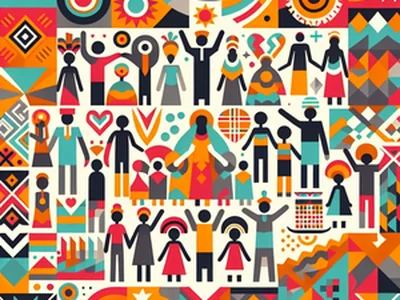
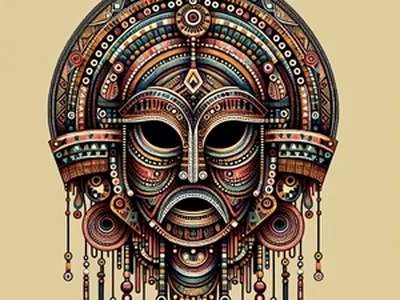
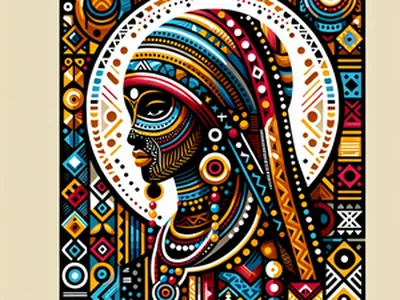
Senegalese culture is characterized by its vibrant colors, intricate patterns, and rich storytelling traditions.
Economic Context And Occupations
Agriculture, fishing, and trade are significant economic activities in Senegal, with many people engaged in small-scale entrepreneurship.
Housing And Living Arrangements
Housing varies from traditional mud huts to modern apartments, with a growing middle class seeking better living conditions.
Nutrition And Dietary Norms
Traditional diets emphasize rice, fish, and vegetables, with a focus on community-based food production and sharing.
Interpretation Needs
Interpretation services are often required for Wolof speakers interacting with French or English speakers.
Interpreter Notes
Interpreters may be needed in formal settings like courts, hospitals, or government offices.
Documentation Traditions
Documentation is often oral, with stories and histories passed down through generations by word of mouth.
Interactions With Other Cultures
Senegalese people interact with various cultures, including French, American, and other West African communities.
Conflict Resolution Mechanisms
Traditional conflict resolution mechanisms involve mediation by respected elders or community leaders.
Cultural Exchange Programs
Cultural exchange programs exist between Senegal and other countries, promoting mutual understanding and respect.
Trade Relations
Trade relationships are established with neighboring countries and international partners.
Shared Artistic Projects
Artistic collaborations occur between Senegalese artists and those from other cultures.
Intercultural Marriages
Intermarriage is common among Senegalese people, particularly in urban areas.
Shared Educational Initiatives
Educational initiatives are shared between Senegal and other countries to promote cultural understanding and exchange.
Youth Perspectives
Youth in Senegal face challenges related to education, employment, and social mobility.
Education Initiatives
Initiatives like the Senegalese government's 'Plan for Education' aim to improve access to quality education.
Future Challenges
Challenges include addressing poverty, inequality, and climate change.
Youth Employment Trends
Youth employment trends show a growing interest in entrepreneurship, technology, and innovation.
Future Visions
Future visions for Senegal emphasize sustainable development, economic growth, and social cohesion.
Youth Leadership Roles
Youth are increasingly taking on leadership roles in politics, business, and civil society.
Innovation And Startups
Innovation hubs and startup accelerators are emerging to support entrepreneurship and innovation.
Festivals And Celebrations
Festivals like the Grand Magal of Touba and the Fête du Tabaski bring communities together in celebration.
Traditional Medicine Practices
Traditional healers use herbal remedies, spiritual practices, and other methods to treat physical and mental ailments.
Environmental Practices
Environmental practices emphasize community-based conservation efforts and sustainable resource management.
Climate Adaptation Strategies
Climate adaptation strategies focus on resilience-building measures like flood-resistant construction and drought-tolerant agriculture.
Biodiversity Conservation
Biodiversity conservation initiatives prioritize protecting endangered species and preserving natural habitats.
Sustainable Tourism Practices
Sustainable tourism practices promote eco-friendly accommodations, transportation, and cultural experiences.
Renewable Energy Use
Renewable energy sources like solar and wind power are increasingly used to reduce dependence on fossil fuels.
Community Involvement In Practices
Community involvement is essential in environmental conservation efforts, with local participation driving decision-making processes.
Environmental Education Programs
Environmental education programs focus on promoting sustainable practices, reducing waste, and conserving natural resources.
Notable Figures
Notable figures include Leopold Sédar Senghor (first president of Senegal) and Youssou N'Dour (musician and politician).
Cultural Innovations
Cultural innovations like the Wolof Empire's administrative system and the Serer people's sacred tree have had lasting impacts.
Literary Works
Literary works include Senghor's poetry collections and Youssou N'Dour's song lyrics, which reflect Senegalese culture and identity.
Architectural Styles
Architectural styles like the Wolof Empire's mud huts and the Serer people's sacred tree have been influential in West African architecture.
Scientific Contributions
Scientific contributions include research on traditional medicine practices and environmental conservation efforts.
Culinary Innovations
Culinary innovations like peanut sauce and jollof rice have become popular dishes throughout West Africa.
Global Influence
Senegalese culture has influenced global music, art, and literature, with many artists drawing inspiration from African traditions.
Awards And Recognition
Awards and recognition include the UNESCO designation of the Grand Magal of Touba as an Intangible Cultural Heritage of Humanity.
Modern Influences
Modern influences include French colonialism, Islamic revivalism, and African diasporic culture.
Digital Presence
Digital presence is growing in Senegal, with increasing access to mobile phones, internet, and social media.
Globalization Effects
Globalization has led to increased trade, cultural exchange, and economic growth in Senegal.
Urbanization Effects
Urbanization has led to changes in lifestyle, culture, and economy in Senegal, with many people moving from rural areas to cities.
Technology Adoption
Technology adoption is increasing in Senegal, particularly among the youth, who are driving innovation and entrepreneurship.
Hybrid Cultural Forms
Hybrid cultural forms like Afrobeat music and Wolof-French fusion cuisine are emerging in Senegal.
Social Media Presence
Social media platforms have become increasingly popular in Senegal, with many people using them for communication, information-sharing, and self-expression.
Challenges
Challenges facing Senegalese culture include addressing poverty, inequality, and climate change.
Preservation Efforts
Preservation efforts focus on protecting cultural heritage sites, promoting traditional practices, and supporting community-based conservation initiatives.
Cultural Artwork
Community Discussion
Further Reading
Explore credible external sources to deepen your understanding of Senegalese culture.