
Samoan
Oceania, Pacific Islands SamoanEnglish
The Samoan culture is a Polynesian culture that originated from the islands of Samoa and American Samoa.
Historical Context
The Samoan culture has a rich history dating back to the 10th century, with evidence of early Polynesian settlers.
Migration Patterns
Samoans migrated from the islands of Tonga and Fiji to Samoa around the 12th century.
Conflict And Resilience History
Samoans have faced conflicts with European colonizers, but have maintained their cultural identity through resilience and adaptability.
Diaspora Perspectives
Many Samoans live abroad, particularly in New Zealand and Australia, where they maintain strong connections to their culture.
Regional Variations
There are regional variations within Samoa, with different islands having distinct customs and traditions.
Spiritual And Religious Practices
Samoans practice Christianity, particularly Catholicism and Methodism, but also maintain traditional spiritual practices such as fa'asamoa (ancestral worship).
Beliefs And Worldview
Samoans believe in the concept of 'fa'aalo' (respect) for elders, ancestors, and the land.
Cultural Proverbs Sayings
Examples include: 'Fa'ausi e le aiga' (Respect your family), 'Alofa i le aiga' (Love your family).
Naming Conventions And Terms Of Address
Samoans use formal and informal names, with respect shown to elders through the use of honorific titles such as 'Tama' or 'Leifi'.
Health And Mental Health
Samoans face health challenges such as obesity, diabetes, and mental health issues due to modernization and urbanization.
Mental Health Views
Mental health is often stigmatized in Samoan culture, but there is a growing awareness of its importance.
Traditional Healers
Traditional healers use herbal remedies and spiritual practices to treat ailments.
Gender Roles In Healthcare
Women play a significant role in healthcare, particularly in traditional medicine.
Healthcare Barriers
Barriers include limited access to healthcare services, especially in rural areas.
Education And Learning Styles
Samoans value education and place great emphasis on formal schooling, with a focus on literacy and numeracy.
Learning Styles
Learning styles are often hands-on and experiential, with an emphasis on practical skills.
Parental Engagement
Parents are highly involved in their children's education, often attending school events and participating in parent-teacher associations.
Family And Social Structure
Samoans place great importance on family and community ties, with extended families living together or nearby.
Discipline And Behavior
Discipline is maintained through respect for elders and adherence to traditional values such as fa'ausi (respect) and alofa (love).
Authority Attitudes
Authority figures are highly respected in Samoan culture, particularly elders and church leaders.
Etiquette And Customs
Etiquette includes formal greetings, respect for elders, and adherence to traditional customs such as fa'asamoa (ancestral worship).
Community Strengths Resilience
Samoans are known for their resilience in the face of adversity, with a strong sense of community and support for one another.
Art Music And Expression
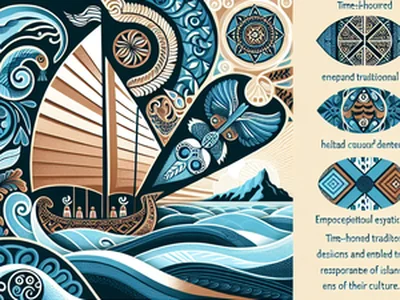
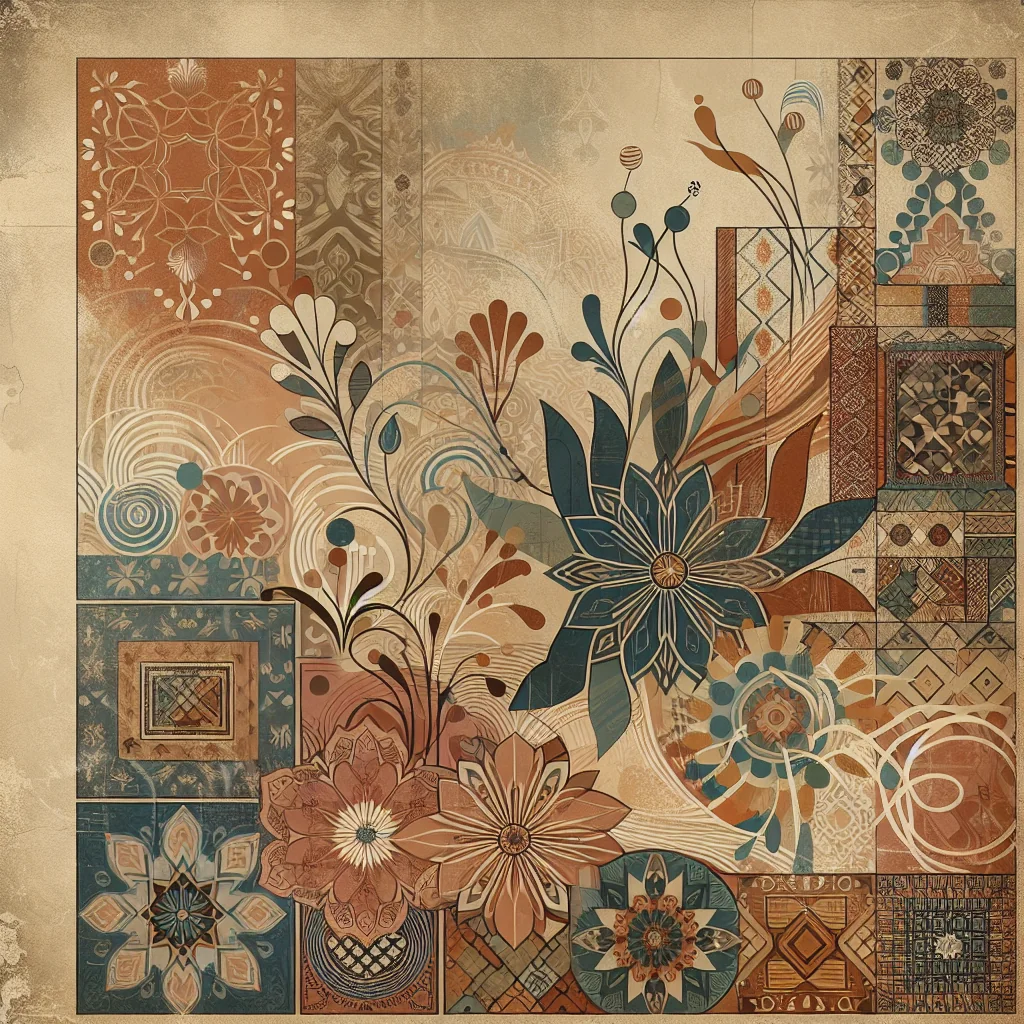
Traditional Samoan art includes tattooing, woodcarving, and weaving, while music and dance play significant roles in cultural expression.
Cultural Symbols Motifs
Examples include the fa'ausi (respect) symbol and the alofa (love) motif.
What Brings Joy
Samoans find joy in traditional practices such as tattooing, dancing, and storytelling.
Celebrations Joyful Traditions
Celebrations include the annual Samoa Independence Day and the traditional Samoan dance competition.
Cultural Calendar And Holidays
The Samoan calendar includes traditional holidays such as the Fiafia (Thanksgiving) and the Fa'ausi (Respect) day.
Economic Context And Occupations
Samoans engage in subsistence farming, fishing, and small-scale entrepreneurship, with a growing service sector.
Housing And Living Arrangements
Housing is often traditional fales (houses) or modern homes, with a focus on community living.
Nutrition And Dietary Norms
Samoans follow a traditional diet based on coconut, fish, and root vegetables, with an emphasis on sharing food with family and community.
Interpretation Needs
Interpretation services may be needed for Samoan speakers who require assistance in English or other languages.
Interpreter Notes
Interpreters should be familiar with Samoan cultural norms and customs to provide accurate interpretation.
Documentation Traditions
Samoans place great importance on written documentation, particularly in formal education and business settings.
Interactions With Other Cultures
Samoans interact with other Pacific Island cultures, as well as European and Asian communities.
Conflict Resolution Mechanisms
Traditional conflict resolution mechanisms include fa'ausi (respect) and alofa (love).
Cultural Exchange Programs
Cultural exchange programs exist between Samoa and other Pacific Island nations.
Trade Relations
Samoans engage in trade with neighboring countries, particularly Australia and New Zealand.
Shared Artistic Projects
Artistic projects include traditional Samoan tattooing and woodcarving collaborations.
Intercultural Marriages
Intercultural marriages are common between Samoans and other Pacific Islanders.
Shared Educational Initiatives
Educational initiatives focus on language preservation, cultural exchange, and community development.
Youth Perspectives
Youth in Samoa face challenges such as limited access to education and job opportunities.
Education Initiatives
Initiatives include vocational training programs and scholarships for Samoan students.
Future Challenges
Challenges include climate change, economic development, and cultural preservation.
Youth Employment Trends
Youth employment trends focus on entrepreneurship, small-scale business development, and community service.
Future Visions
Future visions include a strong, independent Samoa with a thriving economy and preserved culture.
Youth Leadership Roles
Youth leadership roles emphasize community involvement, cultural preservation, and social responsibility.
Innovation And Startups
Innovation and startups focus on sustainable development, renewable energy, and eco-tourism.
Festivals And Celebrations
Festivals include the annual Samoa Independence Day and traditional Samoan dance competitions.
Traditional Medicine Practices
Traditional healers use herbal remedies and spiritual practices to treat ailments.
Environmental Practices
Samoans prioritize environmental conservation, particularly in coastal areas and national parks.
Rituals
Rituals include fa'ausi (respect) ceremonies and alofa (love) rituals.
Rites Of Passage
Rites of passage include traditional Samoan tattooing and coming-of-age ceremonies.
Culinary Traditions
Culinary traditions focus on sharing food with family and community, particularly during special occasions.
Climate Adaptation Strategies
Strategies include sustainable agriculture, renewable energy, and eco-tourism development.
Biodiversity Conservation
Conservation efforts prioritize preserving Samoan biodiversity, particularly in national parks and protected areas.
Sustainable Tourism Practices
Tourism practices focus on community-based tourism, cultural preservation, and environmental sustainability.
Renewable Energy Use
Renewable energy use includes solar power, wind power, and hydroelectricity.
Community Involvement In Practices
Community involvement is essential in all aspects of Samoan culture, particularly in traditional practices and environmental conservation.
Notable Figures
Notable figures include Samoan leaders such as Malietoa Tanumafili II and Tupua Tamasese Mea'ole.
Cultural Innovations
Cultural innovations include traditional tattooing, woodcarving, and weaving.
Literary Works
Literary works include the epic poem 'Fa'ausi e le aiga' (Respect your family).
Architectural Styles
Architectural styles include traditional fales (houses) and modern homes with Samoan influences.
Scientific Contributions
Scientific contributions focus on sustainable development, renewable energy, and eco-tourism.
Culinary Innovations
Culinary innovations include traditional Samoan dishes such as palusami (steamed taro and coconut cream) and fa'ausi (respect) soup.
Global Influence
Samoans have a significant global influence in Pacific Island cultures, particularly in the areas of art, music, and dance.
Awards And Recognition
Awards and recognition include the Samoan Independence Medal and the Pacific Islands Forum Award for Cultural Excellence.
Modern Influences
Modern influences include Western education systems, Christianity, and urbanization.
Digital Presence
Samoans have a growing digital presence through social media platforms and online cultural exchange programs.
Globalization Effects
Globalization has led to increased economic development, but also poses challenges such as cultural homogenization and environmental degradation.
Urbanization Effects
Urbanization has led to increased economic opportunities, but also poses challenges such as cultural erosion and environmental degradation.
Technology Adoption
Technology adoption includes the use of renewable energy sources, digital communication tools, and online educational resources.
Hybrid Cultural Forms
Hybrid cultural forms include fusion music and dance styles that blend traditional Samoan with modern influences.
Social Media Presence
Social media platforms are used for cultural exchange, community engagement, and business development.
Challenges
Challenges include climate change, economic development, cultural preservation, and limited access to education and job opportunities.
Preservation Efforts
Preservation efforts focus on community-based initiatives, cultural exchange programs, and traditional practices such as fa'ausi (respect) and alofa (love).
Cultural Artwork
Community Discussion
Further Reading
Explore credible external sources to deepen your understanding of Samoan culture.