

Sakizaya
Hualien County, Taiwan SakizayaMandarin
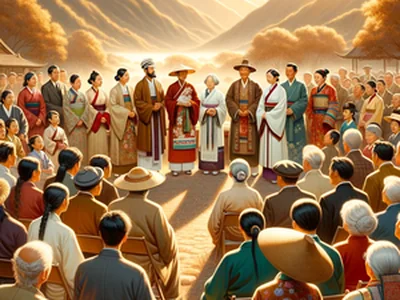
The Sakizaya are an indigenous people of Taiwan, known for their rich cultural heritage and resilience.
Historical Context
The Sakizaya have a history of resilience, having faced colonization and assimilation pressures. They were officially recognized as a distinct indigenous group in Taiwan in 2007.
Migration Patterns
Historically, the Sakizaya have lived in the eastern part of Taiwan, particularly in Hualien County, with some migration towards urban areas for economic opportunities.
Conflict And Resilience History
The Sakizaya have endured conflicts with colonial powers and neighboring groups but have maintained their cultural identity through oral traditions and community solidarity.
Diaspora Perspectives
There is a small Sakizaya diaspora, primarily in urban areas of Taiwan, who maintain cultural ties through community events and digital platforms.
Regional Variations
Within the Sakizaya, there are variations in dialects and customs depending on the specific village or region.
Bridging Notes
Efforts are ongoing to bridge traditional Sakizaya practices with modern Taiwanese society, focusing on cultural preservation and education.
Spiritual And Religious Practices
The Sakizaya practice animism, with a strong emphasis on ancestor worship and nature spirits.
Beliefs And Worldview
Their worldview is deeply connected to nature, with a belief in the interconnectedness of all living things.
Cultural Proverbs Sayings
Proverbs often reflect themes of harmony with nature and the importance of community.
Naming Conventions And Terms Of Address
Names often reflect natural elements and ancestral lineage, with respectful terms used for elders.
Health And Mental Health
Traditional health practices are still valued, with a focus on herbal medicine and spiritual healing.
Mental Health Views
Mental health is often viewed through a spiritual lens, with community support playing a key role.
Traditional Healers
Traditional healers, known as 'shamans', are respected figures who provide both physical and spiritual healing.
Gender Roles In Healthcare
Healthcare roles are traditionally gendered, with women often serving as caregivers and men as healers.
Healthcare Barriers
Access to modern healthcare can be limited due to geographic and economic factors.
Education And Learning Styles
Education is valued, with a focus on both traditional knowledge and formal schooling.
Learning Styles
Learning is often experiential, with an emphasis on storytelling and hands-on activities.
Parental Engagement
Parents are actively involved in their children's education, often participating in school activities and cultural education.
Family And Social Structure
The Sakizaya have a strong kinship system, with extended families living in close proximity.
Discipline And Behavior
Discipline is community-oriented, with a focus on maintaining harmony and respect.
Authority Attitudes
Elders and community leaders hold significant authority, with decisions often made collectively.
Etiquette And Customs
Respect for elders and communal sharing are central to Sakizaya etiquette.
Community Strengths Resilience
The community is known for its resilience, maintaining cultural practices despite external pressures.
Art Music And Expression
Traditional music and dance are integral, often performed during festivals and ceremonies.
Cultural Symbols Motifs
Symbols often include natural elements like mountains and rivers, reflecting their connection to the land.
What Brings Joy
Community gatherings, storytelling, and traditional festivals are sources of joy.
Celebrations Joyful Traditions
Festivals celebrating harvests and ancestral spirits are key cultural events.
Cultural Calendar And Holidays
The Sakizaya calendar includes traditional festivals aligned with agricultural cycles.
Additional Notes
Efforts are being made to document and preserve traditional songs and dances.
Economic Context And Occupations
Many Sakizaya are involved in agriculture, fishing, and increasingly, tourism.
Housing And Living Arrangements
Traditional housing is often communal, with modern influences seen in urban areas.
Nutrition And Dietary Norms
Diet is traditionally based on locally sourced foods, including rice, fish, and vegetables.
Interpretation Needs
Interpretation services are needed for Sakizaya speakers in medical and legal settings.
Interpreter Notes
Interpreters should be familiar with cultural nuances and traditional terms.
Documentation Traditions
Oral traditions are strong, with recent efforts to document the language in written form.
Interactions With Other Cultures
The Sakizaya have historically interacted with neighboring indigenous groups and Han Chinese settlers.
Conflict Resolution Mechanisms
Conflicts are traditionally resolved through community discussions and elder mediation.
Cultural Exchange Programs
There are initiatives to promote cultural exchange with other indigenous groups in Taiwan.
Trade Relations
Trade historically involved agricultural products and handicrafts.
Shared Artistic Projects
Collaborations with other indigenous artists are common, promoting cultural exchange.
Intercultural Marriages
Intercultural marriages occur, often leading to a blending of cultural practices.
Shared Educational Initiatives
Educational programs often include cultural exchange components to foster understanding.
Youth Perspectives
Sakizaya youth are increasingly involved in cultural preservation efforts, balancing tradition with modernity.
Education Initiatives
Programs focus on teaching the Sakizaya language and cultural history in schools.
Future Challenges
Challenges include maintaining cultural identity in the face of globalization and economic pressures.
Youth Employment Trends
Youth are moving towards urban areas for employment, with a growing interest in technology and tourism.
Future Visions
There is a strong desire to preserve cultural heritage while embracing modern opportunities.
Youth Leadership Roles
Youth are encouraged to take on leadership roles in cultural and community organizations.
Innovation And Startups
There is a budding interest in startups, particularly in cultural tourism and digital media.
Festivals And Celebrations
Festivals are closely tied to agricultural cycles and ancestral worship.
Traditional Medicine Practices
Herbal medicine and spiritual healing are integral to traditional practices.
Environmental Practices
Sustainable farming and fishing practices are traditionally observed.
Rituals
Rituals often involve offerings to ancestors and nature spirits.
Rites Of Passage
Rites of passage include ceremonies for coming of age and marriage.
Culinary Traditions
Culinary practices emphasize local ingredients and traditional cooking methods.
Climate Adaptation Strategies
Adaptation strategies include traditional knowledge of weather patterns and resource management.
Biodiversity Conservation
Efforts are made to conserve local biodiversity through traditional ecological knowledge.
Sustainable Tourism Practices
Tourism initiatives focus on cultural education and environmental sustainability.
Renewable Energy Use
There is interest in incorporating renewable energy into community practices.
Community Involvement In Practices
Community involvement is key in environmental and cultural practices.
Environmental Education Programs
Programs aim to educate youth on traditional environmental practices and conservation.
Notable Figures
Notable figures include cultural leaders and artists who have promoted Sakizaya heritage.
Cultural Innovations
Innovations include the revival of traditional crafts and music.
Literary Works
Recent efforts have been made to document Sakizaya oral traditions in written form.
Architectural Styles
Traditional architecture features communal living spaces and natural materials.
Scientific Contributions
Contributions include traditional ecological knowledge and sustainable practices.
Culinary Innovations
Culinary innovations focus on modern interpretations of traditional dishes.
Global Influence
The Sakizaya culture has influenced broader Taiwanese cultural practices, particularly in music and dance.
Awards And Recognition
Recognition has been given for efforts in cultural preservation and education.
Modern Influences
Modern influences include technology and urban culture, which are integrated with traditional practices.
Digital Presence
The Sakizaya have a growing digital presence, using social media to promote cultural awareness.
Globalization Effects
Globalization has brought both challenges and opportunities for cultural exchange and economic development.
Urbanization Effects
Urbanization has led to shifts in traditional lifestyles, with a focus on balancing modernity and tradition.
Technology Adoption
Technology is increasingly used for cultural documentation and education.
Hybrid Cultural Forms
Hybrid forms include contemporary music and art that blend traditional and modern elements.
Social Media Presence
Social media is used to connect with the diaspora and promote cultural events.
Challenges
Challenges include cultural assimilation pressures and economic disparities.
Preservation Efforts
Efforts focus on language revitalization, cultural education, and community engagement.
Cultural Artwork
Community Discussion
Further Reading
Explore credible external sources to deepen your understanding of Sakizaya culture.