
Rwandan
East Africa KinyarwandaEnglishFrench
The Rwandan culture is a rich and diverse blend of traditional and modern practices, shaped by the country's history, geography, and people.
Historical Context
Rwanda has a complex history, with various empires and colonial powers influencing the country's development.
Migration Patterns
The Twa people are believed to be the earliest inhabitants of Rwanda, followed by the Hutu and Tutsi migrations from Central Africa.
Conflict And Resilience History
Rwanda has experienced several conflicts, including the 1994 genocide, but has also shown resilience through its cultural heritage and community-based initiatives.
Diaspora Perspectives
The Rwandan diaspora is a significant contributor to the country's culture, with many individuals maintaining strong ties to their homeland despite living abroad.
Regional Variations
Regional variations in Rwandan culture are influenced by factors such as language, geography, and economic conditions.
Bridging Notes
Rwanda's cultural heritage is characterized by a blend of traditional and modern practices, with a focus on community-based initiatives and innovation.
Spiritual And Religious Practices
The majority of Rwandans practice Christianity, with a significant minority adhering to traditional animist beliefs.
Beliefs And Worldview
Rwandan culture is deeply rooted in the concept of 'ubuntu' or interconnectedness, emphasizing community and social responsibility.
Cultural Proverbs Sayings
Examples include: 'Umunsi wa Kabila' (the day of unity), 'Igikombe cya Kinyarwanda' (the cup of Rwandan culture).
Naming Conventions And Terms Of Address
Rwandans use a combination of given names and surnames, with titles such as 'Mr.' or 'Mrs.' used to show respect.
Health And Mental Health
Mental health is a growing concern in Rwanda, with initiatives aimed at promoting mental wellness and reducing stigma.
Mental Health Views
Traditional healers play an important role in addressing mental health issues, often using herbal remedies and spiritual practices.
Traditional Healers
Healers use a combination of traditional knowledge and modern medicine to treat various ailments.
Gender Roles In Healthcare
Women are often the primary caregivers for family members, but men also take on significant roles in healthcare decision-making.
Healthcare Barriers
Access to healthcare is limited in rural areas, with many individuals relying on traditional healers or traveling long distances for medical care.
Education And Learning Styles
Rwandan education emphasizes hands-on learning and community-based initiatives, with a focus on practical skills and vocational training.
Learning Styles
Students are encouraged to explore their interests and develop problem-solving skills through project-based learning.
Parental Engagement
Parents are actively involved in their children's education, often participating in school governance and decision-making.
Family And Social Structure
Rwandan society is characterized by a strong emphasis on family and community ties, with extended families playing an important role.
Discipline And Behavior
Children are taught to respect their elders and adhere to traditional values such as 'ubuntu' or interconnectedness.
Authority Attitudes
Authority figures are highly respected in Rwandan culture, with a focus on community-based decision-making.
Etiquette And Customs
Examples include: using both hands when giving or receiving something, showing respect through titles and honorifics.
Community Strengths Resilience
Rwandan communities have shown remarkable resilience in the face of adversity, often relying on traditional practices and community-based initiatives to overcome challenges.
Art Music And Expression
Traditional Rwandan music and dance are characterized by complex rhythms and energetic performances.
Cultural Symbols Motifs
Examples include: the 'Umuganda' symbol representing unity and cooperation, the 'Igikombe cya Kinyarwanda' cup representing Rwandan culture.
What Brings Joy
Rwandans find joy in community-based activities such as music, dance, and storytelling.
Celebrations Joyful Traditions
Examples include: Umuganda (community service day), Intore (traditional dance performance).
Cultural Calendar And Holidays
Rwanda celebrates several national holidays, including Independence Day and Unity Day.
Additional Notes
Traditional Rwandan art often incorporates natural materials such as wood, clay, and fibers.
Economic Context And Occupations
The majority of Rwandans engage in subsistence farming or small-scale entrepreneurship, with a growing service sector.
Housing And Living Arrangements
Rwandans often live in extended family households, with a focus on community-based housing initiatives.
Nutrition And Dietary Norms
Traditional Rwandan cuisine emphasizes locally sourced ingredients such as beans, corn, and vegetables.
Interpretation Needs
Interpreters are often required for official business or medical care in languages other than Kinyarwanda.
Interpreter Notes
Interpreters should be familiar with Rwandan culture and customs to provide accurate interpretation services.
Documentation Traditions
Rwandans use a combination of written and oral traditions to document important events and agreements.
Interactions With Other Cultures
Rwandans interact with neighboring countries such as Burundi and the Democratic Republic of Congo through trade, tourism, and cultural exchange.
Conflict Resolution Mechanisms
Community-based mediation and conflict resolution mechanisms are used to resolve disputes in Rwandan culture.
Cultural Exchange Programs
Rwanda participates in various cultural exchange programs with other countries, promoting mutual understanding and cooperation.
Trade Relations
Rwanda engages in trade with neighboring countries and international partners, with a focus on export-oriented industries such as coffee and tea.
Shared Artistic Projects
Rwandan artists collaborate with international artists on joint projects, showcasing Rwandan culture and creativity.
Intercultural Marriages
Intermarriage between Rwandans and individuals from other cultures is common, promoting cultural exchange and understanding.
Shared Educational Initiatives
Rwanda participates in regional educational initiatives, promoting cooperation and knowledge-sharing among neighboring countries.
Youth Perspectives
Youth in Rwanda are actively engaged in community-based initiatives, promoting innovation and entrepreneurship.
Education Initiatives
Rwanda has implemented various education initiatives to improve access to quality education, particularly for disadvantaged groups.
Future Challenges
Challenges facing Rwanda include poverty reduction, infrastructure development, and environmental conservation.
Youth Employment Trends
Youth in Rwanda are increasingly engaged in entrepreneurship and small-scale business ventures, with a focus on innovation and job creation.
Future Visions
Rwandans envision a future characterized by economic growth, social cohesion, and environmental sustainability.
Youth Leadership Roles
Youth in Rwanda are taking on leadership roles in community-based initiatives, promoting social change and development.
Innovation And Startups
Rwanda has seen a surge in innovation and startup activity, particularly in the technology and entrepreneurship sectors.
Festivals And Celebrations
Examples include: Umuganda (community service day), Intore (traditional dance performance).
Traditional Medicine Practices
Healers use a combination of traditional knowledge and modern medicine to treat various ailments.
Environmental Practices
Rwandans prioritize environmental conservation, with initiatives aimed at reducing waste and promoting sustainable agriculture practices.
Rituals
Examples include: the 'Umuganda' ritual representing unity and cooperation, the 'Igikombe cya Kinyarwanda' cup representing Rwandan culture.
Rites Of Passage
Rites of passage in Rwanda include initiation ceremonies for young men and women, marking important transitions in life.
Culinary Traditions
Traditional Rwandan cuisine emphasizes locally sourced ingredients such as beans, corn, and vegetables.
Climate Adaptation Strategies
Rwandans have developed strategies to adapt to climate change, including sustainable agriculture practices and renewable energy initiatives.
Biodiversity Conservation
Rwanda has implemented conservation efforts to protect its unique biodiversity, including national parks and wildlife reserves.
Sustainable Tourism Practices
Tourism in Rwanda is focused on sustainable practices, promoting eco-tourism and community-based tourism initiatives.
Renewable Energy Use
Rwanda has invested in renewable energy sources such as solar and hydroelectric power to reduce dependence on fossil fuels.
Community Involvement In Practices
Community members are actively involved in environmental conservation efforts, promoting a sense of ownership and responsibility.
Notable Figures
Examples include: King Mwami Mutara III Rudahigwa, who played a key role in Rwanda's independence movement.
Cultural Innovations
Rwandan culture has contributed to innovations such as the 'Umuganda' ritual representing unity and cooperation.
Literary Works
Examples include: works by Rwandan authors such as Alexis Kagame and Aimé Makuza.
Architectural Styles
Traditional Rwandan architecture is characterized by use of local materials such as wood, clay, and fibers.
Scientific Contributions
Rwandan scientists have made significant contributions to fields such as agriculture, medicine, and environmental conservation.
Culinary Innovations
Rwandan cuisine has influenced culinary traditions in neighboring countries, with dishes such as 'Umutsima' (a cornmeal porridge).
Global Influence
Rwanda's cultural influence extends beyond its borders, with a growing presence in international cultural events and festivals.
Awards And Recognition
Rwandan culture has received recognition through awards such as the UNESCO Intangible Cultural Heritage of Humanity designation for the 'Umuganda' ritual.
Modern Influences
Modern influences have shaped Rwandan culture, particularly in areas such as fashion and art.
Digital Presence
Rwanda has a growing digital presence, with initiatives aimed at promoting e-government services and online education platforms.
Globalization Effects
Globalization has had both positive and negative effects on Rwandan culture, leading to increased economic opportunities but also cultural homogenization.
Hybrid Cultural Forms
Rwandan culture has given rise to hybrid forms such as 'Afro-pop' music, blending traditional rhythms with modern styles.
Social Media Presence
Rwanda has a significant social media presence, with many individuals using platforms to share cultural content and connect with others.
Challenges
Challenges facing Rwanda include poverty reduction, infrastructure development, and environmental conservation.
Preservation Efforts
Efforts are being made to preserve Rwandan culture, including initiatives aimed at promoting traditional practices and community-based conservation efforts.
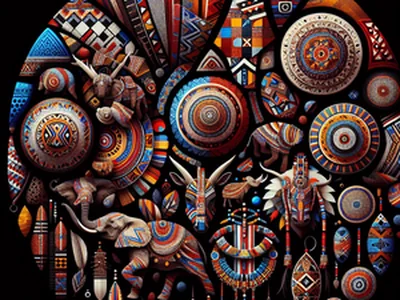
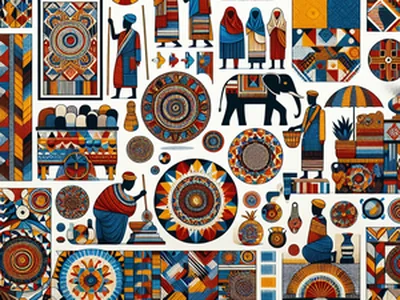
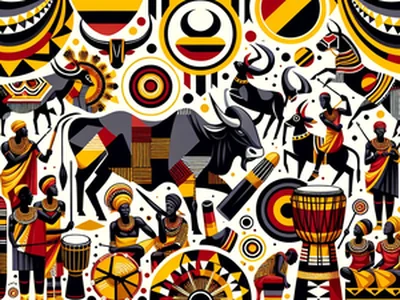
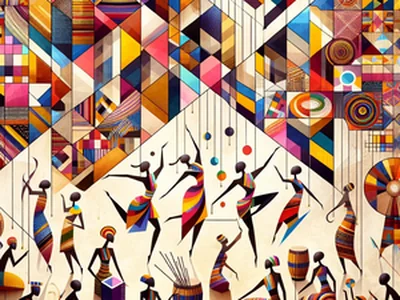
Cultural Artwork
Community Discussion
Further Reading
Explore credible external sources to deepen your understanding of Rwandan culture.