
Papua New Guinean
Oceania, Melanesia Tok PisinHiri MotuEnglishover 800 indigenous languages
Papua New Guinean culture is diverse, with over 800 languages and a rich tapestry of traditions and customs influenced by its varied geography and history.
Historical Context
Papua New Guinea has a long history of human habitation, with evidence of settlement dating back 50,000 years. It has been influenced by Austronesian migrations, European colonization, and its eventual independence in 1975.
Migration Patterns
Historically, migration within Papua New Guinea has been influenced by tribal affiliations and environmental factors. More recently, urban migration has increased due to economic opportunities.
Conflict And Resilience History
The country has experienced tribal conflicts, but communities have developed strong resilience and conflict resolution mechanisms rooted in traditional practices.
Diaspora Perspectives
The Papua New Guinean diaspora is small but maintains strong ties to their homeland, often participating in cultural events and remittances.
Regional Variations
Cultural practices vary significantly across regions, with coastal areas having different traditions compared to highland communities.
Bridging Notes
Efforts to bridge cultural differences focus on promoting national unity while respecting regional diversity.
Spiritual And Religious Practices
Traditional beliefs are prevalent, often involving ancestor worship and animism. Christianity is also widely practiced, often blended with indigenous beliefs.
Beliefs And Worldview
Papua New Guineans often view the world through a communal lens, valuing kinship, community, and a deep connection to the land.
Cultural Proverbs Sayings
Proverbs often emphasize community, respect, and the importance of nature, such as 'The land is our mother.'
Naming Conventions And Terms Of Address
Names often reflect family lineage and clan affiliations. Respectful terms of address are important, especially for elders.
Health And Mental Health
Health practices often combine traditional medicine with modern healthcare. Mental health is gaining recognition, though stigma remains.
Mental Health Views
Mental health issues are sometimes attributed to spiritual causes, and traditional healers may be consulted.
Traditional Healers
Traditional healers play a significant role in health care, using herbal remedies and spiritual healing practices.
Gender Roles In Healthcare
Women are often primary caregivers, but men typically make decisions regarding healthcare access.
Healthcare Barriers
Barriers include geographical isolation, limited infrastructure, and cultural differences in understanding health.
Education And Learning Styles
Education is valued, with a focus on both formal schooling and traditional knowledge. Learning often involves storytelling and practical experiences.
Learning Styles
Learning is often communal and experiential, with an emphasis on oral traditions and hands-on activities.
Parental Engagement
Parents are highly involved in their children's education, often participating in school activities and community learning.
Family And Social Structure
Family structures are typically extended, with strong clan affiliations. Social structures are hierarchical, with elders holding significant authority.
Discipline And Behavior
Discipline is often community-based, with a focus on maintaining harmony and respect within the group.
Authority Attitudes
Respect for elders and community leaders is paramount, and decisions are often made collectively.
Etiquette And Customs
Customs emphasize respect, hospitality, and communal sharing. Greetings and exchanges of gifts are important social rituals.
Community Strengths Resilience
Communities are resilient, with strong support networks and a deep sense of identity and belonging.
Art Music And Expression
Art and music are integral, with traditional dances, carvings, and storytelling reflecting cultural heritage.
Cultural Symbols Motifs
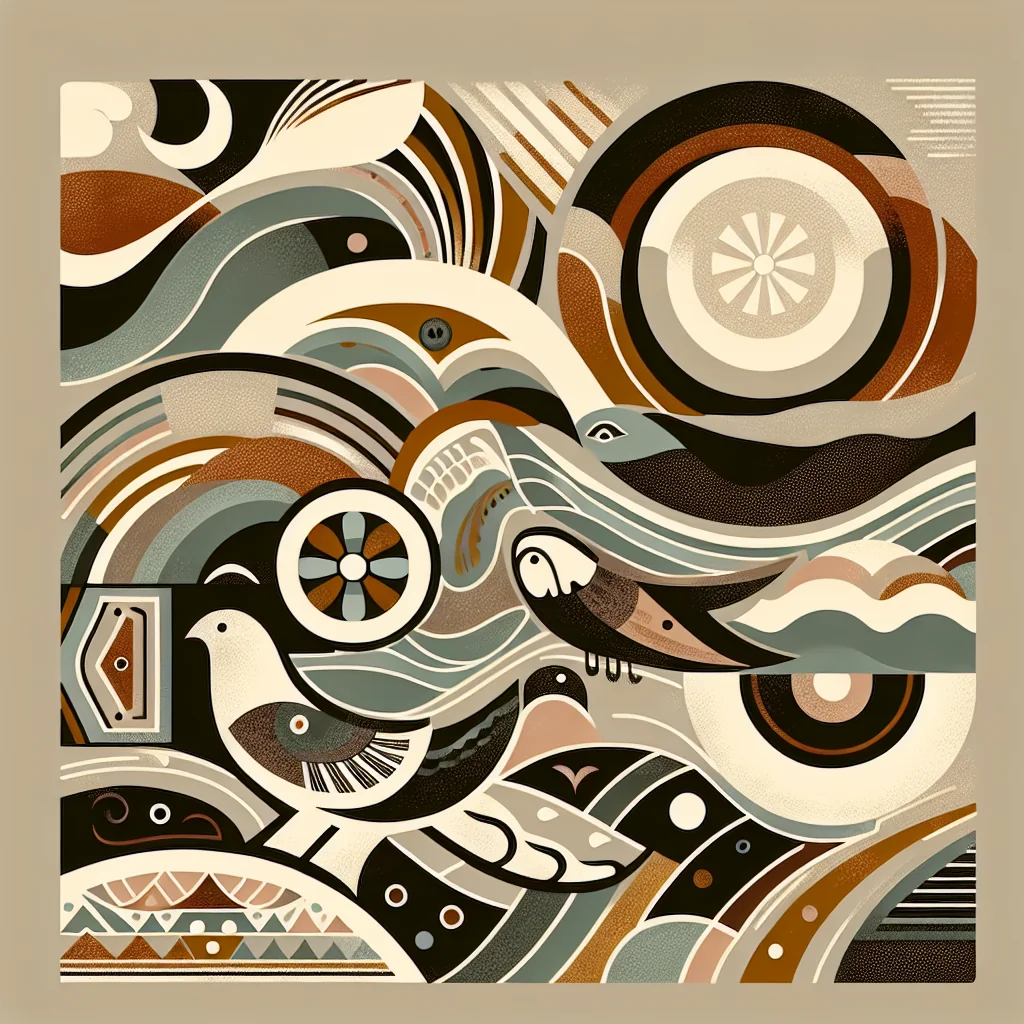
Symbols often include motifs from nature, such as birds and plants, representing spiritual beliefs and clan identities.
What Brings Joy
Community gatherings, traditional dances, and storytelling are sources of joy and cultural pride.
Celebrations Joyful Traditions
Festivals and ceremonies, such as sing-sings, are vibrant expressions of cultural identity and community spirit.
Cultural Calendar And Holidays
Important events include Independence Day, cultural festivals, and religious holidays, celebrated with communal feasts and performances.
Additional Notes
Cultural expression is diverse, with each region having unique artistic traditions and practices.
Economic Context And Occupations
The economy is largely based on agriculture, mining, and forestry, with many people engaged in subsistence farming.
Housing And Living Arrangements
Housing varies from traditional thatched huts to modern urban dwellings, often reflecting regional styles and materials.
Nutrition And Dietary Norms
Diet is typically based on root crops, fruits, and fish, with regional variations in staple foods and preparation methods.
Interpretation Needs
Given the linguistic diversity, interpretation services are often required, especially in healthcare and legal settings.
Interpreter Notes
Interpreters should be culturally sensitive and aware of regional dialects and nuances.
Documentation Traditions
Oral traditions are strong, with stories and histories often passed down verbally rather than in written form.
Interactions With Other Cultures
Interactions are generally positive, with a focus on cultural exchange and mutual respect.
Conflict Resolution Mechanisms
Traditional conflict resolution involves mediation by elders and community leaders, emphasizing reconciliation.
Cultural Exchange Programs
Programs often focus on promoting understanding and appreciation of Papua New Guinea's diverse cultures.
Trade Relations
Trade is both local and international, with a focus on agricultural products and natural resources.
Shared Artistic Projects
Collaborative art projects often highlight traditional crafts and contemporary interpretations.
Intercultural Marriages
Intercultural marriages are increasingly common, fostering cultural exchange and understanding.
Shared Educational Initiatives
Educational initiatives often involve partnerships with international organizations to improve access and quality.
Youth Perspectives
Youth are increasingly engaged in cultural preservation and modernization, balancing tradition with global influences.
Education Initiatives
Initiatives focus on improving access to education and integrating traditional knowledge with modern curricula.
Future Challenges
Challenges include balancing development with cultural preservation and addressing economic disparities.
Youth Employment Trends
Employment trends are shifting towards urban areas and sectors like technology and services.
Future Visions
Future visions emphasize sustainable development, cultural preservation, and increased global engagement.
Youth Leadership Roles
Youth are taking on leadership roles in community development and cultural initiatives.
Innovation And Startups
There is a growing interest in entrepreneurship and innovation, particularly in technology and sustainable practices.
Festivals And Celebrations
Festivals are vibrant, showcasing traditional music, dance, and attire, often linked to agricultural cycles.
Traditional Medicine Practices
Traditional medicine is widely practiced, using local herbs and spiritual healing methods.
Environmental Practices
Environmental stewardship is integral, with practices focused on sustainable land use and conservation.
Rituals
Rituals often mark life events such as births, marriages, and deaths, with community participation.
Rites Of Passage
Rites of passage are significant, marking transitions such as adolescence and adulthood with ceremonies.
Culinary Traditions
Culinary traditions vary, with a focus on locally sourced ingredients and communal meals.
Climate Adaptation Strategies
Communities are adapting to climate change through traditional knowledge and modern techniques.
Biodiversity Conservation
Conservation efforts focus on protecting the rich biodiversity of Papua New Guinea's forests and marine areas.
Sustainable Tourism Practices
Tourism initiatives emphasize cultural authenticity and environmental sustainability.
Renewable Energy Use
There is a growing interest in renewable energy, particularly solar and hydroelectric power.
Community Involvement In Practices
Community involvement is crucial in environmental and cultural practices, ensuring sustainability and resilience.
Environmental Education Programs
Programs aim to educate communities about environmental conservation and sustainable practices.
Notable Figures
Notable figures include Sir Michael Somare, the first Prime Minister, and Dame Meg Taylor, a prominent diplomat.
Cultural Innovations
Innovations include the adaptation of traditional art forms into contemporary expressions.
Literary Works
Literature often reflects oral traditions, with stories and poetry capturing cultural narratives.
Architectural Styles
Architecture ranges from traditional stilt houses to modern buildings, often incorporating local materials.
Scientific Contributions
Contributions include research in biodiversity and traditional ecological knowledge.
Culinary Innovations
Culinary innovations blend traditional ingredients with modern techniques, creating unique flavors.
Global Influence
Papua New Guinea's cultural diversity and natural beauty have a growing influence on global tourism and cultural studies.
Awards And Recognition
Recognition includes UNESCO World Heritage sites and international accolades for cultural preservation.
Modern Influences
Modern influences include technology, global media, and urbanization, impacting cultural practices and lifestyles.
Digital Presence
Digital presence is expanding, with increased access to the internet and social media platforms.
Globalization Effects
Globalization brings both opportunities and challenges, influencing cultural identity and economic development.
Urbanization Effects
Urbanization is leading to changes in social structures and lifestyles, with more people moving to cities.
Technology Adoption
Technology adoption is growing, with mobile phones and internet access becoming more widespread.
Hybrid Cultural Forms
Hybrid cultural forms are emerging, blending traditional and modern elements in art, music, and fashion.
Social Media Presence
Social media is increasingly used for cultural expression and communication, especially among youth.
Challenges
Challenges include preserving cultural heritage amidst modernization and addressing social and economic inequalities.
Preservation Efforts
Efforts focus on documenting languages, promoting traditional arts, and supporting cultural education.
Cultural Artwork
Community Discussion
Further Reading
Explore credible external sources to deepen your understanding of Papua New Guinean culture.