
Panamanian
Central America SpanishEnglishNgäbereBuglere
Panamanian culture is a vibrant blend of indigenous, African, and Spanish influences, reflecting its rich history and diverse population.
Historical Context
Panama's history is marked by its strategic location as a crossroads of trade and culture, with significant influence from Spanish colonization and its role in the transatlantic slave trade.
Migration Patterns
Panama has experienced waves of migration, including indigenous peoples, Spanish settlers, African slaves, and later, workers from Asia and the Caribbean during the construction of the Panama Canal.
Conflict And Resilience History
Panama has faced conflicts related to colonial rule, independence movements, and control over the Panama Canal, demonstrating resilience through its pursuit of sovereignty and economic stability.
Diaspora Perspectives
The Panamanian diaspora, particularly in the United States, maintains strong cultural ties through community organizations and cultural events.
Regional Variations
Cultural variations exist between urban areas like Panama City and rural regions, with indigenous communities preserving distinct traditions.
Bridging Notes
Panama serves as a cultural bridge between North and South America, fostering a unique blend of traditions and modern influences.
Spiritual And Religious Practices
Predominantly Roman Catholic, with Protestant and indigenous spiritual practices also present.
Beliefs And Worldview
Panamanians value family, community, and a relaxed approach to life, often prioritizing social connections over material wealth.
Cultural Proverbs Sayings
Common sayings emphasize the importance of family, patience, and resilience.
Naming Conventions And Terms Of Address
Naming conventions often include both paternal and maternal surnames, with respectful terms of address used in formal settings.
Health And Mental Health
Healthcare access varies, with urban areas having better facilities. Traditional medicine is still practiced, especially in rural and indigenous communities.
Mental Health Views
Mental health is gaining recognition, though stigma remains. Efforts are being made to increase awareness and access to services.
Traditional Healers
Curanderos and herbalists play a role in health practices, particularly in rural areas.
Gender Roles In Healthcare
Women often serve as primary caregivers, with increasing participation in professional healthcare roles.
Healthcare Barriers
Barriers include geographic access, economic constraints, and cultural differences in health beliefs.
Education And Learning Styles
Education is valued, with a focus on bilingualism and cultural heritage. Learning styles often emphasize memorization and respect for authority.
Learning Styles
Visual and auditory learning are common, with a strong emphasis on teacher-led instruction.
Parental Engagement
Parents are actively involved in their children's education, often participating in school activities and supporting academic achievement.
Family And Social Structure
Family is central to Panamanian life, often extending beyond the nuclear family to include a wide network of relatives.
Discipline And Behavior
Discipline is typically respectful and emphasizes community values, with elders playing a significant role in guidance.
Authority Attitudes
Respect for authority is ingrained, with deference shown to elders and community leaders.
Etiquette And Customs
Greetings are warm and include handshakes or hugs. Hospitality is important, with guests often offered food and drink.
Community Strengths Resilience
Strong community bonds and a collective spirit contribute to resilience, particularly in times of adversity.
Art Music And Expression
Panama is known for its vibrant music and dance, including salsa, reggaeton, and traditional folk music like cumbia and tamborito.
Cultural Symbols Motifs
Symbols such as the pollera dress and the Panama hat are iconic, representing cultural pride and heritage.
What Brings Joy
Music, dance, and family gatherings are central to joy and celebration in Panamanian culture.
Celebrations Joyful Traditions
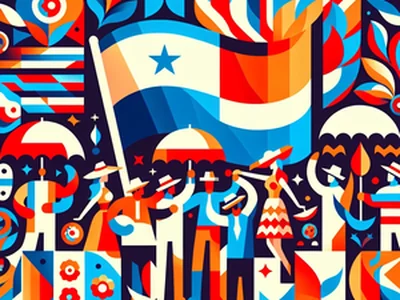
Carnival is a major celebration, marked by parades, music, and dance, reflecting the country's diverse cultural influences.
Cultural Calendar And Holidays
Important holidays include Independence Day, Carnival, and religious festivals like Semana Santa.
Additional Notes
Panamanian culture is a dynamic blend of tradition and modernity, with a strong emphasis on community and celebration.
Economic Context And Occupations
The economy is service-oriented, with significant contributions from the Panama Canal, banking, and tourism sectors.
Housing And Living Arrangements
Urban areas feature modern housing, while rural regions may have more traditional or modest accommodations.
Nutrition And Dietary Norms
Cuisine is diverse, with staples like rice, beans, plantains, and seafood, reflecting indigenous and Afro-Caribbean influences.
Interpretation Needs
Spanish is the official language, but interpretation services are needed for indigenous languages and English in certain contexts.
Interpreter Notes
Interpreters should be aware of regional dialects and cultural nuances when facilitating communication.
Documentation Traditions
Oral traditions are important, with storytelling and folklore playing a key role in cultural transmission.
Interactions With Other Cultures
Panama's strategic location fosters interactions with diverse cultures, enhancing its role as a cultural and economic hub.
Conflict Resolution Mechanisms
Community dialogue and traditional practices are often used to resolve conflicts, emphasizing consensus and harmony.
Cultural Exchange Programs
Programs exist to promote cultural exchange, particularly with neighboring Latin American countries and the United States.
Trade Relations
Panama has strong trade relations globally, facilitated by the Panama Canal and its free trade zones.
Shared Artistic Projects
Collaborations in music and art are common, reflecting Panama's diverse cultural influences.
Intercultural Marriages
Intercultural marriages are increasingly common, contributing to the cultural diversity of the population.
Shared Educational Initiatives
Educational partnerships with international institutions enhance learning opportunities and cultural exchange.
Youth Perspectives
Panamanian youth are increasingly global in outlook, valuing education and technology while maintaining cultural traditions.
Education Initiatives
Initiatives focus on improving access to education, particularly in rural areas, and promoting bilingualism.
Future Challenges
Challenges include economic inequality, environmental sustainability, and maintaining cultural identity amid globalization.
Youth Employment Trends
Youth employment is concentrated in service industries, with growing opportunities in technology and entrepreneurship.
Future Visions
Panama envisions a future of sustainable development, cultural preservation, and increased global engagement.
Youth Leadership Roles
Youth are taking on leadership roles in social movements, environmental advocacy, and cultural preservation.
Innovation And Startups
The startup ecosystem is growing, with young entrepreneurs driving innovation in technology and creative industries.
Festivals And Celebrations
Festivals like Carnival and the Festival de la Mejorana celebrate cultural heritage with music, dance, and traditional attire.
Traditional Medicine Practices
Herbal remedies and traditional healing practices are common, particularly in indigenous communities.
Environmental Practices
Efforts focus on conservation and sustainable use of natural resources, with initiatives to protect biodiversity.
Rituals
Rituals often involve music and dance, marking important life events and community celebrations.
Rites Of Passage
Rites of passage, such as quinceañeras, are significant, marking transitions in life stages.
Culinary Traditions
Cuisine is a fusion of indigenous, Spanish, and African influences, with dishes like sancocho and ceviche being popular.
Climate Adaptation Strategies
Strategies include reforestation and sustainable agriculture to address climate change impacts.
Biodiversity Conservation
Panama is committed to conserving its rich biodiversity, with numerous protected areas and national parks.
Sustainable Tourism Practices
Sustainable tourism is promoted to preserve natural and cultural heritage while supporting local economies.
Renewable Energy Use
Renewable energy initiatives are expanding, focusing on solar and wind power to reduce reliance on fossil fuels.
Community Involvement In Practices
Community involvement is key in environmental and cultural preservation efforts, fostering local stewardship.
Environmental Education Programs
Programs aim to educate the public on environmental issues and promote sustainable practices.
Notable Figures
Figures like Mariano Rivera, a renowned baseball player, and Rubén Blades, a celebrated musician and actor, highlight Panama's cultural contributions.
Cultural Innovations
Panama has contributed to music genres like reggaeton and salsa, influencing global music trends.
Literary Works
Panamanian literature reflects its diverse culture, with authors like Rogelio Sinán and Ricardo Miró being prominent.
Architectural Styles
Architecture blends colonial and modern styles, with landmarks like the Panama Canal and Casco Viejo being iconic.
Scientific Contributions
Panama is home to the Smithsonian Tropical Research Institute, contributing to global biodiversity research.
Culinary Innovations
Panamanian cuisine is gaining international recognition, with chefs incorporating traditional ingredients into modern dishes.
Global Influence
Panama's strategic location and cultural diversity enhance its influence in global trade and cultural exchange.
Awards And Recognition
Panamanian artists and athletes have received international awards, highlighting the country's cultural and sporting achievements.
Modern Influences
Globalization and technology are influencing Panamanian culture, leading to a blend of traditional and modern practices.
Digital Presence
Panama has a growing digital presence, with increasing internet access and social media use.
Globalization Effects
Globalization has brought economic opportunities and cultural exchanges, but also challenges in preserving cultural identity.
Urbanization Effects
Urbanization is leading to modernization in cities, while rural areas strive to maintain traditional lifestyles.
Technology Adoption
Technology adoption is increasing, with a focus on improving connectivity and digital literacy.
Hybrid Cultural Forms
Hybrid cultural forms are emerging, blending traditional Panamanian elements with global influences.
Social Media Presence
Social media is widely used for communication, cultural expression, and social activism.
Challenges
Challenges include balancing modernization with cultural preservation, addressing economic disparities, and managing environmental sustainability.
Preservation Efforts
Efforts are underway to preserve cultural heritage through education, community initiatives, and government support.
Cultural Artwork
Community Discussion
Further Reading
Explore credible external sources to deepen your understanding of Panamanian culture.